Electroencephalography, or EEG, is one of the most recognisable technologies in neurotech. Electrodes placed on the scalp record tiny electrical signals generated by brain activity. And these signals now support a growing range of consumer applications, from tracking changes in focus to identifying brainwave patterns associated with different stages of sleep.
While a decade ago only a handful of brands sold EEG devices directly to consumers, buyers can now choose from a growing range of options. These include headbands for meditation, earbuds for sleep monitoring, headphones that track cognitive performance, and more advanced research-oriented systems. Below, we explore the EEG devices on the market in 2026.
Editorial note: This article contains no affiliate links or paid product placements. If you find our independent coverage useful, consider supporting Neurofounders by subscribing to our free newsletter.
One of the earliest consumer applications of EEG was neurofeedback, analysing brainwaves to guide meditation and cognitive training. But the scientific evidence on neurofeedback remains mixed. A 2025 meta-analysis of 16 neurofeedback trials found a small reduction in psychological distress, but no clear improvements in cognition or mindfulness.
The most recognisable brand in the category is Muse. Its $249.99 Muse 2 headband incorporates four EEG sensors positioned across the forehead and behind the ears, alongside heart rate and movement sensors. During meditation, the app translates changes in brain activity into soundscapes, such as prompting calm weather when the user is more relaxed. Muse also offers guided meditations, progress tracking, and additional focus-training features through its premium subscription.
A more expensive alternative comes from Sens.ai, which sells a $1,250 brain-training system that combines EEG neurofeedback with heart-rate variability training and transcranial photobiomodulation; a technique that delivers near-infrared light to the head. Its personalised training programs target areas such as cognitive performance, relaxation, and sleep. The headset includes a 60-day membership trial, after which users have to pay $29 per month, billed annually.
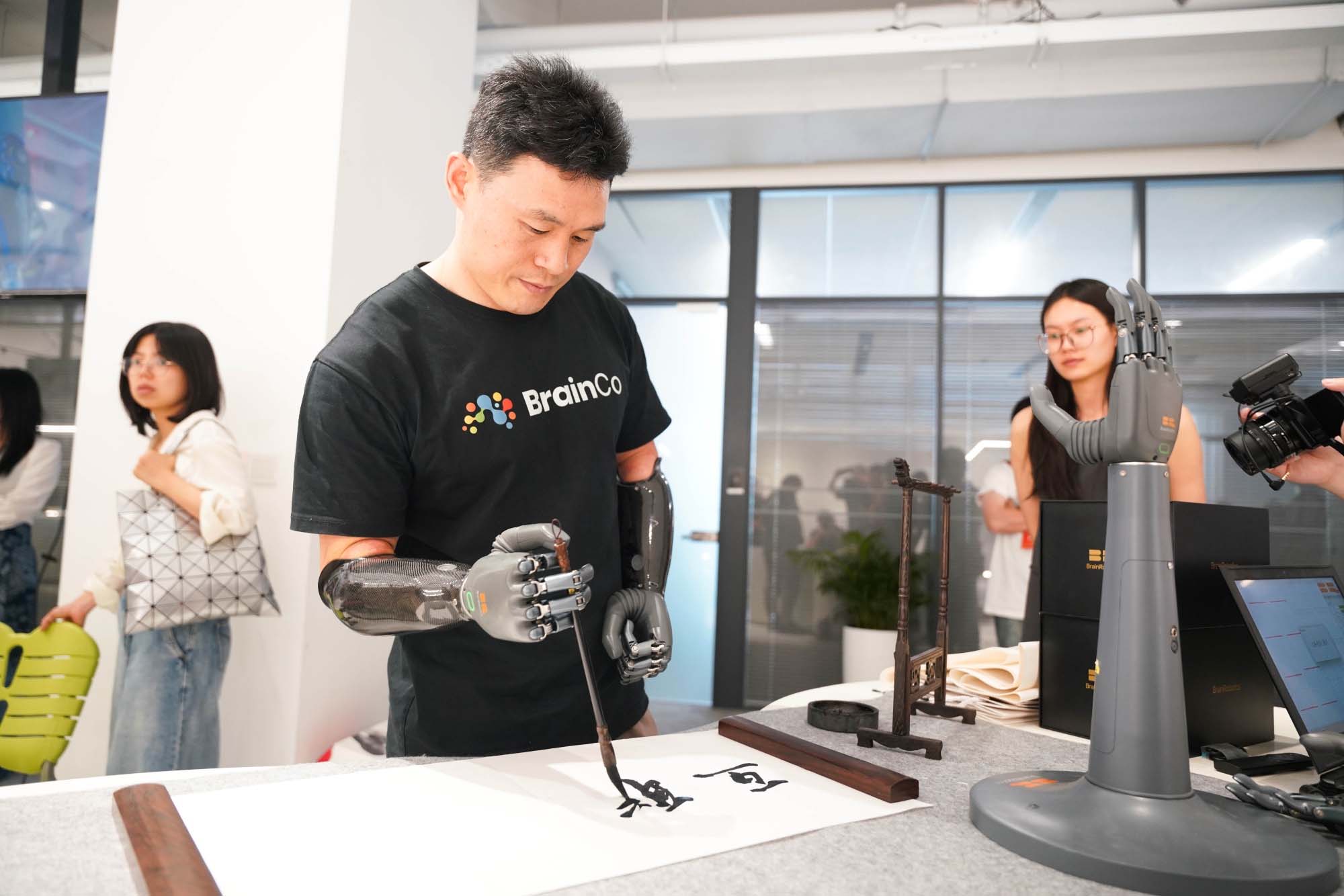
One of the largest companies in the neurofeedback space is China's BrainCo. Its $309.99 FocusCalm headband translates EEG activity into a proprietary score between 0 and 100, used in meditation exercises and interactive brain-training games. In 2019, BrainCo attracted controversy when a Chinese primary school used its EEG headbands to track pupils' attention. The trial was suspended following privacy complaints from parents.
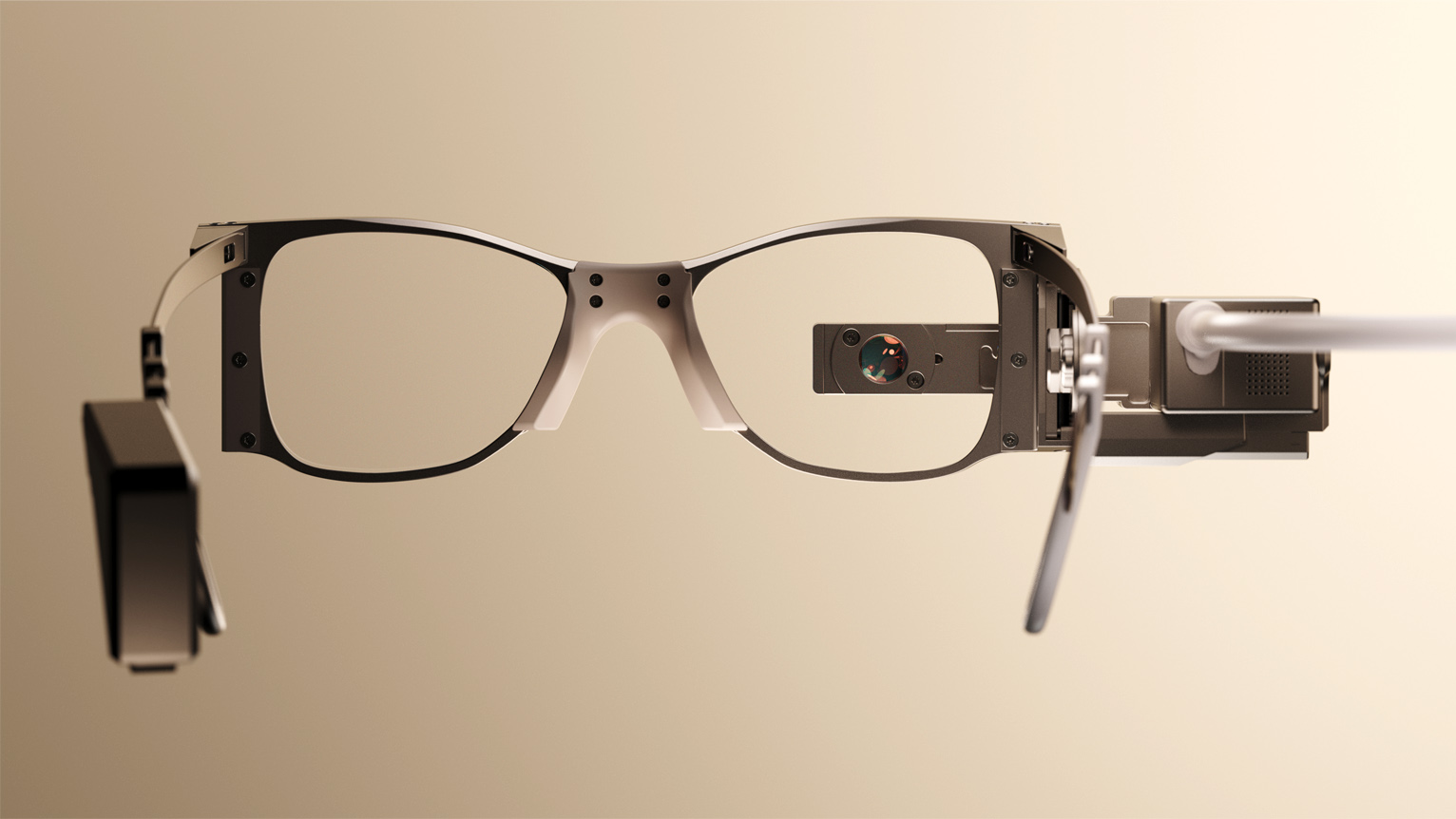
Several more niche alternatives exist. The $198 Flowtime headband combines EEG with physiological tracking and detailed brainwave reports. Singapore-based Neeuro markets SenzeBand 2, a seven-electrode band that supports attention training. Meanwhile, Narbis is experimenting with $690 EEG-enabled smart glasses that darken their lenses when the user becomes distracted.
One of the most scientifically established applications of EEG is monitoring sleep. Most consumer wearables like smartwatches and rings estimate sleep stages using indirect measurements, such as movement and heart rate. A range of new EEG-enabled wearables offer a more direct view of brain activity during sleep, with some devices using those signals to deliver interventions designed to improve a user’s nightly rest.
Muse is also a major player in this segment. Its $474.99 Muse S Athena combines four EEG channels with functional near-infrared spectroscopy (fNIRS), which measures changes in cortical blood oxygenation. The soft headband is designed for overnight use, providing detailed sleep-stage tracking, a smart alarm, and audio stimulation timed to detected brain activity.
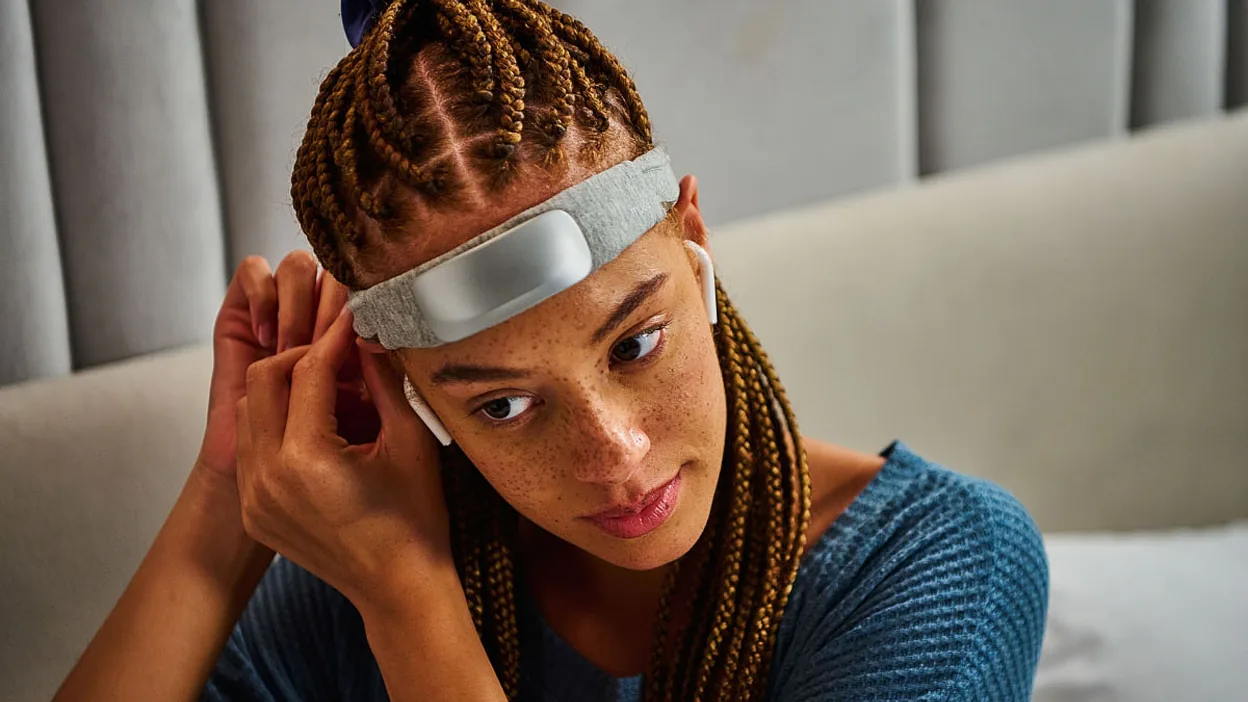
Another EEG sleep headband comes from Elemind, which designed precisely timed acoustic stimulation to help users fall asleep faster. Its $399 device tracks alpha brainwave activity and delivers sound pulses synchronized to specific phases of those oscillations. In a 2024 study involving 21 participants, the approach reduced average sleep-onset time by 10.5 minutes. Elemind’s product is currently sold out, while the company was recently acquired.
Somnee takes a different approach with its $389 EEG-enabled headband. Alongside monitoring brain activity, the device delivers personalized transcranial alternating current stimulation (tACS) before bed, intended to improve subsequent sleep. Developed from research at UC Berkeley, Somnee has attracted attention in professional sports, winning the NFL Players Association's 2026 Pitch Day competition.
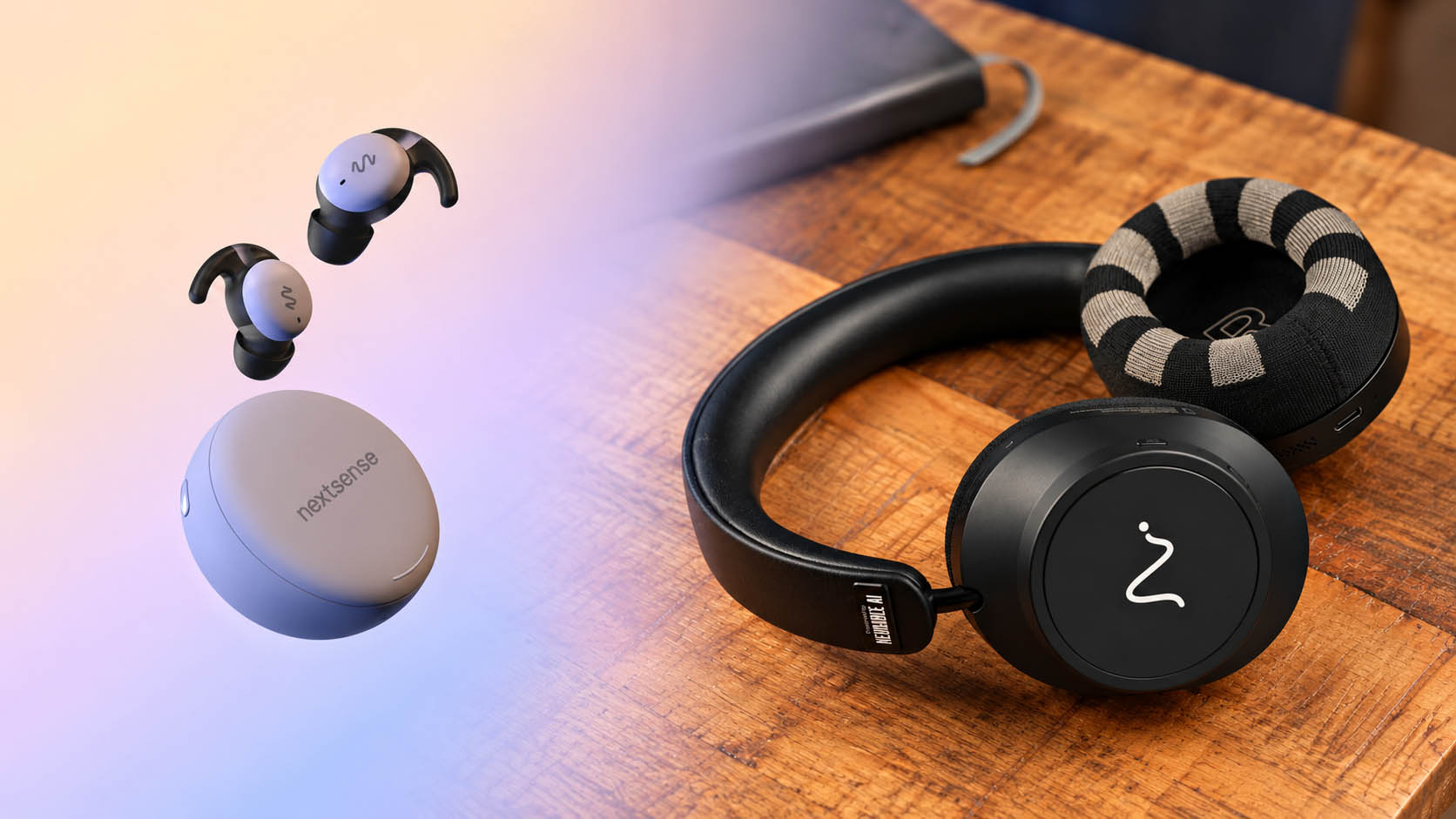
One of the newest entrants is NextSense, a company spun out of Alphabet's X and founded by former Google executive Jonathan Berent. Its Smartbuds move EEG into wireless earbuds, using six dry-contact sensors to record brain activity from inside and around the ear. The $349 earbuds monitor sleep stages and deliver audio stimulation timed to slow-wave activity, aiming to boost periods of deep sleep. NextSense launched the product in February 2026 and has since introduced daytime focus-tracking features.
One of the more ambitious applications of consumer EEG is monitoring cognitive performance throughout the day. These companies want to track changes in states related to focus, mental fatigue, stress, and workload. However, everyday EEG recordings are challenging, as movement and muscle activity can interfere with the signals. Several companies are now developing headphones, earbuds, and discreet wearables to make continuous monitoring more viable.
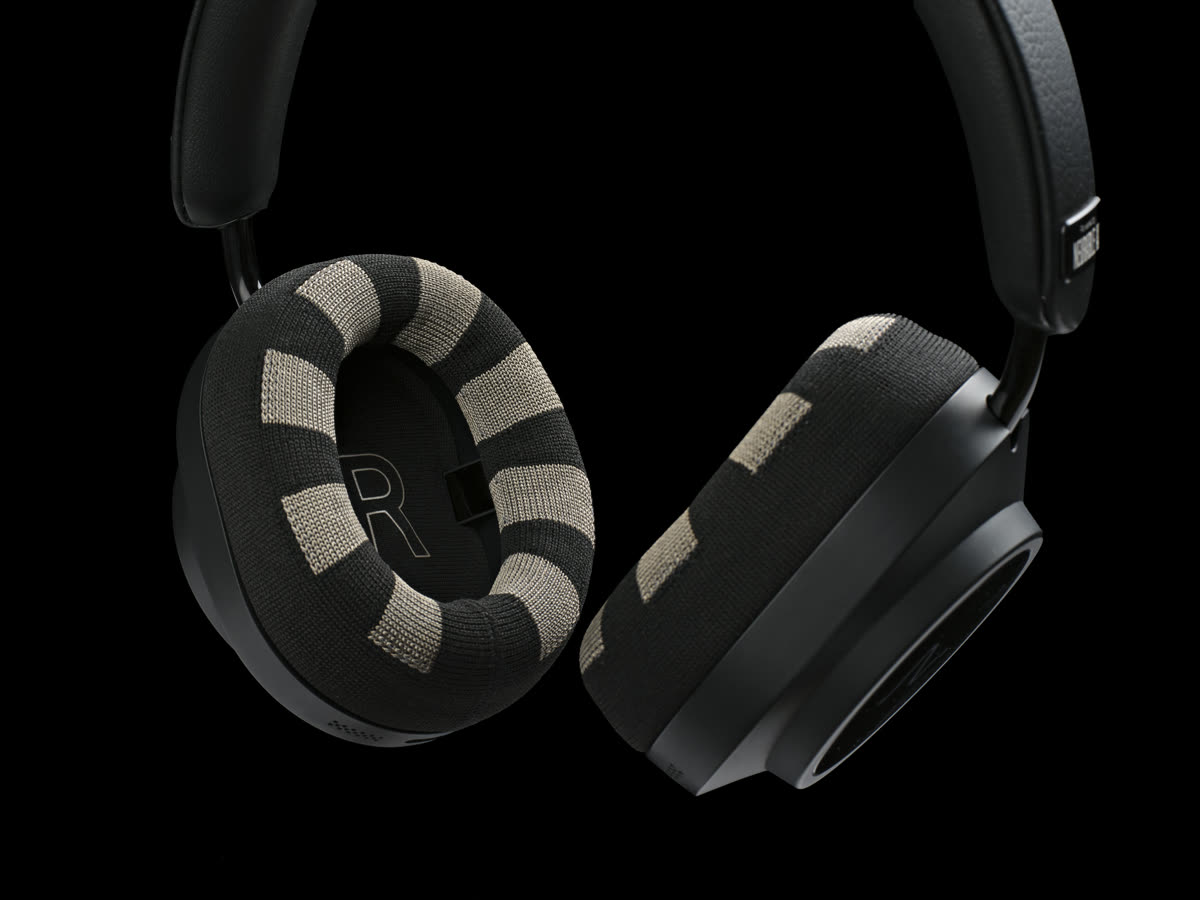
Perhaps the most followed company in this category is Neurable. Founded in 2015, the company has spent over a decade developing EEG technology for everyday devices. In October 2026, it launched the $499 Neurable One, its first independently developed headphones. Twelve EEG sensors embedded in the ear cushions record brain activity, which its software translates into eight cognitive metrics, including focus, mental fatigue, and processing speed. The company has started shipping its first orders.
Another established player is Emotiv, which markets $399 MN8 wireless EEG earbuds. The device uses two EEG channels positioned inside the ear canals to monitor cognitive activity while users listen to music, work, or go about their day. Its companion app tracks changes in focus, stress, and cognitive workload. Emotiv also provides software tools for developers interested in building EEG-enabled applications.
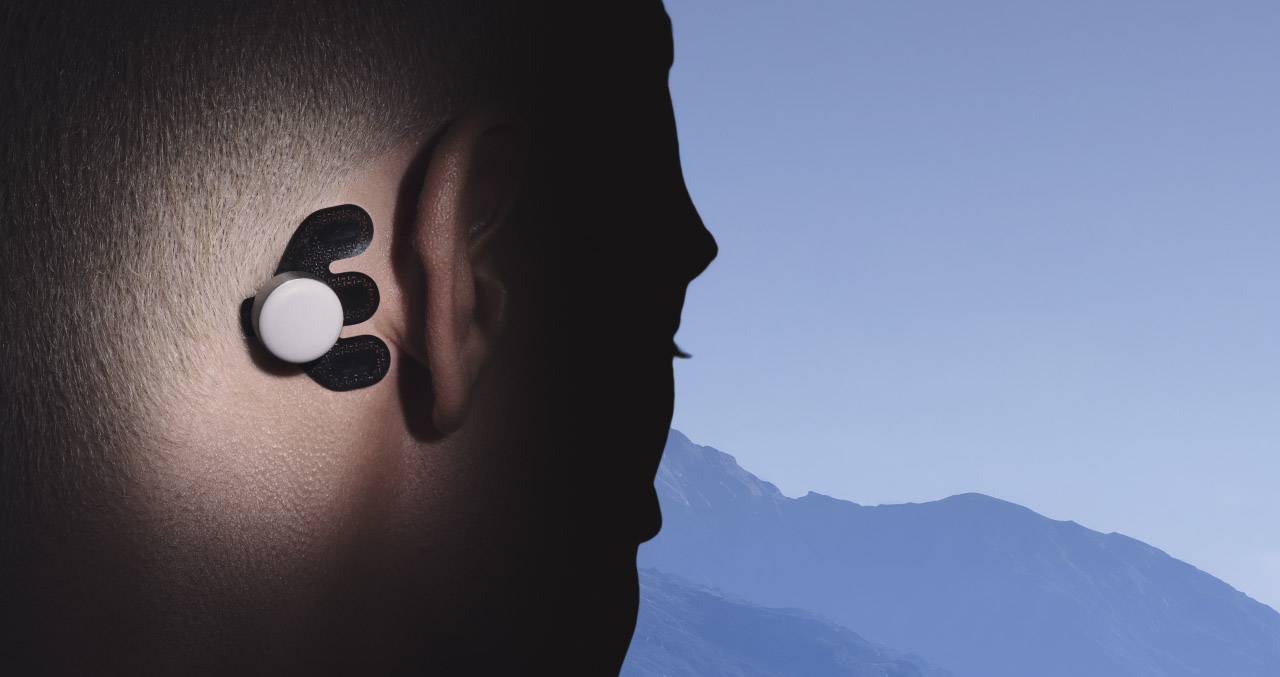
A newer entrant is Atlas, which focuses on cognitive performance during physical activity. Its $499 Atlas 1.0 comes in the form of a small behind-the-ear patch that combines EEG with motion and skin-conductance sensors. The device translates these signals into three scores of presence, stress, and mental effort, somewhat reminiscent of the scores offered by fitness trackers like Whoop and Oura. Atlas' first consumer batch is sold out, with deliveries expected in early 2027.
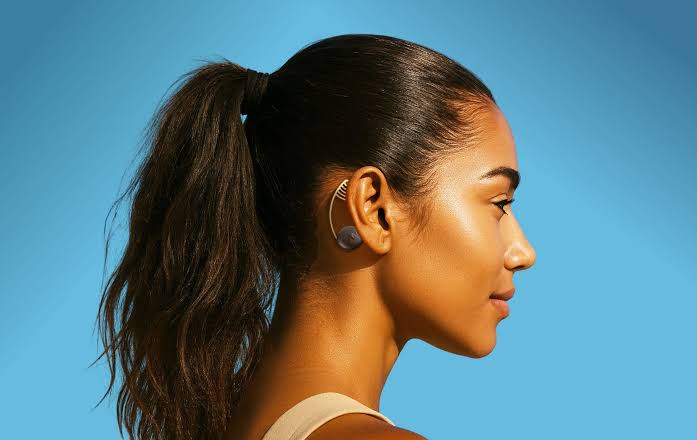
The most affordable option in the category comes from AWEAR. Its $195 beta device is a discreet, six-gram sensor worn behind the ear. It records single-channel EEG, translating signals into real-time estimates of mental strain, focus, and emotional balance. AWEAR currently offers an iOS companion app with free lifetime access for beta customers, although the adhesive patches need to be replaced every few days.
The list of EEG devices extends beyond consumer wellness products. A wide range of systems designed primarily for scientific research and brain-computer interface development can also be purchased by regular consumers. These devices generally offer more control over EEG recordings, including access to raw signals and software development tools. Emotiv returns in this category, offering the five-channel Insight 2 for $499 and the more advanced, 14-channel EPOC X for $1,199.
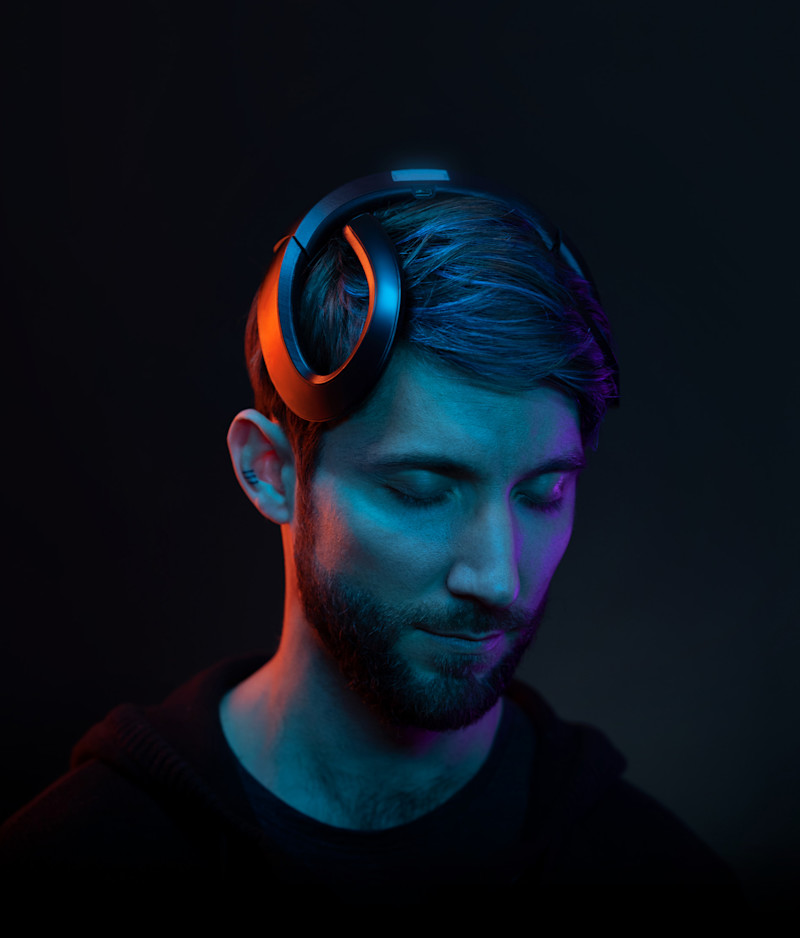
Another major name is OpenBCI, which develops modular, open-source EEG hardware for neuroscience research. Its eight-channel Cyton board costs $1,249 and can be expanded to 16 channels. Neurosity offers the more visually-pleasing $1,499 Crown, an eight-channel EEG headset combining cognitive tracking with raw signal access and developer tools.
Several other options span specialist BCI hardware and more affordable EEG devices. Austrian manufacturer g.tec offers an extensive range of EEG systems, including the eight-channel Unicorn Hybrid Black for around $1,200, designed for real-time BCI development. BrainAccess sells its cheapest, four-channel kit for €400, while NeuroSky offers the $129.99 MindWave Mobile 2, a single-channel headset aimed at education and introductory EEG experiments.
Produced with support from