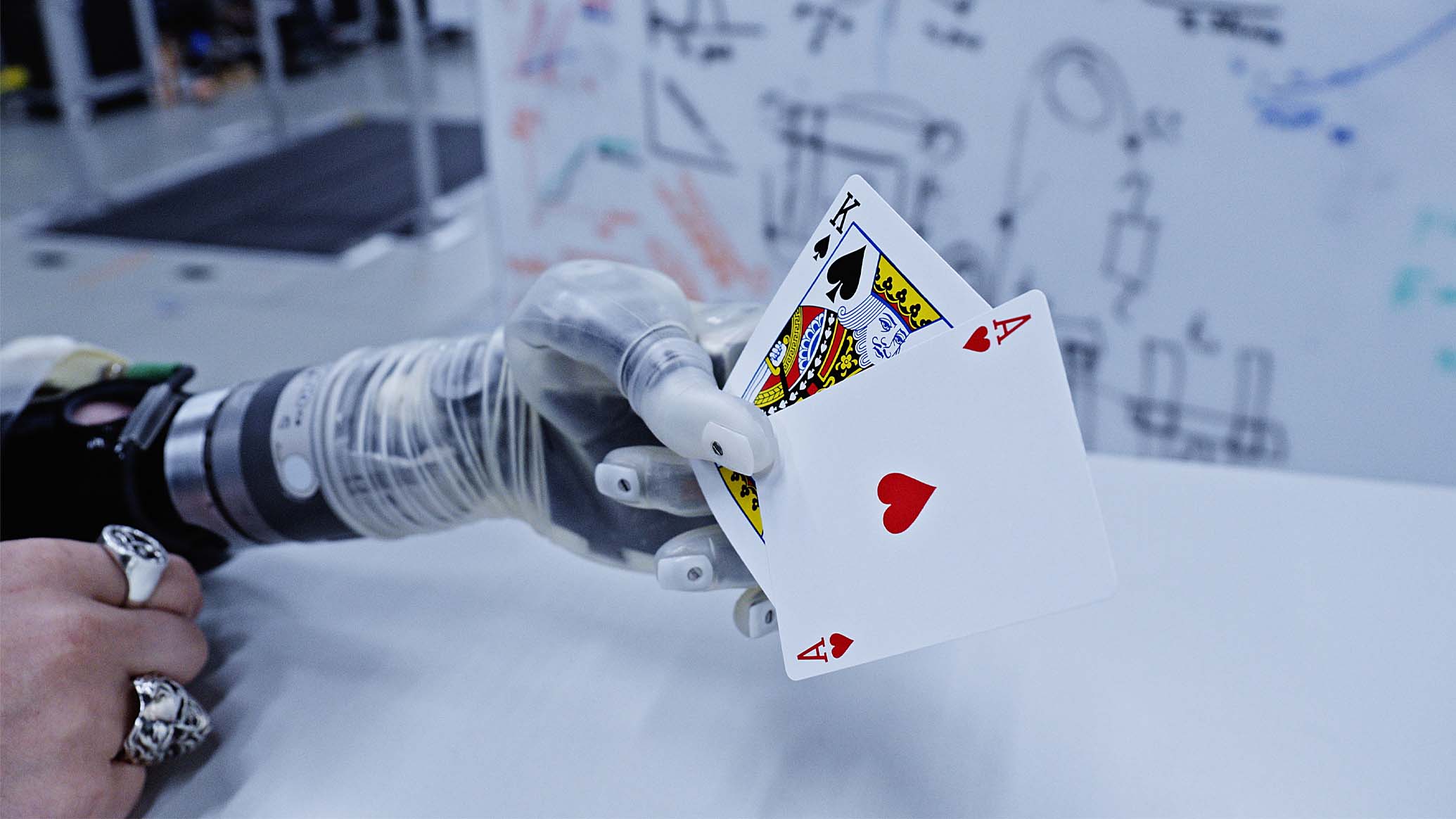
Advanced robotic hands can restore an increasing range of movements for people with upper-limb loss, but reliable control remains a challenge. Most powered prostheses use electrodes placed against the skin to detect activity in residual muscles, an approach sensitive to changes in electrode positioning and contact.
Phantom Neuro is developing Phantom X, an implanted muscle interface that translates intended movements to control robotic hands. On October 20, the company announced it had completed its first two human implantations in Australia. On the same day, CEO Connor Glass confirmed that Phantom is seeking approximately $30 million in Series B financing to advance clinical development and commercialization.
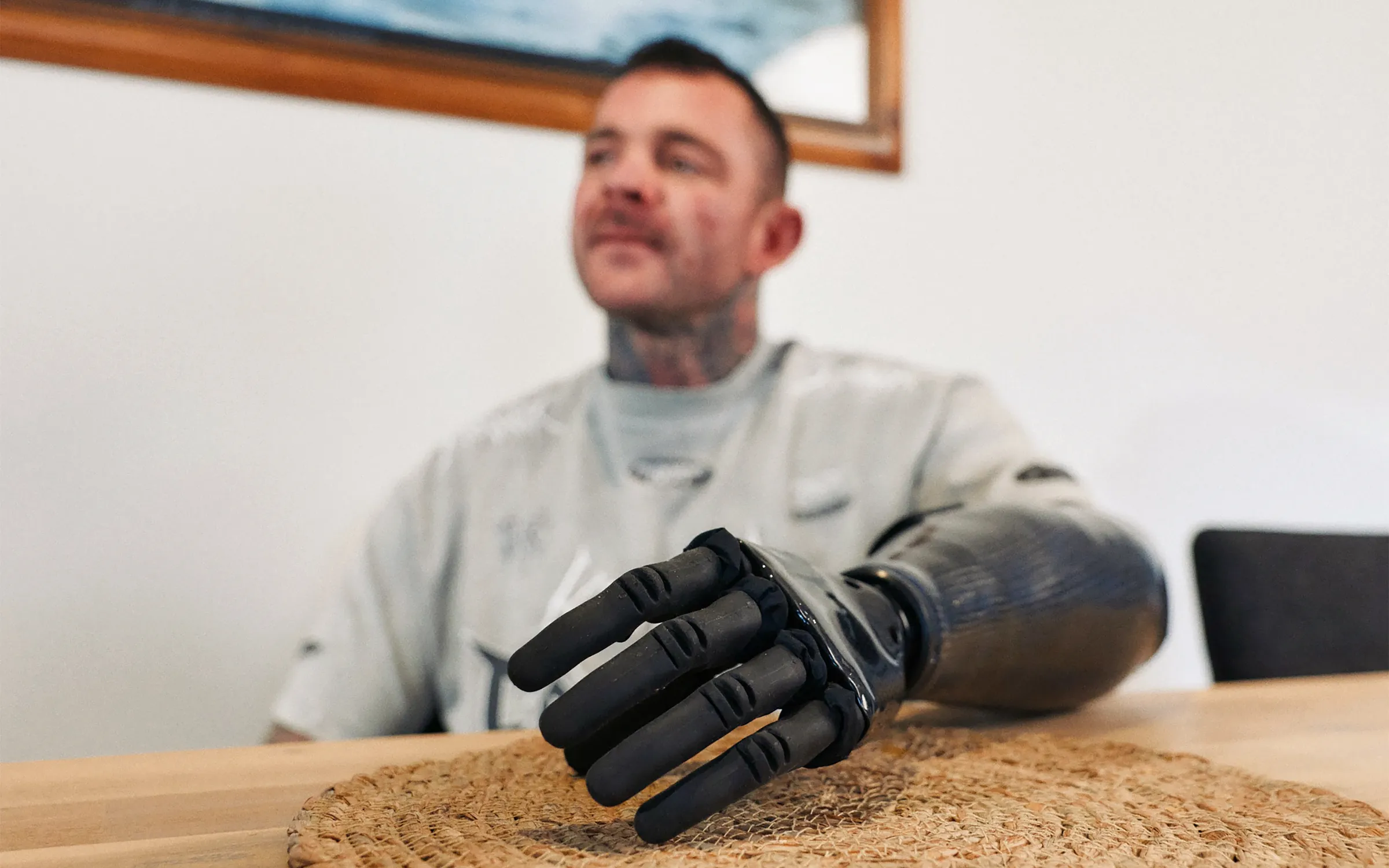
The first procedures were performed at Cabrini Health in Melbourne by plastic and reconstructive surgeon Dr. Michael Lo. The first participant, Michael Easy, received the implant in an outpatient procedure lasting approximately one hour. Neither implantation required general anesthesia, highlighting the relatively straightforward surgical approach.
The implantations are part of CYBORG, an early feasibility study approved earlier this year. CYBORG will enroll 10 people with below-elbow amputations to evaluate the safety, usability, and functional performance of Phantom X. After prosthetic fitting and rehabilitation, participants will be assessed for up to 21 weeks on hand control, signal quality, and daily use.
"This study is an opportunity to evaluate everything from the surgical procedure to the technology itself and how these innovations can impact participants' lives over time," explained Dr. Lo.
The implants follow a $19 million Series A closed in April 2025, which brought Phantom's total disclosed financing to $28 million. That round was led by German prosthetics manufacturer Ottobock, which also joined the company's board. The partnership could provide a route to integrating Phantom's interface with established prosthetic systems.
Phantom is now seeking another $30 million in Series B financing, Glass confirmed to Axios. The funding would support its planned US clinical trials, for which Glass told Forbes the company intends to work with the Department of Veterans Affairs and Department of Defense.

Phantom X builds on the ability of people with limb loss to retain motor commands for their missing limb. "Most people who have lost their limbs still have the ability to control their limbs, down to the individual fingers, in their mind's eye," explained Glass. Such attempted movements still activate muscles in the residual limb, producing signals that can be used to control a prosthesis.
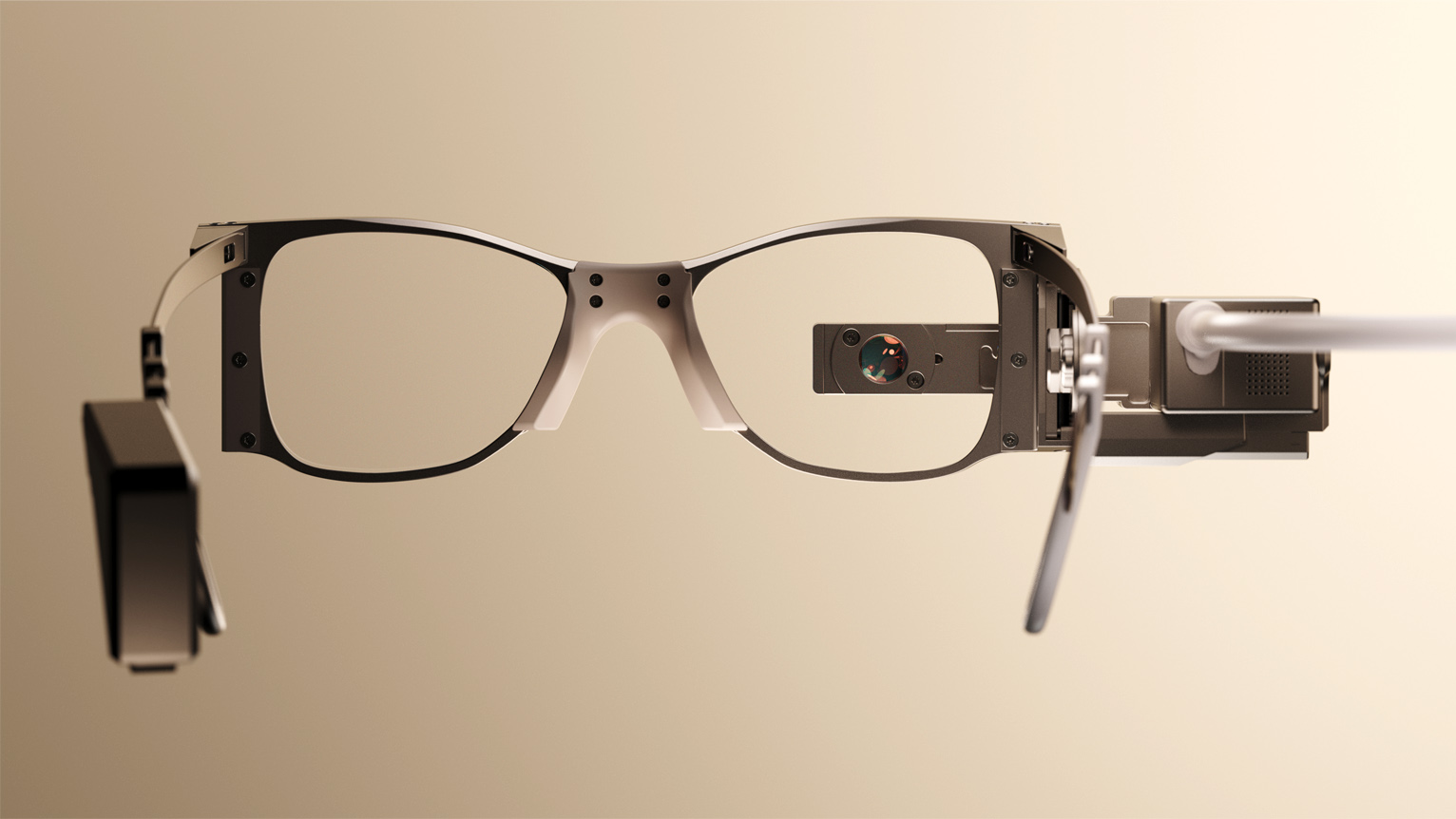
The implant consists of a flexible, 2-by-10-centimetre electrode array placed beneath the skin over the remaining muscles. It records electrical activity, which is transmitted wirelessly to an external interface and decoded into movement commands using machine learning.
Phantom previously tested its decoding approach non-invasively in the ASCENT study, published in August 2025. Eleven participants, including two with amputations, used a skin-mounted electrode array to control a stationary robotic hand across 11 gestures. Researchers reported 93.6% classifier accuracy and 89% correctly executed gestures. The study did not involve the implanted device, which is expected to produce more reliable output.
Glass told IEEE Spectrum that the implanted system has already produced strong and consistent muscle signals, potentially allowing calibration to remain stable for months. Quantitative performance results from the implants have yet to be published.
Produced with support from