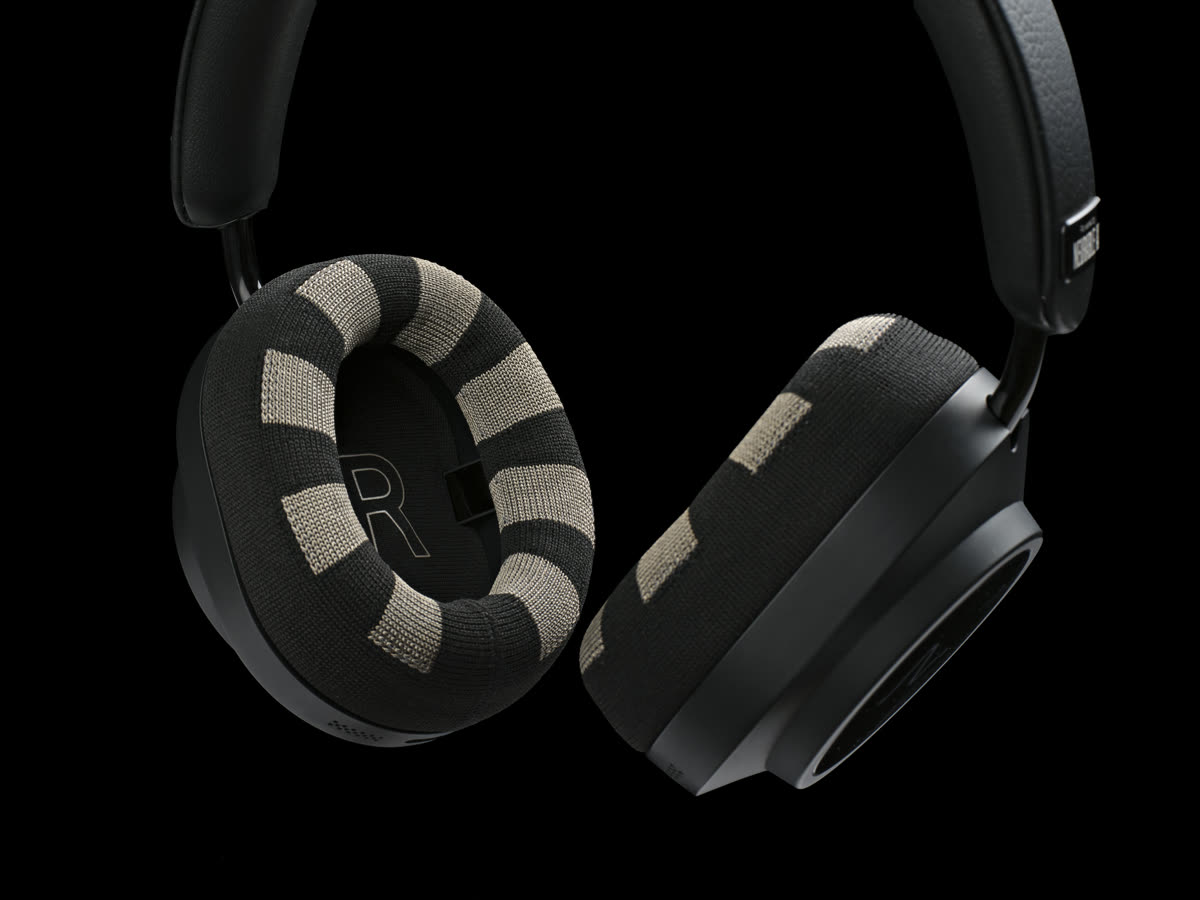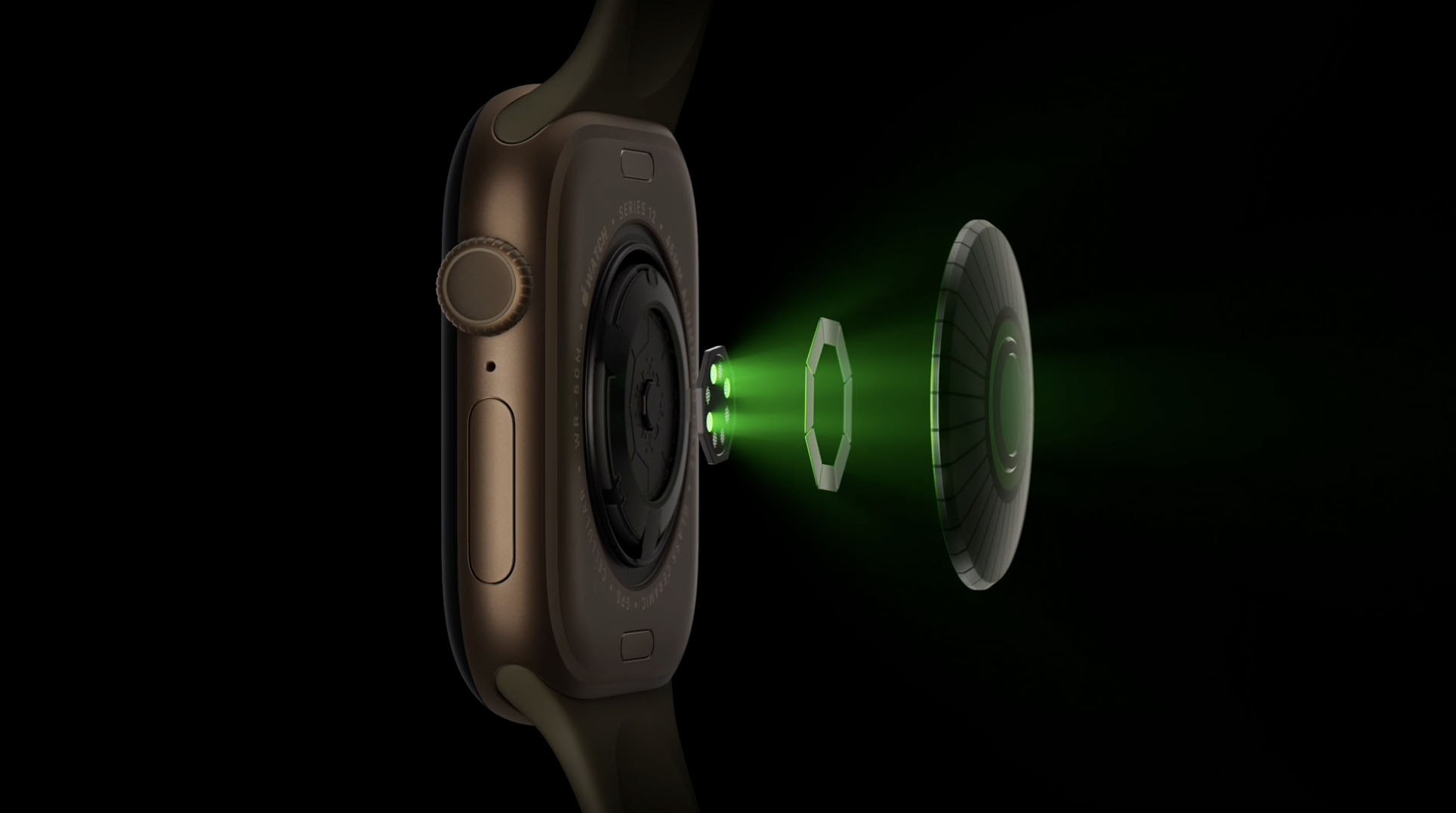
Most of what we call sleep tech measures everything around the brain rather than the brain itself. Rings, watches, and sleep buds lean on heart rate, motion, and temperature to interpret our nights, turning peripheral signals into best guesses about how deeply we slept or how recovered we feel. The most popular devices are worn by millions. Yet, current solutions represent a stack of polished dashboards built on proxy signals, with little direct access to the neural rhythms that truly define sleep.
NextSense, a Mountain View neurotech startup that spun out of Alphabet’s X “moonshot factory,” just raised an oversubscribed $16 million Series A to push a different route: in-ear EEG Smartbuds that record brain activity during sleep. The ambition is straightforward but bold: to turn a familiar audio form factor into clinical-grade sensing hardware, and use that signal to move sleep tracking closer to genuine brain measurement rather than its current layer of approximations.
Last week, NextSense closed an oversubscribed $16 million Series A round led by Ascension Ventures, with Satori Neuro and Corundum Neuroscience Fund joining the syndicate. The round also brought in several operators and advisors with backgrounds in neuroscience, digital health, and large-scale consumer tech platforms. Their presence signals confidence in the approach and the general idea of brain-sensing hardware maturing into a mainstream product category.
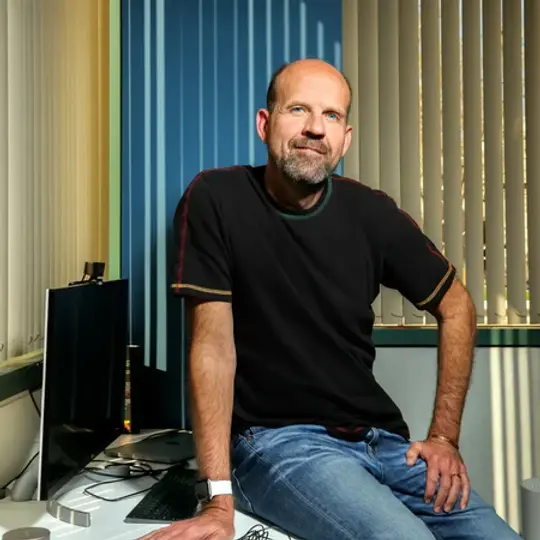
Founded in 2020 by Jonathan “JB” Berent, a former lead at Alphabet’s X, NextSense frames its mission as democratizing brain health in the way wearables once democratized heart and activity tracking. Internally, it talks less about audio and more about wearable EEG, treating the ear as an access point to neural signals and positioning its Smartbuds as a brain-sensing device that happens to deliver sound, rather than the other way around. JB's goal for NextSense is to bring science-backed brain health tools into daily life for people who will never set foot in a sleep lab.
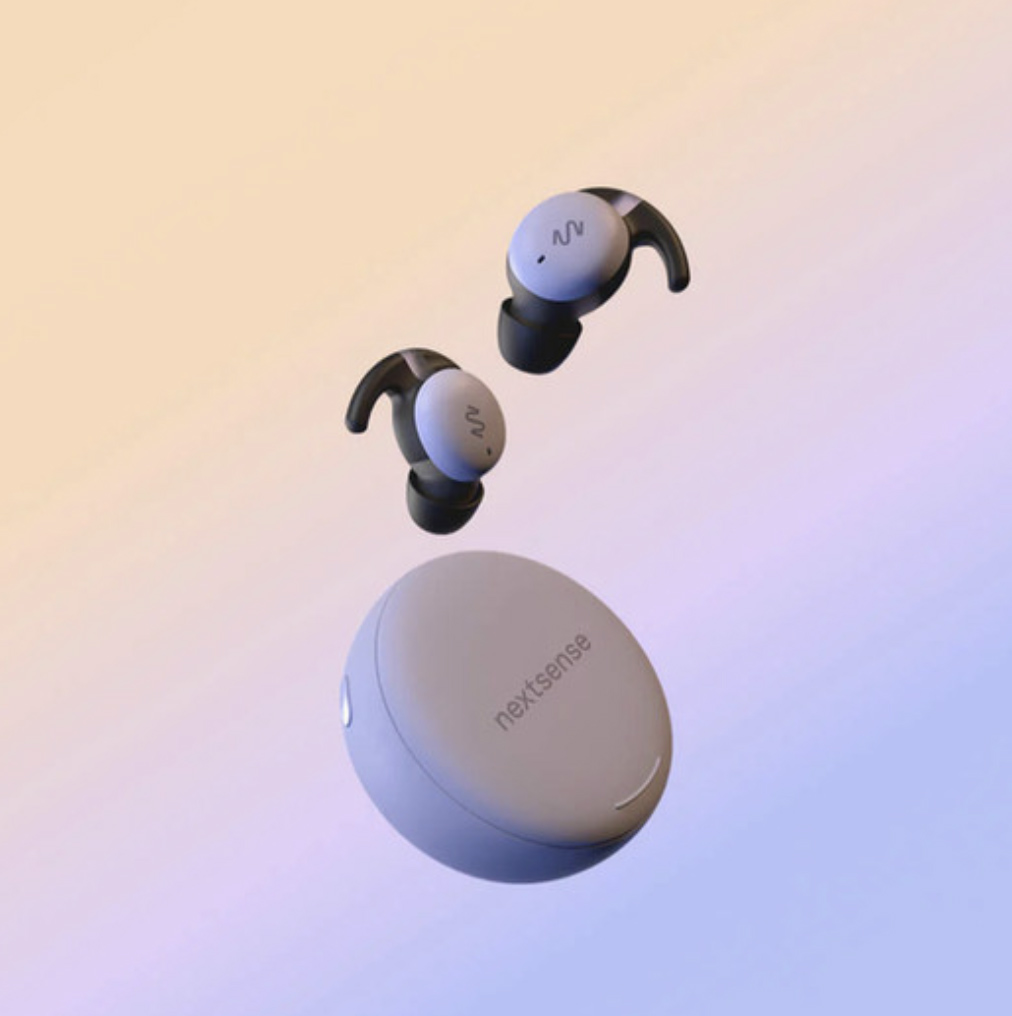
NextSense's principal product is their Smartbuds, a pair of wireless earbuds housing six clinical-grade EEG sensors inside the ear, alongside motion sensing and full-featured audio hardware. The buds are designed for all-night wear, capturing brain activity continuously while you sleep and feeding real-time data into algorithms that adjust audio for sleep and focus states.
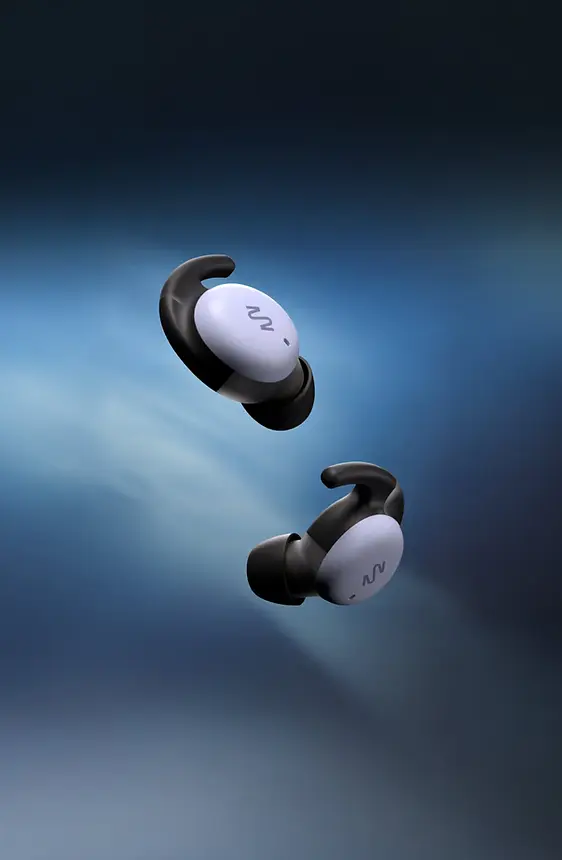
The earbuds are sold as a consumer product; pre-orders are listed at $399, with shipping planned for Q4 2025 and a “Fit Kit” subscription launched for regular tip and wing replacements. A companion app handles setup, visualizes sleep and focus metrics, and delivers the audio programs that sit on top of the signal.
Around that hardware-software stack, NextSense is making a specific set of claims. Smartbuds are promoted as capable of clinically accurate sleep staging using EEG. The company highlights a “Slow-Wave Boost” mode, in which targeted auditory stimulation during deep (N3) sleep is reported to increase slow-wave metrics by up to 50 percent in early users; figures that currently come from internal and early-trial data rather than peer-reviewed publications.
Roadmap materials also flag upcoming Relax and Focus modes that adapt audio in real time to calmer or more attentive brain states. The Series A capital is earmarked for the Q4 2025 commercial launch, scaling manufacturing and customer support, and expanding research partnerships with universities and pharmaceutical companies as NextSense prepares a longer path toward medical applications later in the decade.
The ear is a convenient place to listen to the brain. Inside the concha and canal, electrodes sit in relatively stable contact with skin, away from hair and sweat lines that plague scalp systems, and close to temporal regions that light up during sleep and auditory processing. From a user’s point of view, the ear also has a major advantage over most EEG form factors: people already tolerate having devices there for hours at a time.
In the neurotech wellness field, NextSense is carving out a specific niche in sleep and brain-measuring "earables". At one end sits a long tail of generic buds that focus on comfort, noise masking, and perhaps coarse tracking, but never access neural data. At the other end are headband-based EEG devices-Muse, Dreem, Somnee and others-that deliver more direct brain measures, but still should be considered as gear you put on for a session rather than a product you forget you’re wearing.
Parallel to both are research-oriented EEG earables and academic ear-EEG rigs that remain confined to trials and labs. NextSense is effectively trying to sit in the overlap: ear-based EEG with claims of clinical-grade fidelity, in a fully wireless, everyday form factor that doesn’t require you to change your bedtime rituals. The commercial structure reflects that ambition. Smartbuds are priced as a premium consumer device, with a one-time hardware purchase and a recurring “Fit Kit” subscription for replacement tips and wings, plus software features layered on top. On top of that hardware layer sit the sleep programs and, eventually, Relax and Focus experiences that turn raw EEG into something users can feel in their day-to-day routines.
In parallel, the company is clearly positioning the same stack for future regulated use: longer-term plans mention sleep disorders, neurology trials, and pharma collaborations, following a familiar “wellness first, medical later” ladder that many neurotech hardware companies are now trying to climb.
Yet, coverage around the round has made one point clear: capital doesn’t guarantee a category. NextSense still needs to carve out a lasting user base in a market where Oura, Whoop, Apple, and others already define how most people track their nights. The promise is that a more direct neural signal, delivered through a familiar earbud, can earn its own place in that ecosystem, but several questions will decide whether that holds.
The reported 50 percent boosts in slow-wave metrics remain early, company-side data that need independent, peer-reviewed validation. Adherence is unproven: overnight earbuds are a higher-friction habit than passive rings or watches. And as Smartbuds approach medical territory, regulatory status, data governance, and long-term handling of EEG recordings will move to the foreground. NextSense Series A capital will prove whether ear-EEG establishes itself as a real platform rather than a brief detour in the sleep tech stack.
[Image credit: NextSense]
.svg)