

Asthma is not the most obvious candidate for neuromodulation. The chronic respiratory condition affects about 300 million people worldwide and is traditionally treated with inhaled corticosteroids, bronchodilators, and, in severe cases, biologic therapies. Yet some patients remain symptomatic despite these treatments, raising interest in the nervous system as an additional therapeutic target.
On October 12, Spiro Medical announced it has treated its first patient in PULSAR, a US feasibility study of implanted spinal cord stimulation for severe asthma. The California-based company is developing a system designed to modulate neural pathways involved in airway function. The trial follows preliminary findings from a first-in-human and a $67 million Series A completed in January.
The FDA-authorized PULSAR study evaluates Spiro's Pulmonary Neuromodulation (PNM) approach. PNM applies targeted spinal nerve stimulation to influence muscles involved in respiratory function. PULSAR will recruit patients with moderate to severe uncontrolled asthma who remain symptomatic despite optimized pharmaceutical treatment.
PULSAR will enroll up to 30 patients across three to five US sites in a randomized, controlled study. All participants receive an implant. One group begins stimulation immediately, the other after 90 days. Spiro will study the proportion of patients that achieve well-controlled asthma symptoms after three months, with follow-up continuing through six months.
The approach builds on a first-in-human study published in 2025. Researchers reported an average 88% reduction in asthma medication use over 12 months, with all eleven participants achieving well-controlled asthma scores. However, the study was small and uncontrolled; participants were selected following a positive initial response to stimulation.
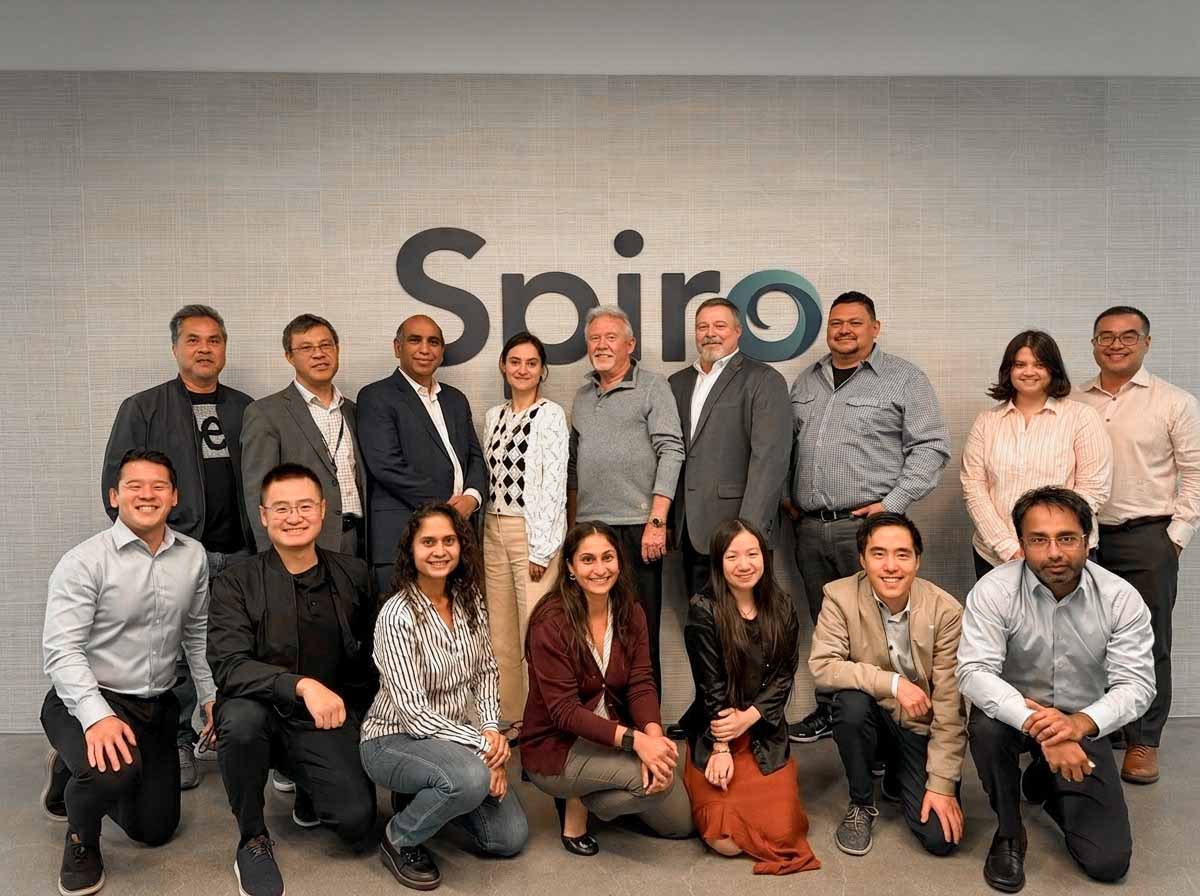
Spiro was founded by Stephen Pyles, Kurt Gehlsen, Rinda Sama, and G. Jay Jiang. In January 2026, the company raised $67 million in Series A financing, led by Andera Partners, Omega Funds, and Sherpa Healthcare Partners. The funding supports development of its implantable system and further clinical studies toward US regulatory approval.
The autonomic nervous system plays an important role in regulating airway function. Parasympathetic nerves control bronchial smooth muscle contraction and mucus secretion, while sensory pathways contribute to airway reflexes and inflammation. This creates a possible entry for neuromodulation as a treatment for respiratory disorders.
Another example is Nuvaira, which has developed a catheter-based system that uses radiofrequency energy to disrupt pulmonary nerve signaling. The company has primarily investigated the approach in COPD, alongside early research involving two severe asthma patients. However, its AIRFLOW-3 trial, involving 388 COPD patients, failed to meet its primary endpoint.
For Spiro, the potential market centers on patients with severe asthma who remain uncontrolled despite existing treatments. The Global Initiative for Asthma estimates that 3.7% of patients have severe asthma. Spiro itself estimates that 5-10% of patients have severe symptoms. A smaller subset remains symptomatic despite optimized pharmaceutical treatment, creating a large potential patient population for implantable therapy.
The commercial opportunity is also substantial given the cost of existing therapies. Amgen's Tezspire generated $1.48 billion in 2025, while GSK's Nucala reached £2 billion.
Produced with support from

%20copy.jpg)





.svg)

