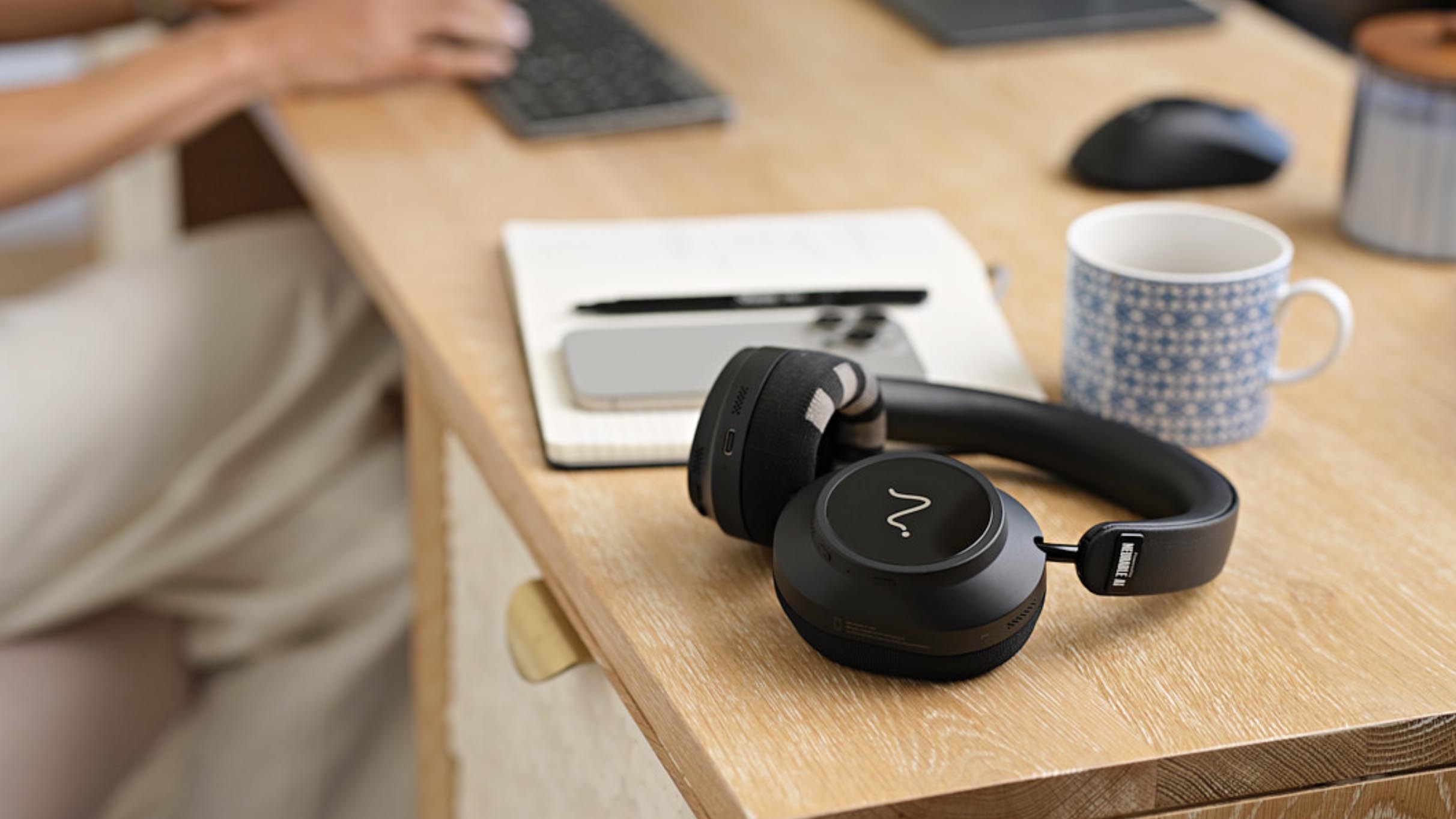
Neurable has been one of the most prominent companies pushing EEG into everyday consumer products. Over the last decade, the Boston-based startup has developed several generations of brain-sensing headphones, including with Master & Dynamic. Today, Neurable is taking the next step with One, its first standalone EEG headphones.
Priced at $499, Neurable’s One embeds 12 dry EEG sensors into the ear cushions to measure electrical brain activity during normal use. The signals feed into an accompanying app, where users can track measures including Focus, Brain Battery, Stress, Sleepiness, Brain Age, and Alpha Peak Frequency.
The launch follows a $35 million Series A in December 2025 and an expansion into an OEM licensing model earlier this year. It also arrives as a new generation of EEG wearables, from headphones to behind-the-ear devices, pushes brain sensing further into everyday life.
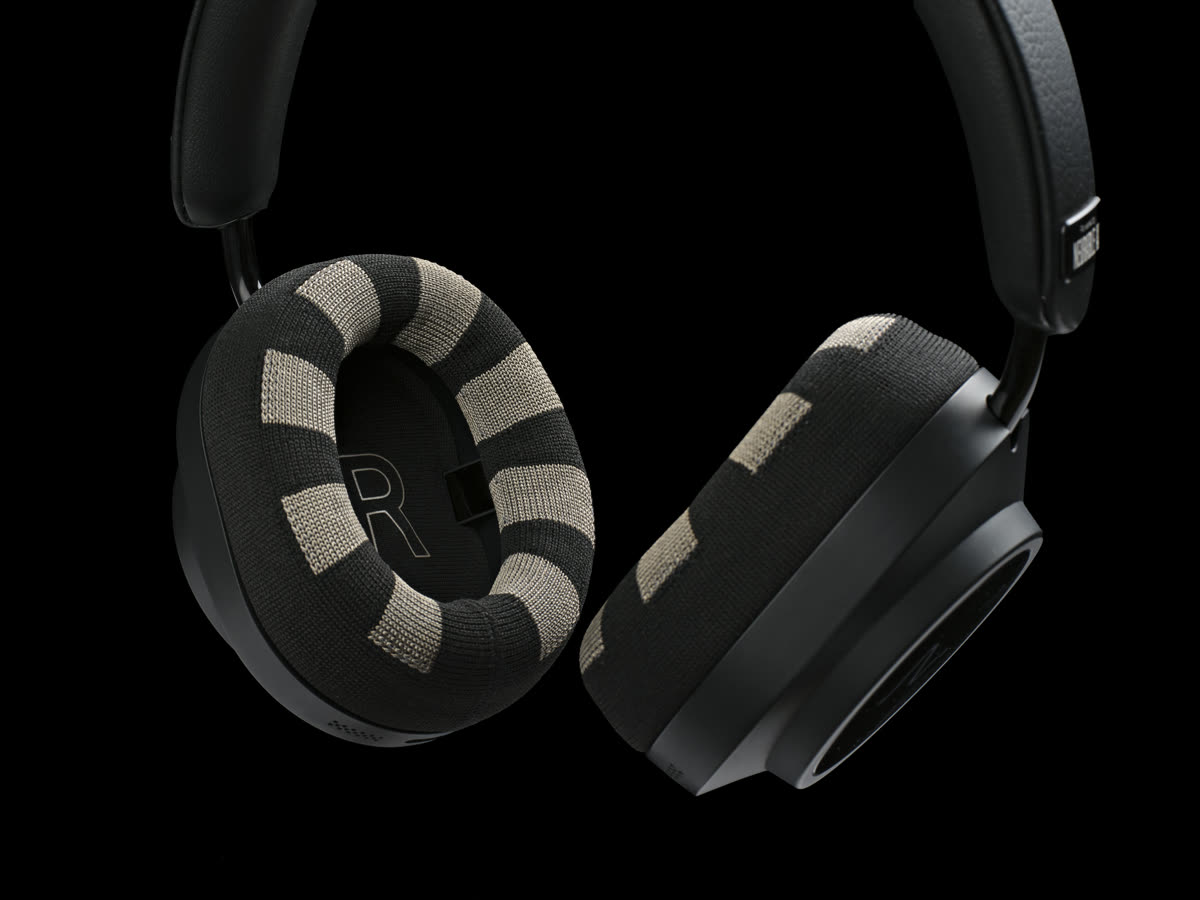
Neurable One builds on the same approach as the company’s earlier headphones, placing EEG sensors around the ear to capture electrical activity during normal use. Twelve dry sensors are woven directly into the ear cushions, six on each side, recording at 125 Hz.
Around them, Neurable built a conventional premium headphone with 40 mm beryllium drivers, active noise cancellation, six microphones, and up to 22 hours of audio battery life. Battery life falls to 12 hours when EEG is running.
The balance between the headphone and the sensing layer is central to the product design. “If these weren't great headphones, nobody would wear them long enough for the brain data to matter,” CEO Ramses Alcaide writes.
The sensors are integrated into the patterned fabric of the cushions, keeping the sensing hardware invisible during use. Neurable has also taken greater control over that integration with One, which Alcaide describes as the first product the company has designed, built, and is shipping itself. “We control the sensors, so we get better readings,” he states.
The accompanying app turns those recordings into eight measures: Brain Age, Brain Battery, Speed, Focus, Load, Stress, Sleepiness, and Alpha Peak Frequency. Users can begin with a one-minute eyes-closed check-in, then run focus sessions where the app tracks attention in real time.
If focus starts to drift, the audio can change to nudge the user back, while the system can recommend a break as signs of fatigue increase. Brain Battery and Alpha Peak Frequency are new to One, with the latter tracking the user’s strongest resting alpha rhythm.
Neurable is also pushing the experience toward longitudinal tracking. Each use contributes data to a personal record, with weekly and monthly reports intended to show how the measures change as habits and routines evolve.
The underlying EEG stack has undergone several rounds of validation. In a 2021 study using an earlier Enten prototype, Neurable collected data from 132 participants across 337 sessions. Its focus algorithm accurately detected 80% ± 4.1% of experimentally introduced distractions. The system was later evaluated in an Air Force Research Laboratory-funded study involving several cognitive tasks performed over two days.
The launch follows a broader shift inside Neurable. After bringing its technology to market through Master & Dynamic, the company raised a $35 million Series A last year and expanded into an OEM licensing model in April. That platform now offers other manufacturers Neurable’s sensors, signal processing, software, and reference designs for integration into their own products.
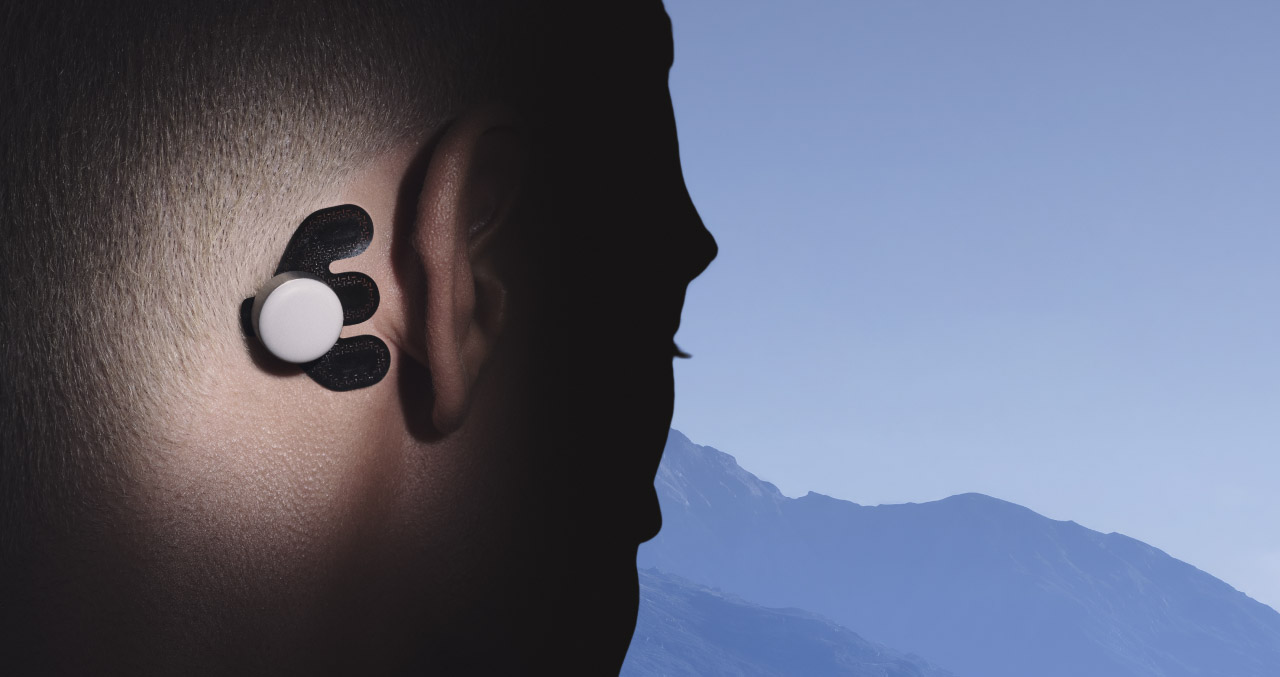
That push is happening alongside renewed activity across consumer EEG. Last month, Atlas opened pre-orders for its $499 Atlas 1.0, an ultra-lightweight wearable placed behind the ear. It combines EEG with motion, skin conductance, and voice-vibration sensing to track three simplified measures, Presence, Stress, and Energy Burn, throughout everyday life.
The two companies are taking different routes towards introducing the brain’s version of a health tracker. Neurable embeds EEG into headphones that many people already wear throughout the day. Atlas is shrinking the brain sensor enough to make continuous wear plausible, even during exercise.
Both are moving beyond short EEG sessions toward the model established by wearables such as Oura and WHOOP, where value comes from longitudinal data, personal baselines, and tracking how habits shape physiology over time. However, consumer EEG still needs to prove that those metrics are useful, actionable, and sustainable over time.
.svg)