Deep brain stimulation (DBS) is among the most established neurotechnology modalities. And while the field is advancing through adaptive stimulation and new clinical indications, the rigid design of implanted electrodes has changed little. At Lund University in Sweden, researchers have spent nearly two decades developing ultrathin, flexible microelectrodes designed to improve stimulation precision and compatibility with brain tissue.
Last week, Lund University announced that its high-definition brain stimulation (HDBS) technology will enter human testing for the first time. The study will recruit up to 12 patients with Parkinson's disease or essential tremor, using clusters of 30 microelectrodes to deliver highly localized stimulation. Initially, the electrodes will be implanted temporarily, during conventional DBS surgery. Permanent implantation remains a longer-term objective.
Even a submillimeter difference in electrode placement can determine whether DBS relieves symptoms or causes side effects. Lund's HDBS therefore combines 30 individually selectable microelectrodes, allowing for hyper-precise stimulation. But challenges do not stop there.
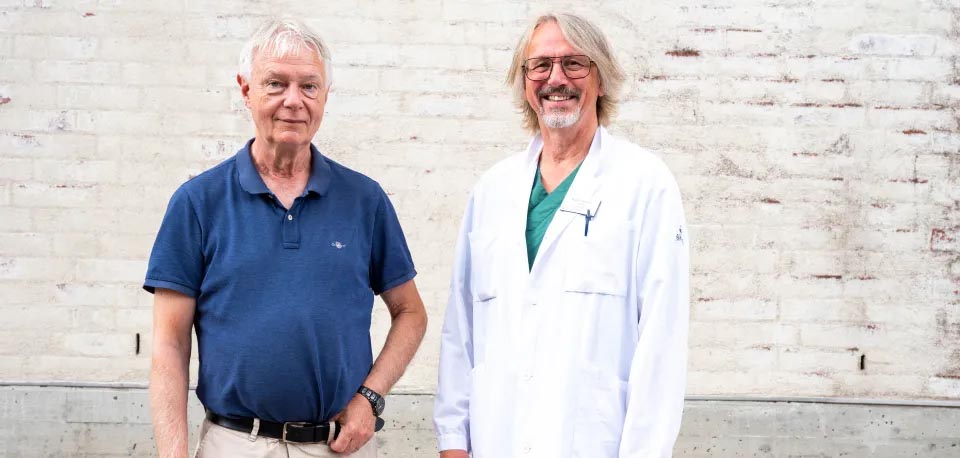
“Electrodes inserted into brain tissue often cause localised loss of nerve cells and inflammation, which can lead to scar tissue that may in turn reduce the effectiveness of DBS,” says Lund professor Jens Schouenborg. “It’s these problems that we now want to tackle.”
The new study, conducted under supervision of neurosurgeon Hjalmar Bjartmarz at Skåne University Hospital, will evaluate whether HDBS can achieve therapeutic effects with fewer unwanted responses. The 12 participants will already be scheduled for conventional DBS surgery.
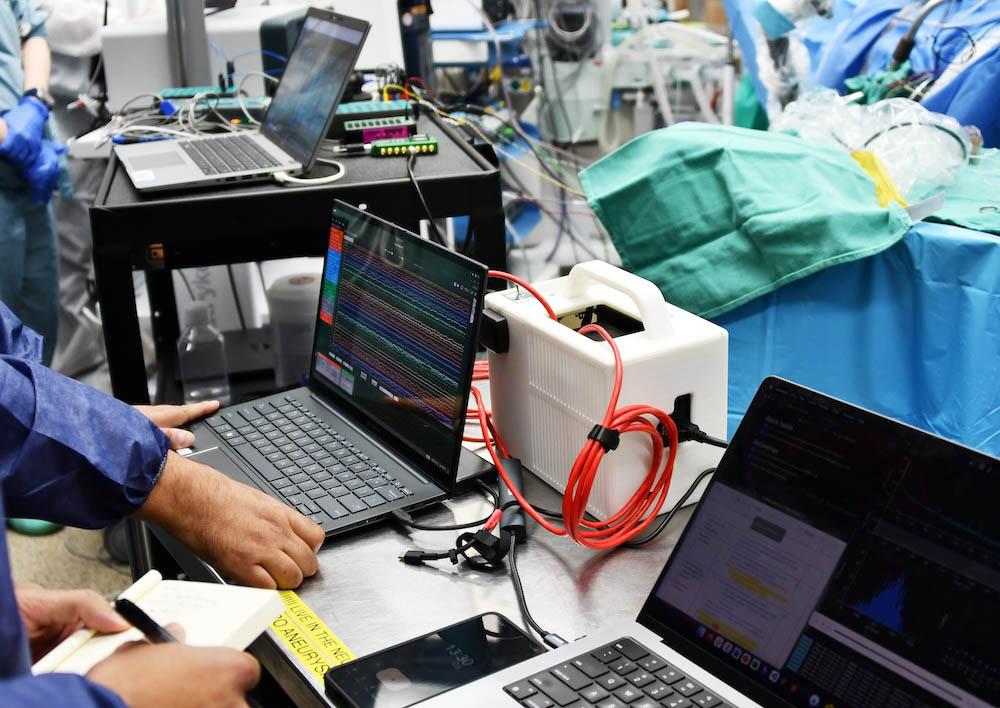
During surgery, the HDBS cluster will be inserted after which the researchers will stimulate different groups of microelectrodes at up to four depths, recording changes in tremor, rigidity, and potential side effects. The evaluation takes up to 2.5 hours, after which the experimental electrodes are removed, and the conventional DBS implant is placed.
By recording how different regions respond to stimulation, the research team also wants to build a three-dimensional map that can guide the positioning of permanent DBS systems.
Materials science is becoming increasingly important in neurotech. Several companies are actively exploring alternatives to conventional electrode leads, including Axoft with its bio-inspired polymers, Neurosoft Bioelectronics with stretchable electrode arrays, and INBRAIN Neuroelectronics with graphene-based interfaces.
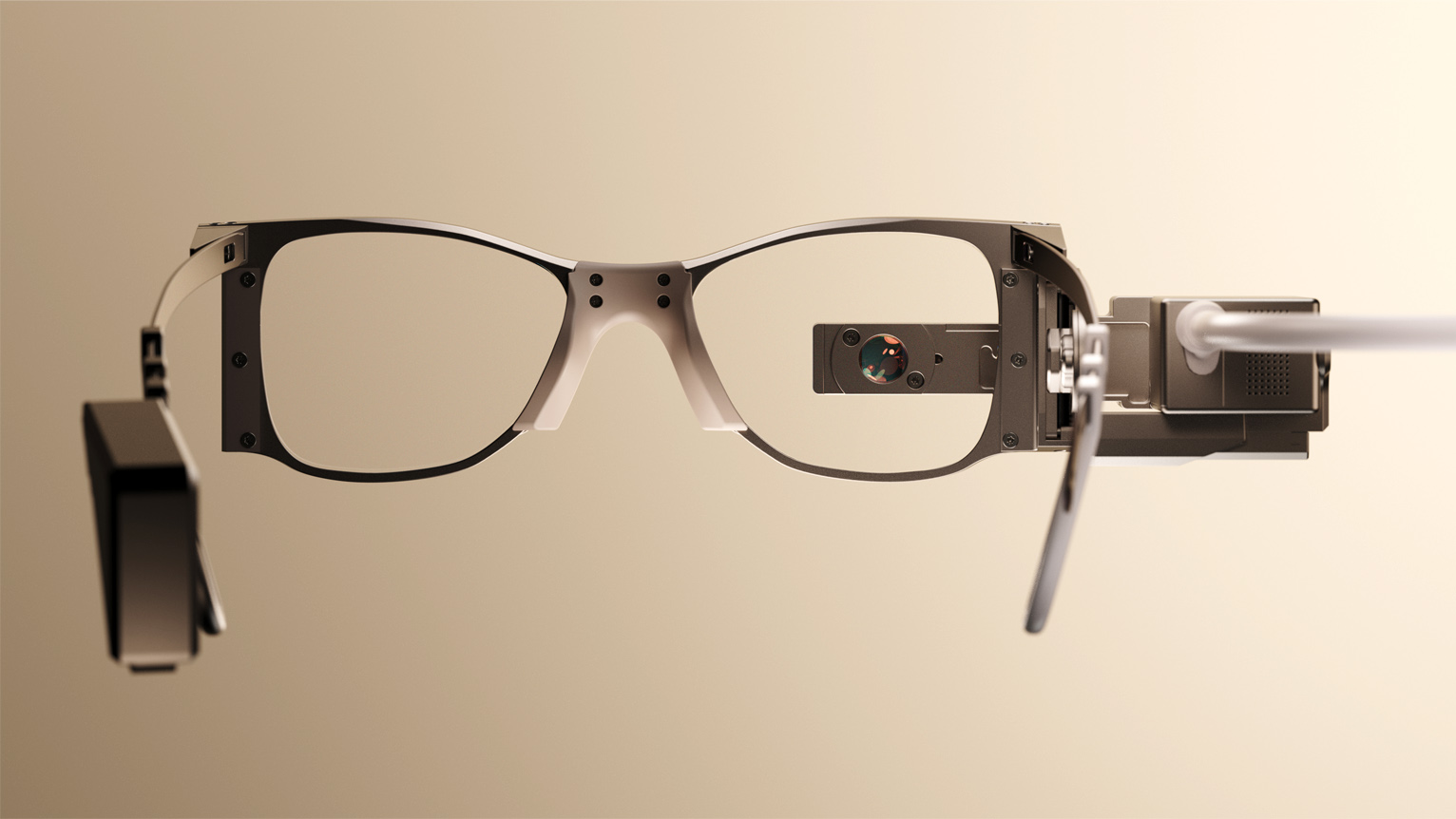
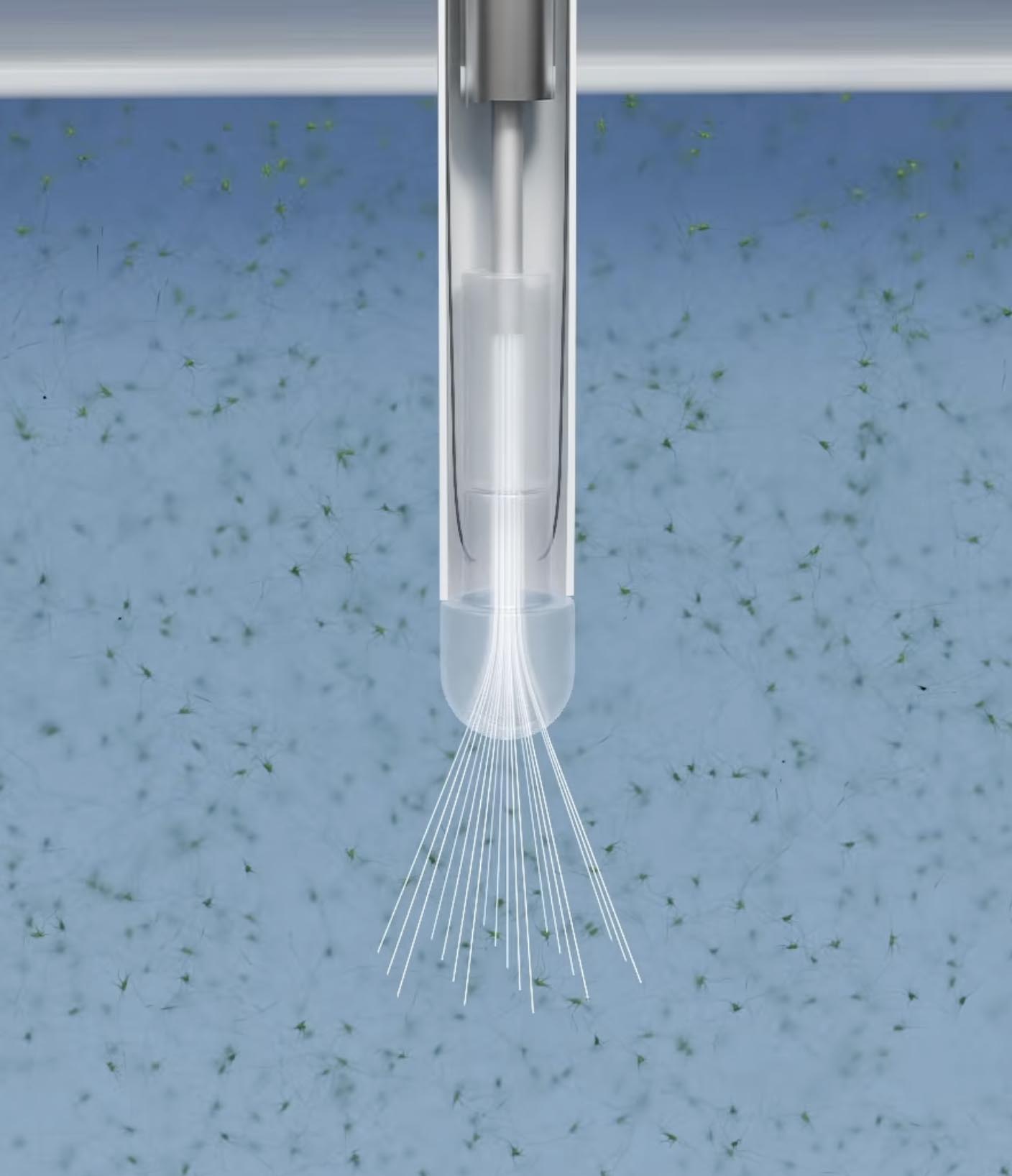
Lund's approach arranges 30 ultrathin microelectrodes in a three-dimensional cluster, allowing researchers to stimulate different locations within the target region. Because the wires are too flexible to insert independently, they are supported by a temporary gelatin carrier that dissolves after implantation. The technique has been under development since 2010.
The team has already investigated the technology in preclinical stimulation studies. In a 2022 study involving five Parkinsonian rats, researchers identified combinations of three to four microelectrodes that improved movement without noticeable side effects. Other combinations produced abnormal movements.
The development comes alongside broader advances in DBS. Directional electrodes from manufacturers like Medtronic and Boston Scientific use segmented contacts to steer electrical stimulation toward specific brain regions. Meanwhile, newer adaptive DBS systems adjust stimulation based on recorded brain activity.
Produced with support from