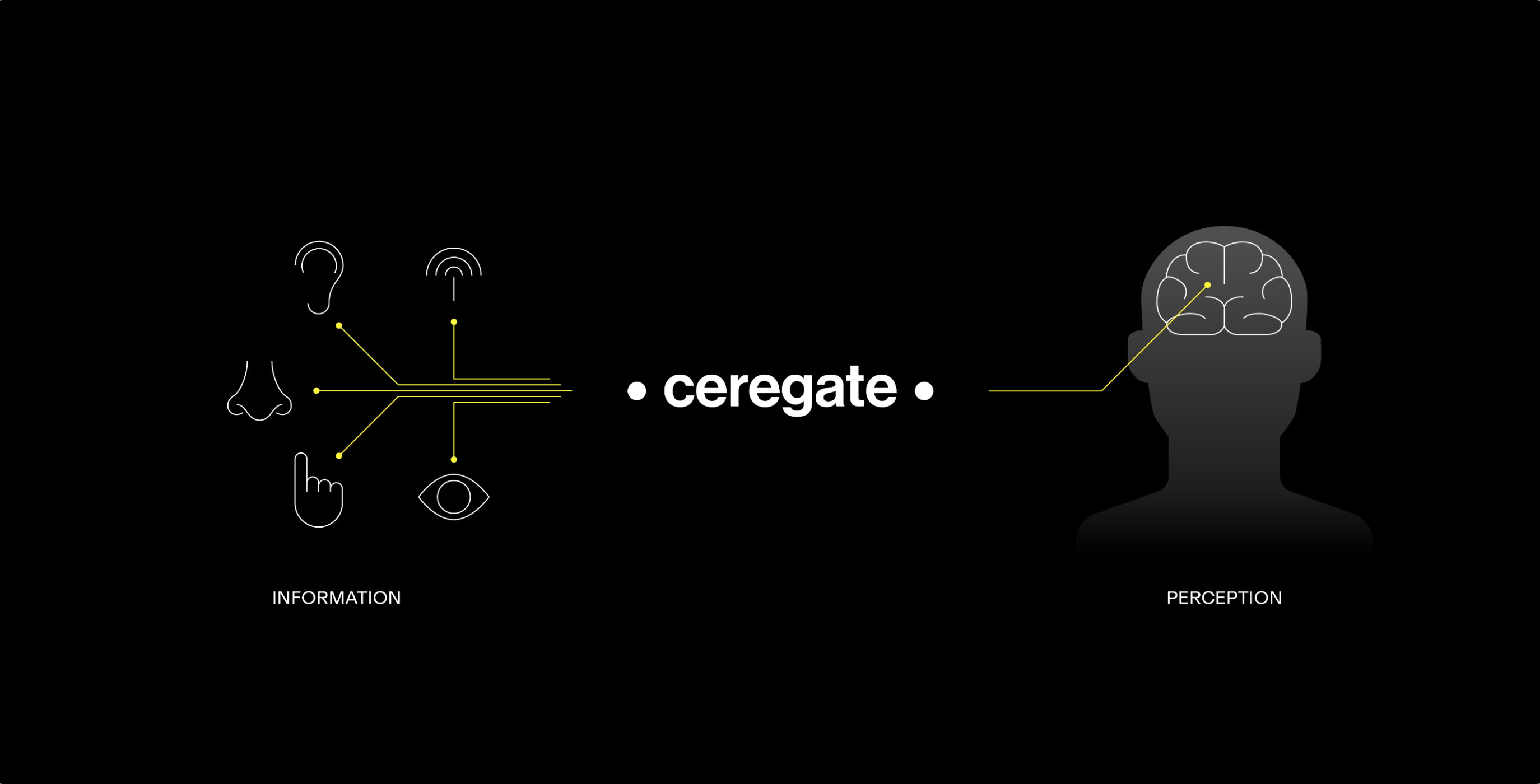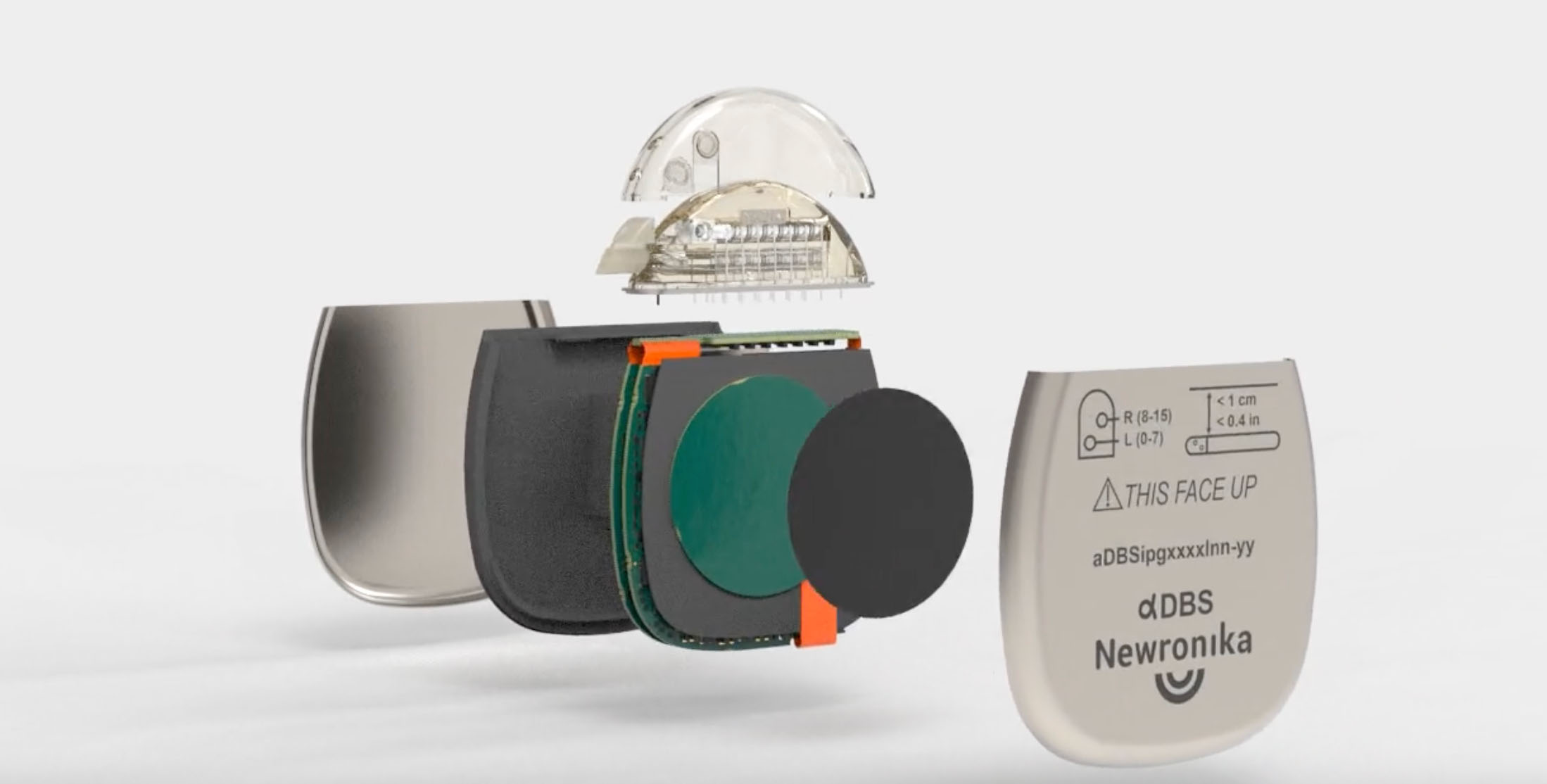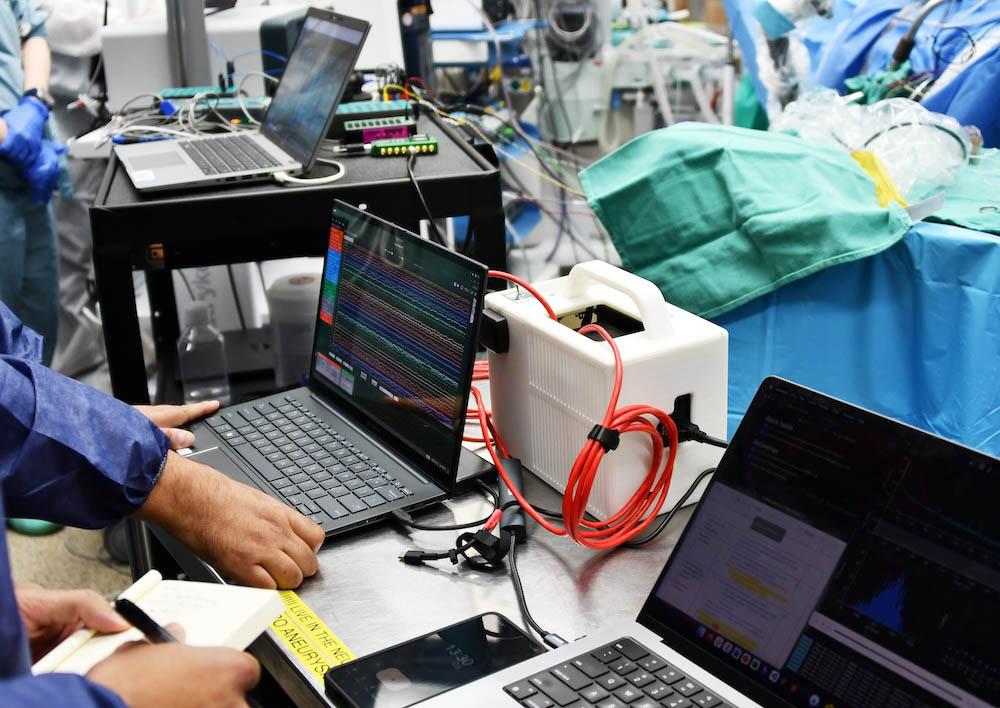
While most BCI companies implant hardware in the brain to decode neural activity, German startup CereGate moves in the opposite direction. Its PORTA software uses existing DBS implants to transmit external information into the nervous system, an approach the company calls a computer-brain interface (CBI).
On October 14, CereGate announced an oversubscribed Series C led by an unnamed US-based medtech company. The funding will primarily support FOG-LIGHTS, its clinical program targeting freezing of gait in Parkinson's disease. The therapy uses Boston Scientific DBS systems to deliver rhythmic sensory cues to improve walking. CereGate is also exploring applications in balance disorders and sensory restoration.
The Series C amount and valuation were not disclosed. Alongside the unnamed strategic lead, Budapest-based Impact Ventures joined as a new investor, with existing shareholders also participating. CereGate's earlier backers include 468 Capital, re.Mind Capital, Heal Capital, HTGF, and TruVenturo.
The financing comes just over a year after Matthias Puls took over as CEO, succeeding founder Bálint Várkuti, who remains on the advisory board. “The round allows us to take our therapy through the clinical work that matters most, in an indication where few options remain once medication and standard stimulation stop working,” Puls said in the funding announcement.
Founded in Munich in 2019, CereGate builds around a mission to use existing neurostimulation implants to move information into the nervous system. Following its 2020 Series A, Várkuti said that CereGate “[has] everything in place to rethink the way we treat the role of external information in neurological therapy.”
The company reported an initial human proof-of-concept study involving more than 15 patients before its 2020 Series A, followed by additional financing in 2022. Since then, CereGate has published research demonstrating information transmission through existing spinal cord stimulators and launched its ongoing FOG-LIGHTS clinical study in Parkinson's disease.
CereGate's technology builds on the ability of electrical stimulation to produce sensations that patients can perceive. By adjusting stimulation parameters, its software can generate distinct patterns of tingling or other sensory signals.
For Parkinson's disease, CereGate uses this approach to deliver cues intended to help patients overcome freezing of gait episodes, in which walking suddenly stops despite the intention to move. Similar cueing techniques, such as using rhythmic sounds and visual markers, are already used in Parkinson's rehabilitation.
CereGate's ongoing FOG-LIGHTS study will enroll up to 41 patients with existing DBS implants across up to eight US sites. Participants receive the additional stimulation therapy for approximately 60 days. Researchers will measure changes in gait irregularity using wearable motion sensors.
CereGate has published two earlier studies supporting its underlying technology. A 2024 study in Brain Stimulation established functional interfaces in 18 of 20 spinal cord stimulation patients, enabling them to interpret rhythmic patterns, Morse code, and body-position information.
Another study in Frontiers in Neurology used data from 10 DBS patients to develop machine-learning models that predict stimulation-induced sensations.
Produced with support from