

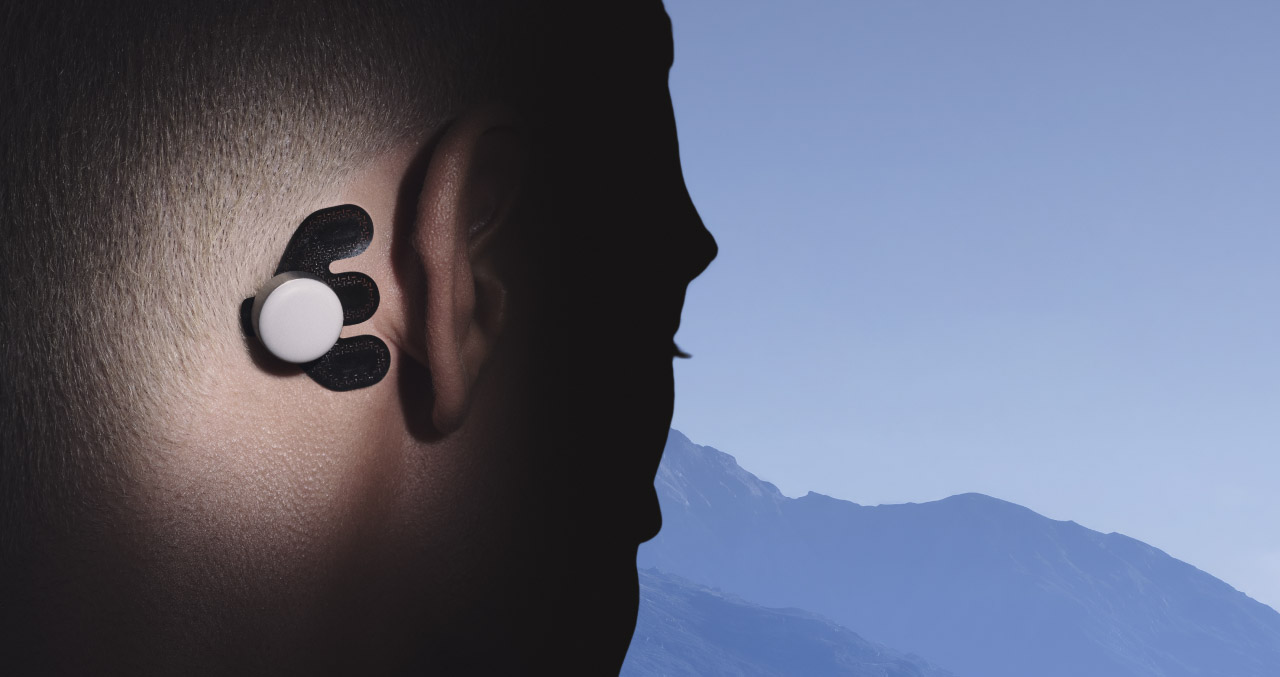
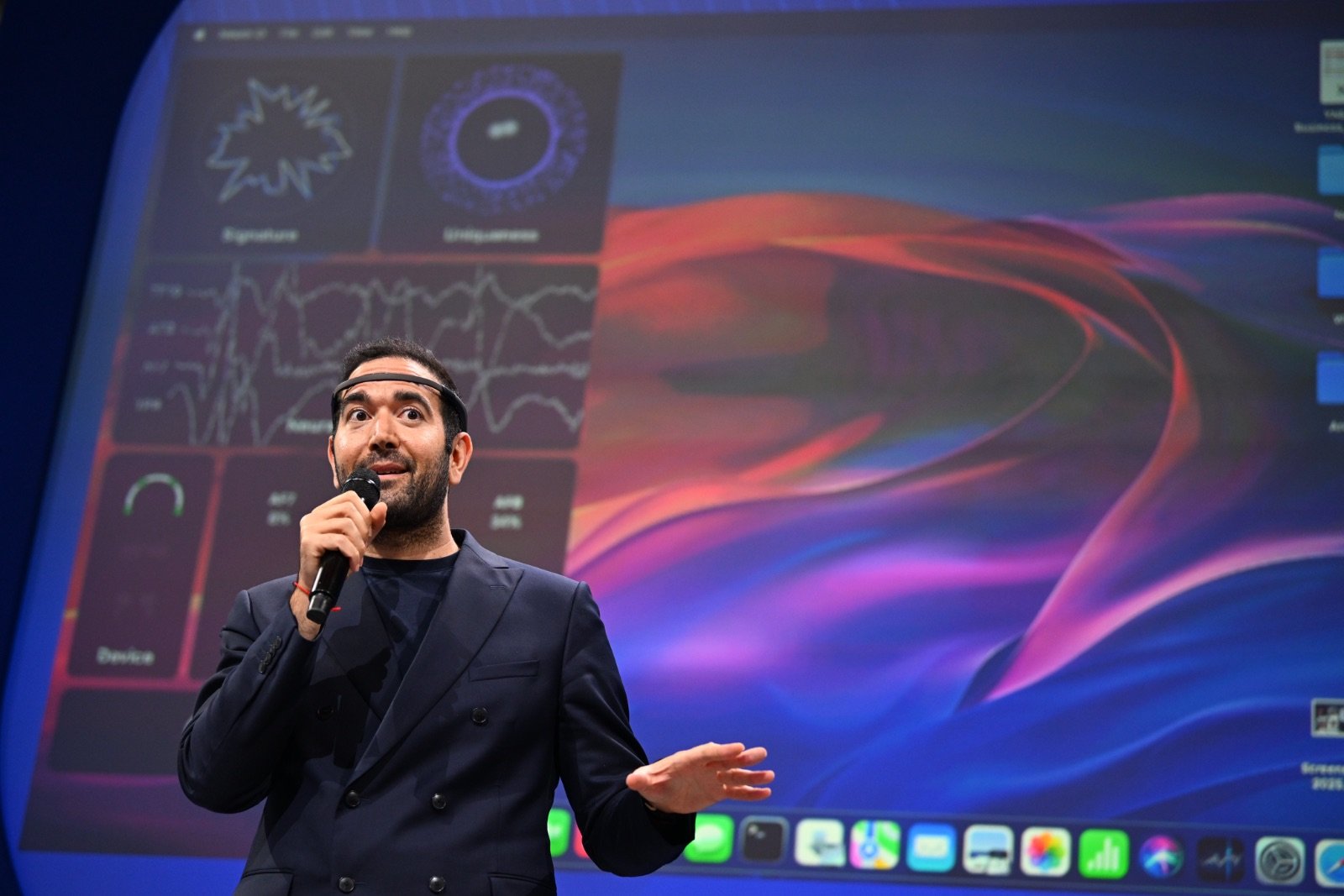
A new EEG wearable is entering the consumer market. After five years of development, four in stealth, San Francisco-based Atlas has opened pre-orders for the Atlas 1.0. Worn behind the ear, the small wearable combines EEG with motion, skin conductance, and voice-vibration data to estimate three measures: Presence, Stress, and Energy Burn. With a subscription model similar to Whoop and branding close to Oura, Atlas is making a direct play for the broader wearable market.
The Atlas 1.0 starts at $499 and requires a $29.99 monthly subscription for replacement sensors, app access and personalised insights. The device sits behind the ear, using thin, flexible electrodes designed to maintain contact during movement. It joins a broader shift of shrinking wearable EEG, moving from headsets and headbands to earbuds and skin-mounted sensors. Yet consumer EEG has long struggled with adoption, leaving Atlas to prove that brain data can be useful enough to keep people wearing it.
Atlas was founded in 2021 by neuroscientists Ana Montero and André Marques-Smith and spent most of its first five years in stealth. It emerged publicly late last year with more than $14 million in funding, which has since increased to $24 million from investors including Acrew Capital, Compound, HOF Capital and Unshackled Ventures. Earlier this year, Atlas was also selected from more than 200 companies for the NBA Launchpad programme, where it entered a six-month pilot across the NBA and WNBA ecosystem.
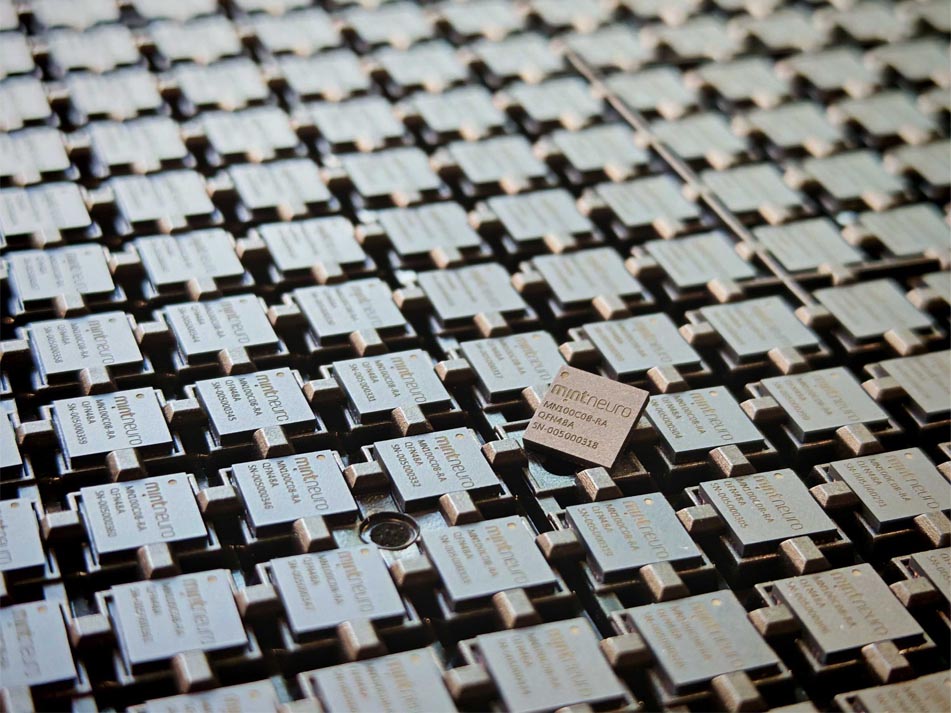
The core technology sits in a thin sensor attached to the hairless skin behind the ear. Patents filed under Atlas’ former name, Occam BCI, detail flexible polymer films, dry electrodes and conductive tracks that move with the skin. The design targets two major sources of EEG noise during movement: changes in electrode contact and electrical noise caused by moving cables.
The Atlas 1.0 combines EEG with motion, skin conductance, and voice-vibration sensing, turning those signals into three measures: Presence, Stress, and Energy Burn. The app connects changes in these measures with sleep, exercise, activities, people, and places throughout the day. Little is known about how the three measures are calculated, which signals contribute to each one, or how their accuracy has been validated.
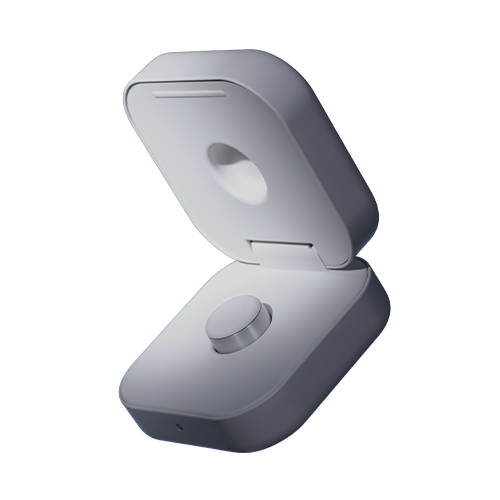
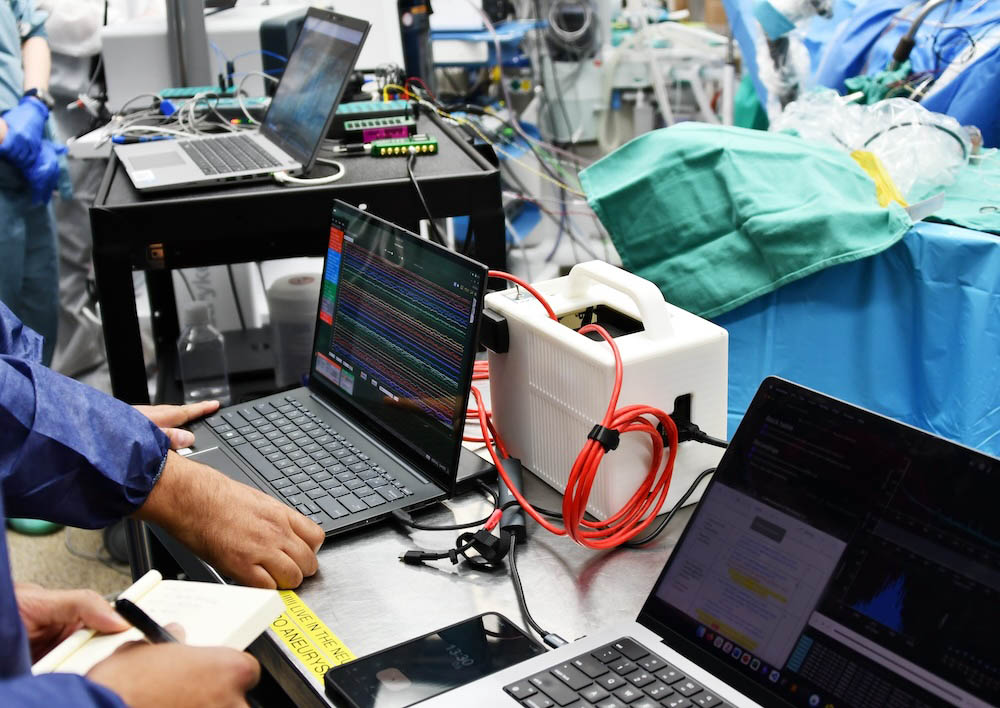
The company says it has already collected more than 500,000 real-world brain recordings to develop its algorithms. It has not disclosed what counts as one recording, how many people contributed, or how much total EEG data the figure represents. Atlas also reports signal quality comparable to research systems while stationary, and up to 20 times better during movement. The patents give a fairly detailed view of how Atlas is tackling mobile EEG, but there is still much less shared on the performance of the commercial system and the measures built on top of it.
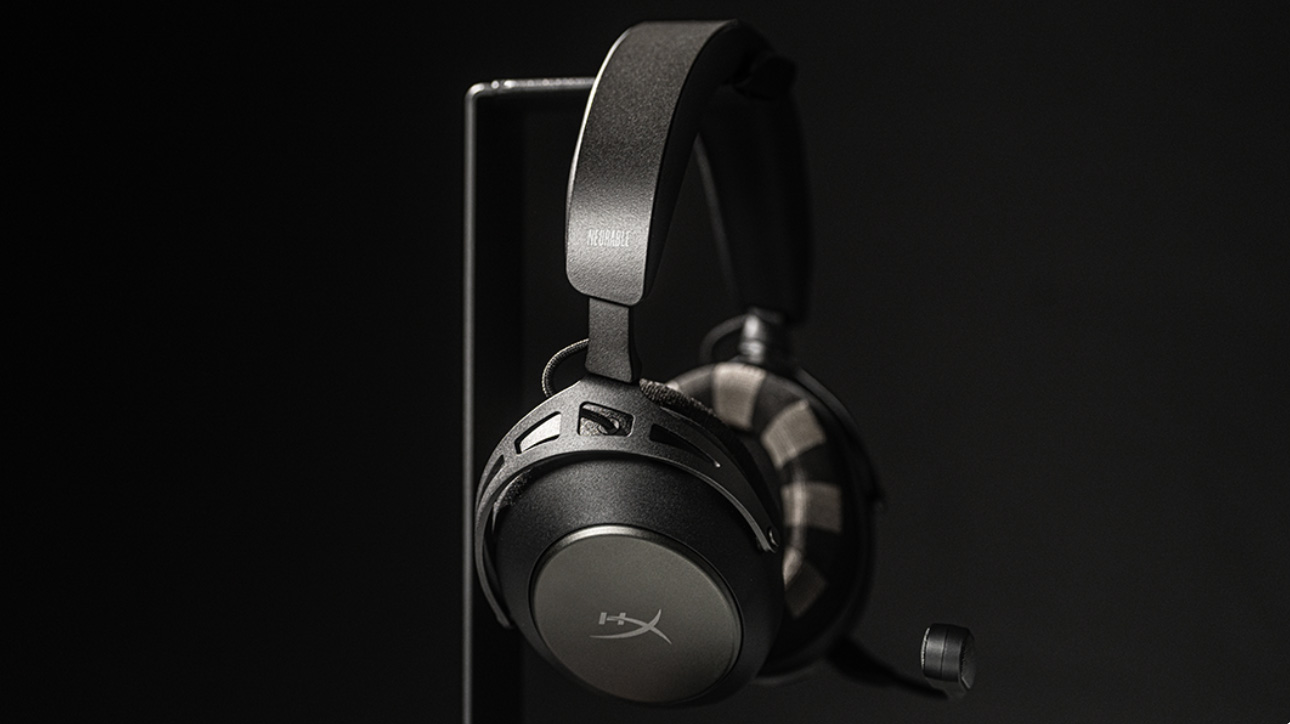
Consumer EEG has been moving toward smaller and easier-to-wear formats for more than a decade. Emotiv helped popularise the multi-electrode headset, while Muse brought EEG into a lighter headband built around meditation and sleep. More recently, Neurable embedded six EEG sensors into headphone ear cushions, while NextSense launched earbuds featuring six dry electrodes. Atlas pushes the trend further with a dedicated sensor hidden behind the ear.
But getting smaller has not automatically translated into mass adoption. Emotiv launched the EPOC in 2009 as a consumer gaming headset and sold thousands of units, but the platform went on to find a much larger role in research and BCI development. Muse has been one of the stronger consumer exceptions, reporting more than 500,000 users and over 22 million sessions. Its product also gives users a clear reason to put on the headband, with meditation, sleep and cognitive training built around defined sessions.
Meanwhile, Neurable has increasingly moved toward OEM licensing, bringing its EEG and cognitive software into headphones, helmets and other products people already wear. IDUN takes a similar approach, licensing its Guardian earbuds and brain-data platform to partners focusing on sleep, hearing, mindfulness, gaming and safety. NextSense is a newer entrant that takes the more consumer-facing route, using EEG earbuds for sleep tracking, stimulation and daytime focus, but also makes its earbuds function as normal audio devices
Atlas is taking a more conventional wearable route. Presence, Stress and Energy Burn are designed to work like the simplified scores found in Oura or Whoop, with continuous tracking used to connect changes to sleep, exercise, people, places and daily habits.
The timing is convenient. Oura is currently facing a proposed class action over claims around sleep staging, with plaintiffs arguing that finger-based signals can only infer what is happening in the brain. Oura disputes the allegations and points to validation studies, but the case highlights that consumers could value more direct brain measurements in their wearables.
Produced with support from

%20copy.jpg)



.svg)

