

Some of the largest brain-computer interface companies are starting with relatively narrow use cases. Neuralink has focused heavily on device control, Paradromics on speech and communication, and Precision Neuroscience initially entered the clinic through brain mapping. German neurotech company CorTec is taking a broader route early on. Its Brain Interchange platform, already being tested in humans for stroke rehabilitation, is now expanding into assistive computer control.
The FDA awarded CorTec its second Breakthrough Device Designation, this time covering thought-driven computer control for people with non-progressive quadriplegia. It follows an earlier designation for stroke motor rehabilitation and comes as CorTec has implanted three participants in its FDA-authorized stroke study. One of those participants has already used the same implant to control a cursor and play Pong through imagined arm movements.
CEO Frank Desiere tells Neurofounders that this step naturally fits into the vision of the company. CorTec builds Brain Interchange around the idea that “neurological conditions differ, but the fundamental need is often the same: reliably interface with brain activity over the long term.”
The new Breakthrough Device Designation gives CorTec a second regulatory pathway for Brain Interchange. The first, awarded in April, covers motor rehabilitation after ischemic stroke. The new designation covers communication in people with non-progressive quadriplegia, with the system decoding cortical activity into computer commands. CorTec is also enrolled in the FDA’s TAP program for its stroke indication.
Some of that capability has already been demonstrated in CorTec’s ongoing stroke study at the University of Washington. One participant controlled a cursor by imagining arm movements and used the system to play Pong. “The decoding was clear and consistent enough to enable real-time control after roughly two hours of introduction, using the same implanted system and electrode placement used for stroke rehabilitation,” says Desiere. He describes it as an early feasibility demonstration rather than commercial-grade performance.
Three participants have now been implanted in the FDA-authorized stroke study, where Brain Interchange records cortical activity and delivers timed stimulation during rehabilitation. CorTec also says 13 patients are enrolled in an epilepsy study at Mayo Clinic, while a separate dataset from two implanted macaques demonstrated more than 500 days of wireless ECoG recording with the system.
CorTec now looks to build a dedicated clinical case around communication. “The next step is to generate clinical evidence of safety, reliable intended-use performance, and meaningful independence for people with non-progressive quadriplegia,” says Desiere. Its INTENSE study at UMC Utrecht will add to that evidence by directly testing communication and digital-device control in people with severe paralysis.
CorTec says this breadth was intentional from the start. The company chose not to build Brain Interchange around one neurological condition, instead working toward a common interface for recording, processing, and stimulating brain activity. “Neurological conditions differ, but the fundamental need is often the same: reliably interface with brain activity over the long term,” says Desiere.
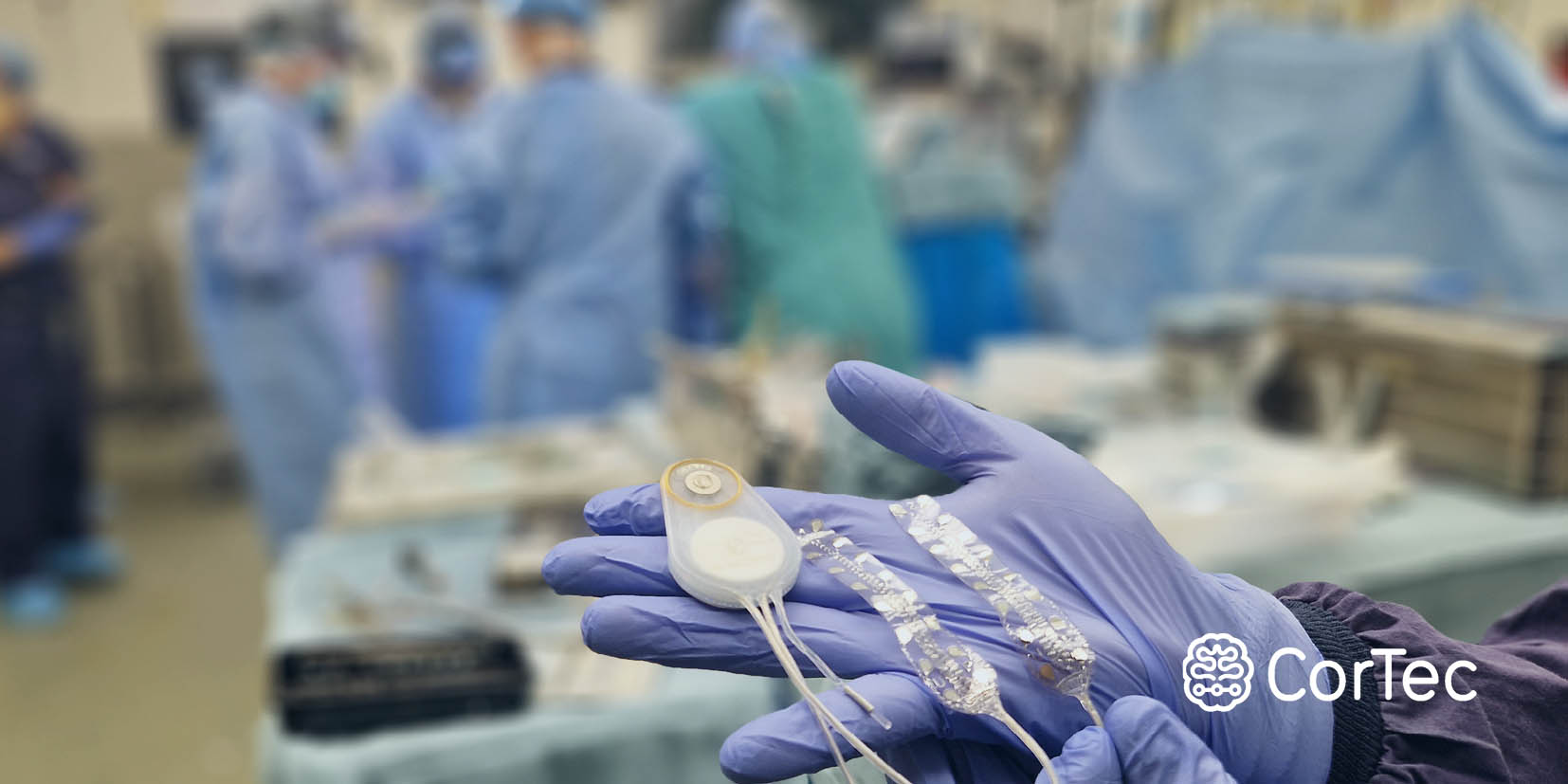
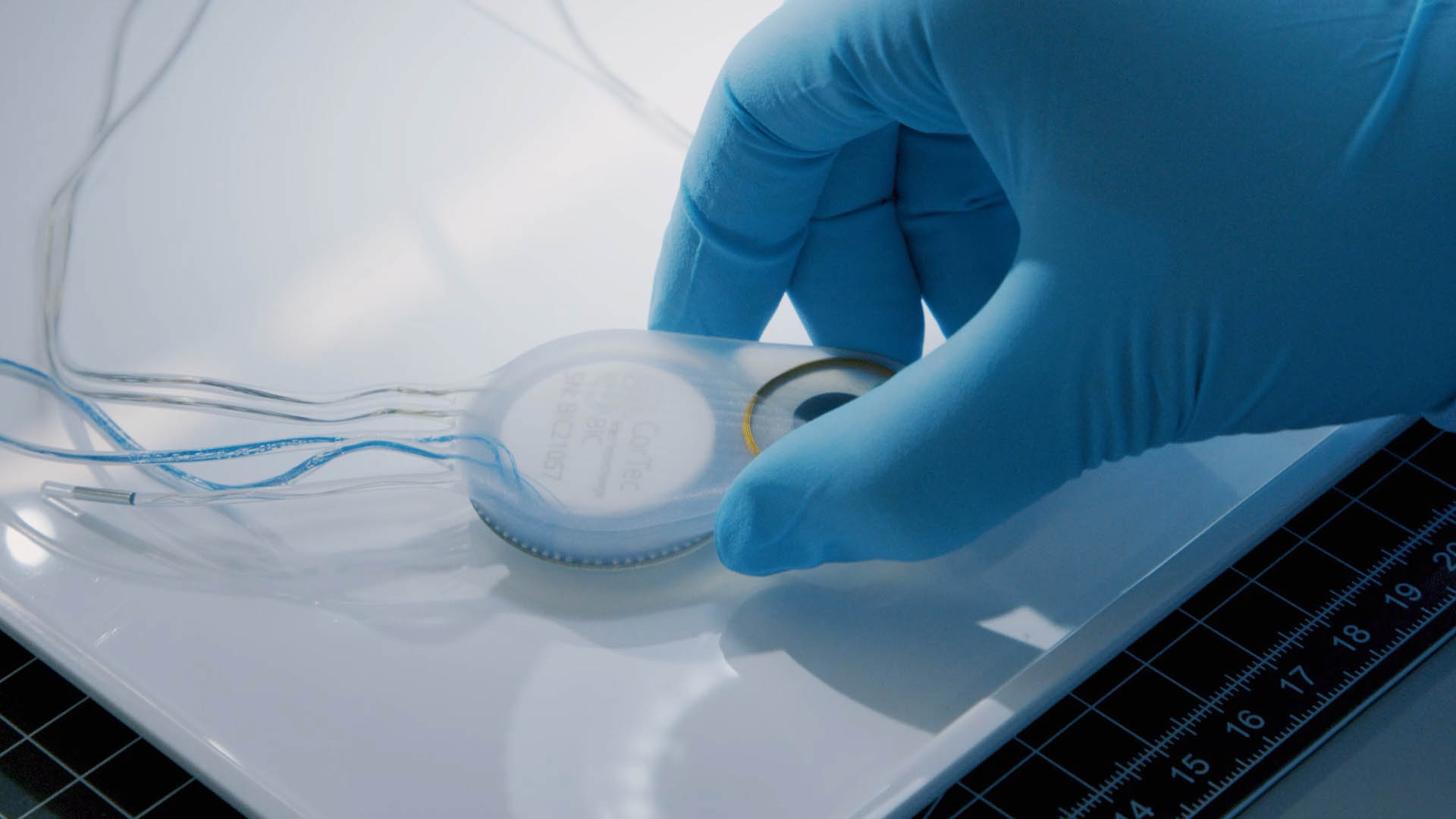
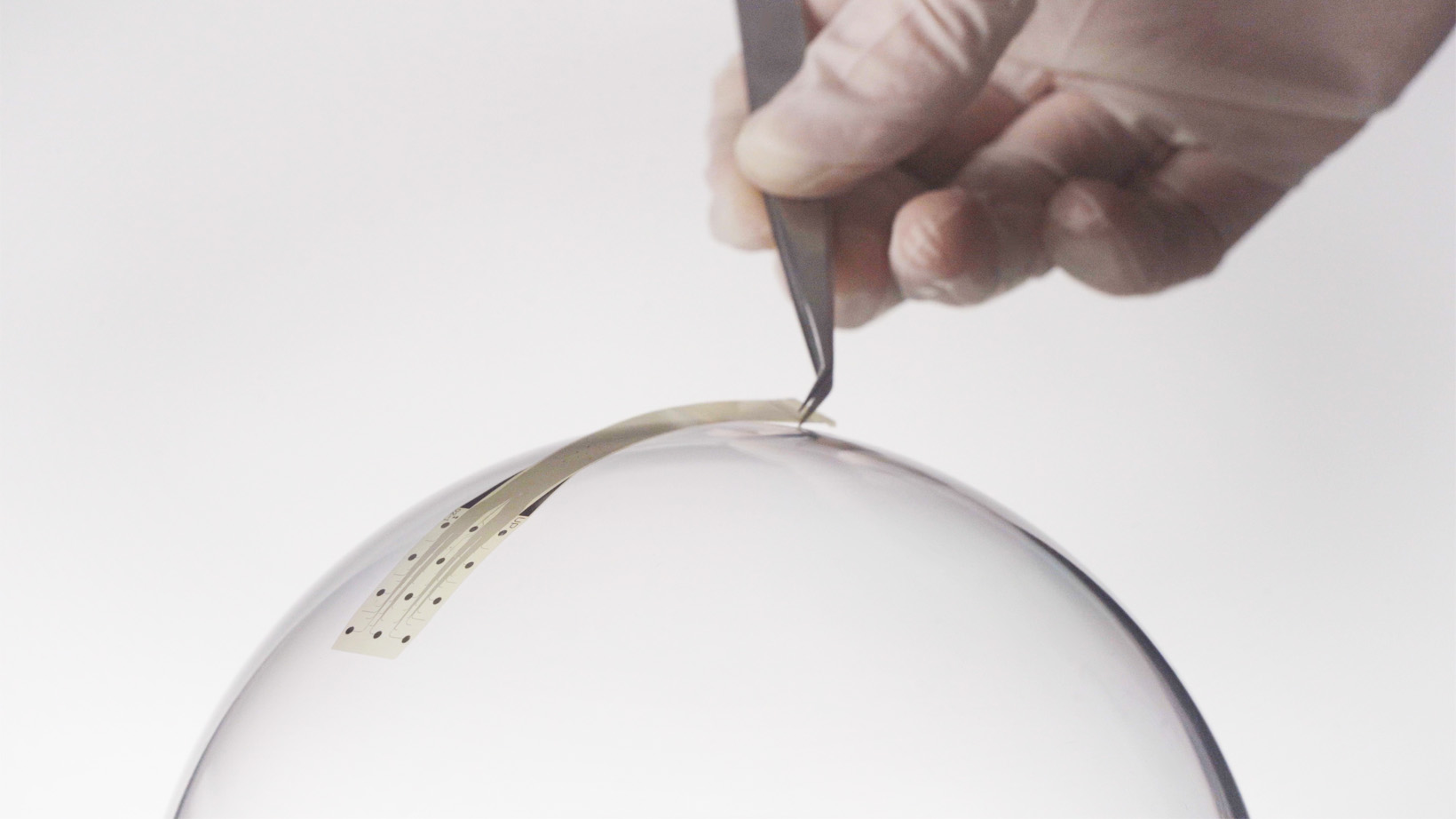
Brain Interchange uses electrodes placed on the cortical surface, connected to a fully implanted, wireless and battery-free system. “The implant hardware and surgical placement remain the same; the operating mode changes,” says Desiere. For communication, the system reads cortical activity and translates intention into device commands. In stroke rehabilitation, it also delivers timed cortical stimulation intended to promote neuroplasticity.
That bidirectional functionality is central to CorTec’s platform strategy. “Most BCIs focus on communication through decoding, whereas CorTec is pioneering therapeutic BCI by combining decoding with adaptive brain stimulation intended to support recovery,” says Desiere. Stroke remains the lead clinical program, but the second Breakthrough designation now gives CorTec a separate pathway to test the same implant as an assistive interface.
This broader platform approach is becoming more common across BCI. Neuralink is expanding from computer control into speech and robotic-arm control–not to mention its plans for vision restoration–while Precision has moved beyond surgical mapping to demonstrate device control during epilepsy procedures. In Europe, INBRAIN is developing its graphene interface across mapping, decoding, and adaptive stimulation, while ABILITY is building its platform around both speech restoration and device control.
Produced with support from

%20copy.jpg)




.svg)

