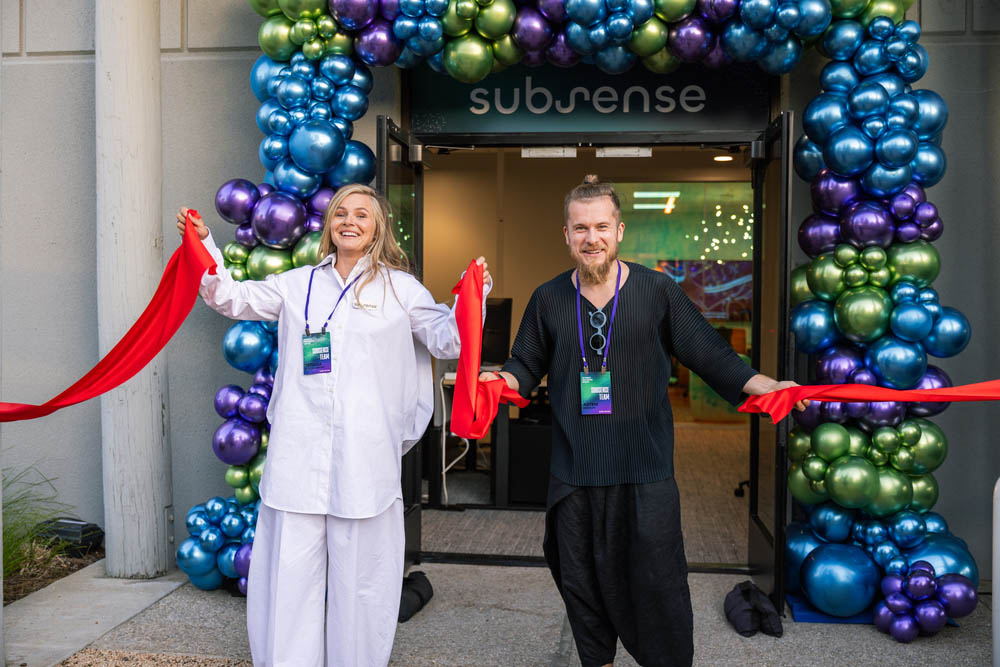
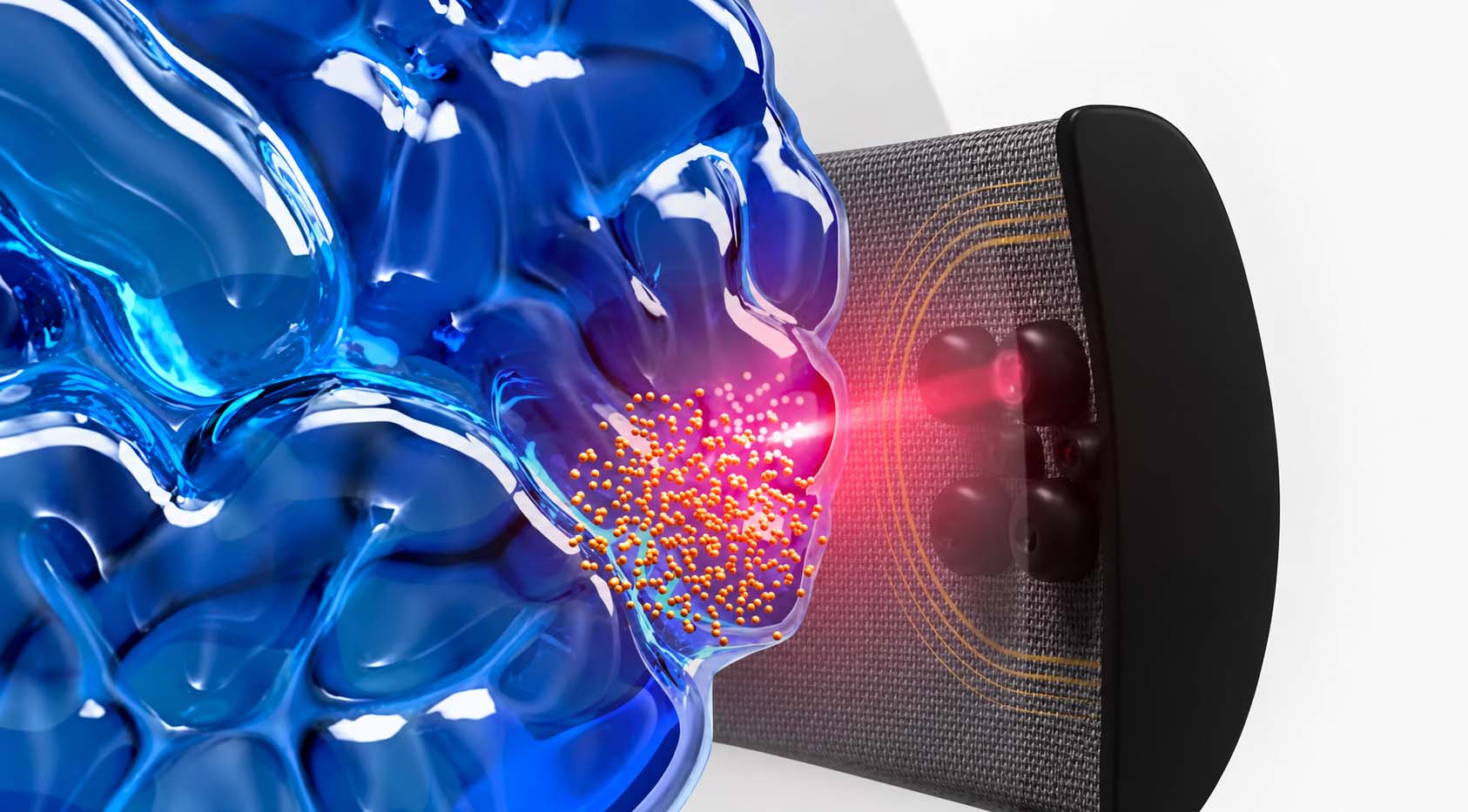
Palo Alto-based Subsense is working on a non-surgical brain-computer interface that uses nanoparticles delivered through the nose, aiming to interact with neural tissue without implanting a single piece of hardware in the brain. In September, the company made two moves around that strategy, adding AI visionary Ray Kurzweil as an advisor while introducing a new AI-driven approach to nanoparticle design.
Kurzweil joins Subsense as a product and vision advisor after decades of work on the convergence of biological and artificial intelligence. Later that month, the company announced it would use AI to search for new nanoparticle candidates. The model is intended to narrow the nanoparticle search before lab testing, while Kurzweil will advise on the product and its longer-term direction.
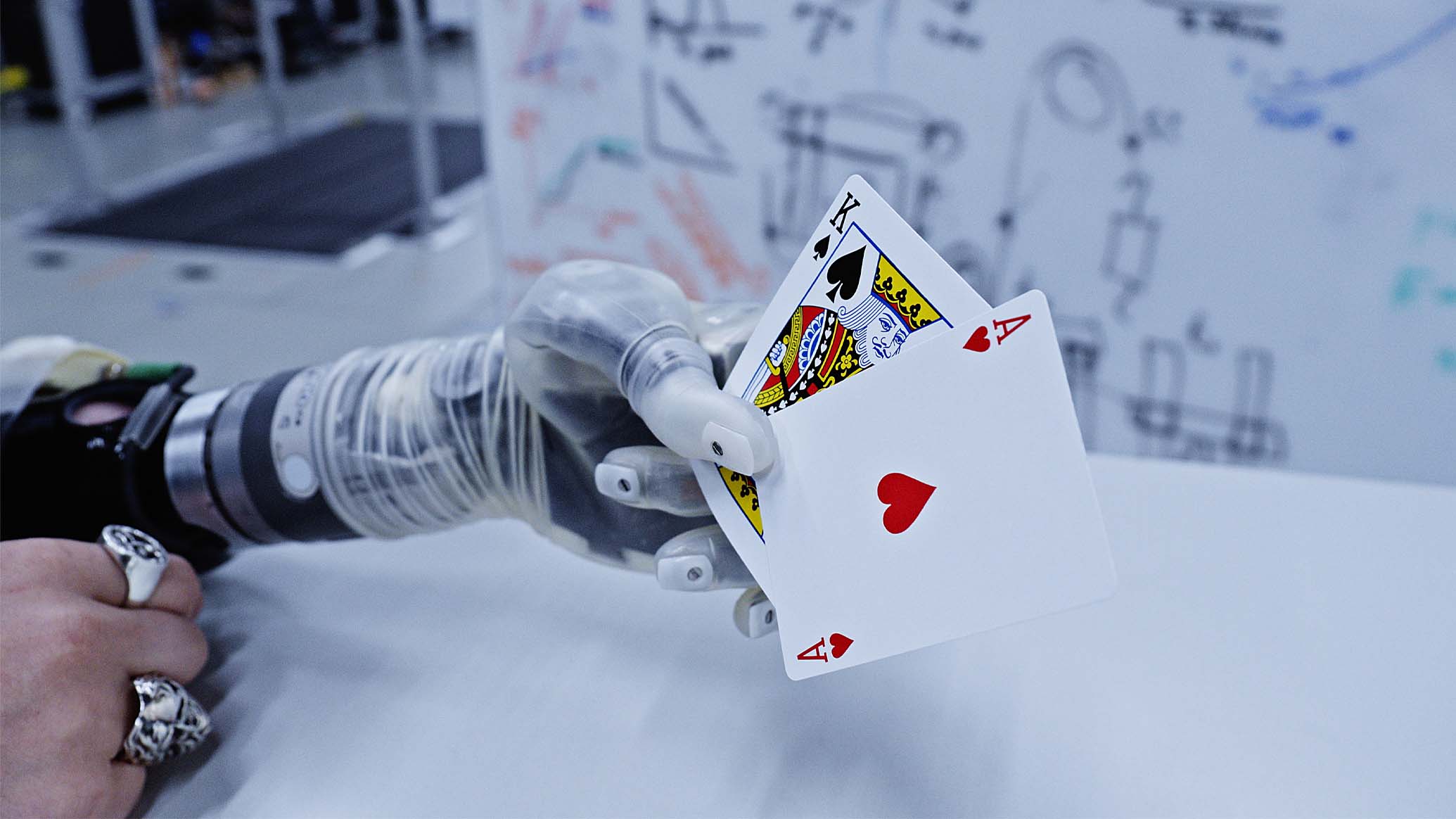
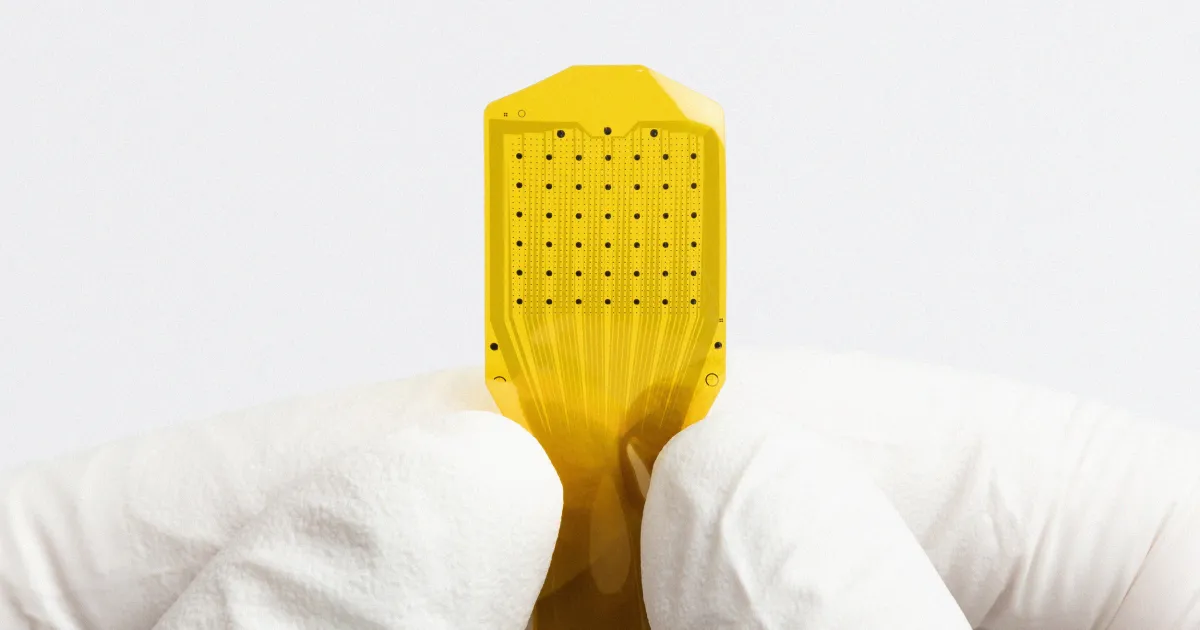
BCI approaches can be divided by modality. Neuralink requires a craniotomy to implant its electrode array. Synchron threads a stent-like electrode through the vascular system. Precision Neuroscience places a thin electrode film on the cortex. Each requires hardware to be placed inside the skull, at varying levels of invasiveness.
Noninvasive alternatives, mainly EEG-based, skip surgery but generally sit on top of the scalp, where bone and tissue degrade the signal. Subsense is trying to occupy the narrow space between these approaches, reaching brain tissue through nanoparticles without an incision.
At tens to a few hundred nanometers across, Subsense’s nanoparticles are designed to cross the blood-brain barrier. They are intended to interact with chemical and electrical processes at the neuronal level while still behaving like a controllable, engineered material.
Every aspect of a nanoparticle has to be designed deliberately, including how it responds to light or a magnetic field, whether it disperses evenly in tissue or clumps together, and how long it stays in the brain before clearing. Each introduces another variable, and the sheer number of possible materials and structures makes discovery difficult to explore by hand.
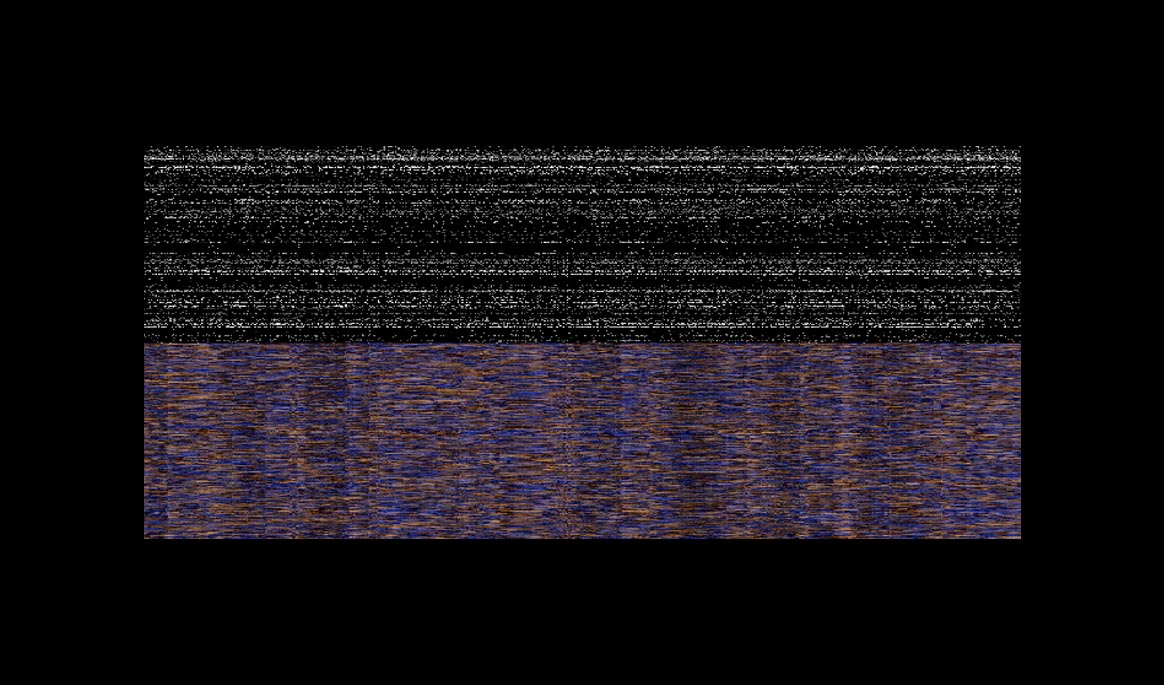
Subsense relies on two nanoparticle systems, one for reading neural activity and one for stimulating it. The reading particles are optical. An external headset sends near-infrared light into the brain and measures what comes back. Because light attenuates quickly in tissue, Subsense says reading depth is capped at around three centimeters.
Stimulation does not share the same limit. “Magnetic fields are not attenuated the same way, so the stimulation side has different reach,” says Tetiana Aleksandrova, Subsense's co-founder and CEO. In practice, that means the system may be able to stimulate deeper brain regions than it can read from.
Before AI, designing a nanoparticle was sequential. Scientists chose a small number of core and shell materials, synthesized them, and used the results to inform the next round. Each cycle took months and was limited by how many particles the lab could physically make.
“What AI took over is everything between the constraints and the shortlist,” Aleksandrova says. Scientists still define the physics and biology a viable particle needs to satisfy. The model then screens candidates against those requirements before anything reaches the lab bench.
Subsense calls its approach a new category of AI native BCI. Aleksandrova defines AI native by what happens when the model is removed. “If removing it breaks the science, it is native,” she says. One example is aggregation, where particles clump instead of remaining dispersed.
Subsense’s system is trained on roughly 100 million quantum mechanical reference configurations, which model how atoms and electrons behave, and screens for that risk before synthesis. Those predictions can still prove wrong at the bench, though Subsense has not made its results public.
Aleksandrova describes nanoparticle discovery as only the beginning of AI’s role at Subsense. The broader problem, she argues, is the interface. Most interactions with AI still pass through a screen and keyboard, creating a bottleneck between the user and the system.
%20(1).jpg)
That is a question Kurzweil has worked on for decades and, Aleksandrova says, part of why he joined Subsense. “The core architecture is being decided right now,” she says, at a stage when an advisor can still shape it. Subsense has not detailed what Kurzweil has contributed so far.
Aleksandrova describes the company’s animal results as preliminary. In living mice, she says, the nanoparticles have delivered stimulation and recorded neural signals, while biocompatibility studies found no adverse effects. A pig study showed the particles moving through the brain. Delivery and hardware are still being tested, and she will not call the approach validated “until the whole process holds.”
She also stops short of claiming that the approach can replace an implant for the deepest targets. Subsense aims to demonstrate the full platform in mice by the end of 2026, giving the company a more concrete test of whether its nanoparticle system can work as an integrated BCI.
.svg)