STARTUP PROFILE

CorTec

COUNTRY
Germany
FOUNDED
2010
CATEGORY
Brain-Computer Interface
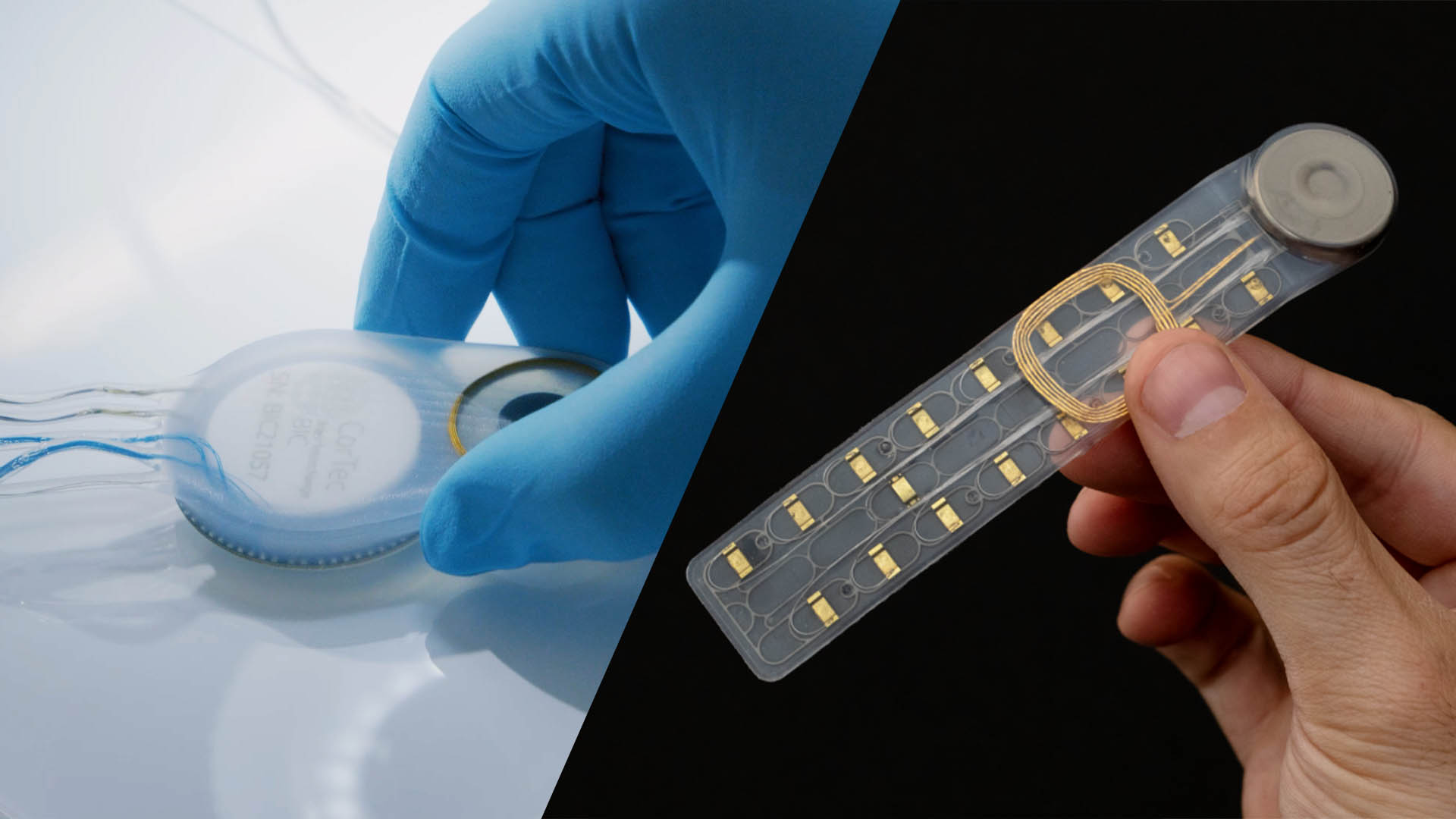
Building a fully implantable, bidirectional neurostimulation and recording platform designed to restore neural function by sensing brain activity and delivering adaptive stimulation in closed loop.
Visit website →
Market Notes · Biweekly

Track this company

Funding, launches and regulatory moves across the neurotech startup map.

Subscribed. Check your inbox to confirm.

•
Neurofounders Insights
$   Funding   -
Unknown
MODALITY
ECoG
FORM FACTOR
Implant
INTERFACE DEPTH
Implantable
INDICATION
Rehabilitation
TARGET USER
Patients
REGULATORY STAGE
Investigational
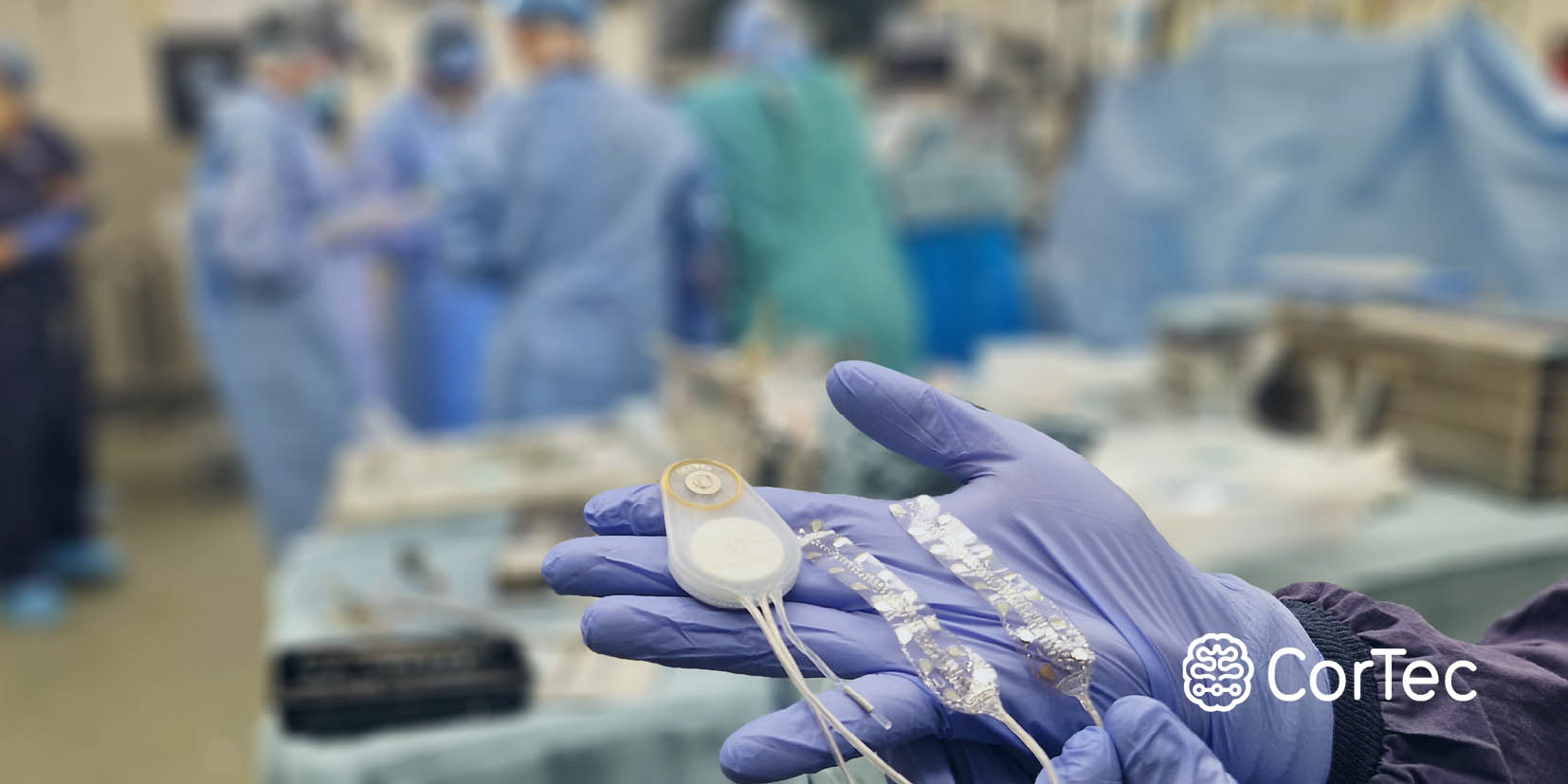
CorTec is developing a fully implantable closed-loop neurostimulation platform, positioning itself as a next-generation alternative to traditional DBS systems with integrated sensing and adaptive stimulation. Its bidirectional architecture aligns with the broader shift toward closed-loop neuromodulation, though commercialization timelines remain unclear.
•
Mentioned in Market Notes
MOST RECENT COVERAGE
#
12
NVIDIA and OpenAI invest in neurotech
13 October – 27 October 2026

CorTec reported more than four years of stable recordings from its surface electrodes in two macaques at Weill Cornell Medicine. In one animal, 63 of 64 contacts still deliver usable signals more than 1,300 days after implantation. The electrodes sit on the dura without penetrating brain tissue and form the basis of CorTec's Brain Interchange system, already implanted in three stroke patients. The findings follow Paradromics' four-year sheep data in our last edition, adding to growing evidence on the durability of long-term neural implants.

#
8
FDA Supports the BCI Mission
18 August – 1 September 2026

CorTec received its second FDA Breakthrough Device Designation for its Brain Interchange system, this one covering device control for people with non-progressive quadriplegia. The fully implantable device records neural activity and delivers adaptive stimulation in a closed loop. The same implant can now both aid motor recovery and let users control a computer using thoughts. The first designation, granted in April, covered stroke motor rehabilitation. CorTec is already running a stroke study at the University of Washington, where three participants received the implant, and one used it to control a computer.

Articles featuring
CorTec