
Professional sports has spent over a decade turning physical performance into a measurable science. Now, cognition is being pulled into that operational layer. Atlas, a San Fran company developing multi-modal wearables, was selected into the NBA’s Launchpad 2026 cohort to quantify “cognitive clarity” in players. Neurotech is increasingly showing up in elite sports, as neuro-assessment, cognitive training, selective brain-imaging, and neurofeedback protocols attempt to improve the very best athletes in the world.
As of 2026, neurotech adoption concentrates where outputs are easy to operationalize and have clear use cases. It also concentrates where leagues can standardize pilots or licensing, which is why league-level partnerships keep surfacing; from the NBA’s Launchpad partners to the NHL’s Sense Arena VR partnership. Club-level work appears more selectively and is often protected as a secret competitive edge, while athlete-level endorsements sit further out at the edge and are likely used by many but disclosed by few.
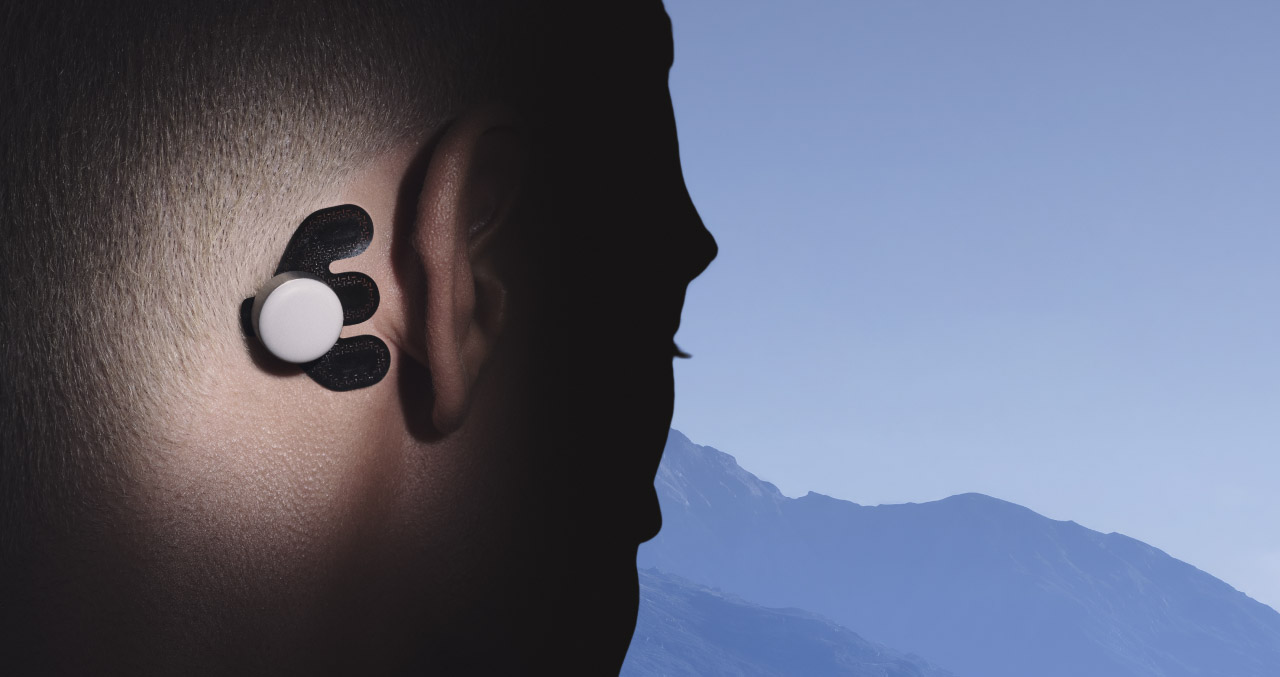
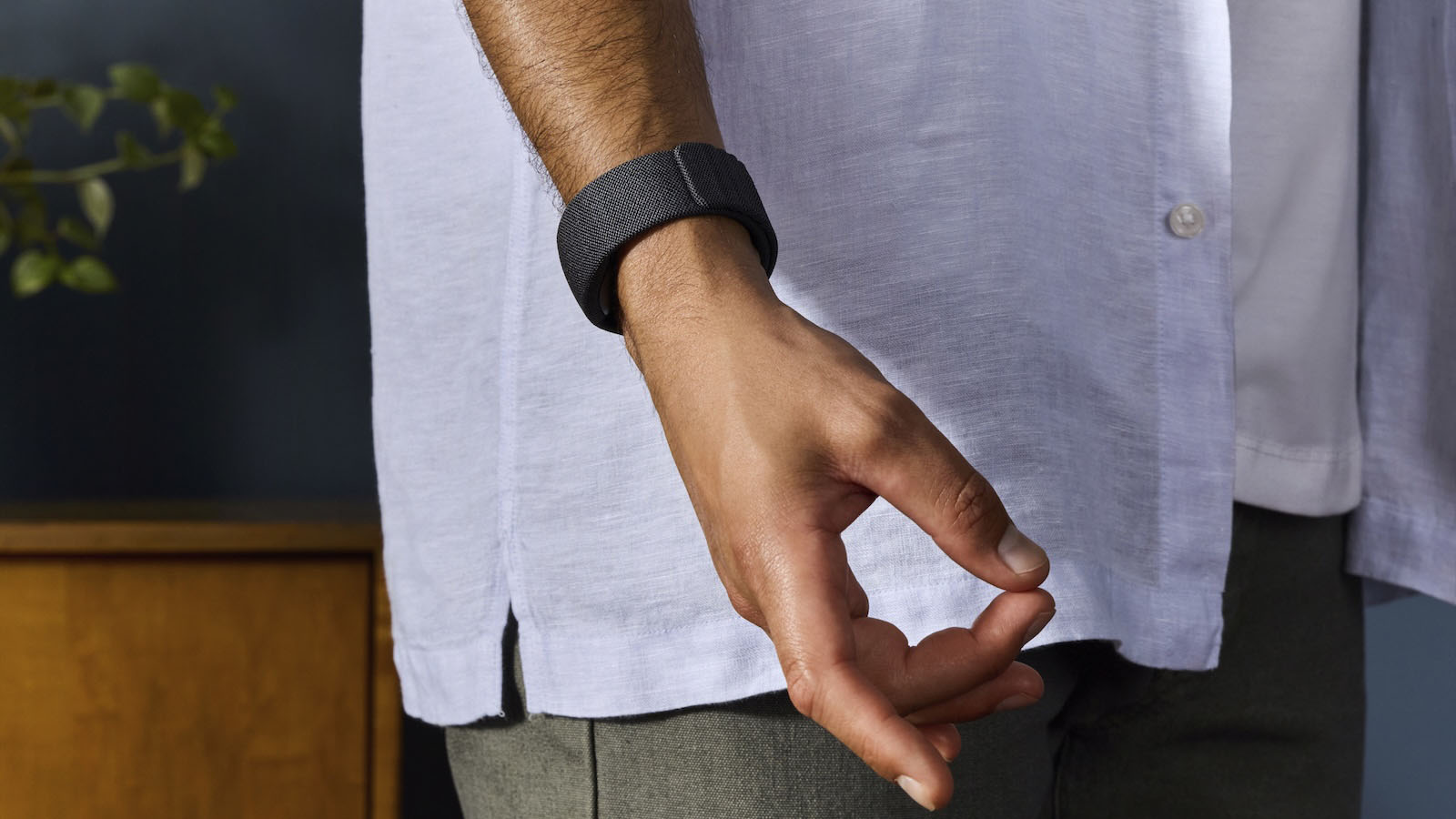
Atlas develops a behind-the-ear wearable that uses dry-electrode EEG to capture brain activity during movement. The system is positioned as multi-modal, combining neural signals with additional physiological inputs to generate what it calls a “Cognitive Clarity” score: an index intended to reflect focus, stress load, and readiness. In 2026, Atlas was selected into the NBA Launchpad cohort, entering a six-month league-run pilot. The emphasis of the trial is on extracting stable brain-state features from EEG in high-motion athletic settings.
The NBA already treats brain assessment as routine infrastructure through its concussion program. The league’s concussion policy summary describes preseason baseline neurological evaluation, and a standardized sideline and follow up workflow built around an NBA modified SCAT 6 process. At the team level, there are also more targeted neuro tools in use. The Washington Wizards have publicly partnered with NeuroSync to adopt EYE-SYNC, a VR-based eye tracking assessment positioned as an aid to concussion evaluation and fatigue related decision making.
The Atlas pilot tests whether EEG-derived readiness metrics can sit alongside existing performance dashboards. EEG outside the lab faces familiar constraints, much exacerbated when used in sports: motion artifacts, sweat, fit variability, and signal-to-noise trade-offs. And so, the challenge of all wearables becomes central in Atlas’ pilot: can the signal remain interpretable during training loads, will the staff find the metrics actionable, and can the workflow integrate into training protocols without adding friction to operations.
The NHL has taken a league-level approach to perceptual-cognitive training by setting up the NHL Sense Arena, an officially licensed VR and mixed reality platform that integrates team logos and uniforms across all 32 franchises. Framed as a training tool rather than entertainment, the system simulates game scenarios to train “read and react” decision-making, spatial awareness, and processing speed. The tech is neuro-adjacent, but still is a good example of neuro-inspired tools being integrated squarely as a league-sanctioned platform, rather than scattered team experiments.
The partnership extends to the National Hockey League Players' Association, which licenses player likenesses. Several teams, including the Los Angeles Kings, have formalized in-facility deployments, positioning Sense Arena as a cognitive training partner rather than a gadget. At the development level, USA Hockey named Sense the official VR training tool. This shows that adoption of perceptual-cognitive systems are increasingly embedded through youth and feeder pathways, before reaching the professional tier.
In the NFL, the brain is a safety problem first. Concussion protocols sit under the long shadow of chronic traumatic encephalopathy (CTE), a tau-linked neurodegenerative disease that still cannot be definitively diagnosed in a living person. That measurement gap is why the league emphasises preseason baseline neurological and neurocognitive testing, standardized sideline and locker-room assessments, and conservative return-to-play tracks. Standard CT or MRI cannot be used to “confirm” concussion, but does rule out bleeding or other acute injury. The need for objective neurotech tools is clear.
And so, when neurotech shows up in football, it is usually framed as detection support rather than performance enhancement. A clean example is iDETECT, a Georgia Tech and Emory system recognized through the NFL, GE, and Under Armour Head Health Challenge II. iDETECT was designed as a portable, rapidly deployable platform that integrates multiple concussion tests into one workflow, aiming to make neurologic assessment more feasible and consistent near the point of injury.
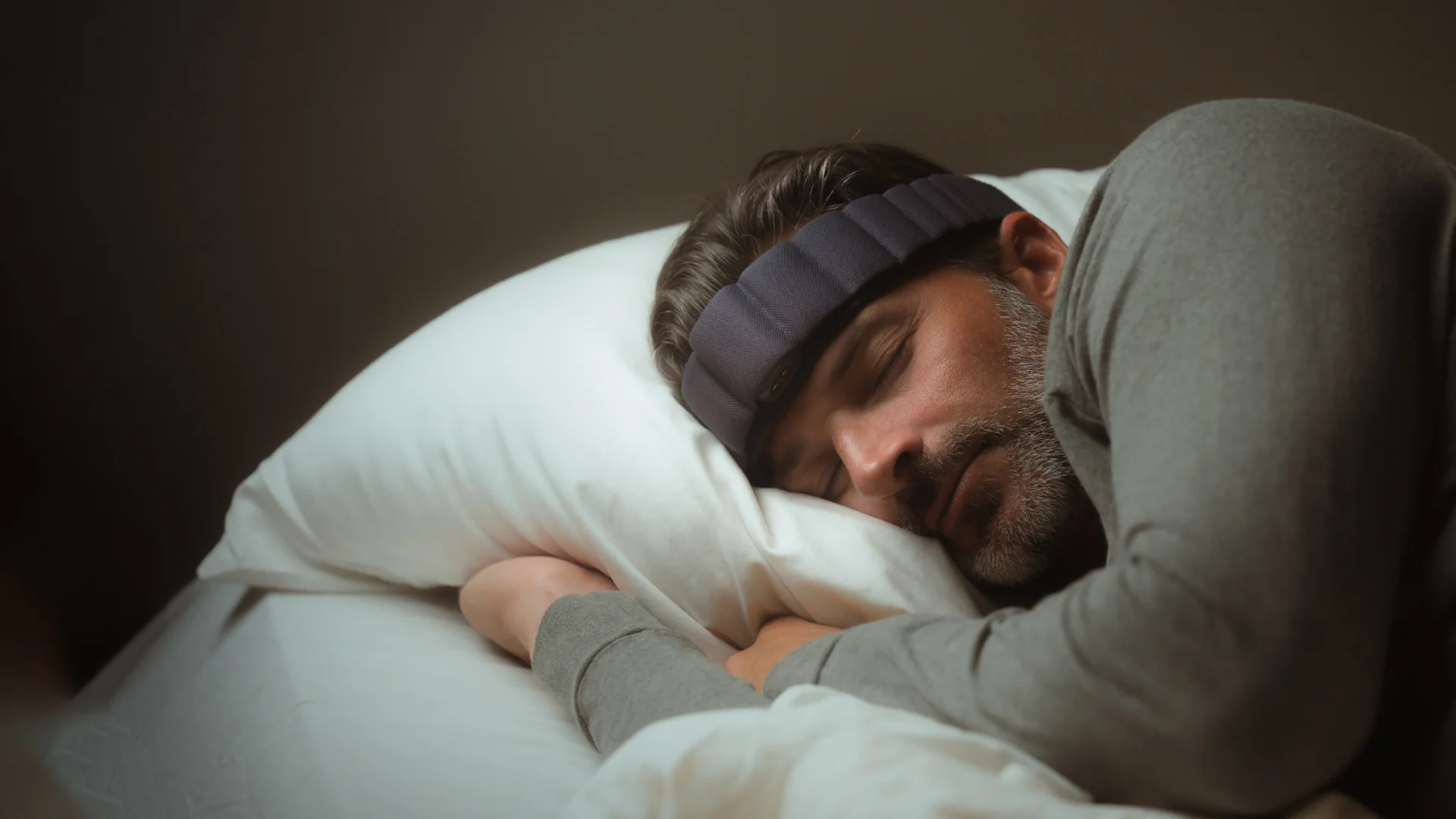
Performance-oriented neurotech shows up sporadically on the level of individual athlete experimentation rather than league operations. Halo Neuroscience's Sport (since acquired by Flow Neuroscience), a tDCS headset positioned around priming motor cortex excitability during training, was used publicly by NFL players including Demario Davis and T.J. Carrie. More recently, sleep and recovery tech has started to enter the same ecosystem. NFL Players Inc. named Somnee the winner of its NFLPA Pitch Day competition, spotlighting EEG-guided sleep stimulation as a player-facing “recovery” product category.
The MLB’s most direct “neuro” inclusion also arrived through a concussion policy. In 2011, the league required preseason baseline neurocognitive testing for all players and umpires using ImPACT, creating a standardized reference point for post-injury comparison. ImPACT is a computerized testing tool that assesses domains such as memory, attention, processing speed, and reaction time, alongside symptom reporting, to support return-to-play decisions after suspected concussion.
The performance layer is again more perceptual-cognitive. WIN Reality has been reported as working with more than half of MLB clubs and individual hitters from every team, using VR pitch-facing built from recent pitch-tracking data to train recognition and sequencing. Trajekt Arc pushes the same logic into timing and realism, syncing pitcher video with tracked pitch behavior, reportedly used by 19 MLB teams by mid-2024, with MLB allowing in-game use in batting cages.The Rockies have described using Trajekt Arc to let hitters prepare for specific pitchers in a more game-like way before stepping in.
Liverpool’s partnership with neuro11 is one of the clearer public examples of “brain training” entering elite sports. neuro11 is a German neuro-performance consultancy that was brought into the club’s performance environment during the 2021–22 season. Former success coach Jurgen Klopp described the group as a recurring presence around the first team, working on set-piece situations, including penalties, by measuring brain activity during on-pitch drills and using that feedback to train the mental state associated with execution under pressure.
A more product-like version of the same goal shows up in EEG-based neurofeedback tools such as i-BrainTech. Players wear an EEG headset and run a visualization-driven task where intention is translated into on-screen control, with feedback loops that reward stable focus and clean motor imagery. Sports Business Journal notes that the platform is already used by top clubs like Juventus, Orlando City SC, Real Sociedad, SL Benfica, and earlier work with Atlanta United.
What makes football harder to map is not a lack of interest, but a lack of disclosure. Clubs do not operate in centralized leagues and thus rarely publish protocol-level detail about performance tooling, especially when it touches decision-making and execution. When neurotech does surface publicly, it is usually through club-owned storytelling, as Liverpool did, or through trade press following a vendor rollout. The visible footprint ends up looking like a few isolated case studies, even when the underlying experimentation is likely broader.
Motorsport is one of the few places where teams talk about the brain as a performance variable in public. Nissan’s “Brain to Performance” program, developed around its Formula E drivers, is framed as a structured effort to map driver brain function, compare it against non-professional controls, and build personalized training that includes electrical brain stimulation alongside analysis of brain electrical activity. The goal is to achieve faster decisions, fewer errors, and more consistency under fatigue and pressure.
Meanwhile, golf is showing up as an intuitive home for athlete-led tDCS experiments as performance is dominated by fine motor execution and consistency under pressure. Small changes in timing, grip, and force control compound over hundreds of highly similar reps, and “good practice” is often about getting a stable motor program to stick. tDCS looks to gently shift motor-cortex excitability during practice, nudging motor learning and skill consolidation and making training effects land faster and more reliably. That is why Charley Hoffman’s 2018 Halo Sport partnership made sense as a golf story: it fits a sport where marginal gains are won in repeatability, attention control, and execution rather than raw physiology.
Finally, in precision sports like target shooting, neurotech has very clear uses. Athletes can sit still enough for EEG neurofeedback to behave like a real training instrument, with protocols that target bands such as sensorimotor rhythm (SMR) and reward stable attentional control. Recent work in precision athletes, published in Nature, links SMR-based neurofeedback to improved reaction-time measures, although the performance effects are small and less consistent. It is one of the few sports settings where the brain signal is clean enough that “brain training” can be tested without too much noise from motion and contact.
[Cover image: Atlas Wearable]
.svg)