.svg)






A medical approval announcement is one of the most prized milestones in neurotech. It usually comes after years of technical iteration, clinical work, regulatory strategy, and substantial capital. But the headline can flatten what happened. In practice, “approval” is not a single regulatory event with a one meaning. It depends on the market, the pathway, the device classification, and the type of evidence a company is required to produce.
Flow Neuroscience illustrates that distinction clearly. In December 2025, the FDA granted Premarket Approval (PMA) for the FL-100 headset, allowing prescription at-home neuromodulation treatment for moderate-to-severe major depressive disorder in adults through the agency’s highest-evidence device pathway. Yet the same company had already marketed the headset in Europe and the UK since 2019 under a Class IIa CE mark issued through the legacy Medical Device Directive. Same company and technology, but a different classification, a different pathway, and a different timeline.
The FDA’s 510(k) pathway is available to devices that can demonstrate substantial equivalence to a legally marketed predicate. Because the underlying risk profile is already relatively well characterised, the evidentiary burden is usually lower than under PMA, and extensive new clinical data is not always required. In neurotech, this route is more commonly used for products that fit into established device categories, including software platforms built on familiar clinical workflows. Omniscient Neurotechnology, for example, used it for a software-led platform built around existing MRI-based neurosurgical planning tools.
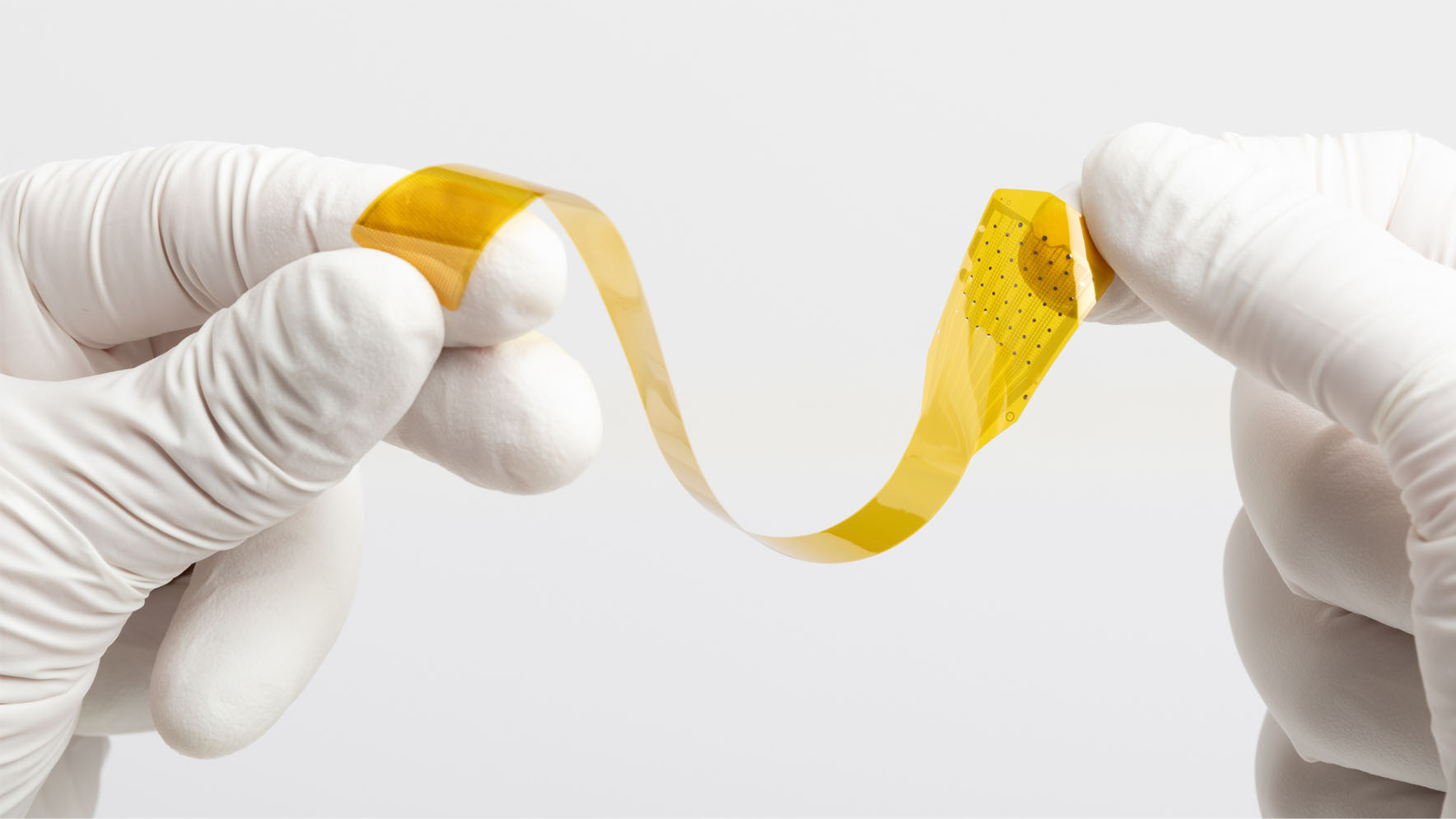
Precision Neuroscience took a less conventional route. In March 2025, the FDA cleared Precision’s Layer 7-T through the 510(k) pathway. The device is a high-resolution, 1,024-electrode subdural array that serves as a core component of Precision’s broader implantable wireless BCI program. The company established substantial equivalence to Ad-Tech Medical’s cleared subdural electrodes, and the FDA cleared it as a Class II cortical electrode for temporary use of less than 30 days in recording, monitoring, and stimulation of electrical activity on the brain’s surface.
For Precision, there is a large gap between the company’s long-term ambition and the indication it brought forward first. Precision builds toward a next-generation minimally-invasive BCI, but its regulatory entry point was scoped around a shorter-term and more legible clinical use case with an established predicate. The submission was received by the FDA on February 27, 2025 and cleared on March 30, 2025, an unusually fast review cycle. By the time of clearance, the company had tested the device in 37 patients in studies that began in June 2023. Precision described it as the first full FDA clearance granted to a next-generation BCI company.
The FDA’s De Novo pathway is intended for novel, low-to-moderate risk devices that do not have a suitable predicate. Where the 510(k) depends on substantial equivalence to an existing device, De Novo creates a new classification for technologies that do not fit established categories.
QuantalX Neuroscience followed that route for Delphi-MD, a non-invasive system that uses TMS-evoked potentials recorded with EEG to assess brain network function. The FDA granted De Novo classification on August 20, 2025. The device was classified as a “non-invasive evoked response brain stimulator” under a new regulation number and product code, reflecting the absence of existing FDA classification for this type of functional brain assessment system.
The grant did more than clear a single product. It established a new regulatory category that can now serve as the basis for future 510(k) submissions. That is an often-used path in neurotech, where products frequently combine modalities or pursue applications that sit outside older device frameworks. In that sense, the De Novo pathway is one of the main ways the FDA’s classification system adapts to new types of neurotechnology.
Premarket Approval, or PMA, is the FDA’s most stringent device pathway, requiring direct clinical evidence of safety and effectiveness. Many higher-risk neurotechnology products, including implants, BCIs, and some neuromodulation systems, are likely to fall under this route. Recent PMA-approved neurotech devices include Flow Neuroscience’s FL-100 headset and Neurolief’s Proliv Rx system, both cleared for major depressive disorder, though with different indications and stimulation approaches.

Across the Atlantic, Flow’s trajectory looks different. Its existing CE mark was issued under the older European framework rather than under the EU-MDR, which was fully applied from May 26, 2021 and raised the evidentiary and post-market requirements for many devices. Under MDR, certification of the FL-100 would require reassessment under the newer regime, with additional clinical and surveillance obligations and the possibility of a different classification outcome depending on how the device is interpreted under the current rules.
The EU-MDR applies across all 27 EU member states and uses a four-tier risk classification system, but the process differs from the FDA in ways that matter for neurotech companies. Manufacturers are responsible for classifying their own devices under the MDR rules, after which all devices above Class I require conformity assessment by a Notified Body.
Clinical evaluation is a core part of that process, and for Class IIa, IIb, and III devices the MDR also imposes formal post-market surveillance obligations, including periodic safety update reporting for higher-risk classes. For novel neurotechnologies without an established clinical track record, building that evidence base can be especially resource-intensive.
The challenge in the EU is not only the regulation itself, but the infrastructure needed to apply it. By late 2025, 52 Notified Bodies had been designated under the MDR, with 51 handling medical devices under the regulation. Collectively, they had received more than 33,000 MDR applications and issued about 17,600 certificates by the end of October 2025. Survey data also suggests that certification remains slow: for new QMS certificates, 59% of Notified Bodies reported timelines of 13 to 18 months, while combined QMS and product certification took 13 to 18 months for 53% of cases and 19 to 24 months for another 28%.
With legacy MDD and AIMDD certificates now moving toward the MDR transition deadlines in 2027 and 2028, pressure on Notified Bodies is expected to remain high through the rest of the transition period. That strain has already drawn institutional attention. On 16 December 2025, the European Commission published a broader proposal for targeted revision of the MDR and IVDR, aimed at simplifying parts of the framework, improving digital procedures, and making the system faster and more workable. Whether those changes will materially ease capacity pressure before the transition deadlines remains uncertain.
Before entering any market submission pathway, companies developing high-risk neurotechnologies must usually obtain an Investigational Device Exemption, or IDE, allowing their device to be studied in human clinical trials in the United States. This is where much of the field still sits, particularly in implantable BCI and other higher-risk categories.
Paradromics received IDE approval in November 2025 for its Connexus Brain-Computer Interface, a high-bandwidth, fully implantable system designed to restore communication and enable computer control for people with severe motor impairment. The approval allowed the company to begin the Connect-One Early Feasibility Study, marking the shift from preclinical development into controlled human testing under FDA oversight.
Before human testing can begin, companies must generate enough preclinical evidence to support initial safety and feasibility, and they must put protocols in place to monitor participants throughout the study. For devices likely to follow a PMA route later on, the IDE stage often does more than enable first-in-human testing. It helps shape the evidence base, study design, and regulatory logic that will support the eventual market submission.
Both the FDA and the EU have introduced mechanisms intended to support devices that address serious unmet clinical needs. The structures differ, but the aim is similar: to provide more structured regulatory support when the potential patient benefit is high.
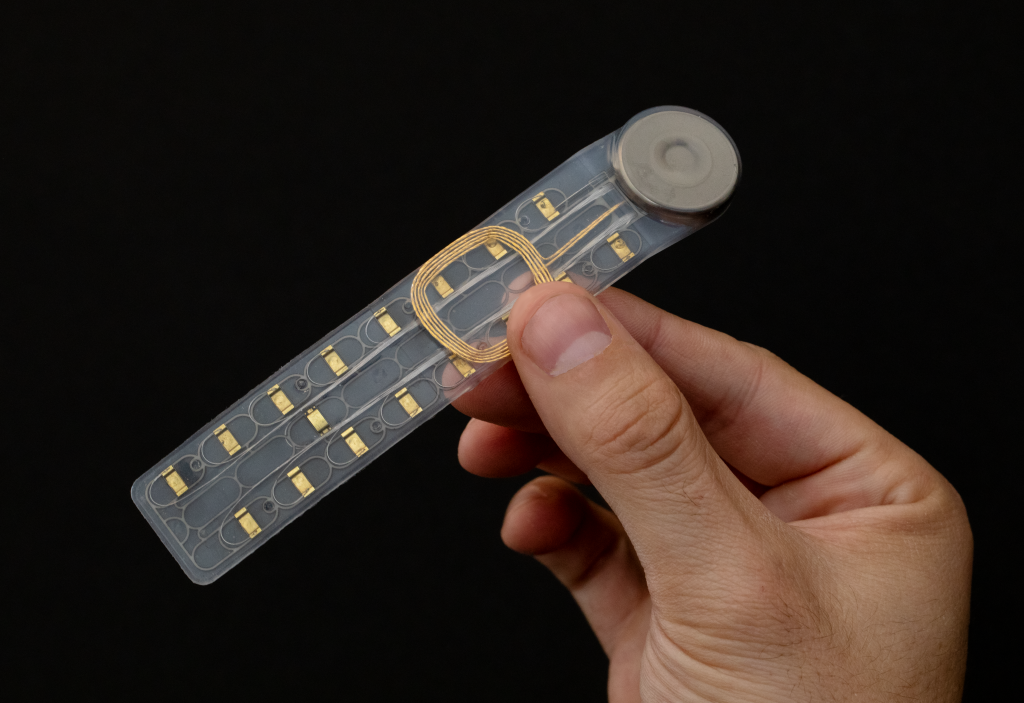
The FDA’s Breakthrough Devices Program offers more interactive communication with reviewers and prioritized review, while preserving the underlying standard for market authorization. Flow Neuroscience and Phantom Neuro both held Breakthrough Device Designation in 2025. Phantom Neuro also secured entry into the FDA’s Total Product Life Cycle Advisory Program for its Phantom X platform, a minimally invasive neural interface.
In late 2025, the EU introduced guidance on breakthrough devices under the EU-MDR and IVDR, aimed at supporting earlier dialogue and reducing unnecessary delays for qualifying products. The framework is intended to help novel devices move through the system more efficiently, though it operates within the existing MDR structure rather than as a fully separate approval pathway.
Neither designation guarantees approval. But taken together, they reflect growing institutional recognition that novel neurotechnologies may need more adaptive routes through regulation.
The U.S. and EU systems differ in structure, evidence expectations, and review processes. The FDA operates as a centralised authority with defined pathways, while the EU relies on a distributed network of Notified Bodies operating within the MDR framework. Those differences require distinct regulatory strategies for each market.
The regulatory landscape is also becoming more collaborative. The launch of the Implantable Brain-Computer Interface Collaborative Community brought together major U.S. neurotechnology companies with patient advocates, ethicists, researchers, and regulators, including participants from the FDA.
For neurotech, the strategic question is no longer simply which pathway to pursue, but how to build regulatory capability as a core competency. Precision Neuroscience used the 510(k) pathway for an implantable BCI through careful predicate selection. Flow Neuroscience navigated PMA in the U.S. while also managing the implications of Europe’s shift from MDD to MDR. QuantalX created a new device category through De Novo.
Regulatory strategy does not determine whether a technology works. But it increasingly shapes when and whether that technology reaches patients. As the field matures, the companies that close that gap first may not be the ones with the most advanced science alone, but those that can move through these systems with the most discipline and strategic poise.


.svg)
.svg)