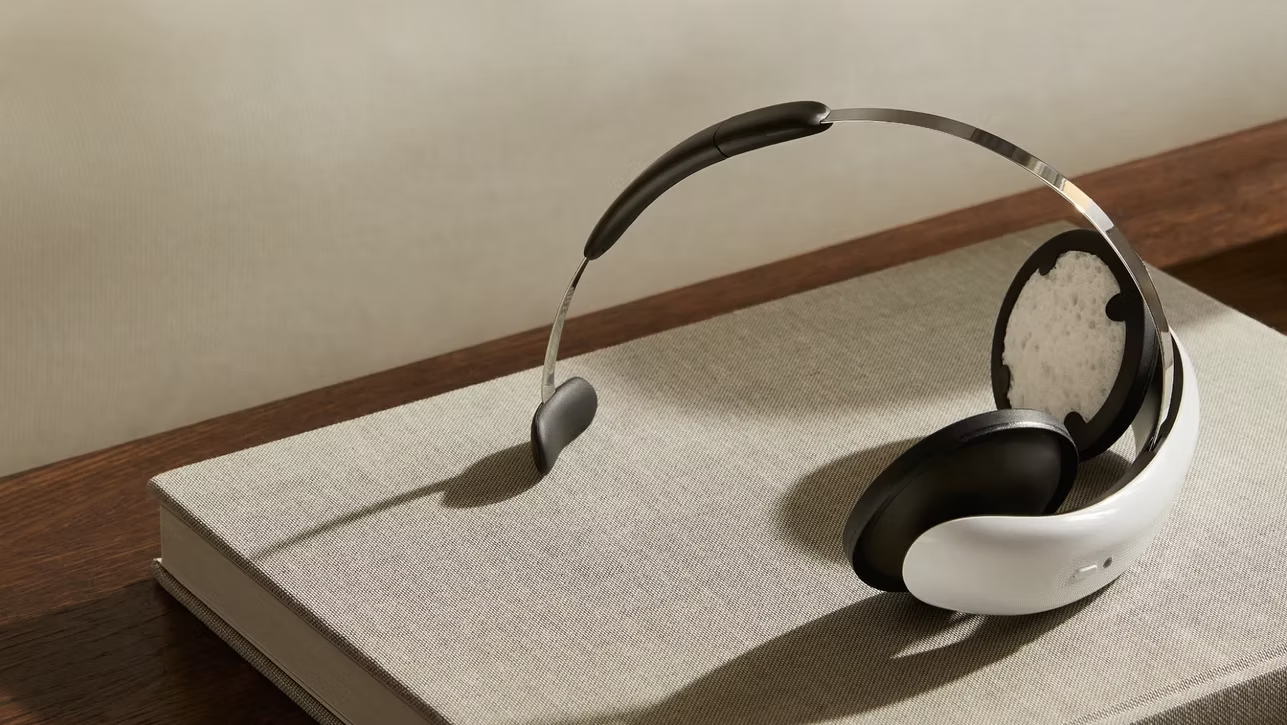
The FDA has approved Flow Neuroscience’s FL-100 headset, the first at-home brain-stimulation device cleared in the United States for treating major depressive disorder. The system, a prescription tDCS headset, delivers low-intensity currents to the prefrontal cortex through remotely supervised sessions. Flow presents it as an option for adults with moderate to severe depression, at a time when prevalence is rising and many patients face limits with medication or access to in-person care. With this decision, a treatment already used in European pilots is entering the US regulatory mainstream.
Non-invasive neuromodulation for depression has long centred on clinic-based interventions such as repetitive transcranial magnetic stimulation (rTMS), electroconvulsive therapy (ECT) and hospital-run transcranial direct-current stimulation (tDCS), while home-use devices have mostly sat in a wellness category. Flow’s approval shifts that boundary. The FDA clearance places lower-intensity stimulation tools within the same framework as established medical devices and raises practical questions about how at-home neuromodulation will be integrated into step-care models, reimbursement pathways and everyday clinical practice.
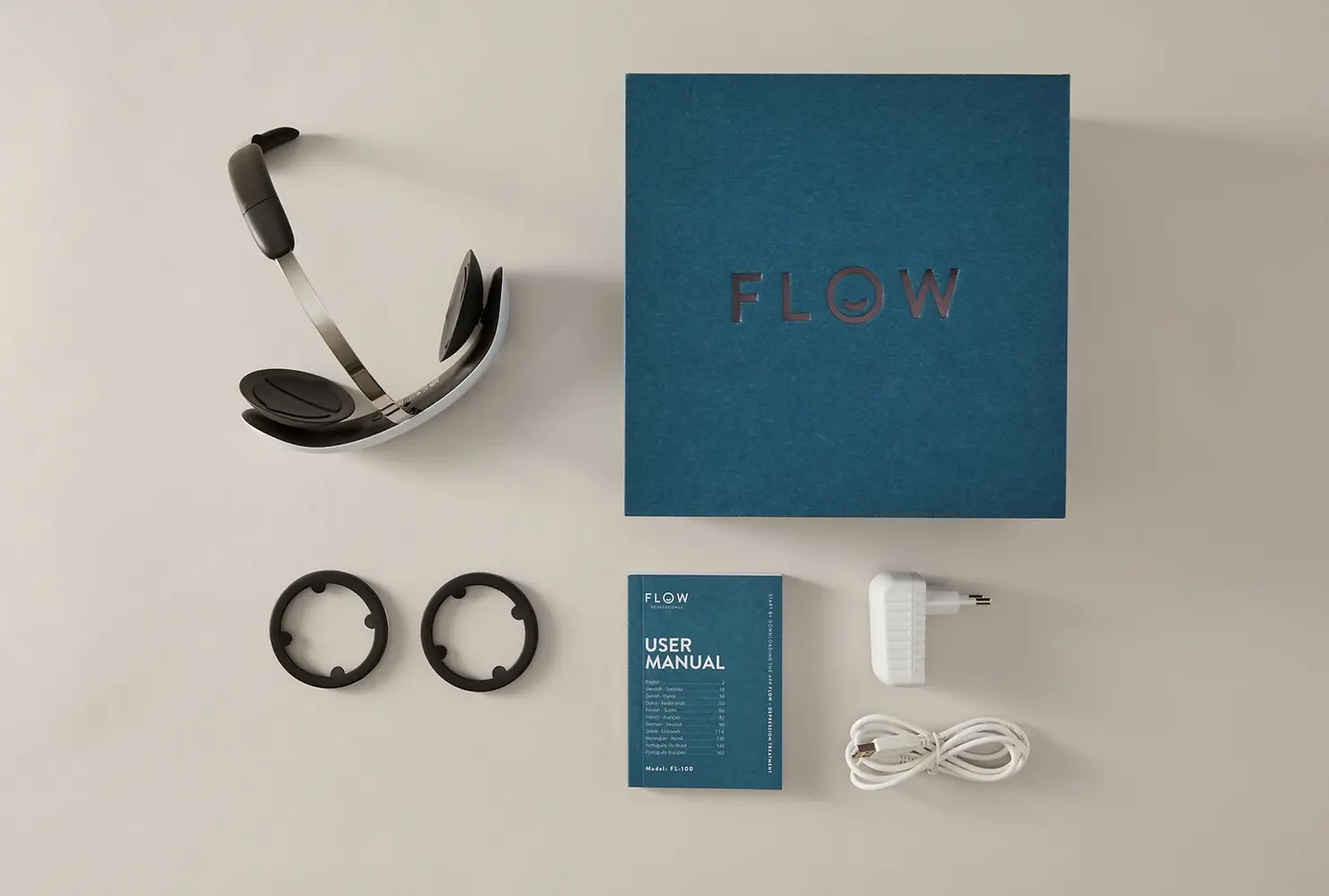
FL-100 is cleared for adults with moderate to severe major depressive disorder, either as a standalone treatment or alongside other therapies. The device is prescription-only and designed for at-home use, with remote supervision through Flow’s app. Treatment follows a structured twelve-week protocol, starting with five 30-minute sessions per week before tapering to two or three. Today's decision marks the first FDA approval of an at-home neuromodulation device for depression. Flow expects a US launch in the second quarter of 2026, with pricing in the range of five to eight hundred dollars and reimbursement discussions underway.
The approval is supported by a ten-week randomised controlled trial published in Nature Medicine, which tested home-based tDCS under remote supervision in adults with major depression. Participants receiving active stimulation showed significantly greater improvement than those in the placebo group, and Flow reports remission rates of around fifty-eight percent at ten weeks across standard depression scales. The trial was designed to reflect real-world conditions, with many participants already on medication or psychotherapy.
Flow also highlights internal real-world data from more than fifty-five thousand users in Europe and elsewhere, where most reported significant symptom improvement within the first three weeks. Side effects were generally mild, including tingling, skin irritation and headaches.
Outside the United States, Flow’s headset has been a CE-marked device since 2019 and has been used across the EU and UK, including in several NHS pilots. Over fifty-five thousand people have used the system in Europe, Switzerland and Hong Kong, and the device recently gained approval for at-home use in Australia. Flow's treatment combines tDCS hardware with a behavioural app that provides structured guidance on sleep, activity and coping strategies.
Neuromodulation for depression spans a wide range of interventions, from hospital-based ECT to clinic-delivered rTMS. ECT remains the most potent option but is invasive and reserved for severe cases, while rTMS has become a standard treatment for patients who do not respond to medication. Lower-intensity approaches like tDCS are easier to deploy but have historically produced more variable results. Flow’s at-home tDCS system now slots in early along that treatment pathway, targeting moderate to severe depression long before patients reach TMS or surgical options.
In the field of non-invasive neuromodulation, evidence is a key differentiator. Studies of tDCS for depression generally identify positive effects on depressive symptoms compared with placebo, but overall results vary across trials and outcome measures, and clinical response and remission rates are inconsistent across studies. Flow stands out through scale and implementation: a large Nature Medicine trial conducted at home, NHS pilots in the UK, and software built to support adherence. Real-world data from tens of thousands of users adds further weight to their claims. But while the FDA’s decision validates their specific tDCS system, it does not show how tDCS compares with medication, TMS or psychotherapy across longer time horizons.
The next twelve months will help clarify where at-home stimulation fits within regulated mental-health care. Flow’s 2026 launch will test how often clinicians prescribe the device, how insurers respond, and how well patients adhere outside controlled trial conditions. Several ongoing studies, including EMPOWER and other remote-stimulation protocols, may also help identify which subgroups benefit most from tDCS and how treatment schedules should be adapted in practice.
At the same time, the wider neuromodulation field is developing quickly. High-dose, personalised, and AI-guided TMS protocols are being developed alongside focused ultrasound trials and next-generation implantable systems. Consumer-facing transcranial electrical stimulation headsets continue to evolve parallel to Flow's development, though mostly outside medical regulation. Flow’s approval brings at-home brain stimulation into formal clinical pathways, but its long-term position in depression treatment will depend on real-world outcomes, reimbursement decisions and how clinicians choose to place it among the expanding set of treatment options.
.svg)