Even the most clinically successful brain-computer interface companies will likely face distribution challenges after FDA clearance. Last year, Apple started addressing part of that challenge by designating BCIs as a native input source for iPhone, iPad, and Vision Pro. Apple’s HID (human interface device) descriptor protocol produces a standard that lets external hardware, like a keyboard, mouse, or a brain interface, work with their devices without needing its own special software.
For someone with a spinal cord injury, a BCI can now direct command signals from the brain directly to an iPhone, allowing users to control the phone without physical movement. In May 2025, Synchron became the first company to reach native integration with Apple's descriptor. As more companies start to leverage Apple's health and accessibility infrastructure, neurotech begins reaching larger user scale and cleaner integration into daily life.
The BCI-HID descriptor builds on Switch Control, an Apple accessibility feature that has existed on iOS and iPadOS for over a decade. Switch Control highlights selectable options one at a time, cycling through icons or menu options. The user triggers a connected switch the moment the item they want is highlighted. The switch can be almost any reliable input: a physical button, a foot pedal, or an eye movement. Apple's HDI descriptor extends the framework to accept BCI signals as an input switch.
Synchron was the first BCI company to integrate the HID descriptor with its implant. The Stentrode, its investigational device, is deployed through a blood vessel toward the motor cortex where sixteen electrodes record electrical activity linked to movement intent. Those signals travel to an external decoder, which translates them into commands the descriptor sends to an Apple device.
Control Bionics, an Australian company also building on Apple's descriptor, takes a different approach. Its non-invasive NeuroNode system is worn on the skin and reads surface electromyography (EMG), the electrical signals muscles produce when the brain sends a movement command. Apple's descriptor lets that EMG data register as a switch input, extending Switch Control access to patients without needing a surgical procedure.
Apple's descriptor doesn't distinguish between an implanted electrode and a surface-worn one; both register as the same category of input, running through the same Switch Control system, on the same devices running iOS 26 or later. Apple built the descriptor as a category-level input standard, open to any qualifying hardware.
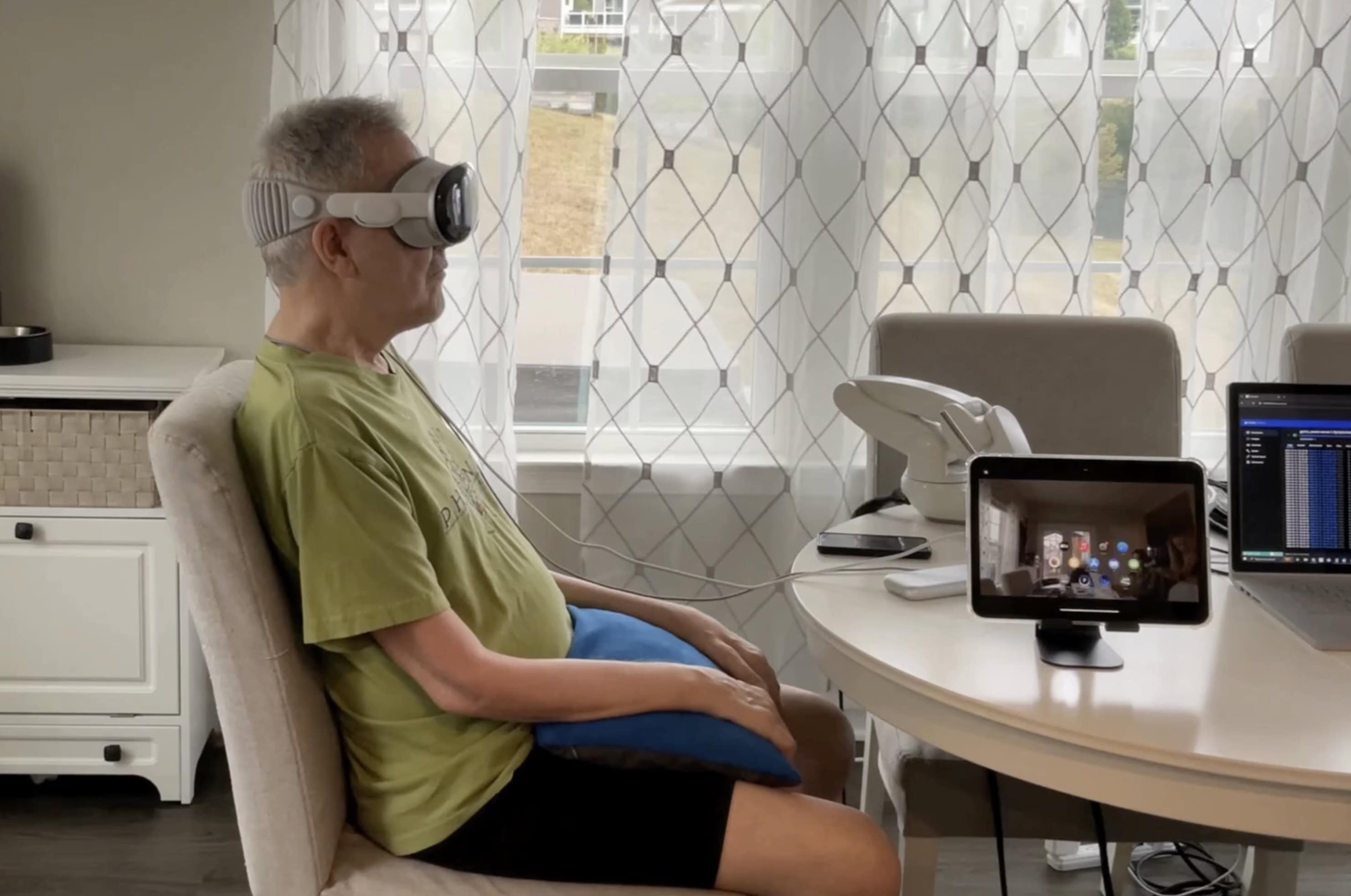
The BCI-HID is only one instance of a pattern that runs across Apple’s accessibility and health tools. A medtech company supplies the clinical device, the sensor, the signal processing, and the trial validation. Apple builds and maintains the interface and protocol, and publishes it for outside developers to build against. Both parties get a product experience that reaches a scale neither could achieve alone.
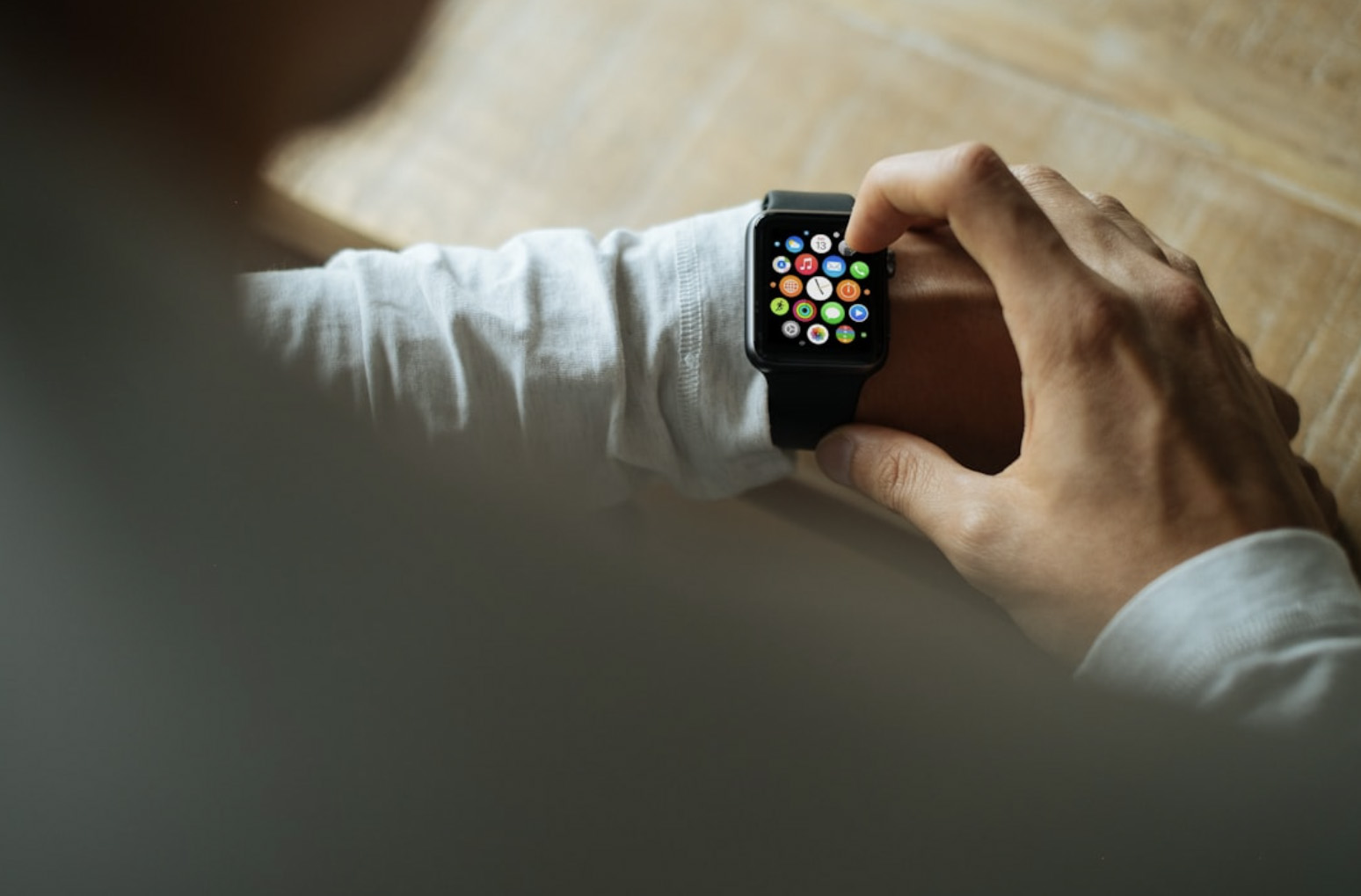
That pattern extends far beyond BCIs. Cognixion uses Apple’s Vision Pro headset as the basis for its non-invasive communication restoration tool. Apple’s Movement Disorder API brings Apple’s scale advantage to health monitoring, allowing apps to monitor tremor and dyskinesia data straight from Apple Watch sensors. The API is already the basis for Rune Labs’ FDA-cleared StrivePD application.
In recent years, Apple has also moved beyond providing infrastructure for external health companies. Features spanning ECG, sleep apnea notifications, and hearing assistance now sit natively within Apple hardware and software. Whether neurotech functions currently delivered by external companies, such as tremor monitoring for Parkinson’s patients using the Apple Watch, will eventually be integrated natively remains an open question.
.svg)