Over the last decade, transcranial magnetic stimulation has become a legitimate treatment option for depression, with a list of FDA clearances, reimbursement pathways, and commercial infrastructure. BrainsWay’s stock movement also reveals commercial interest in TMS, rising 73% over the past six months. Yet that legitimacy has not solved an access problem. Traditional TMS is a large, clinic-based system that depends on expensive equipment, trained staff, repeated patient visits, and increased operational capacity.
Two weeks ago ,TMS-player Ampa Health raised around $17m in a round that shows a market moving into a new phase. Ampa is using the funding to develop a portable TMS platform that is smaller, faster, cheaper, and much easier to distribute. This miniaturization move comes off the back of Flow and Neurolief opening the FDA pathway for wearable home-use neuromodulation in MDD. For neuromodulation, the future seems to be in a smaller package.
Two weeks ago, Palo Alto-based Ampa announced an oversubscribed financing to accelerate the rollout of its FDA-cleared TMS platform for depression. The round was reported by Neurotech Futures at around $17m and included Morningside Ventures, Trimera Capital, Neta Foundation, Jake Collective, and well-known author and investor Tim Ferriss. Ampa is active in more than 30 U.S. states, has secured regulatory approval in Israel, and has raised more than $35m to date.
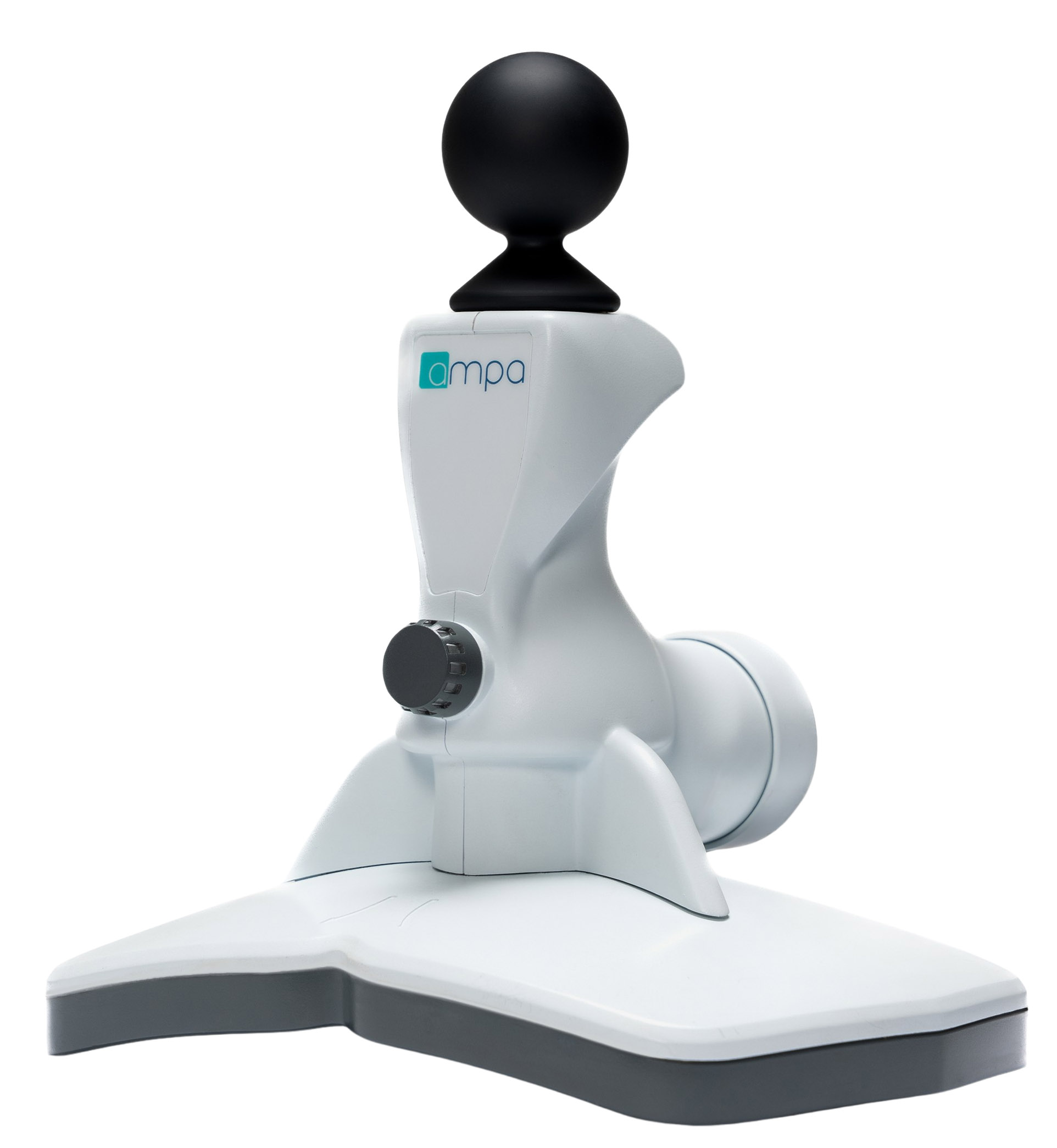
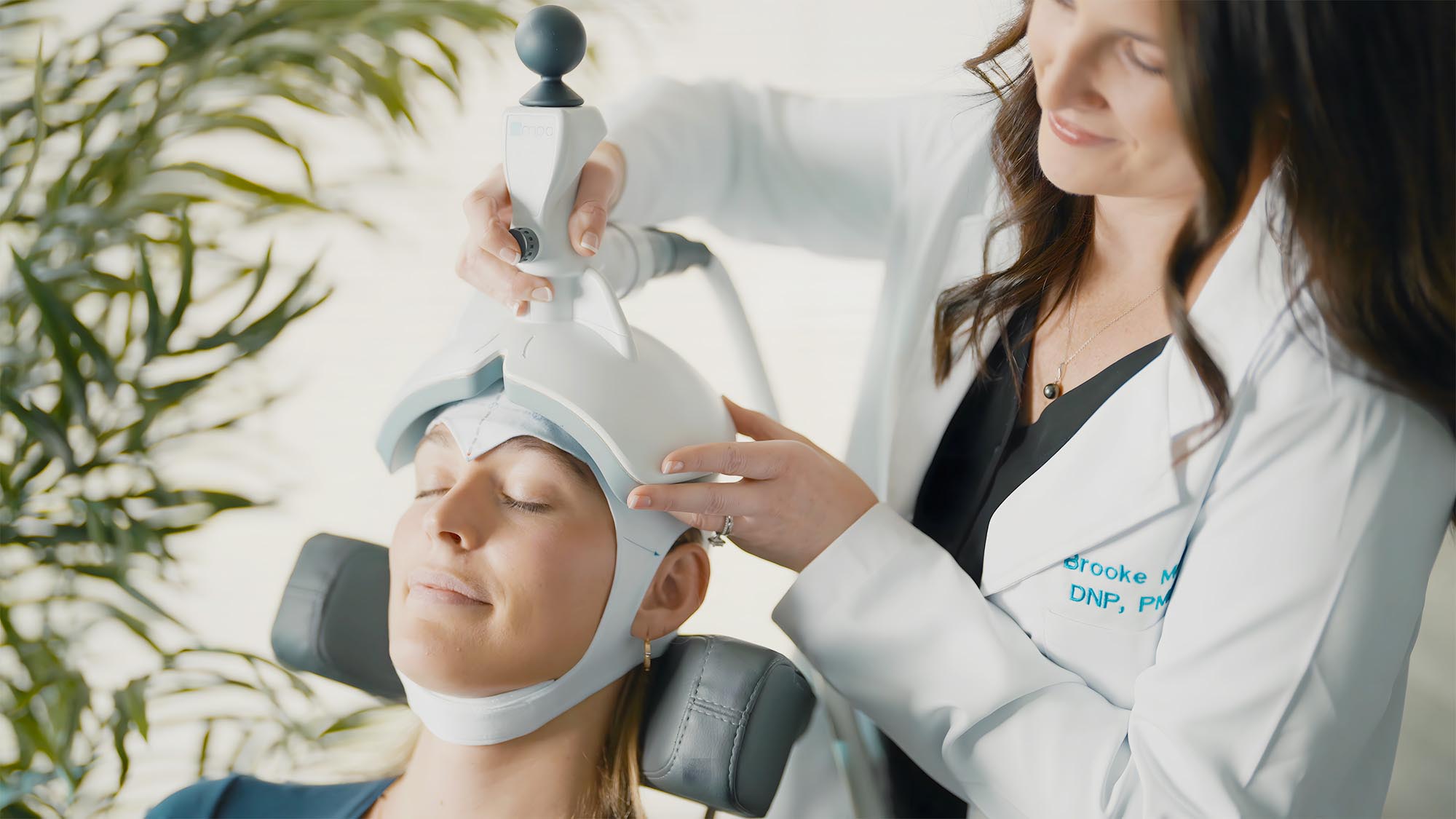
The company’s core product, Ampa One, is a portable TMS system built around a simpler clinic deployment model. Ampa prices the system at $3,000 per month, says it fits in the trunk of a car, and can be operated after only a few hours of training. The portable platform features a lightweight hand-held coil, camera-guided targeting, and pre-printed neuronavigation caps.
Ampa's latest round follows a fast shift from clearance to commercial rollout. In June 2025, Ampa emerged from stealth with FDA clearance of Ampa One. Four months later, it raised an $8.5m oversubscribed round and launched a nationwide rollout. The 510(k) clears One for adult MDD patients who have failed to achieve satisfactory improvement from prior antidepressant medication in the current episode.
TMS is by now reasonably established in depression. Yet the delivery model remains heavy. It requires dedicated clinic space, costly equipment, trained operators, and repeated visits. Ampa makes these constraints part of its core positioning, noting that TMS has been FDA-cleared for treatment-resistant depression since 2008, while the equipment has remained too expensive, large, and complex for many clinics to adopt.
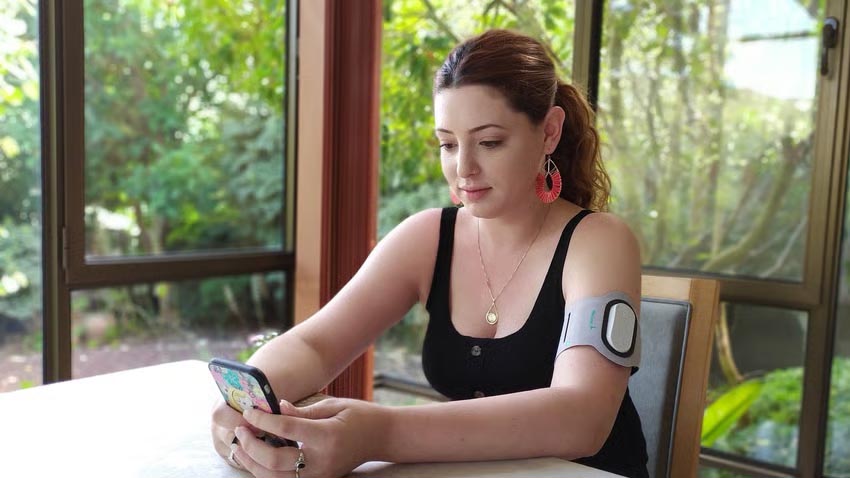
In the last year, there has been a clearer shift towards more compact neuromodulation. Flow’s FL-100 received FDA PMA approval in December for adults with moderate to severe MDD, either as a monotherapy or adjunctive treatment. A few weeks later, Neurolief’s Proliv Rx received FDA PMA approval as an adjunctive treatment for adults with MDD, for use at home or in clinic.
TMS incumbents are responding accordingly. After Proliv Rx received FDA approval, BrainsWay completed an additional $6m milestone-based convertible loan to Neurolief, bringing its total investment in the company to $11m. The agreement includes possible additional funding and a call option to acquire Neurolief. AMPA competes more directly, keeping TMS in the clinic but reducing the physical and operational burden of offering it.
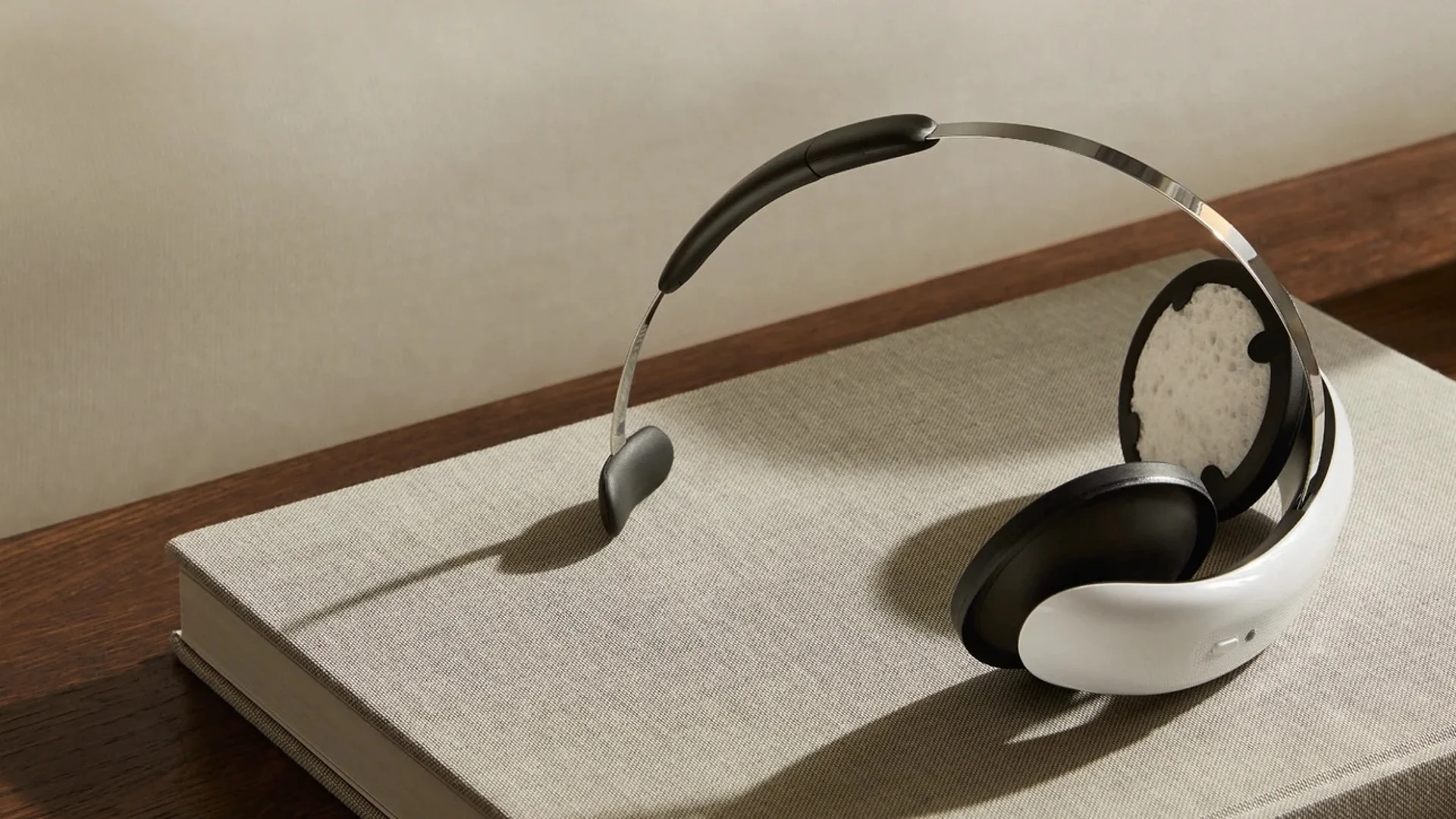
Beyond the form factor, protocol is becoming a strategic differentiator in TMS. Magnus Medical’s SAINT system became the reference point in 2022, when it received FDA clearance for adults with MDD who had not improved from prior antidepressant medication. SAINT compressed treatment into an individualized five-day protocol. BrainsWay followed in September 2025 with FDA clearance for an accelerated Deep TMS protocol for MDD.
AMPA is doubling down on the acceleration story through its Ampa One Day protocol, or ONE-D. In a 2025 study published in Transcranial Magnetic Stimulation, AMPA’s system was tested in a single-day regimen delivering 20 iTBS sessions over 9.5 hours. But ONE-D remains an early evidence case. The study was retrospective, and the Clinical TMS Society has since issued a statement on the level of evidence required for claims around single-day TMS.
Beyond form and protocol, TMS is expanding through a series of label expansions. Adolescent MDD is the clearest example. NeuroStar received FDA clearance in March 2024 as an adjunct treatment for MDD in adolescents aged 15 to 21, BrainsWay received clearance in November 2025, while Nexstim announced clearance in March 2026. BrainsWay has also announced plans to submit an FDA filing for Deep TMS in treating PTSD symptoms in patients with MDD.
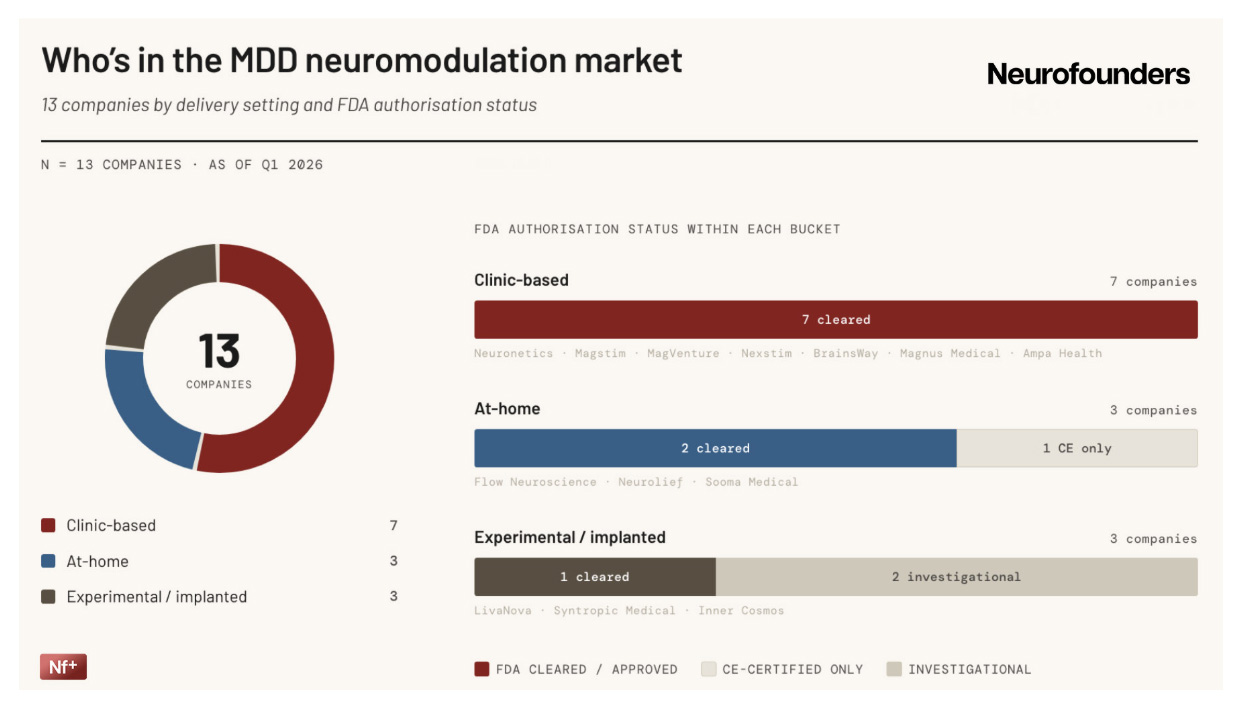
Neurofounders analyzed a snapshot of neuromodulation firms in MDD. You can download the free PDF here.
.svg)