BCI shows progress measured in data and durability. Neuralink pretrained its decoders on more than 50,000 hours of recordings, cutting recalibration for some participants to around ten minutes a week. Paradromics reported more than four years of stable recordings in sheep, while Precision Neuroscience built a neural atlas from 70 patients and more than 87,000 microelectrodes. Different forms of evidence, but a growing focus on larger datasets and long-term performance.Elsewhere, Newronika began its pivotal adaptive DBS study, NeuWire received FDA approval to start a pivotal stroke trial, and Cala launched its next-generation tremor wearable nationwide. Meanwhile, MintNeuro raised $5M to scale its neural chips, while its customer Motif Neurotech became the first investment of Rice University's new venture fund.


INBRAIN Neuroelectronics and the EU-funded MINIGRAPH consortium reported progress on graphene-based brain interfaces. Their system combines ultra-thin recording probes with magnetic robotic navigation, allowing implantation along curved trajectories to reach difficult brain targets. Validated in a large animal model, the approach could expand deep brain stimulation targeting.

Science reported 36-month results from its PRIMA retinal implant trial in geographic atrophy. Among 18 patients assessed for efficacy, visual acuity improved by an average of 29 ETDRS letters, up from 24.5 at twelve months. 78% of patients gained at least 15 letters on the test. No new safety signals emerged after the first year. The data remain unpublished, following PRIMA's European commercial launch in July.

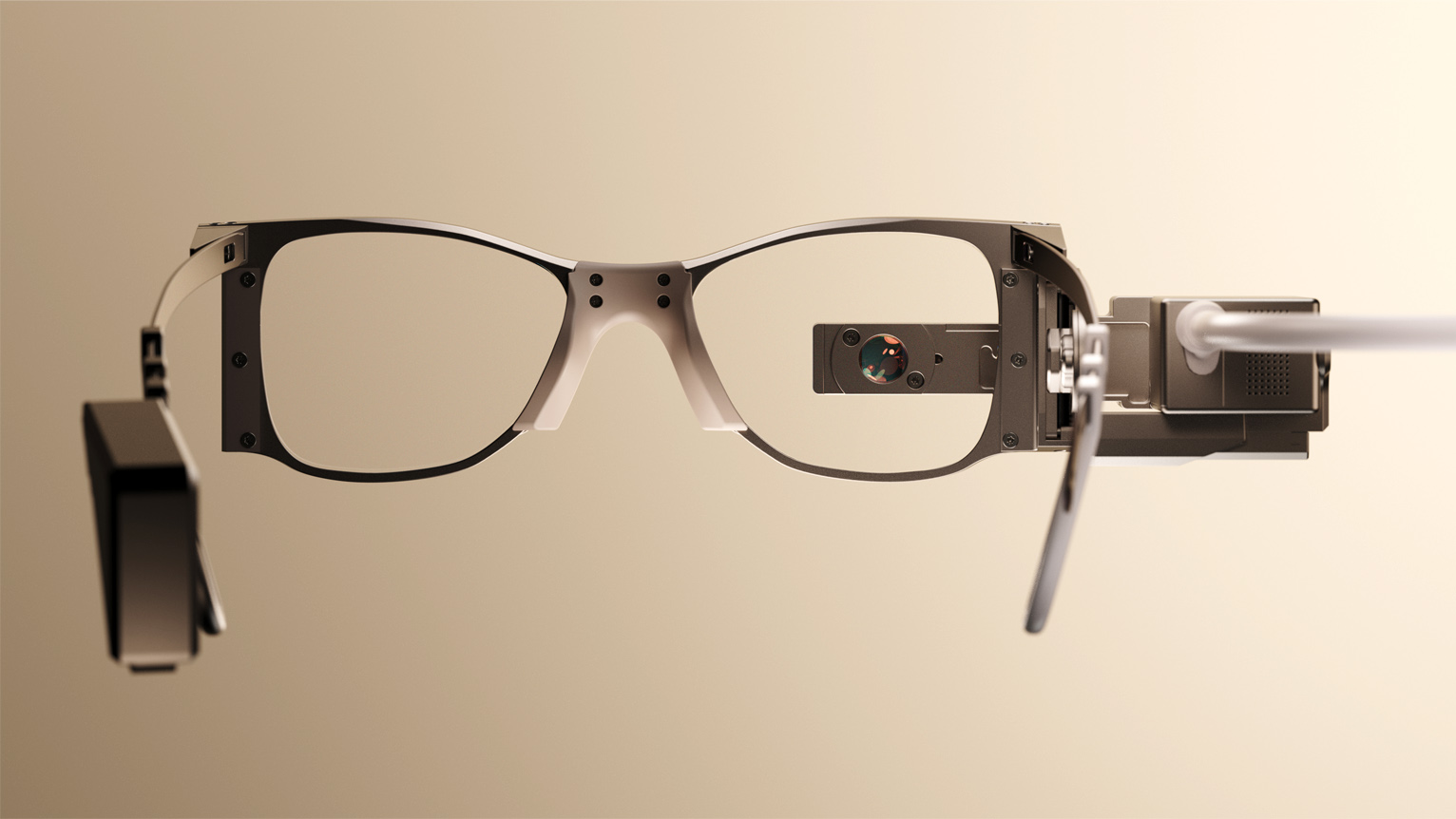
Bridge Neurotech emerged from stealth with $13.5M to develop a non-invasive BCI using functional ultrasound to measure changes in cerebral blood flow. Backed by General Catalyst and others, the company signed a multi-year agreement to license Butterfly Network's Ultrasound-on-Chip technology, following a similar deal with Merge Labs and Aleph Neuro. Its first study will use ultrasound to record brain activity through the intact skull.
Precision Neuroscience released a manuscript describing a human neural atlas built from 70 patients across twelve medical centers. The manuscript contains recordings from its Layer 7 interface, spanning more than 87,000 microelectrodes, 100,000 anatomical locations, and 180 hours of neural and behavioral data. The recordings cover regions from the cortex to the spinal cord. The dataset supports Precision's ambition to develop a whole-brain interface.

Paradromics reported more than four years of stable neural recordings in two sheep implanted with electrodes representative of its Connexus BCI. Signal quality remained steady without electrode migration, while a separate six-sheep study of the full platform is approaching two years of stability. The findings support its long-term durability work as Paradromics advances its Connect-One human feasibility study for speech restoration.

Neuralink reported results from pretraining its neural decoders on more than 50,000 hours of intracortical recordings. The self-supervised approach helps decoders stay accurate despite neural signal drift, reducing recalibration for some participants from ten minutes a day to ten minutes a week. Six participants also set personal bests using their implants, including one who reached 11.32 bits per second on the Webgrid cursor task.
Cognito Therapeutics partnered with the Rhode Island Life Science Hub to launch a statewide Brain Health Collaboratory evaluating its Spectris platform for Alzheimer's disease. It is Cognito's third such partnership, with pivotal HOPE trial results expected later in 2026.

PathMaker Neurosystems published preclinical results showing its non-invasive electrical stimulation reduced TDP-43 protein aggregates by 76% in an ALS mouse model. Its MyoRegulator system holds FDA Breakthrough Device Designation and is undergoing clinical testing.
Motif Neurotech became the first investment of One Giant Leap Ventures, Rice University's new venture fund offering up to $500,000 per investment. The Rice spinout is developing a minimally invasive brain implant for treatment-resistant depression.
NeuWire Medical received FDA IDE approval for STROKE-REWIRE, a pivotal sham-controlled trial of its implanted vagus nerve stimulation system for post-stroke rehabilitation. The study will enroll up to 135 patients across 12 US sites, starting in 2027.

Newronika implanted the first participant in ADVENT, a pivotal trial comparing adaptive with conventional DBS in Parkinson's disease. The randomized crossover study will enroll 104 patients across up to 18 US and EU sites, supporting a future FDA approval application.

Cala launched its next-generation kIQ Plus tremor wearable nationwide for essential tremor and Parkinson's disease. The prescription device adds three selectable stimulation waveforms and recalibration before each session. Company-reported data presented at AAN showed 76-89% of patients achieved at least a one-point improvement in TETRAS performance scores across modes. The device is covered by Medicare for eligible patients.
Thymia presented an AI model that screens for type 2 diabetes using a 20-second voice recording. It identified 82% of confirmed cases among 801 participants, but produced a 47% false-positive rate. The results have not been peer-reviewed.

Ceribell received FDA 510(k) clearance for quantitative EEG trending and amplitude-integrated EEG analysis, including alpha-delta ratio and burst suppression monitoring. The clearance covers all ages, including neonates, with a software rollout planned for early 2027.

Elemind, developer of an EEG sleep headband that uses brain-timed audio stimulation, was acquired by an undisclosed buyer. Founder Meredith Perry and her team will join the acquirer.

Neurable launched Neurable One, a $499 EEG headphone with 12 sensors integrated into its ear pads to monitor focus, cognitive load, and fatigue. It marks the company's move into its own hardware following its collaboration with Master & Dynamic.

Sabi raised a $50M seed round led by Khosla Ventures, with Accel and DST Global participating, to develop an EEG-equipped cap for decoding imagined speech. The company claims it built a foundation model trained on over 100,000 hours of recordings and that it now reaches 30 words per minute at up to 77% accuracy using a wired lab prototype. No peer-reviewed results or accuracy methodology have been published. An early wearable prototype is expected at CES 2027.

Karavela released Cephalonauts One, an open dataset containing 90 hours of whole-brain fMRI from three participants listening to speech. Its 618,296 brain volumes include aligned audio and transcripts, enabling researchers to benchmark speech decoding from neural activity.

MintNeuro raised $5M, led by Odyssey Ventures, to scale its low-power neural chips for sensing, processing, and stimulation. The London company already supplies Motif Neurotech under a multi-year agreement and plans to expand in the US.