STARTUP PROFILE

INBRAIN Neuroelectronics

COUNTRY
Spain
FOUNDED
2020
CATEGORY
Brain-Computer Interface
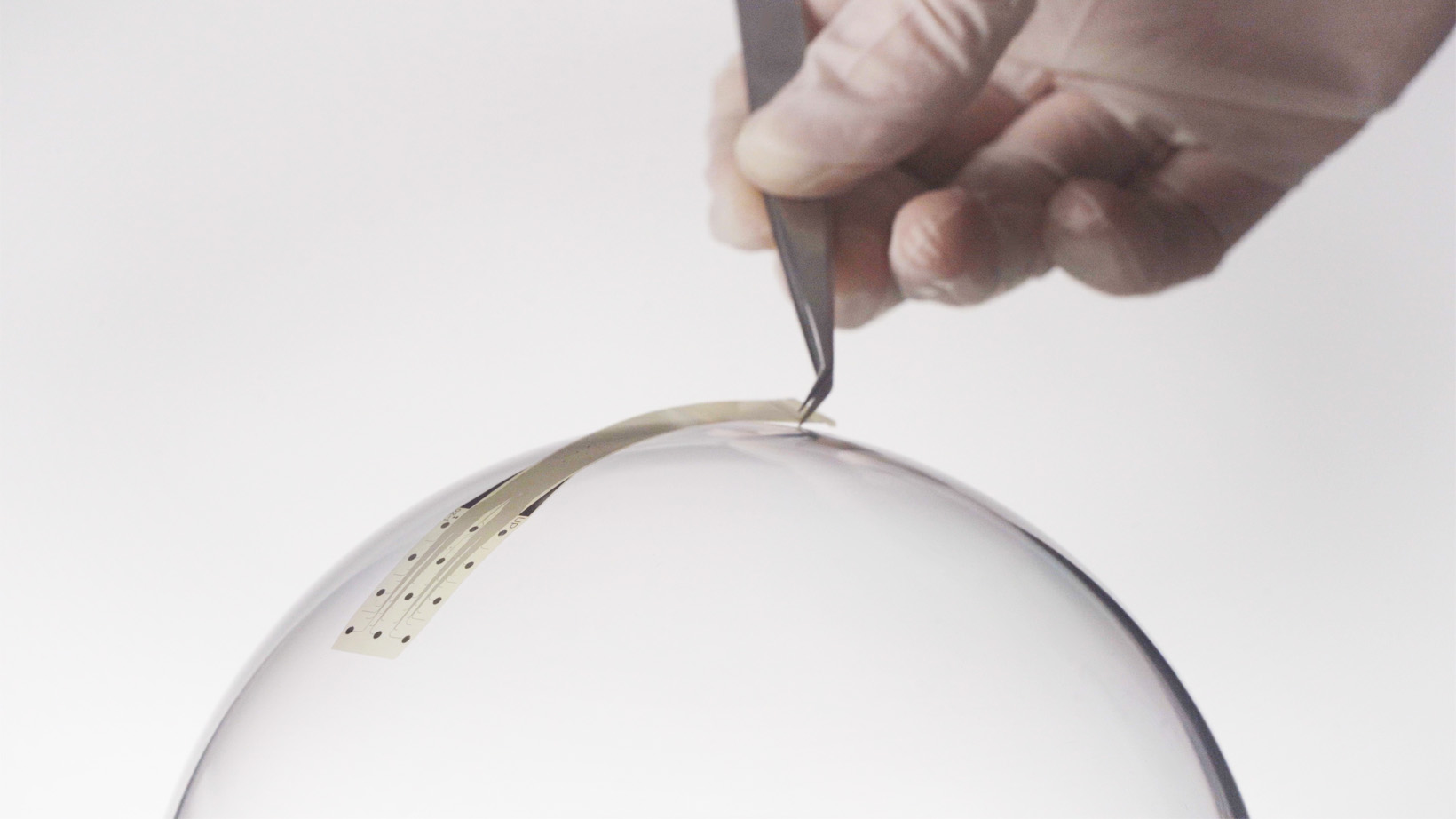
Developing ultrathin graphene-based neural implants (<10 µm) for AI-powered, bidirectional modulation of neurological disorders like Parkinson’s.
Visit website →
Market Notes · Biweekly

Track this company

Funding, launches and regulatory moves across the neurotech startup map.

Subscribed. Check your inbox to confirm.

INBRAIN Neuroelectronics

news and updates

  • 17 Aug 2026: CEO Carolina Aguilar told Neurofounders that INBRAIN’s first-in-human study in Manchester met its primary safety endpoint and its secondary decoding endpoint against metal electrodes. Exploratory speech decoding told phonemes apart with about 70% accuracy. The next phase will run in the US with Mayo Clinic. Read our interview.
  • 20 Apr 2026: INBRAIN completed enrolment in its first human graphene BCI study: 10 patients recruited and 8 implanted during brain tumour surgery. There were no device-related adverse events up to discharge and no device failures. Read our coverage.
  • Nov 2025: INBRAIN announced a collaboration with Microsoft to run its neural platform on Azure, using agentic AI to propose stimulation adjustments, starting with Parkinson’s disease. Read our coverage.
•
Neurofounders Insights
$   Funding   -
Series B
MODALITY
ECoG
FORM FACTOR
Implant
INTERFACE DEPTH
Implantable
INDICATION
Parkinson's
TARGET USER
Patients
REGULATORY STAGE
Investigational
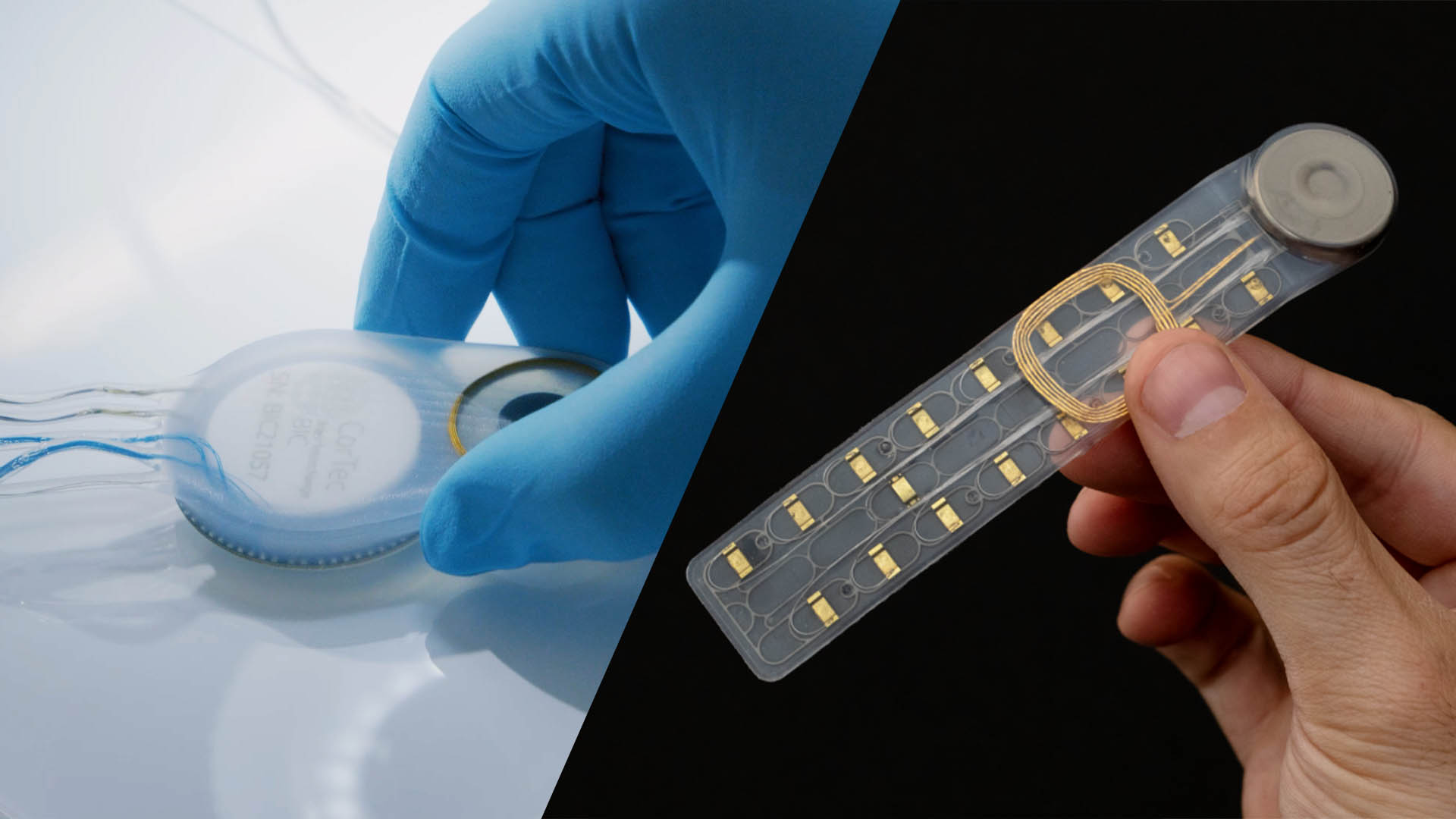
INBRAIN Neuroelectrics is differentiated by its graphene-based implant architecture, which promises thinner, more conformable, and potentially higher-fidelity neural interfaces than conventional materials. Its Series B funding and therapeutic focus in Parkinson’s and epilepsy position it among the more credible next-generation implantable neuroelectronics companies, though it remains pre-commercial.
•
Mentioned in Market Notes
MOST RECENT COVERAGE
#
11
BCI reaches a new scale
30 September – 13 October 2026

INBRAIN Neuroelectronics and the EU-funded MINIGRAPH consortium reported progress on graphene-based brain interfaces. Their system combines ultra-thin recording probes with magnetic robotic navigation, allowing implantation along curved trajectories to reach difficult brain targets. Validated in a large animal model, the approach could expand deep brain stimulation targeting.

Articles featuring
INBRAIN Neuroelectronics