Science reported 36-month results from its PRIMA retinal implant trial in geographic atrophy. Among 18 patients assessed for efficacy, visual acuity improved by an average of 29 ETDRS letters, up from 24.5 at twelve months. 78% of patients gained at least 15 letters on the test. No new safety signals emerged after the first year. The data remain unpublished, following PRIMA's European commercial launch in July.
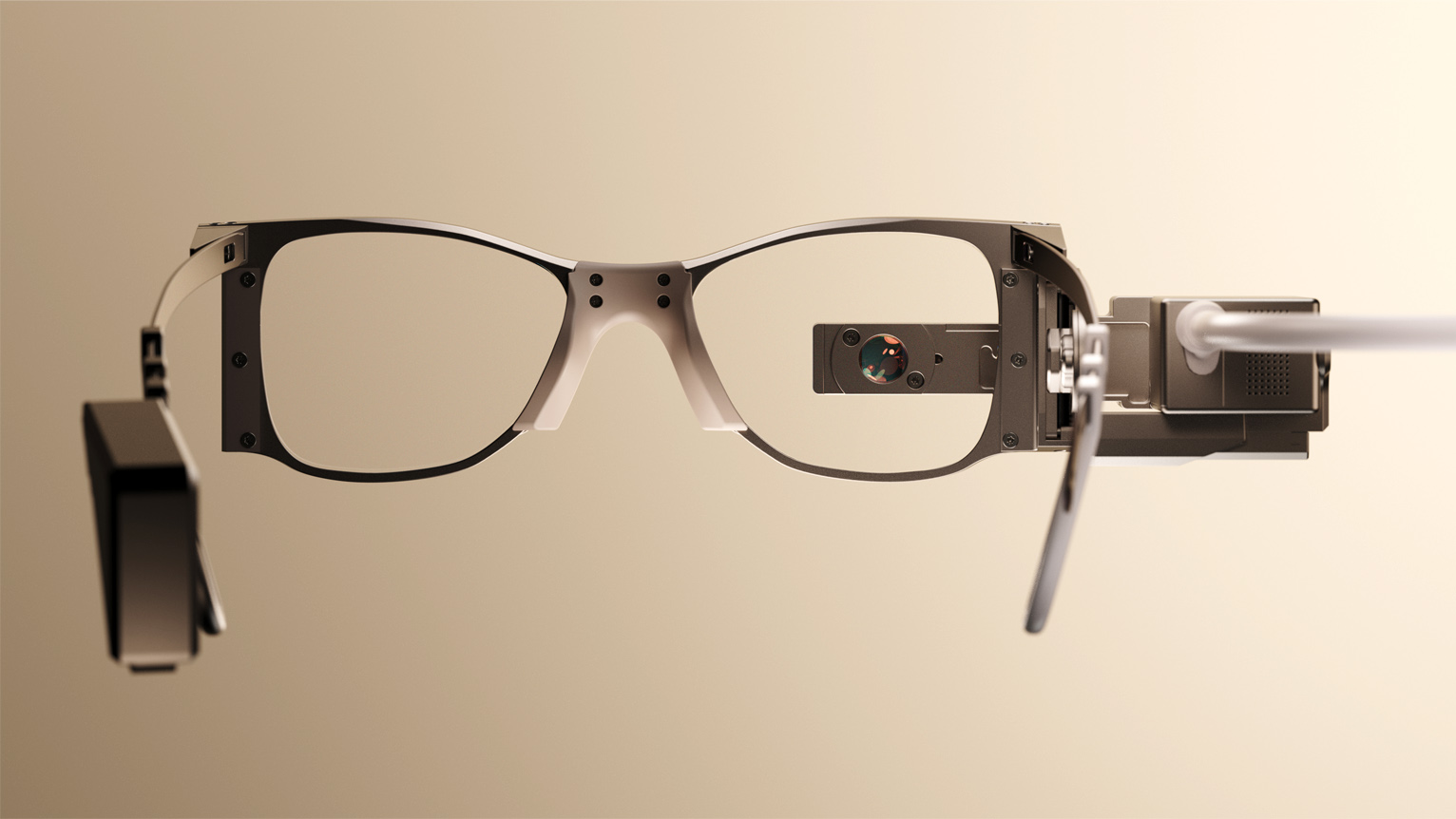
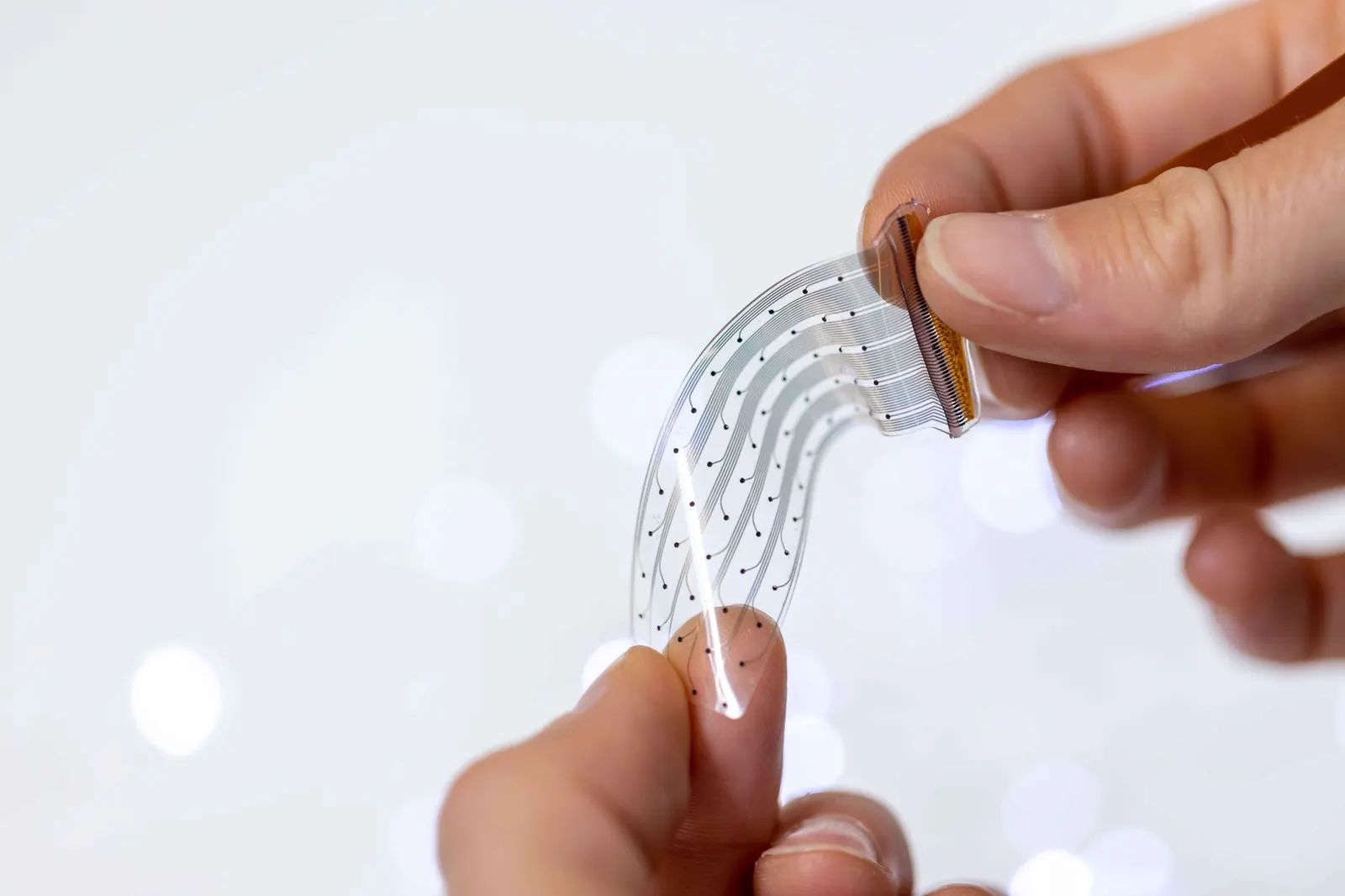
Science received a CE Mark for its PRIMA retinal implant, launching it commercially across Europe. The 2mm photovoltaic chip sits beneath the retina and pairs with camera-equipped glasses that beam near-infrared light to power it, activating the retina directly when rods and cones have been lost. In trials, 80% of patients with advanced macular degeneration regained the ability to read letters, numbers, and words. Led by former Neuralink president Max Hodak, Science expects its first commercial implant in Germany.