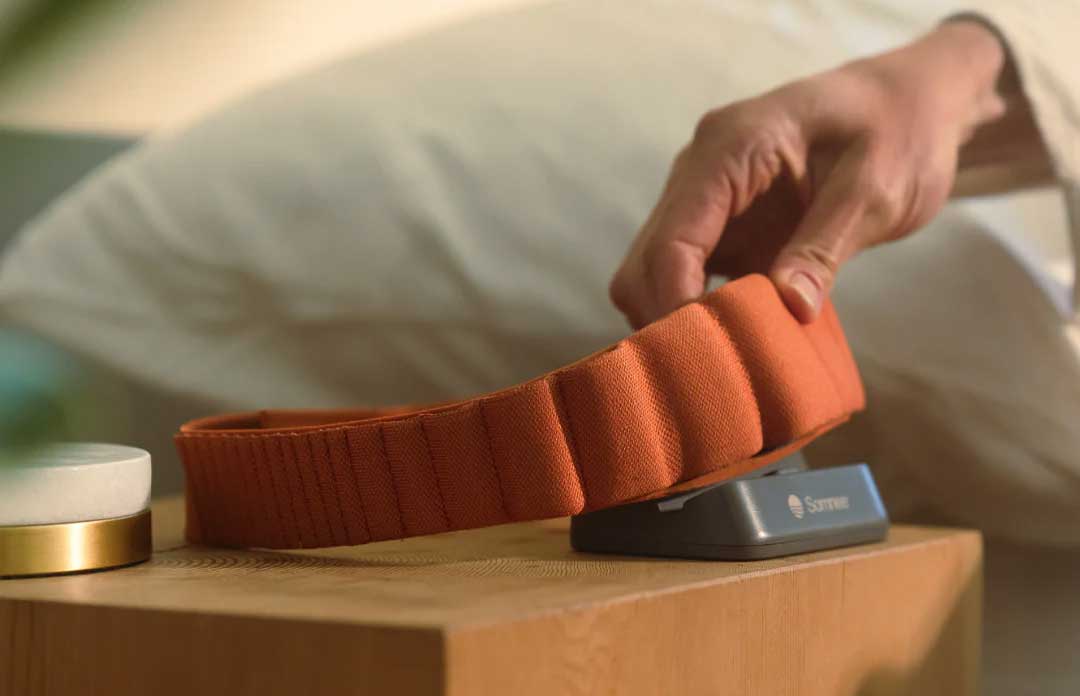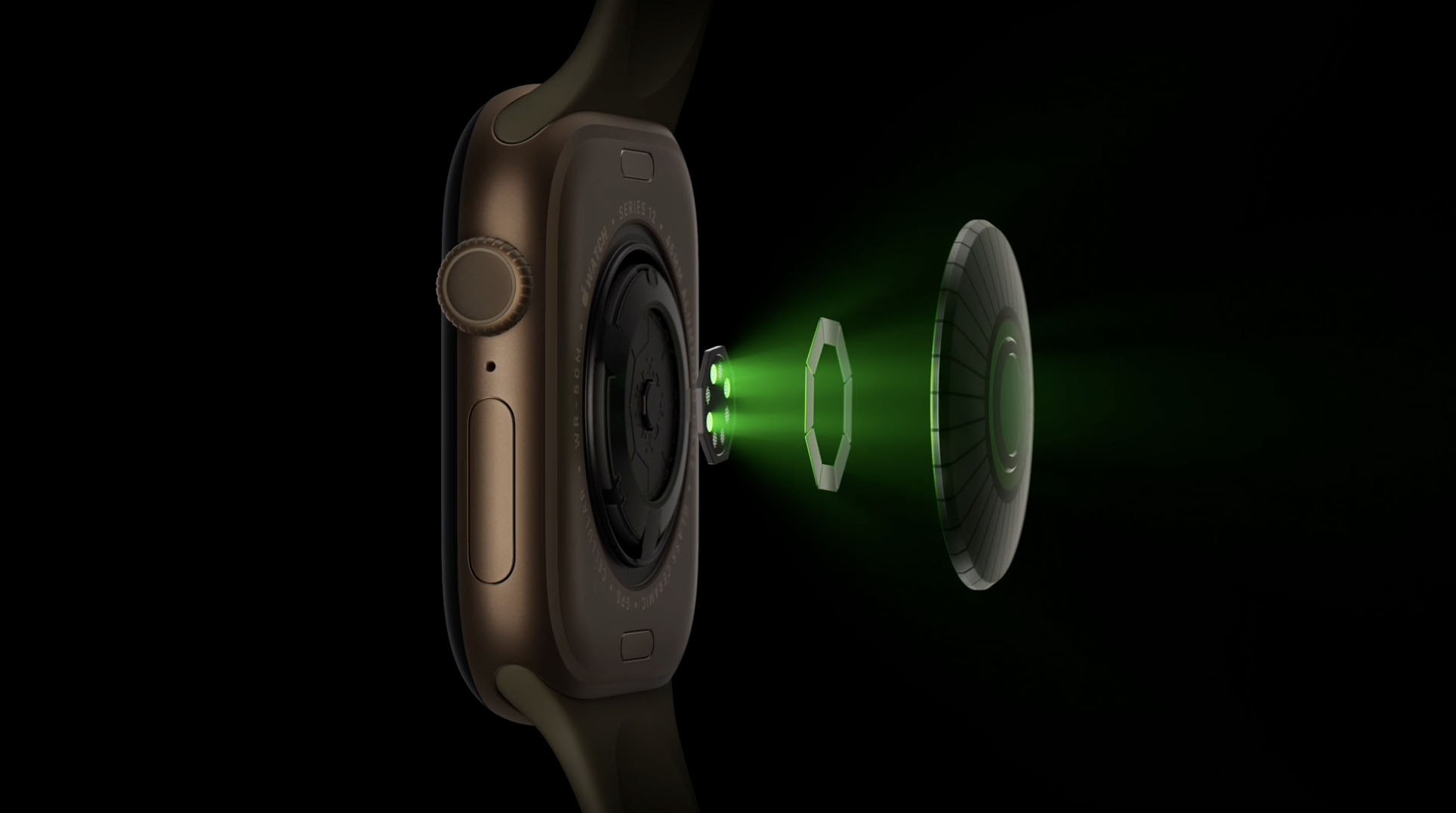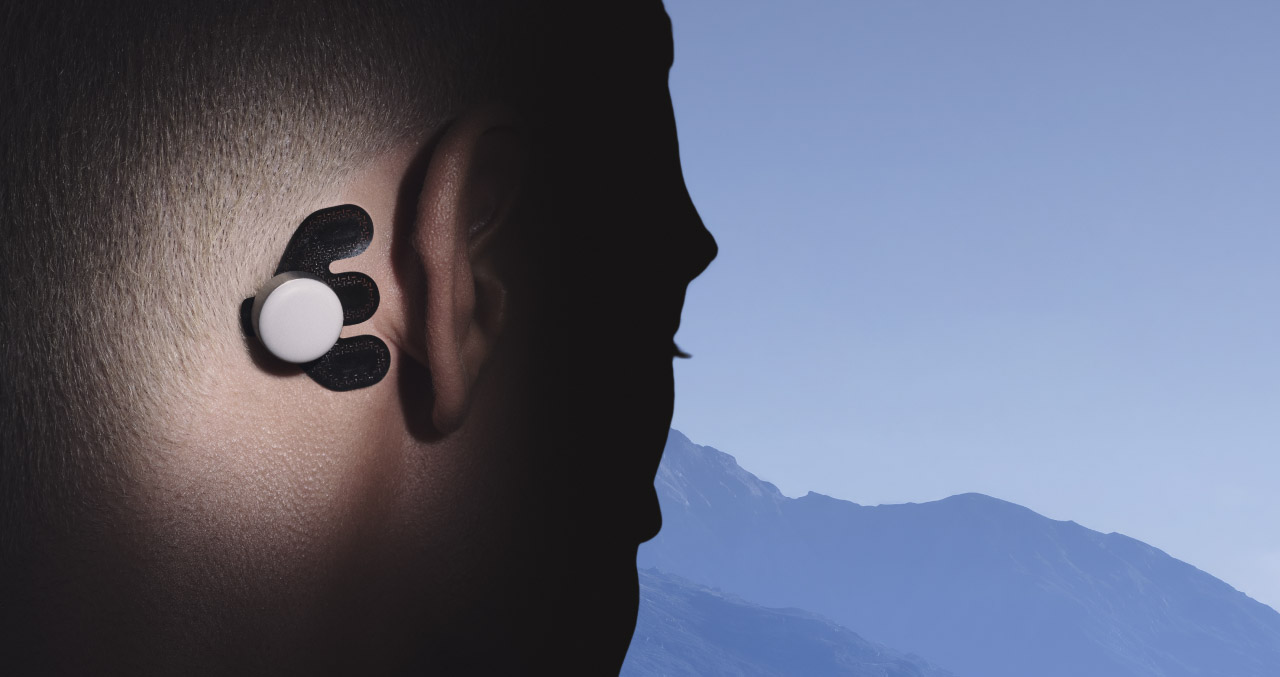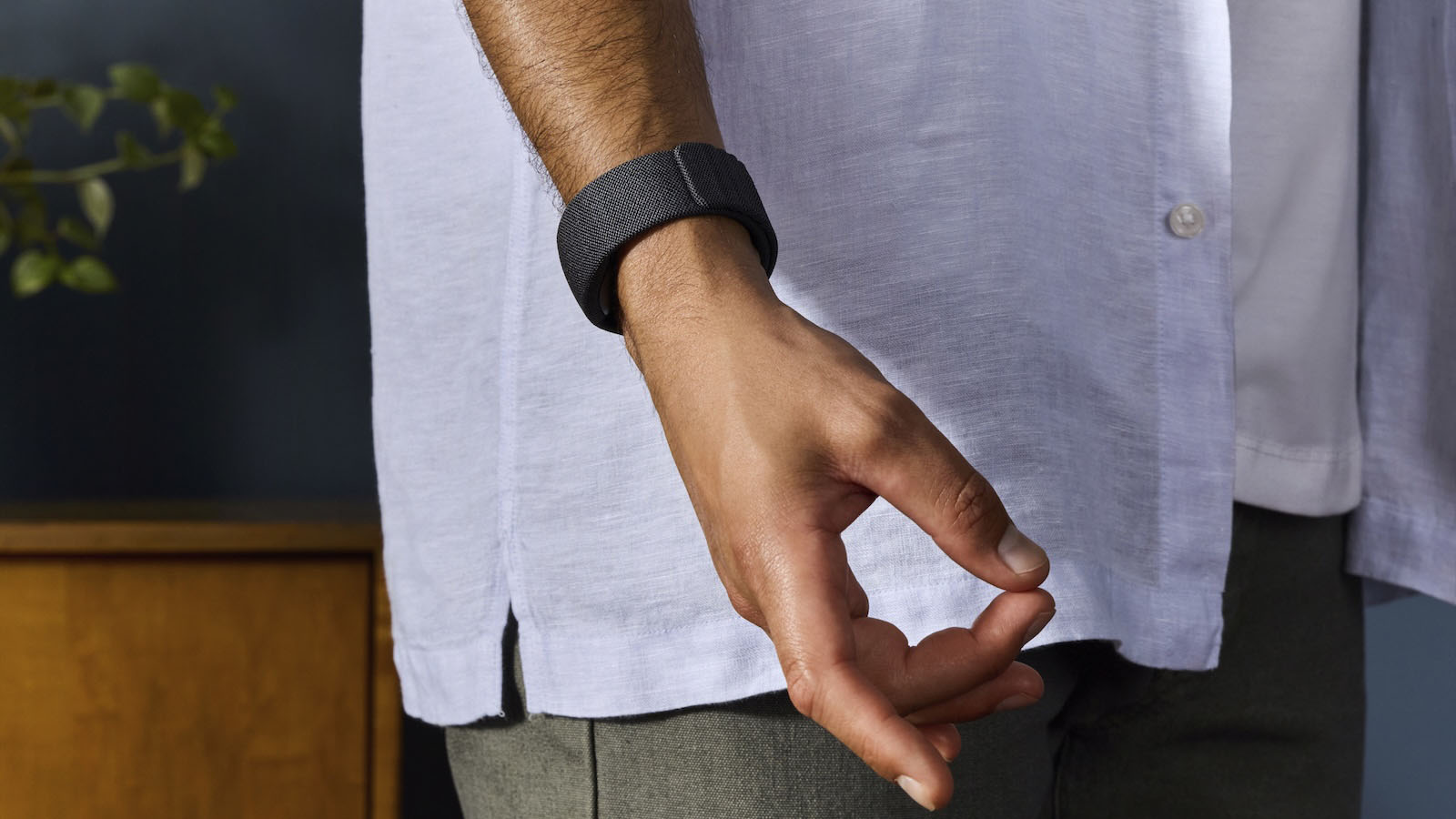
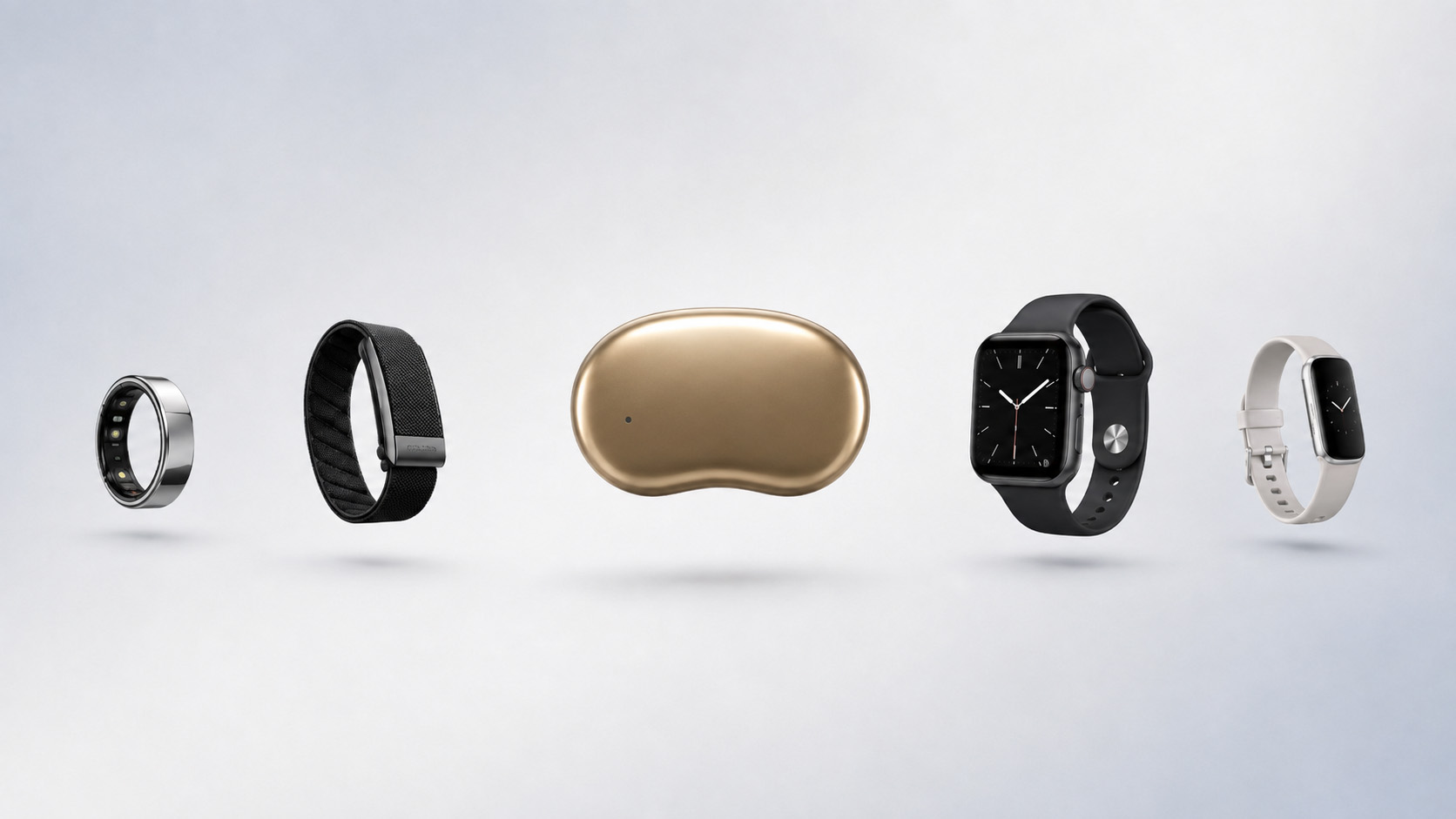
New wearables are arriving fast. From Google’s new Fitbit to Garmin’s Circa band, companies are increasingly competing for a share of the growing wellness-tracking market. Temple takes a different route to most. In February, the Indian startup raised $54 million for a temple-worn device positioned to measure cerebral blood flow in athletes. It has since manufactured its first devices, introduced a biomarker called Entropy, and outlined plans for its first $1,000 wellness product.
As Temple attracts investor interest at a valuation of roughly $500 million, its product vision shifts away from the brain. Entropy is described as a real-time measure of metabolic and sympathetic demand, tracking how sleep, exercise, stress, food, and recovery affect the body. That places Temple directly inside a market shaped by Oura, WHOOP, Google, Apple, and Garmin. And so, even as wearables move closer to the head, direct brain measurement remains largely absent.
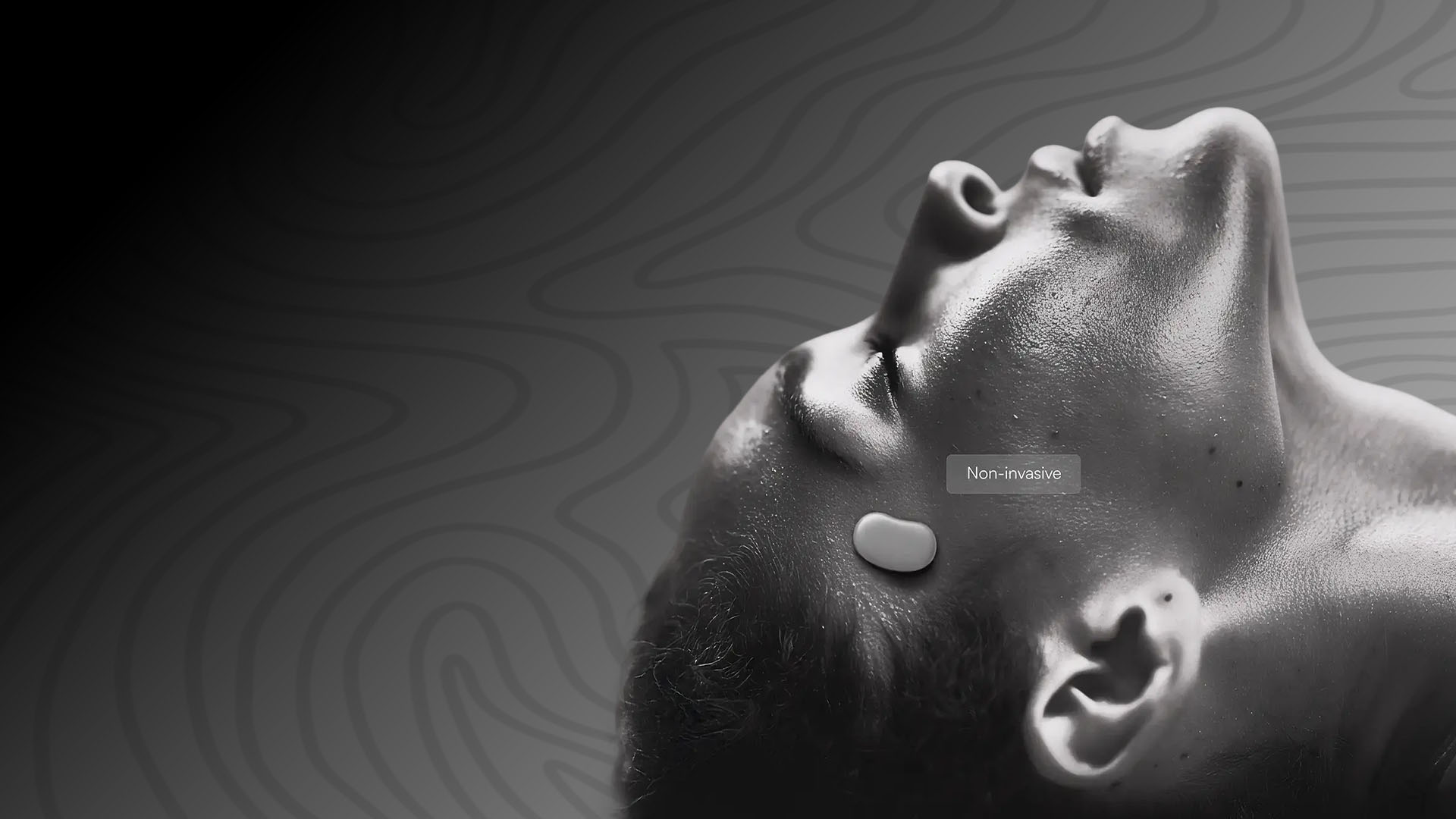
Temple emerged late last year, generating a lot of buzz. Founded by Zomato founder Deepinder Goyal, the company raised $54 million at a reported $190 million valuation to develop a temple-worn system for continuously measuring cerebral blood flow. Elite athletes were positioned as the first users, with the device expected to track how training, recovery, sleep, and exertion affected the brain. The company hired across computational neuroscience, BCI engineering, neural decoding, sensing, and embedded hardware.
That initial scope was tied to Goyal’s broader “Gravity Ageing Hypothesis,” which argued that declining brain perfusion may contribute meaningfully to ageing. The theory attracted criticism from clinicians, who pointed to cerebral autoregulation and other mechanisms that help preserve blood flow to the brain. Temple nevertheless continued developing the hardware, manufacturing its first 100 devices and opening an early-access programme for athletes, scientists, physicians, founders, and other performance-focused users.
The public focus broadened in June, when Goyal introduced Entropy as its central metric. Temple describes it as a real-time measure of metabolic and sympathetic demand, scored from 1 to 250 and updated every second. Lower values are associated with sleep, rest, and meditation, while higher values are associated with exercise, stress, meals, caffeine intake, and other physiological demands. Temple separates the score into resting minima and peak maxima to measure metabolic efficiency and physical capacity.
Temple says Entropy correlated with metabolic-cart measurements at 0.93 across more than 100 cardio sessions, compared with 0.55 for heart rate. The company has not published its methods, participant data, or full sensor architecture. More fundamentally, the disclosed result indicate that Entropy tracks exertion, but does not yet establish it as a validated biomarker or explain what underlying biological signal it represents.
Temple plans to launch the device within a year as a premium wellness product for around $1,000, while reportedly attracting investor interest at a valuation of roughly $500 million.
Temple’s broadened product framing places it inside a much larger wearables market. Oura and WHOOP are now valued above $10 billion, while Apple, Garmin, Samsung, and Fitbit continue expanding their health-tracking stacks. These devices measure heart rate, HRV, temperature, movement, blood oxygen, ECG, and other peripheral signals. None of their current consumer products directly records activity from the central nervous system.
Sleep shows both the strength and limits of a proxy model. Peripheral signals can reasonably estimate sleep-wake patterns, circadian regularity, and broader recovery trends. Yet sleep is fundamentally a brain state, and features such as spindles, K-complexes, and slow-wave activity cannot be directly measured through heart rate or movement. EEG adds that neural layer, supporting more detailed tracking and eventual real-time intervention.
And yet, the largest wearable companies are moving further into brain-adjacent territory without adding neural sensors. Oura is pairing ring data with cognitive assessments covering attention, memory, and executive function. WHOOP has linked millions of days of physiological data with self-reported stress, anxiety, and depression. Both approaches add cognitive and mental-health insights without changing the underlying form factor.
Apple shows a similar direction. The latest AirPods introduce PPG-based heart-rate sensing, while the company continues to sit on patents covering a broader ExG stack inside earbuds.
Consumer EEG itself is becoming increasingly viable across sleep, fatigue, workload, and device interaction. Integrating it into products consumers already understand, without compromising fit, battery life, audio, or other expected features, remains a challenge; especially at the scale of Apple, WHOOP, and Oura.
For now, the wearable sector appears more comfortable improving familiar proxy metrics rather than moving toward a new paradigm of brain-sensing. Temple makes that status quo especially visible. Even with a patch placed directly on the temple, the startup's first commercial metric remains centred on physiological demand.
.svg)