Ultrasound is gaining traction in the neurotech field. A growing number of startups are exploring the modality for applications ranging from opening the blood-brain barrier to bidirectional brain-computer interfaces. Toronto-based Grey Matter Neurosciences is among the companies advancing the technology. Building on years of academic research at Sunnybrook Research Institute, the startup recently selected treatment-resistant depression as its first clinical indication.
Grey Matter was founded by Jeffrey Coull, a biotech entrepreneur with decades of experience developing treatments for neurological disorders. His team has developed FUS•ion One™, a 2,048-transmitter focused ultrasound headset that can precisely target structures virtually anywhere in the brain, including those found deep in the subcortical regions.
By stimulating multiple regions involved in mood regulation, Grey Matter hopes to normalize dysfunctional brain networks and develop more personalized treatments for depression and other neurological and psychiatric conditions.
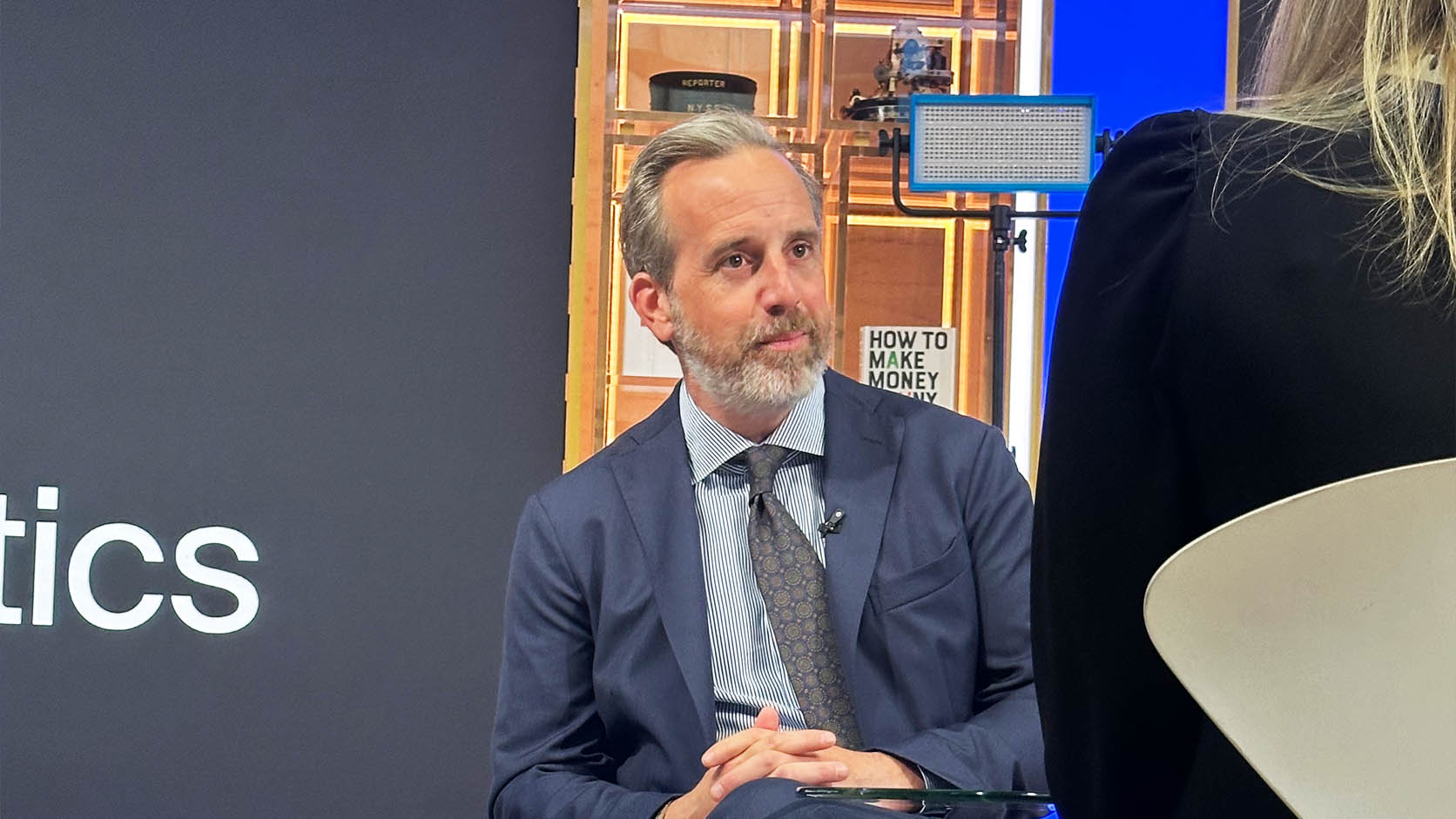
We spoke with Coull about the technology behind FUS•ion One™, the science of ultrasound neuromodulation, and the growing interest in ultrasound as a potential platform for non-invasive brain-computer interfaces.
How did you end up coming to the point where you founded Grey Matter?
Jeffrey Coull: My background is in synaptic neurophysiology, so I have a pretty good understanding of how neurons talk to one another and the mechanisms of plasticity that can change the efficiency of that communication.

This is my third company. My first two companies were more in the drug space. I knew nothing about focused ultrasound until about 2019. I had come out of my last company, which was acquired, and was still very interested in finding ways to better modulate the brain to improve efficacy in neurological and psychiatric diseases.
I was introduced to Kullervo Hynynen at Sunnybrook Research Institute in Toronto, who is really a global leader in transcranial focused ultrasound. What became immediately apparent to me was not only its ability to penetrate deep into the brain, but also to do that while maintaining exquisite spatial resolution. No other form of non-invasive brain stimulation can achieve that.
I was immediately enamored. I thought this could change everything. In diseases like depression, OCD, neuropathic pain or epilepsy, network activity in the brain goes awry. I strongly believe that to normalize that activity, you need to deliver a precise treatment and engage nodes deep in the brain. Focused ultrasound has that potential somewhat uniquely.
What makes Grey Matter's FUS•ion One™ system different from other focused ultrasound technologies?
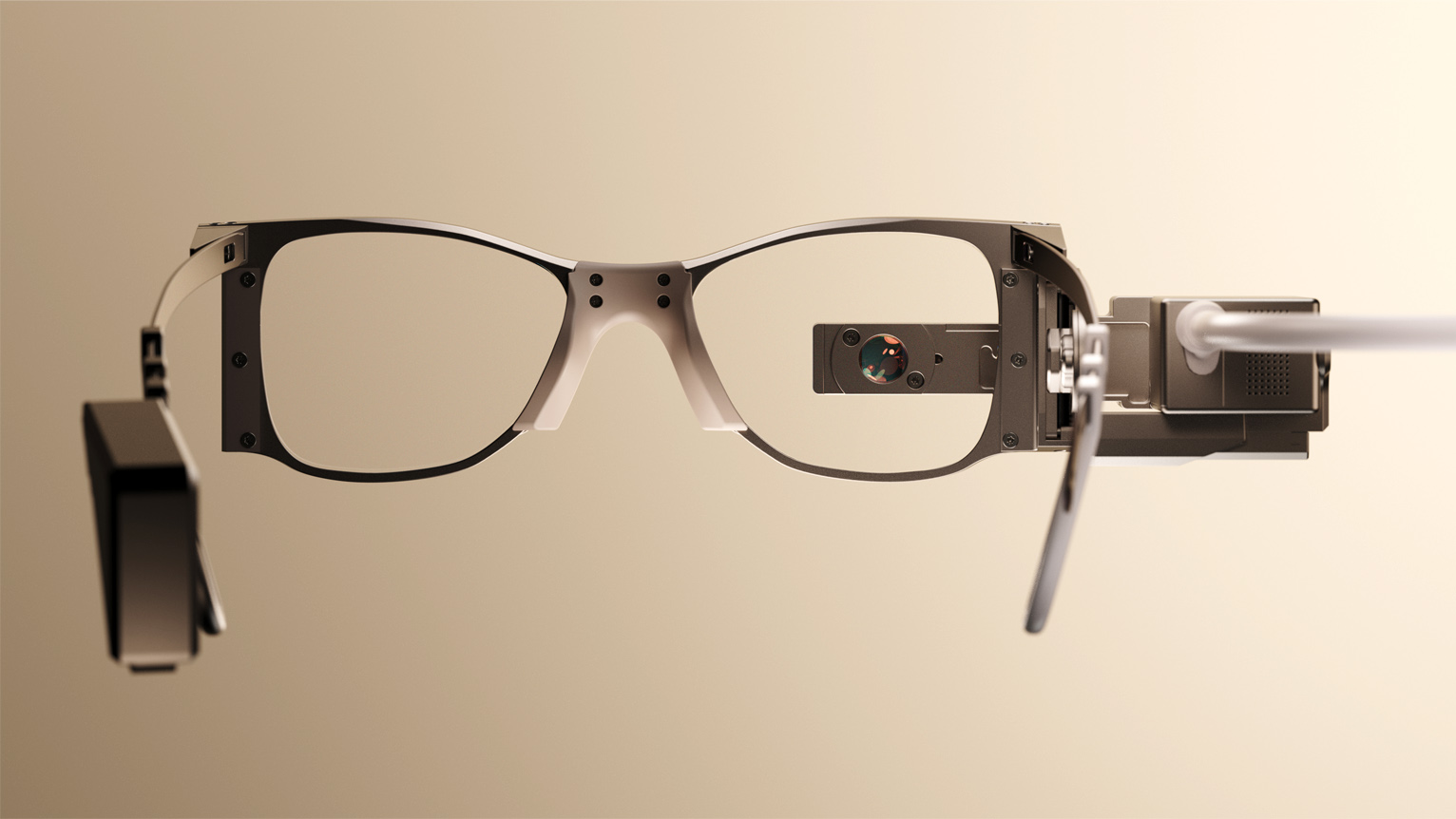
FUS•ion One™ is a helmet lined with a phased array of 2,048 independent ultrasound transmitters that are electronically steered and operate in a synchronized fashion. We also have 16 receiving elements to collect acoustic information from the brain.
Part of the helmet is generic, but we use custom inserts that make it fit precisely to the patient's head. That's important because we need to know, at all times, the spatial relationship between the phased array and the brain to achieve accurate targeting.
We've also invented a camera that tracks the face in real time. If the helmet moves, the camera detects that motion, turns off the ultrasound, recalculates the treatment plan, and resumes treatment. That can all happen within a few seconds.
We think that, ultimately, for focused ultrasound to be successful, treatments need to be conducted remotely, even at patients' homes. That's why these technologies are so important. They allow us to get outside the magnet, away from external neuronavigation.
What does the treatment look like from the patient's perspective?
The first step is an MRI scan, so we know the patient's anatomy and what the brain looks like. We use that information to do two things. First, we 3D-print the custom inserts that position the helmet precisely on the patient's head. Second, we use the scan to formulate the treatment plan.
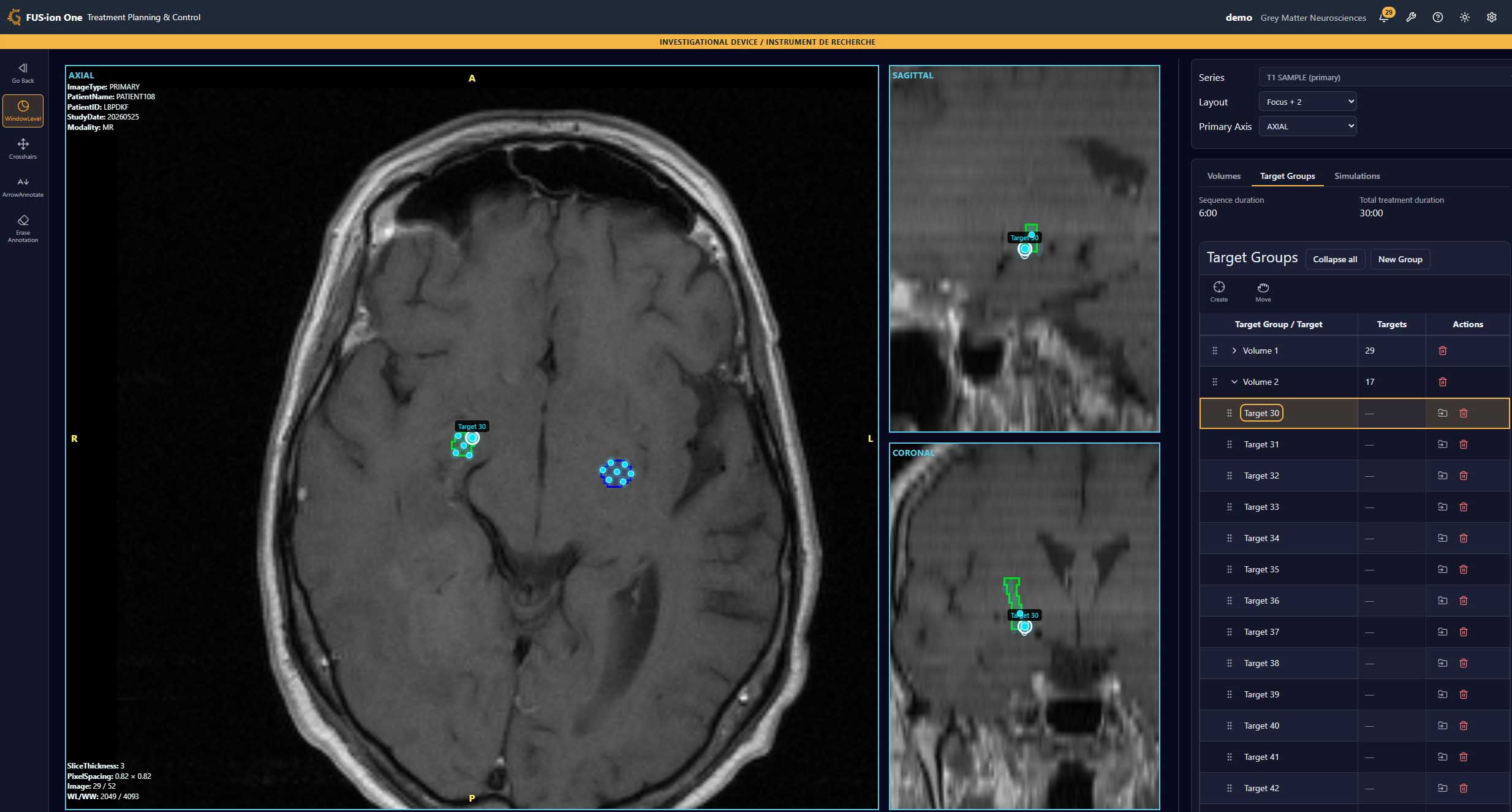
We upload the T1-weighted MR image into our software, where the physician can outline the regions they want to stimulate. The system then populates those regions with focal spots and simulates the ultrasound pressure we're going to deliver. We can do this in multiple regions of the brain. During treatment, we can sonicate numerous structures in a single session, pivoting from one target to the next within about five milliseconds.
Once that's done, the patient comes into the clinic. We position the helmet on their head while they're slightly reclining. Then we add a liquid coupling medium that allows us to couple the ultrasound transmitters to the scalp. There's no shaving of the head. The idea is to saturate the hair so it floats in this medium.
Then we start delivering the treatment plan. It's probably about half an hour of sonicating different parts of the brain to produce an antidepressant, anxiolytic, or whatever the intended effect is.
We don't know exactly how frequently that will need to happen, but my guess is something like twice a week over an extended period. I don't think it will be entirely different from how we use rTMS or ECT today, with phases of induction and maintenance.
How does focused ultrasound differ from approved modalities like TMS or tDCS?
First, we can engage subcortical targets. You can't do that with even deep TMS. You're really going two, maybe four centimeters into the cortex. You cannot engage structures like the amygdala or the nucleus accumbens, which are important in controlling mood and emotional state.
Second, we can achieve very high spatial precision and accuracy. We can create an ellipsoidal focal spot measuring approximately two by four millimeters virtually anywhere in the brain. For example, we can target deep structures like the nucleus accumbens, then pivot that spot up to the surface of the brain, such as the dorsolateral prefrontal cortex, which is where TMS typically targets. Our targeting accuracy is about plus or minus two millimeters anywhere in the brain.
Finally, we can create a multifocal approach using electronic steering. We can stimulate deep in the brain, then pivot to the surface, and keep going, stimulating different parts of the brain to fully engage a network or even jump between networks.
Why did you select treatment-resistant depression as your first clinical indication?
For a few reasons. First, I would argue that the clinical evidence is strongest for major depressive disorder right now. There are some very strong published studies, including sham-controlled trials, demonstrating that low-intensity focused ultrasound can have quite a profound antidepressant effect in many subjects. So that de-risks it to a certain extent.
The second reason is more commercial. This is a well-trodden path. There are several neuromodulation techniques already approved by regulators for depression, and it's also a comfortable domain for payers. In the United States, insurance companies and CMS are familiar with the idea of using neuromodulation to treat treatment-resistant depression.
So this is the straightest and least risky route for us to get the system to market. It's not where we want to end, though. Our initial interest was in dementia and Alzheimer's disease, and I remain very interested in that. I think there's huge potential for this system to enhance cognitive function in Alzheimer's and related dementias, and potentially even produce a disease-modifying effect.
What do we know about how focused ultrasound affects brain activity?
We know that it can change functional connectivity within and between networks. We can modulate the default mode network and the salience network, two major networks involved in many neuropsychiatric disorders, including depression.
That's really what we're trying to do here: normalize activity, reduce hyperactivity in some areas and elevate activity in others, to create that equilibrium again in these networks of the brain.
At the cellular level, it's largely through mechanosensitive channels, as we understand it today. These are ion channels in neurons that respond to mechanical stimulation or stretch. Ultrasound creates pressure spots in the brain, and that pressure can cause these channels to open. Ions then cross the membrane, regulating the neuron's excitability.
There have also been studies demonstrating that low-intensity focused ultrasound can stimulate long-term potentiation, which is a classical way of strengthening synapses. This in turn can enhance resting-state functional connectivity between different networks in the brain.
We're starting to really hone in on these mechanisms.
How do you account for differences between patients when developing treatment plans?
Our goal is to create a fully personalized treatment. Suppose you and I have severe depression. If we both had an fMRI scan, the network dysfunction would be very different in your brain compared to mine. I almost guarantee it. Therefore, the treatment plan to normalize network activity in your brain would be very different from the one I need.
That's why the ability to move the beam, go deep and superficial, and achieve such high spatial resolution is so important. We want to create bespoke treatment plans based on each patient's neurophysiology.
Ultimately, we want to get to a point where we can look at a patient's functional connectivity using fMRI, maybe also look at tractography, and create a custom treatment plan that targets multiple nodes in the brain to optimally treat their depression.
The other thing I'll add is that even within an individual, network states are changing all the time. So the best treatment plan today may be very different from the one you need in two weeks. We're trying to accommodate that by adjusting not only where we're targeting in the brain, but also the parameters we use for stimulation.
We've seen considerable investment in ultrasound neurotechnology this year. How do you see the field developing?
There are certainly a lot more companies popping up all over the place. What's interesting to me is that while it started with focused ultrasound, we're now seeing entrants in functional ultrasound imaging, which is also of interest to us. It's definitely challenging to build such a platform, but we're starting to see some of that emerge.
Then you're also seeing the rise of non-invasive brain-computer interfaces, which I think is really interesting. I do think ultrasound could be the only way to have a fully bidirectional, non-invasive BCI. That's to some extent what Merge Labs is doing.
The challenge is that there's already a lot of intellectual property out there. It's different from TMS in that respect, where no one really owned the core technology. Between us and a few others, I think a lot of the core systems and technologies have already been patented. It will be interesting to see how new entrants navigate that, because I think we've done a pretty good job building a moat and establishing our intellectual property footprint.
Looking five to ten years ahead, what's your longer-term vision for Grey Matter?
Three things. Firstly, we're absolutely committed to building remotely operated systems that can ideally be used in the comfort of patients' homes. We think that's critical for neuromodulation, whether it's in depression or other indications.
The second is personalization. We're not starting out that way. In our first trial, which is kicking off early next year, we're sonicating the same three nodes in every patient to reduce risk and avoid too many variables. Ultimately, we want to develop the bespoke treatment plans we discussed earlier. That's going to require a lot of data and algorithmic work to be confident that we can deliver optimal outcomes.
The third is potentially closing the loop. This is currently an open-loop system, but we're thinking about moving toward adaptive neuromodulation, or even a fully bidirectional BCI for tweaking brain networks.
There's still work to be done. It's not something we could implement next year, and we haven't made concrete decisions about it yet. But I do think we have a great platform to lead the way in that respect, and there's a great opportunity there.
Produced with support from