China is having a big year in neurotech. After making brain-computer interfaces a national priority last year, the country has seen an estimated $1 billion invested in the field–in just the first half of 2026. NeuroXess is the latest company to benefit from the investment surge. On October 28, it announced a $98 million Series B.
The round was jointly led by SDIC Juli, Shenzhen Capital Group, and Qinzhi Capital, with participation from IDG Capital and several other investors. Shanghai-based NeuroXess develops flexible brain-computer interfaces placed on the surface of the brain. The company will use the new capital to advance clinical trials, pursue regulatory approval, and expand manufacturing capacity ahead of commercialization.
Founded in 2021 by neuroscientist Tao Hu, NeuroXess has developed the Three-Full platform, a fully implanted, wireless BCI designed for motor and speech applications. The system combines flexible cortical electrodes with implanted electronics for processing, power, and wireless data transmission. Its XessOS software translates decoded neural activity into commands for computers and other connected devices.
Three-full uses electrocorticography (ECoG), recording signals from the brain's surface without penetrating brain tissue. Similar approaches are being developed by US-based Precision Neuroscience and Germany's CorTec. Precision received FDA clearance for temporary use of its Layer 7 system in 2025, while CorTec is testing its fully implanted system in patients recovering from stroke.
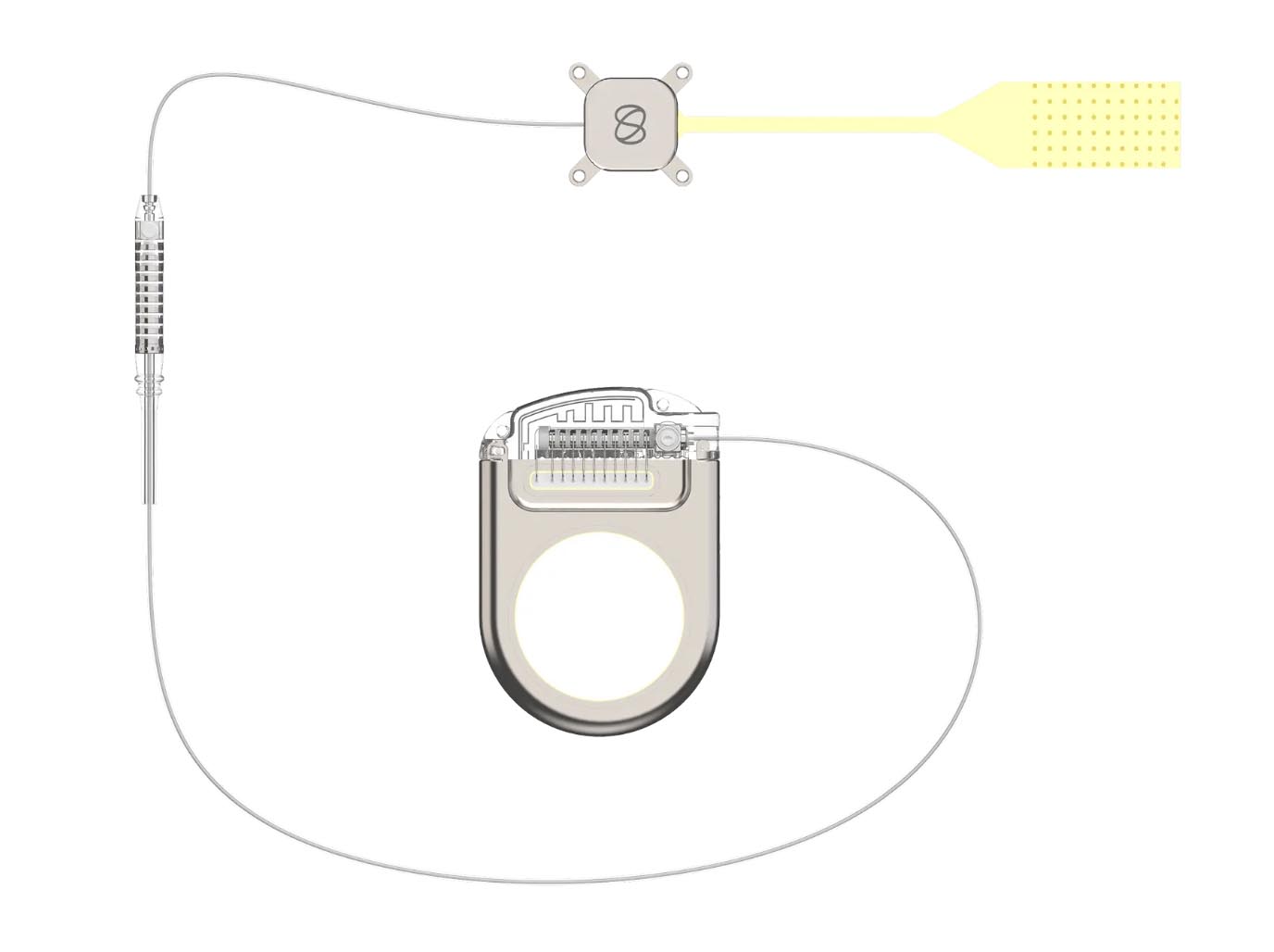
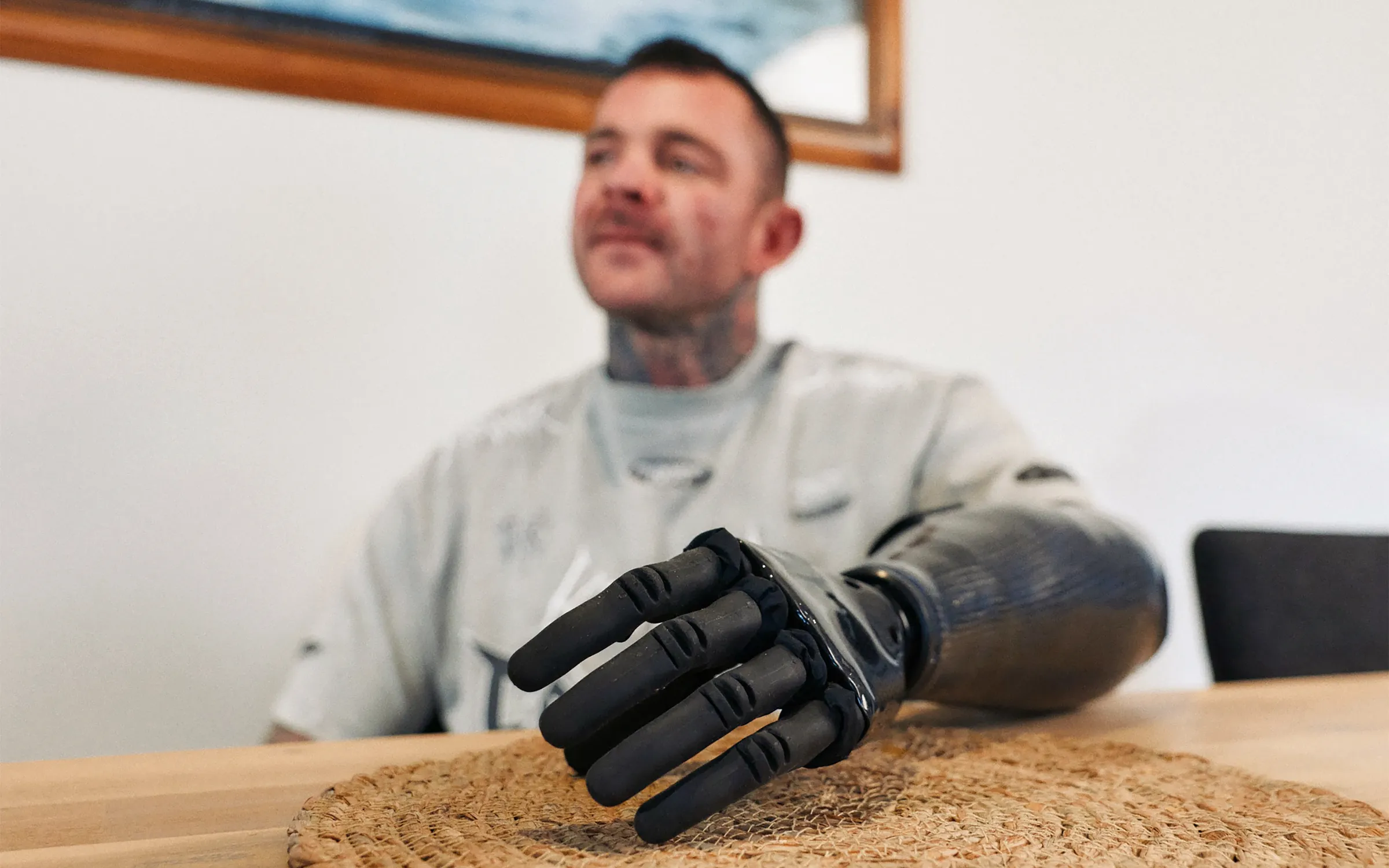
To date, NeuroXess has trialed its system in 65 clinical cases. In April, a 29-year-old participant with quadriplegia used the BCI to control a hand exoskeleton for eating and, in combination with electrical stimulation, could write and draw using his own muscles.
The company has also demonstrated speech decoding. A study published in Science Advances achieved 71.2% median Mandarin syllable identification accuracy in a patient undergoing epilepsy monitoring.
In July, NeuroXess launched a multicenter registration trial at Huashan Hospital, evaluating upper-limb function in patients with cervical spinal cord injuries. The device subsequently entered China's special review procedure for innovative medical devices. NeuroXess is pursuing Class III approval, the same regulatory category under which fellow Chinese developer Neuracle received the first commercial approval for an invasive BCI in March.
China is seeing a BCI investment boom this year, largely driven by a few substantial rounds. BrainCo raised $280 million in January, Alibaba led a $70 million round in StairMed, and ultrasound startup Gestala secured $84 million within six months of its founding. Total investment in the first half of 2026 has been estimated at up to $1 billion, a near 300% increase from the twelve months before.
Several neurotech companies are now preparing to access public markets. Neuracle filed for a Shanghai STAR Market IPO in June, seeking $350 million in new capital. BrainCo reportedly submitted a confidential Hong Kong listing application earlier this year, while non-invasive BCI developer Shuli Innovation entered IPO counselling in September.
Neuracle is one of the few startups already recording early commercial progress. In March, it received China's first approval for an invasive BCI system. According to its latest IPO disclosures, the company has since sold 13 systems, eight of which were implanted. The system is listed at $67,000, and Neuracle reports more than 70 firm and prospective orders.
The funding surge has also raised concerns about valuations. In September, Heying BCI Fund partner Zhang Yutao warned of pockets of speculative investment, describing companies raising three rounds within three months. While he did not consider the industry systematically overvalued, he questioned the valuations of companies that have yet to show technological or commercial progress. NeuroXess has not disclosed its latest valuation.
Produced with support from