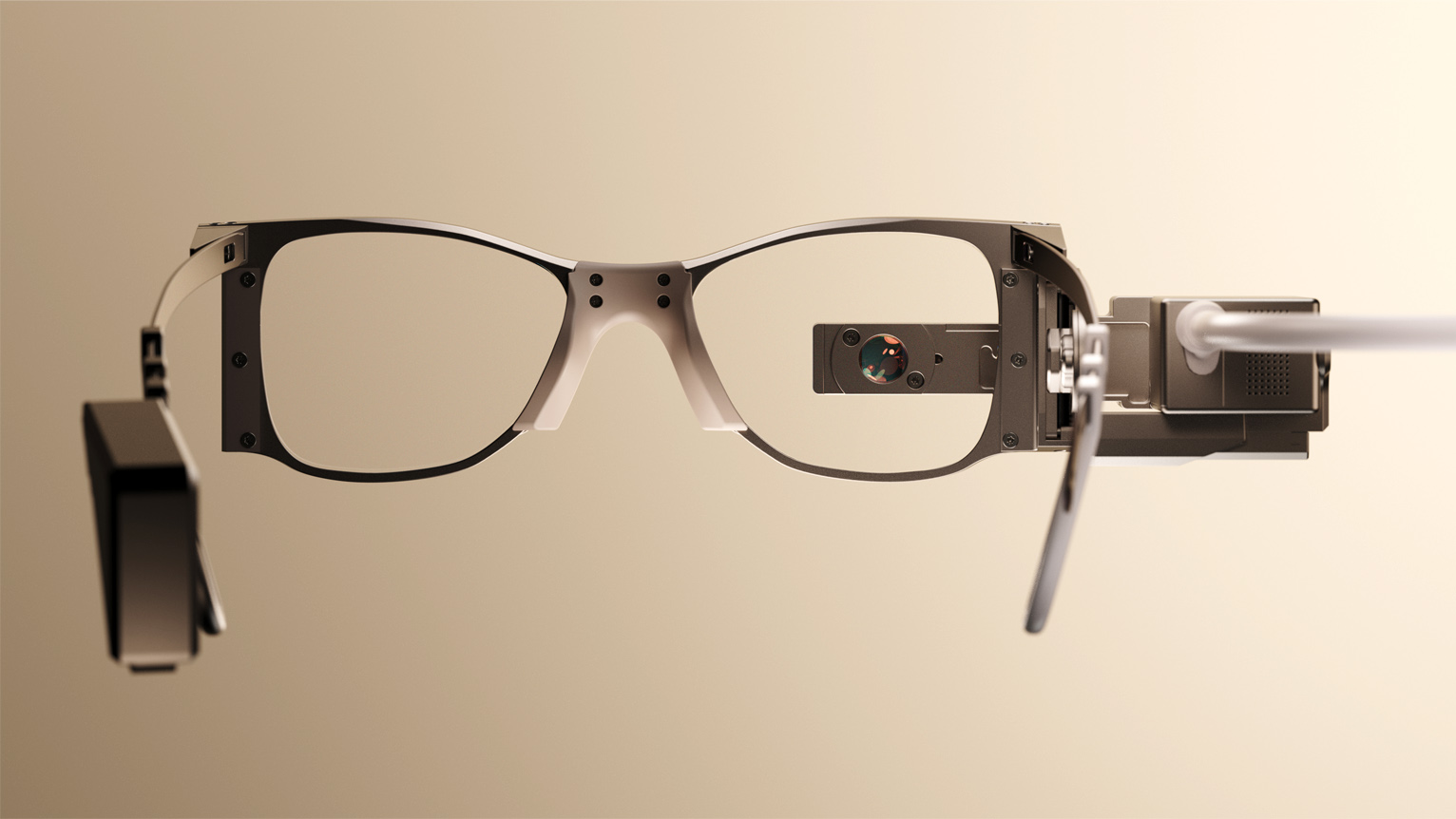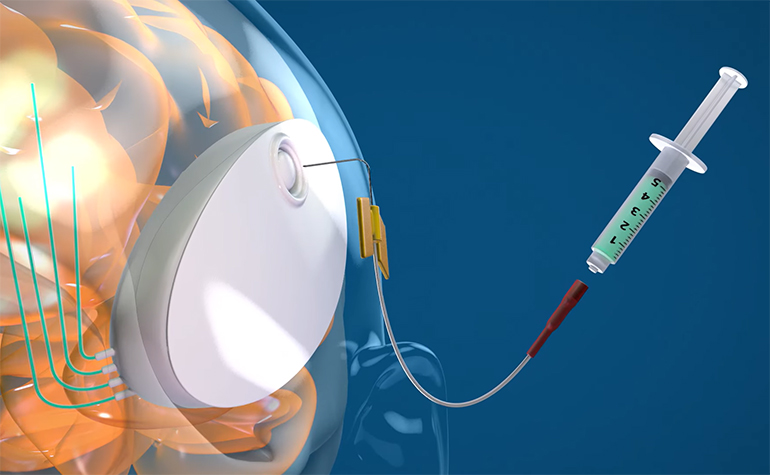
MIT researchers have unveiled an implant that could help prevent glioblastoma from returning after surgery. Glioblastoma is an aggressive brain cancer that recurs in more than 90% of patients within two years, often near the original tumour. LUCID (Long-term Ultrasound-Enhanced Convective Injection Device) combines local drug delivery with ultrasound to help medication spread further through brain tissue.
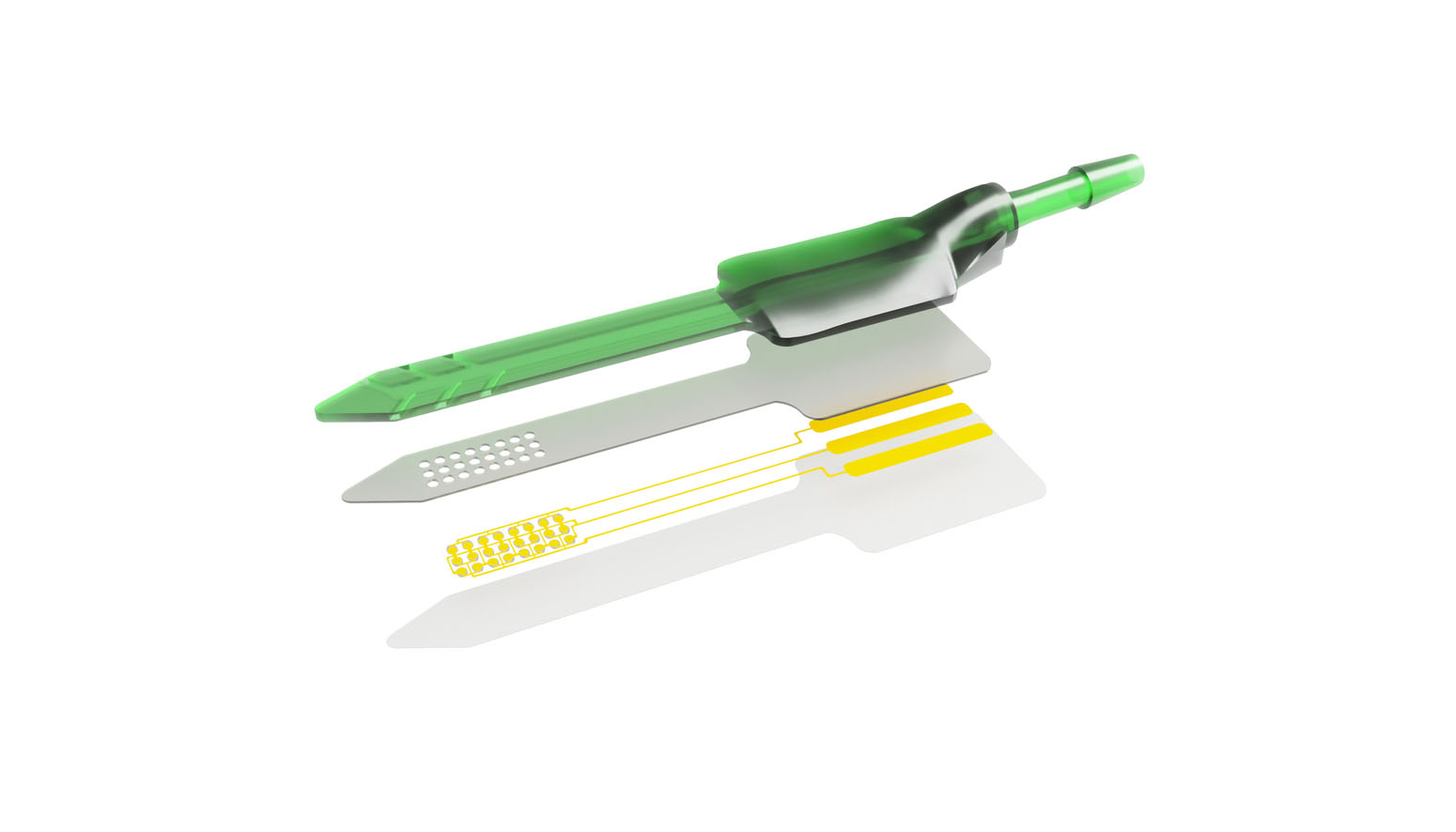
Designed to be implanted during tumour-removal surgery, LUCID uses 24 miniature ultrasound transducers to distribute drugs beyond the infusion site. It joins a growing field of ultrasound technologies looking to improve drug delivery in the brain. While most established approaches use ultrasound to temporarily open the blood-brain barrier, LUCID delivers drugs directly into brain tissue and uses ultrasound to help them spread further.
The blood-brain barrier (BBB) protects the brain by keeping harmful substances out of its blood supply. But this same defence also blocks an estimated 98% of small-molecule drugs and nearly all large molecules, including antibodies. This makes it difficult to deliver pharmacological treatments for conditions such as glioblastoma, Alzheimer's, and Parkinson's disease.
For drugmakers, this is an expensive problem. A Tufts study found that just 6.2% of CNS drugs entering clinical trials between 1995 and 2007 ultimately gained approval, compared with 13.3% of other medicines. Meanwhile, the global CNS therapeutics market was valued at around $157 billion in 2025 and is projected to exceed $260 billion by 2034. Improving drug delivery could therefore have considerable commercial value.
Low-intensity ultrasound is gaining traction as a possible solution. Combined with vibrating microbubbles injected into the bloodstream, ultrasound temporarily increases the barrier's permeability, allowing more medication to enter brain tissue. The BBB typically closes again within hours, although the duration varies between treatments.
French company Carthera has developed SonoCloud, an ultrasound implant that replaces a small section of the skull. The company raised €37.5 million in a 2023 Series B backed by the European Innovation Council Fund, and is now conducting a pivotal trial of SonoCloud alongside chemotherapy in patients with recurrent glioblastoma, across sites in Europe and the US.
Israel's Insightec takes a non-invasive approach, using MRI-guided focused ultrasound delivered through the skull. The company raised $150 million in 2024 and is investigating the technology for glioblastoma and brain metastases. In a 2025 study published in The Lancet Oncology, patients receiving ultrasound alongside chemotherapy had a median survival of 31.3 months, compared with 19.3 months in a matched external control group.
In December 2025, Insightec spun out Lotus Neuro, a company focused specifically on combining ultrasound with drug therapies.
Unlike microbubble-based approaches, LUCID does not rely on drugs entering the brain from the bloodstream. It delivers medicine directly into brain tissue, using ultrasound from the tip of an implanted cannula to spread it further. The ultrasound can be programmed wirelessly. In theory, this could enable more targeted treatment with less drug reaching the rest of the body.
In a study published in Device in October 2026, MIT researchers tested LUCID in tissue-like gels and mice. Ultrasound increased the distribution of delivered molecules compared with infusion alone. The technology has yet to be tested in humans.
Pharma is tackling the BBB challenge through drug engineering. In March 2026, the FDA approved Avlayah, developed by Denali Therapeutics. It became the first approved biologic specifically engineered to cross the BBB, using a so-called brain shuttle that binds to the transferrin receptor (TfR) to transport medicine into the brain.
Ultrasound faces hurdles that brain shuttles avoid, particularly the need for surgery or specialised treatment sessions. This could complicate its use in chronic conditions like Alzheimer's, where repeated treatments may be necessary. Brain shuttles avoid these procedures but require each medicine to be specifically engineered to cross the barrier.
Produced with support from