Migraine is a highly debilitating neurological disorder and a leading cause of disability worldwide. Characterised by recurring attacks of severe headache, nausea, and sensory symptoms such as photophobia, it affects more than 1 billion people globally. While new pharmacological treatments have emerged in recent years, a proportion of patients do not respond to them.
Founded in 2017 by Hubert Martens, Salvia Bioelectronics is developing MySalvia, a neuromodulation treatment for treatment-resistant migraine. Early feasibility studies suggest it can reduce the frequency and intensity of migraine attacks, with larger trials underway in Europe and Australia. Following FDA Breakthrough Device designation and a $60 million Series B in 2025, Salvia is also progressing a US clinical trial as it prepares for commercialisation.
Treatment-resistant migraine describes patients who continue to experience significant symptoms despite trying multiple evidence-based preventive treatments, including Botox and CGRP inhibitors. In some cases, migraine can also become more frequent over time, a process known as chronification, further increasing its impact on quality of life.
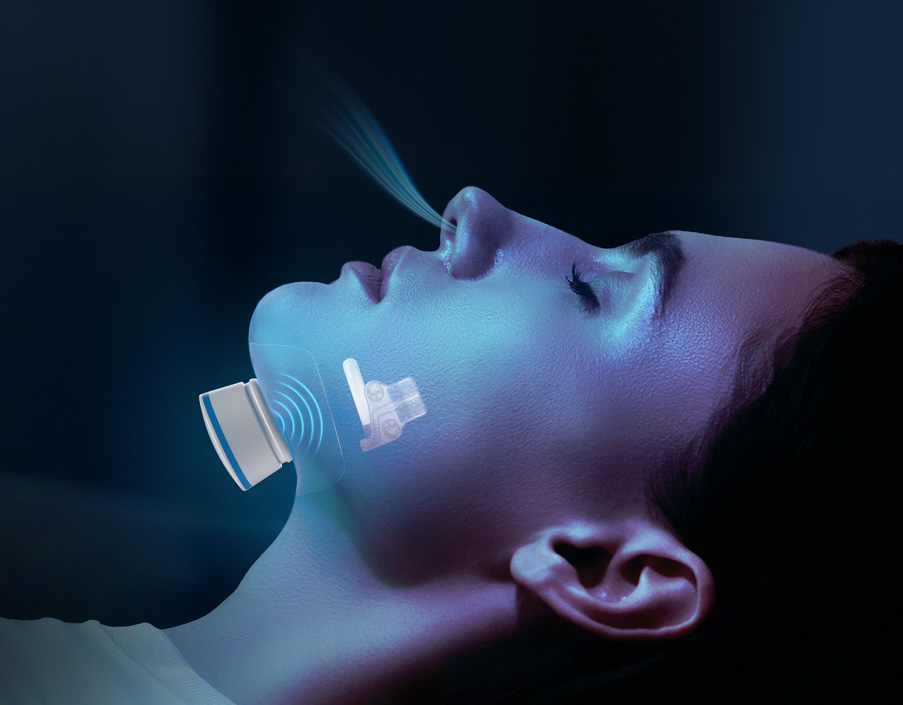
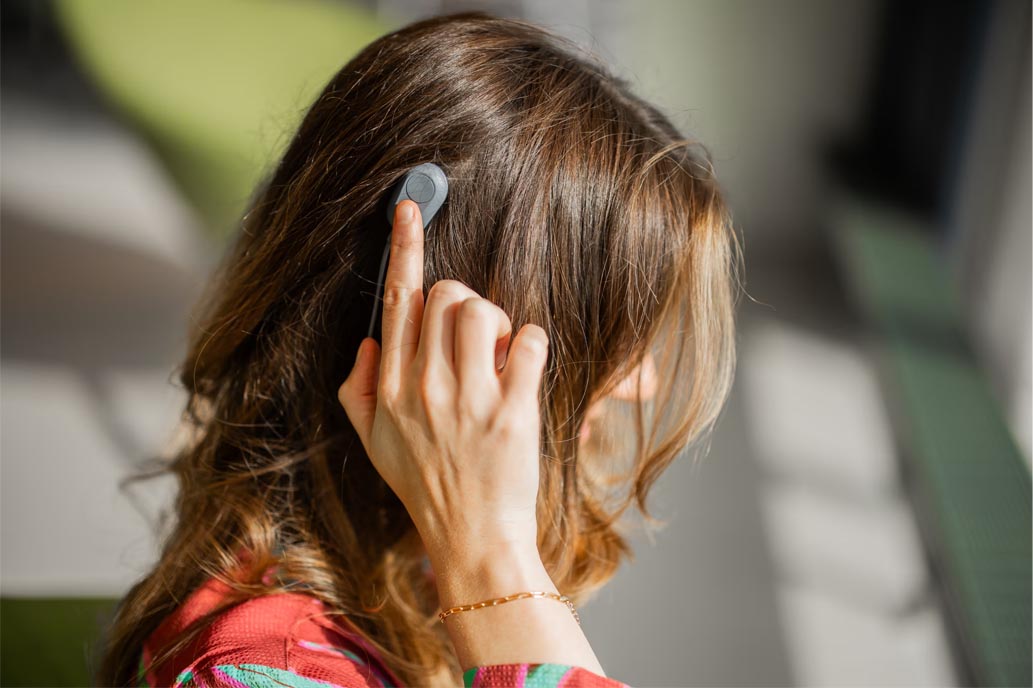
MySalvia stimulates the occipital and supraorbital nerves through two ultra-thin subcutaneous implants, positioned at the back of the head and forehead. While the pathophysiology of migraine is not fully understood, it is increasingly viewed as a disorder involving neural networks.
The occipital and supraorbital nerves connect with the trigeminocervical network, a key migraine pathway that can become overactive and amplify nociceptive signals. Stimulating these nerves may reduce activity within sensitised networks and inhibit migraine pain transmission.
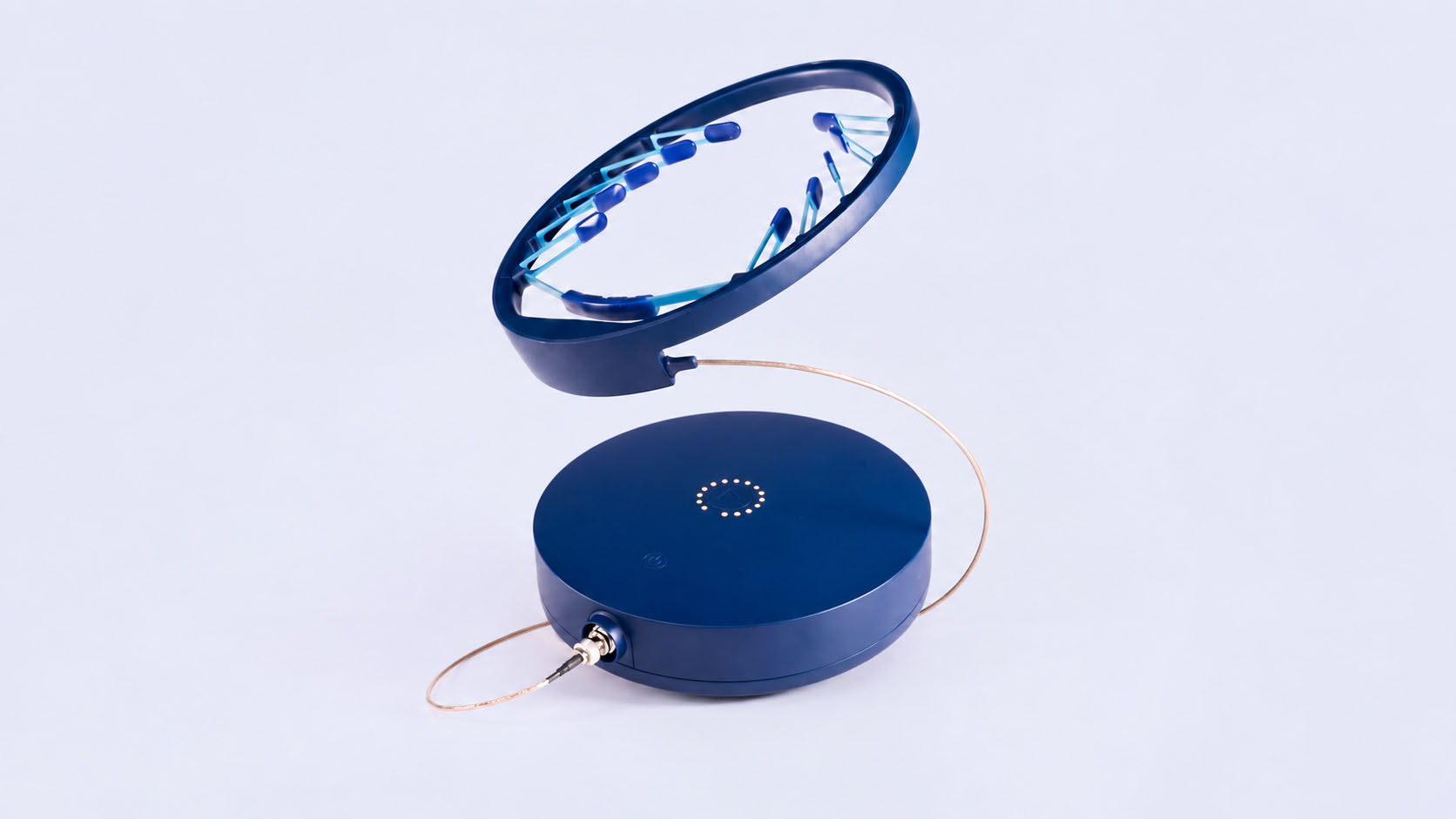
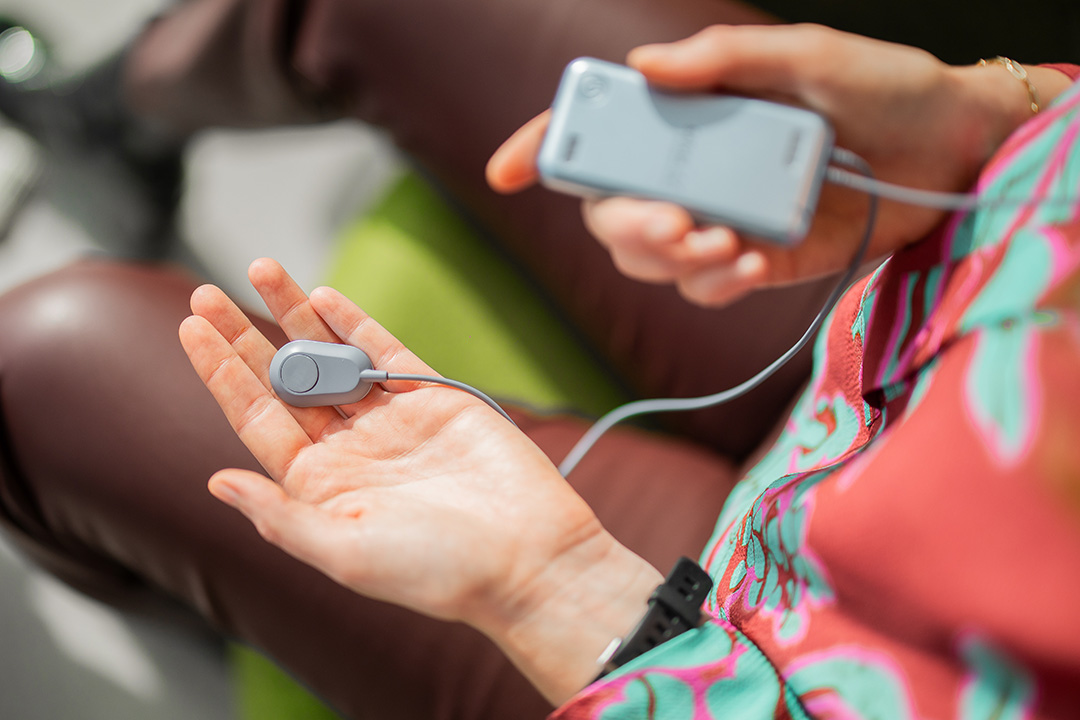
Patients activate the implants using a button on an external device, giving them control over when stimulation is delivered. In feasibility studies, the protocol recommended twice-daily use alongside stimulation during acute attacks. Neurofounders spoke with Martens about patients “left behind” by existing treatments and how patient experience has shaped the design of MySalvia.
What convinced you that neuromodulation could make a meaningful difference in migraine?
People suffering from severe migraine miss out on so many things, including building a career, taking care of their loved ones, and enjoying life. New drugs such as CGRP inhibitors are available, but they are not a solution for everyone.
Early work by clinical researchers using off-label spinal cord stimulators to target nerves around the head, including the occipital and supraorbital nerves, showed promise. However, the technology available wasn’t really suited to cranial anatomy. We had previously been successful in the DBS space with Sapiens and, taken together, this convinced us that we could make a meaningful difference for migraine and build a strong case around it.
Why was it important to give patients control over when they use the therapy?
In their own words, patients who have lived with severe migraine for many years have lost a sense of control and often fear the next attack. By taking an active role in treatment, they are empowered to regain some of that control. The treatment is safe, and patients can titrate the therapy to their needs.
Treatment remains clinician-directed in the sense that it is intended to be prescribed by a neurologist, while programming of the therapy settings is performed in the physician’s office.
Why did Salvia choose an implanted approach, and how receptive are patients to implants?
Non-invasive devices clearly have a place in the market. Nonetheless, we felt there remained a gap in difficult-to-treat, or treatment-resistant, migraine where a more targeted approach seemed warranted.
By using minimally invasive implantable hardware, we can interface more directly with the target nerves involved in migraine and provide a more precise bioelectronic treatment. The skin acts as a barrier, limiting therapeutic dose and the precision of stimulation. For people suffering from this hard-to-treat form of migraine, we believe this direct nerve-targeting approach is needed.
In our experience, patients who have failed multiple treatments are open to an implantable approach. Calming down the over-sensitive nerves involved in migraine makes sense to them compared with taking another drug that fails them. These are young people who want to make the best of their lives, and we see many actively looking for non-drug alternatives.
How do you see MySalvia fitting alongside newer migraine drugs?
New pharmacological treatments targeting different molecular pathways, including CGRP and PACAP, are good news for patients and also reinforce that migraine is a complex network disorder. Neuromodulation adds another option to the neurologist’s treatment toolbox. Ultimately, I see these approaches as complementary, with the physician guiding patients towards an optimal, personalised treatment plan.
Salvia Bioelectronics is currently running its RECLAIM-II trial, aiming to recruit 150 participants across three US sites. The randomised, double-blind, controlled study will evaluate MySalvia in treatment-resistant migraine. Its primary endpoint is the proportion of patients achieving a ≥30% reduction in Monthly Migraine Days (MMD).
MMD captures one dimension of treatment response, while patient experience and quality of life require broader measures. Alongside migraine frequency, Salvia uses questionnaires to assess outcomes relevant to patients, including how migraine affects their ability to function in daily life.
Martens points to returning to work as one example: “a patient previously unable to work that is back into a job is a success, even if some migraine days persist.” By tracking both migraine burden and daily functioning, the trials aim to capture whether treatment translates into a meaningful change in patients’ lives.
MySalvia is an investigational device, requiring regulatory approval before commercial launch. Salvia is already building out its team in preparation, with a particular focus on the US. This year, the company hired a US commercial and operations lead and appointed a US medtech expert as Chair of its Board of Directors. Martens says the Netherlands-based company also plans to target a “limited number of selected European markets.”
Salvia is entering a small but growing group of companies developing neuromodulation treatments for migraine, most of which use non-invasive devices. Several have already received FDA clearance.
Cefaly and gammaCore provide trigeminal and vagus nerve stimulation, respectively, while eNeura’s SAVI Dual uses transcranial magnetic stimulation. Neurolief’s Relivion combines occipital and trigeminal nerve stimulation, similar to MySalvia, but delivers stimulation externally. A review by the International Headache Society issued ‘weak recommendations’ for these treatments, citing concerns over the quality of the clinical evidence.
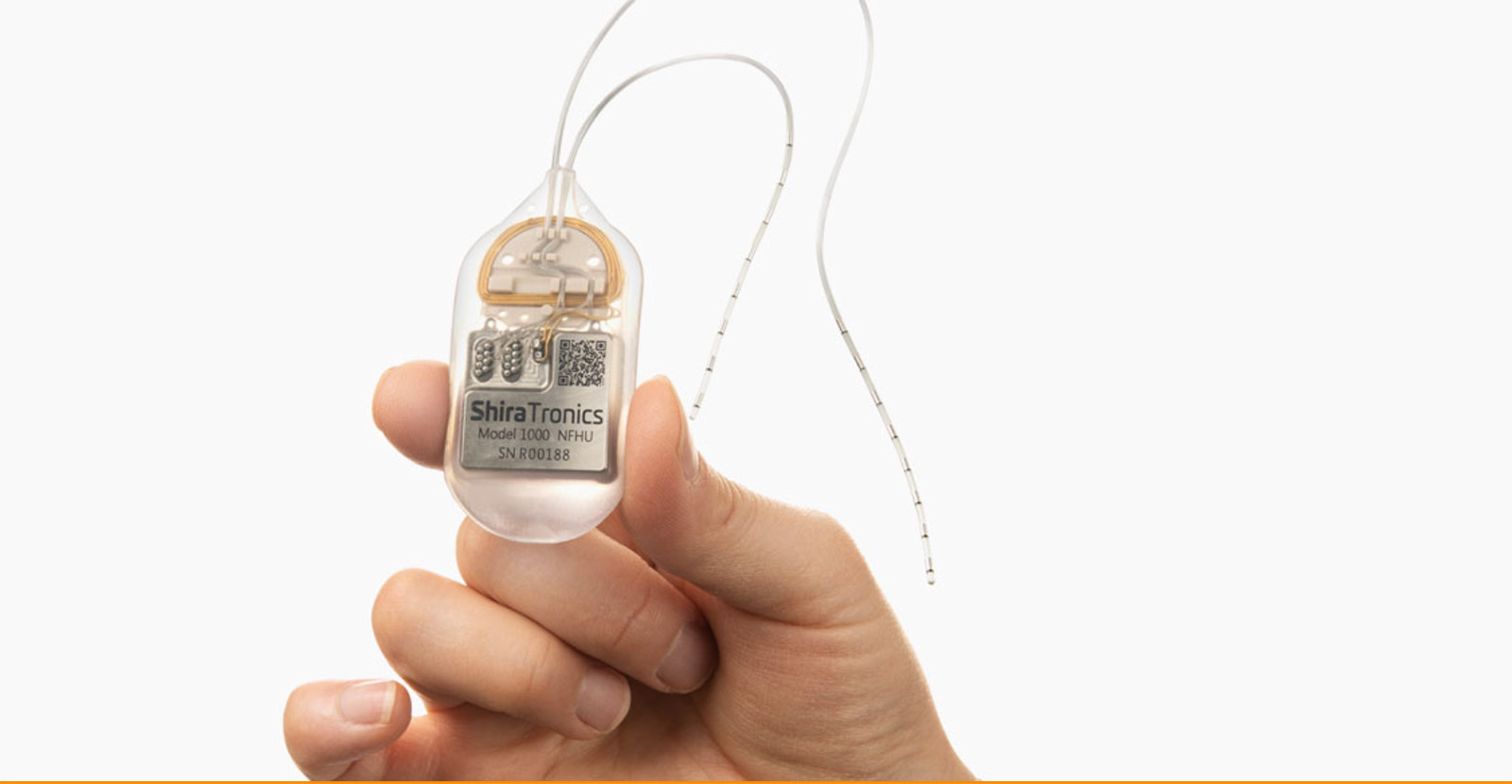
Shiratronics is Salvia’s most direct competitor. Its investigational implant also stimulates the occipital and supraorbital nerves, though it delivers continuous stimulation rather than being activated by the patient.
Peripheral nerve stimulation is also being explored across other chronic pain indications, raising the question of whether Salvia could eventually expand beyond migraine. “At this moment, our focus is migraine,” Martens says. “We have a smaller parallel development in cluster headache. Our technology carries great platform potential, also beyond headache disorders, but that is not a focus now.”
.svg)