

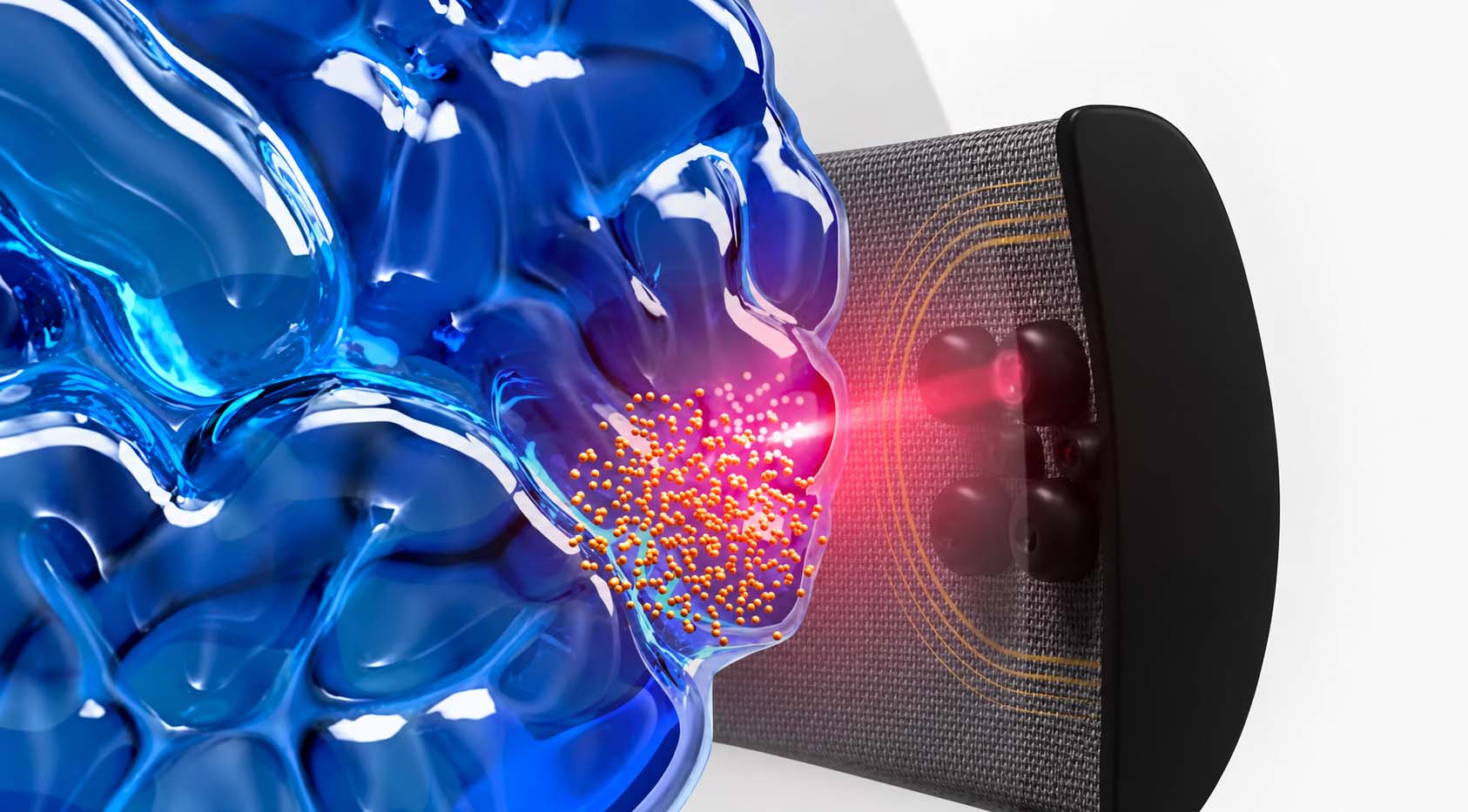
For many CNS drugs, reliable exposure in the intended tissue is still the main factor limiting efficacy. Glioblastoma is a clean example. Systemic drugs reach the tumor, yet cells at the margins are hard to treat and recurrence follows. The field has produced multiple ways to bridge that gap, from focused ultrasound to implanted access systems. The most developed route is convection-enhanced delivery (CED), where a catheter is placed into the brain, infusing drugs directly at the target.
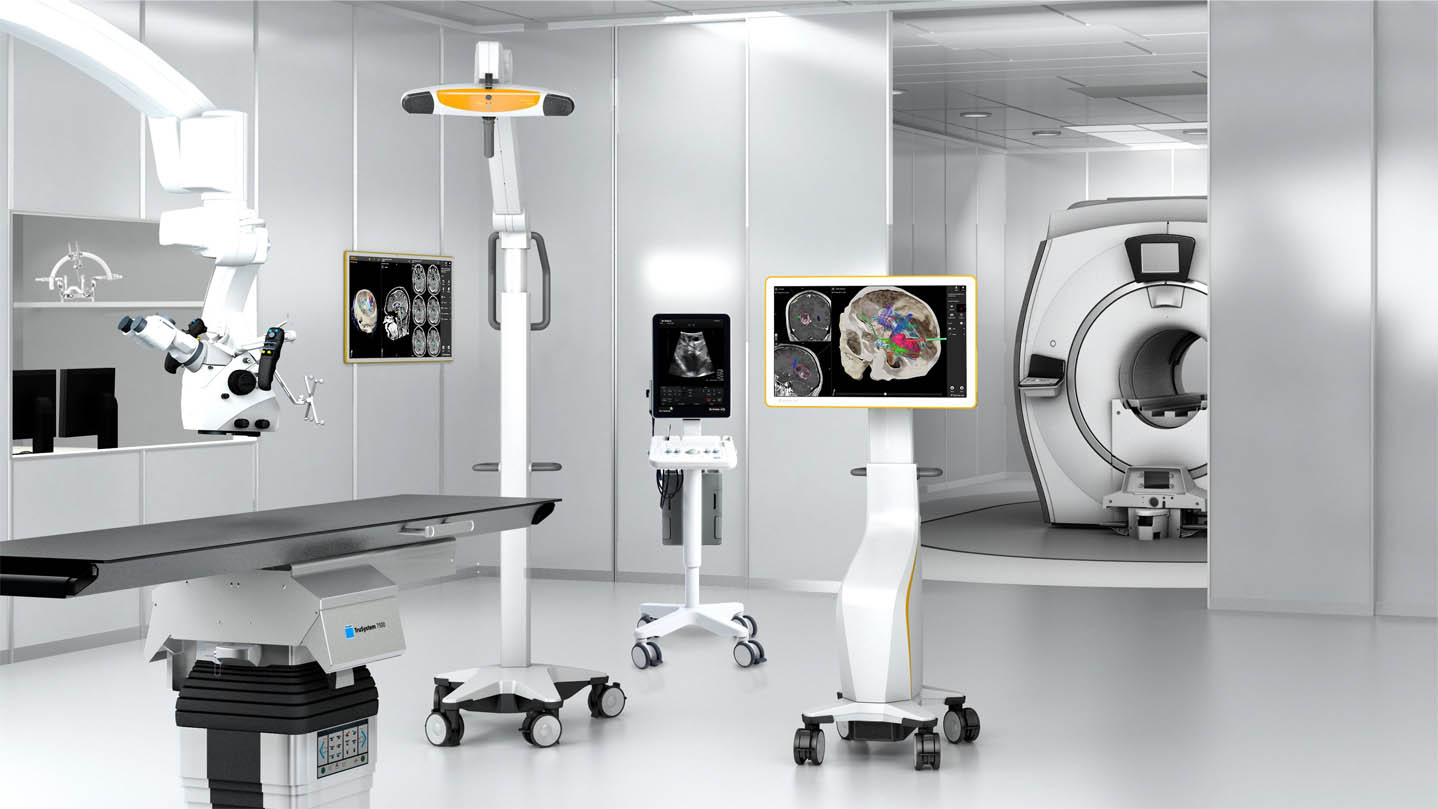
Brainlab and Precision NeuroMed have announced a strategic partnership to operationalize and commercialize an AI-enabled, cloud-based treatment planning system for CED. The partnership combines Brainlab’s surgical planning infrastructure with Precision’s flow simulation software to standardize how trajectories and infusion parameters are planned and predict distribution before procedures. Brainlab will also take an equity interest in Precision. The initial focus is on Precision’s lead investigational program in recurrent glioblastoma.
Brainlab and Precision NeuroMed are partnering to build a cloud-based planning system for convection-enhanced delivery. The partnership promises patient-specific drug distribution modeling: using pre-op neuroimaging plus infusion assumptions, Brainlab and Precision will simulate where an infused agent is likely to travel through brain tissue, and where it might fail, for example through under-coverage, reflux along the catheter track, or leakage into CSF-adjacent spaces. The partnership will not develop new access routes, but produce a tighter planning layer that makes CNS drug delivery more predictable.
The agreement covers joint development and commercialization, while Brainlab is also taking an equity stake in Precision. In practice, the workflow starts with scans, target definition, and catheter trajectory selection, then parameter selection and review of predicted drug-spread overlays. It will not remove instrumentation choices or procedural discipline, but it aims to shift CED from an expert-dependent craft toward a repeatable procedure that more centers can run.
For Brainlab, this fits its long-running role in marketing surgical workflow infrastructure. Founded in 1989, it has built a planning and navigation suite used across neurosurgery and adjacent specialties. In drug delivery, it has already pushed CED-adjacent tooling into trial contexts, with iPlan Flow for planning trajectories and infusion parameters and VarioGuide to support catheter placement.
Precision NeuroMed is a clinical-stage CNS biotech building therapies using direct brain delivery. The partnership is initially framed around its lead investigational program, PNM-201, in recurrent glioblastoma, with broader CNS indications mentioned as longer-term scope. The company also anchors its platform in the IL13-PE38 and PRECISE glioblastoma lineages, arguing that delivery control is often the missing layer, not the biology. In October 2025, it reported FDA Orphan Drug Designation for its investigational glioblastoma therapy.

Non-invasive approaches like focused ultrasound can open a temporary window at the blood-brain barrier, but performance remains tied to targeting, skull variability, monitoring, and the timing constraints of systemic dosing. Implanted access systems, like those developed by CraniUS, take the opposite approach, treating delivery as durable infrastructure designed for repeat dosing over months rather than sessions.
Convection-enhanced delivery sits somehwere in between. It bypasses the barrier by placing drugs directly into tissue, but it has historically been difficult to run consistently outside highly specialized teams. The Brainlab and Precision NeuroMed partnership operationalizes that workflow, turning planning into a standardized, repeatable step rather than a local craft.
And so, CED's challenge shifts to whether distribution can be made predictable in practice. Brain tissue is heterogeneous, targets are irregular, and the failure modes are mechanical as much as biological. Reflux, CSF leakage, and subtle trajectory differences can all change coverage enough to confound both outcomes and interpretation, especially when multiple centers are involved in treatment.
For glioblastoma, Precision’s main CNS target, repeatability is key. The clinical objective is not just getting drug “into the brain,” but getting enough drug into the right tissue volume, repeatedly, with a distribution pattern that matches the biology of recurrence. A planning layer that reliably predicts coverage shifts trial logic. It turns delivery into a controlled variable, making it easier to attribute response or non-response to the agent rather than the procedure. Strategically, it also strengthens Brainlab’s position in the OR stack. If planning becomes the gate that determines whether advanced CNS therapeutics can be delivered consistently, navigation platforms become a core part of therapeutic performance.
Produced with support from

%20copy.jpg)




.svg)

