

More than a century has passed since scientists first studied living neurons outside the brain. In vitro neuroscience has since moved from simple cell cultures to organoids, multi-electrode arrays, and increasingly sophisticated bioelectronic systems. Today, those tools are mostly used as research infrastructure to model disease, record neural activity, test drug responses, and screen new compounds. But biological computing is now pushing the same toolkit one step further.
The Biological Computing Company (TBC), a SF-based startup, is trying to turn that shift into a commercial platform. Founded by neurosurgeons and neuroscientists Dr. Alex Ksendzovsky and Dr. Jon Pomeraniec, the company works with living neuronal networks connected to electrodes, using them to process information and generate signals that can be mapped back into machine learning systems. The premise is to use biology to beat the limits of silicon-based intelligence, turning neural tissue into a core part of the computational stack.
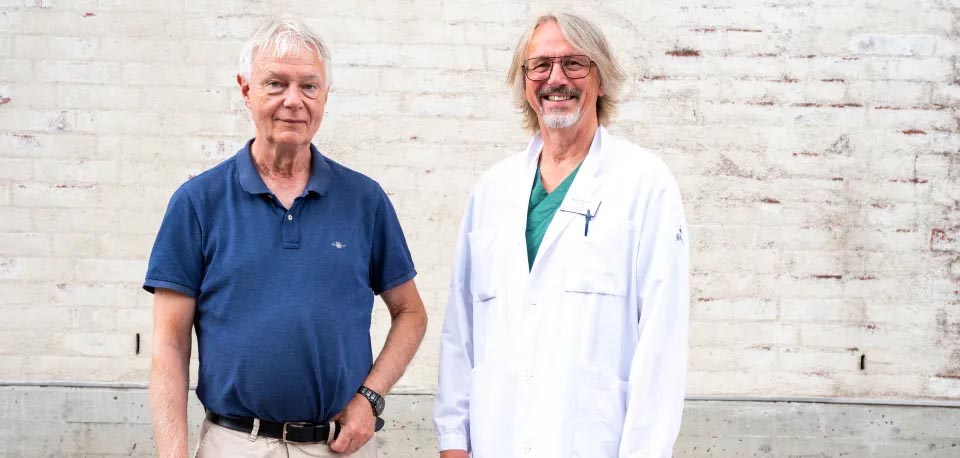
TBC was founded in 2022 by Dr. Alex Ksendzovsky and Dr. Jon Pomeraniec, two neurosurgeon-neuroscientists who spent years working directly with neural interfaces in clinical settings. They started TBC believing that neural tissue is not only something to study, repair, or stimulate, but a biological system that may eventually become useful computational infrastructure.
The company recently moved into a more public phase with a $25 million seed round led by Primary Venture Partners and the opening of a flagship lab in San Francisco’s Mission Bay. The timing reflects a broader convergence of technical progress across higher-density electrode arrays, longer-lasting neuron cultures, organoid systems, and computational tools for decoding neural activity.
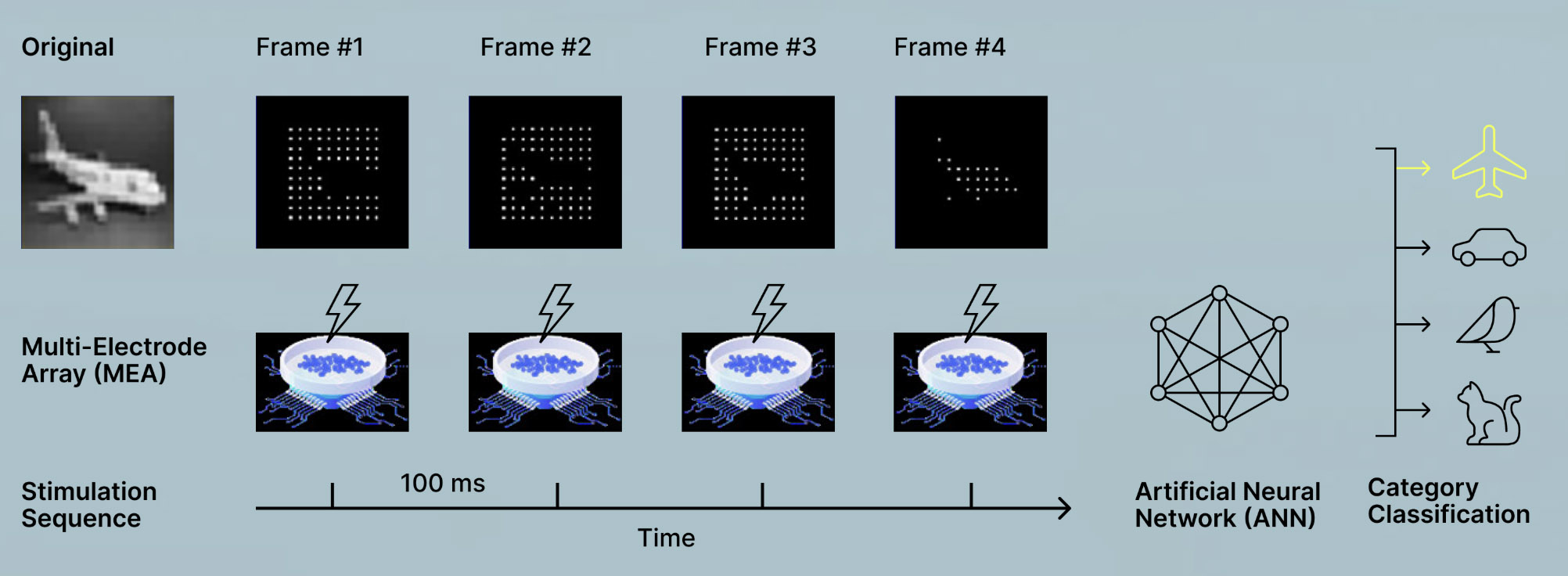
TBC’s positioning is infrastructure-first. Rather than building brain-inspired software or neuromorphic chips, the company wants to connect living neuronal networks to modern AI systems and use them as part of the compute stack for workloads such as computer vision and generative video.
TBC’s thesis starts from the idea that the brain remains one of the most efficient information-processing systems known. Neural networks were originally inspired by biology, but TBC argues that modern AI has moved far enough from the brain that there may be value in returning to living neural systems more directly. “Returning to biology, the most perfect computer ever built in life, just makes total sense,” Dr. Ksendzovsky says.
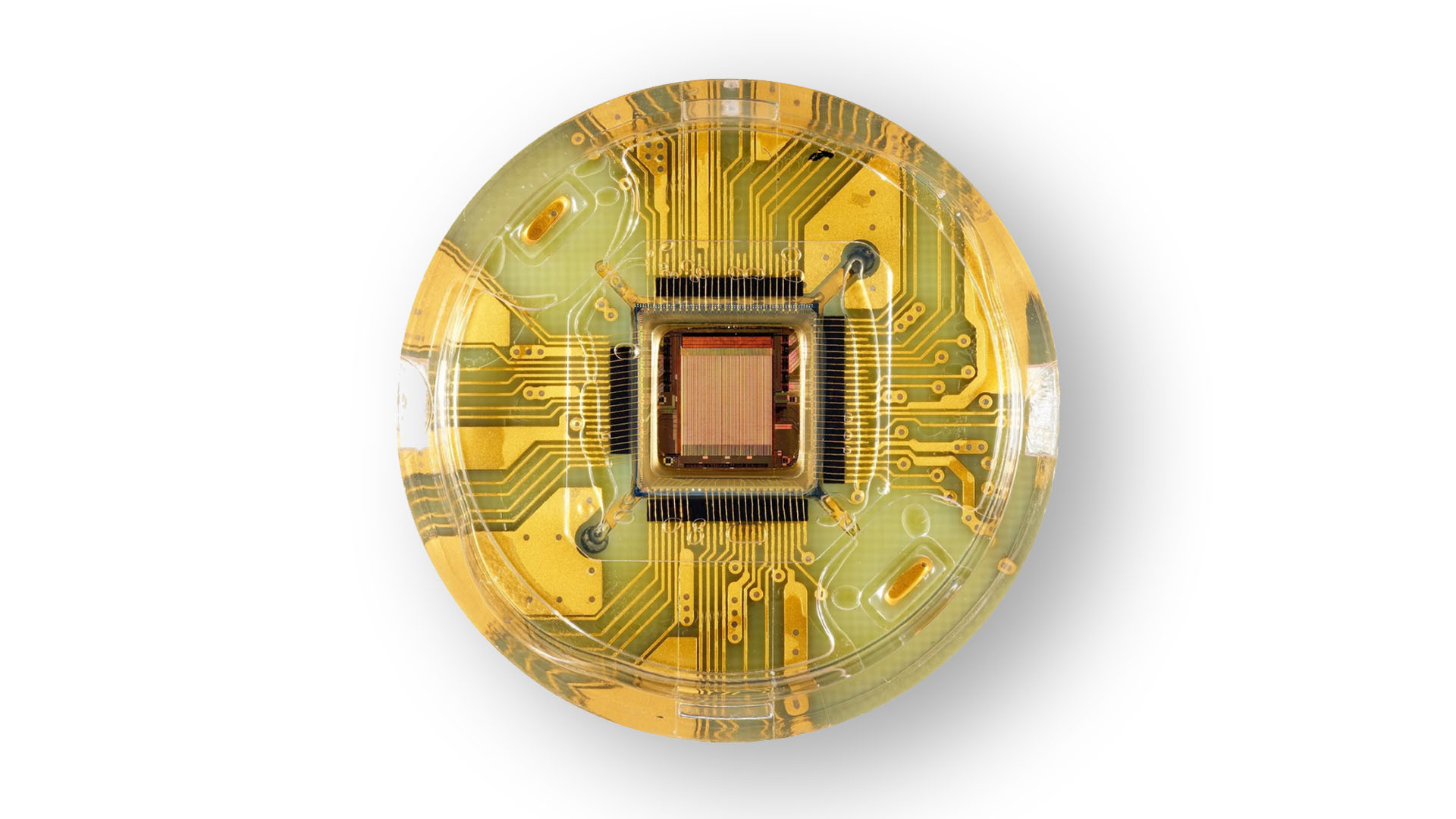
The company is not trying to recreate full brains for computation. Instead, it cultures living neurons on electrode arrays, sends information into those networks through electrical stimulation, and records the resulting activity across space and time. TBC then models how the neurons represent that input and translates those patterns into software modules for conventional AI systems.
In its current form, TBC’s product is not a biological computer replacing GPUs but producing software. Its biologically derived adapters plug into existing AI models, alongside an Algorithm Discovery platform that uses neural activity to identify possible model improvements. The company frames this as a move beyond research-stage biocomputing. As Pomeraniec puts it, “Biological computing is here. It’s a product with very practical use cases already.”

TBC’s bet is that biology offers advantages that silicon still struggles to match. The founders point to the brain’s ability to process large amounts of information on minimal energy, a contrast Dr. Ksendzovsky frames in everyday terms: “This entire conversation we’re having costs the brain maybe a bite of a cheese sandwich. What’s striking is the contrast to modern AI. A large language model generating a response can require orders of magnitude more energy, often drawing on multiple GPUs to do the same thing.”
The company also frames its early results in terms of benchmark improvement relative to added model overhead. In video generation, one common benchmark is how long a video remains coherent before becoming blurry or losing semantic structure. TBC says that adding a biologically derived adapter with 156,000 parameters to a 600-million-parameter model allowed videos to last twice as long before breaking down, while increasing model overhead by less than 0.5%.
"This entire conversation we're having costs the brain maybe a bite of a cheese sandwich"
The broader claim is not that biology can replace silicon. Instead, TBC argues that biologically informed adapters can deliver outsized gains relative to the extra model complexity they add. Part of that promise, the company says, comes from how biological neural systems represent information. Unlike conventional AI models, which rely on fixed activations across discrete layers, living neural networks encode signals through distributed patterns unfolding across both space and time, potentially producing richer and more dynamic representations than static silicon-based architectures alone.
Looking further ahead, the implications may extend beyond today’s AI models and into robotics, where many researchers see world models, simulation, and embodied intelligence as the next major frontier. These systems require capabilities the brain handles naturally, like persistent memory, sensorimotor prediction, causal reasoning, physical intuition, and adaptive control. “All of these problems that world models are trying to tackle, the brain is very good at,” Dr. Ksendzovsky says.
That helps explain why TBC has focused so heavily on video generation. The company sees video models as a bridge toward richer world models, and ultimately toward robotics. If those principles scale, neurotechnology may not only help AI generate better images or video, but also contribute to the deeper challenge of building systems that can model, remember, and interact with the physical world more like living organisms do.
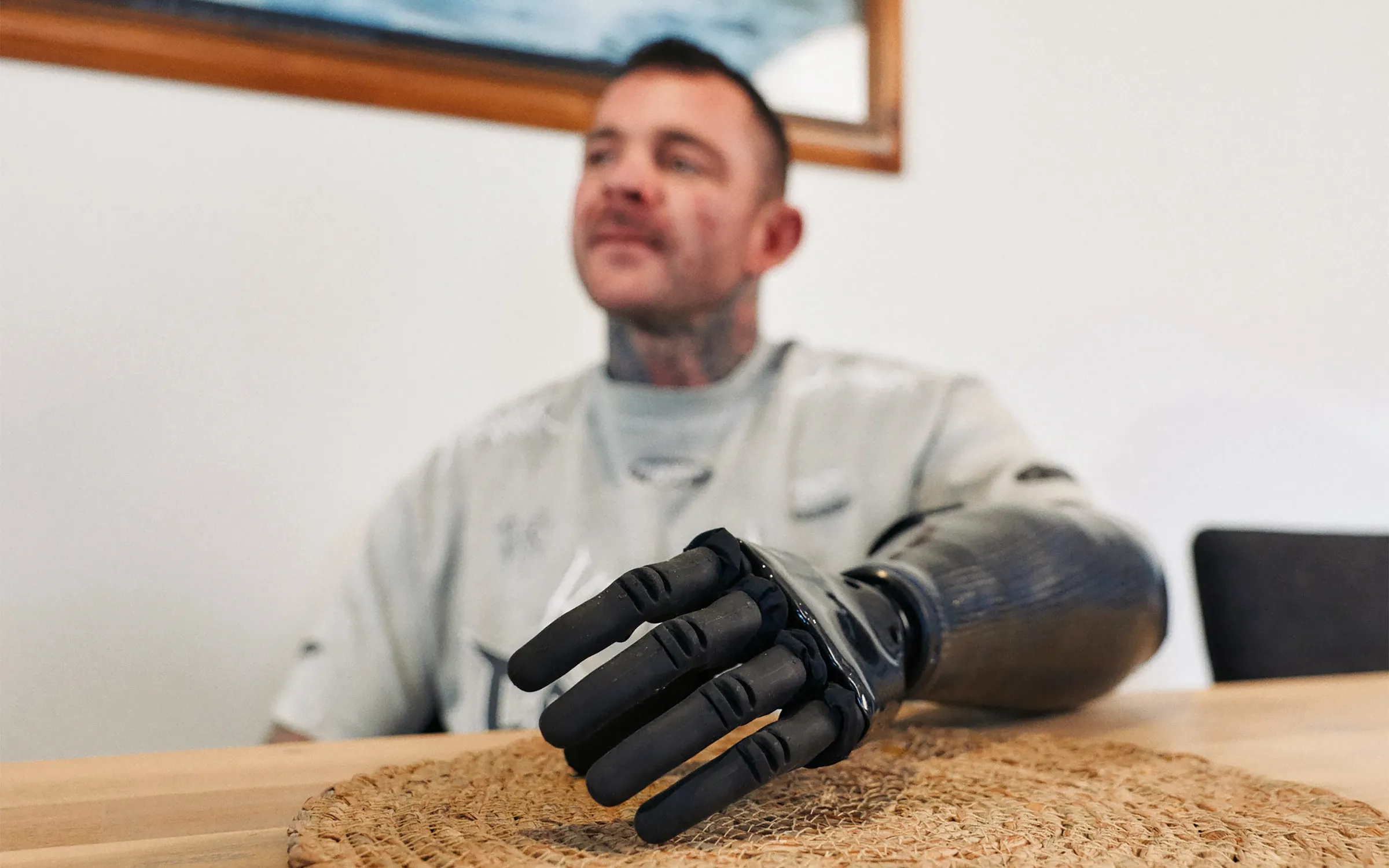
TBC’s work suggests that feeding real-world information into living neurons may reveal more about how neural systems compute, learn, and support sensorimotor control. “Learning the internal dynamics of how neurons are operating is massive for the neurotech industry,” says Dr. Ksendzovsky. Those insights could feed back into more classical neurotechnology, including BCIs and neuroprosthetics, while more efficient compute could also make these systems easier to train, retrain, and deploy.
In the long run, TBC’s ambitions extend beyond software adapters. The company says its next iteration will move closer to biocomputers themselves, integrating living neural networks as a functional computing substrate alongside parts of today’s silicon stack. If that direction proves viable, biological computing could change the relationship between neuroscience and AI. Research into neural computation may improve machine intelligence, while the tools built along the way may open new ways of further understanding the brain. For TBC, the immediate goal is narrower but still ambitious: making biology useful inside computing.
Produced with support from

%20copy.jpg)





.svg)

