This week, Neurofounders hosted its second webinar, focused on the emerging field of biocomputing. The session explored how translational teams are taking a long-standing research concept and turning it into a commercial computing substrate. Joining the conversation were Ewelina Kurtys, Strategic Advisor at FinalSpark, and Brett Kagan, COO and CSO of Cortical Labs, who brought two of the clearest perspectives on the quickly moving field.
Only two decades ago, Shinya Yamanaka discovered the method behind induced pluripotent stem cells. Not long after, the first 3D neuron cultures were grown in the lab. Today, computing with human neuron cultures has gone commercial. Still, as both speakers made clear, neural computing will not replace conventional computers anytime soon. During the discussion, the speakers covered what biocomputing is used for today, where the field still runs into limits, how performance should be measured, the ethical questions around living neural systems, and the longer-term promise of biological computing.
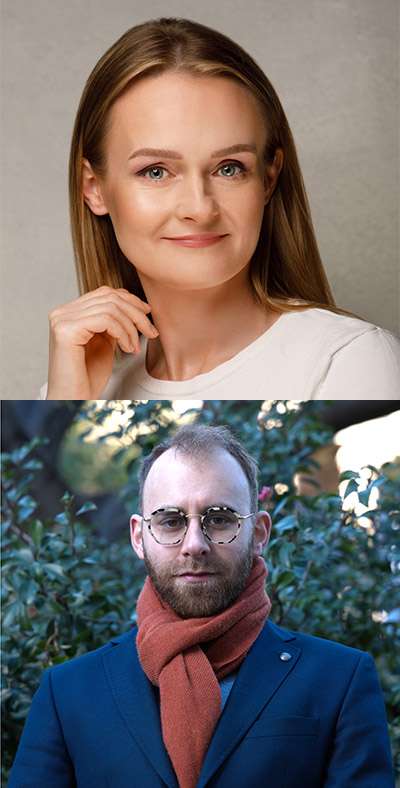
Dr. Ewelina Kurtys is a strategic advisor and scientist at FinalSpark, a Swiss biocomputing company building remote access to living neural systems. FinalSpark works with human neuron-derived organoids placed on electrodes, allowing researchers and commercial users to stimulate, record, and analyze neuronal activity through Python-based experiments.
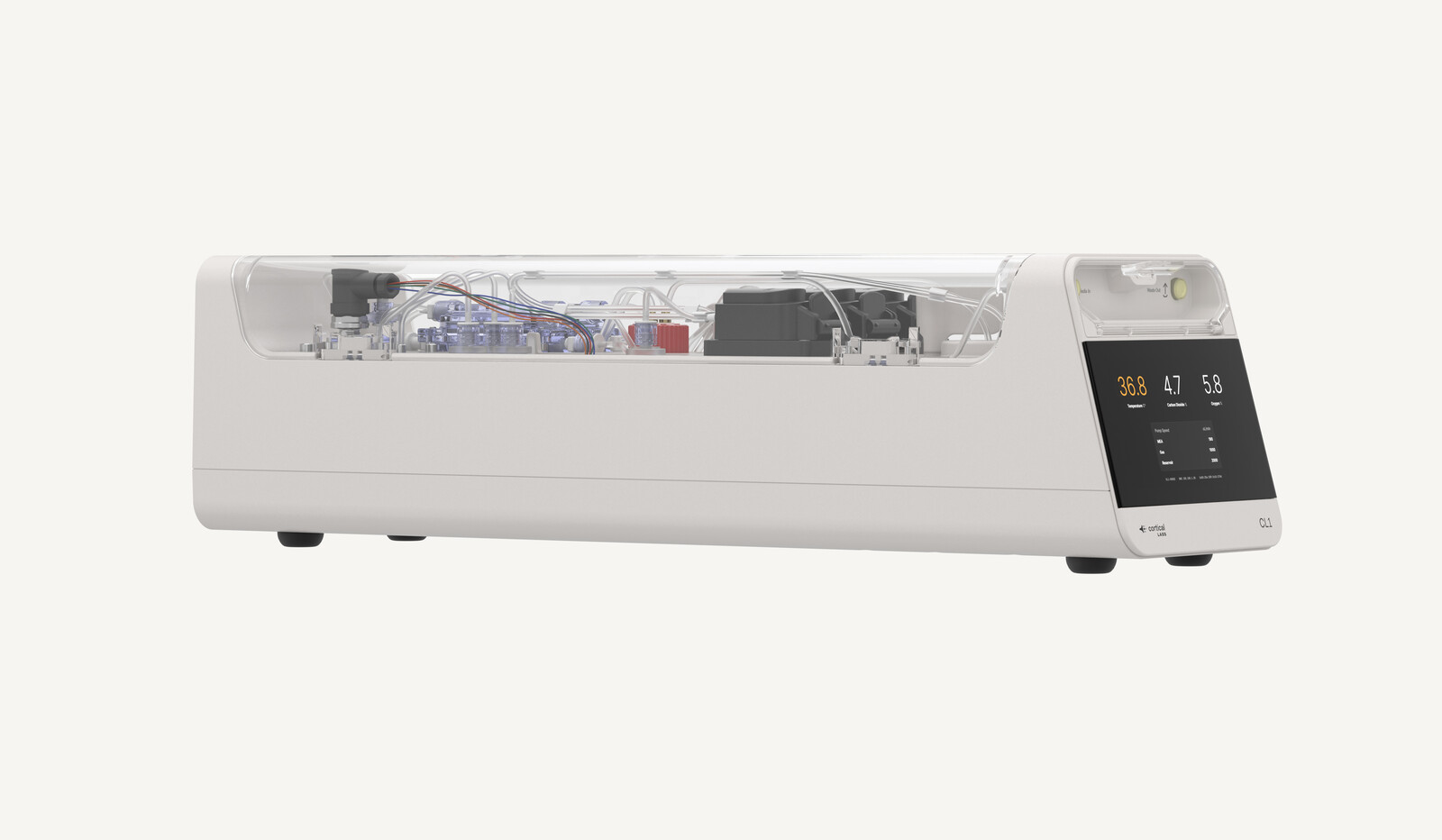
Dr. Brett Kagan is the Chief Scientific and Operations Officer at Cortical Labs, an Australian biocomputing startup developing the CL1, a platform for working with living neural cultures. Cortical Labs focuses on closed-loop biological computing systems, where neurons interact with digital environments and can be studied for learning, adaptation, and information processing.
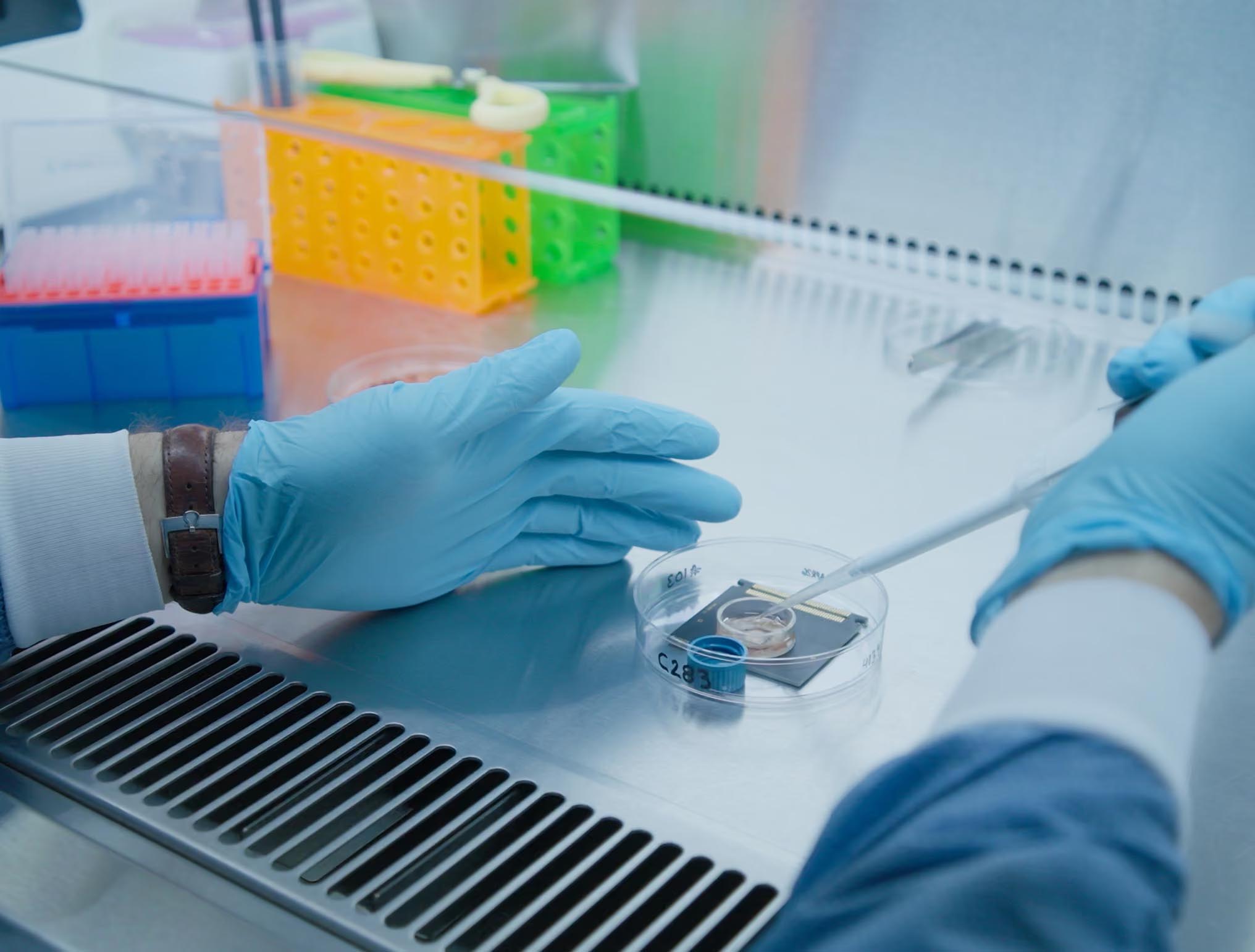
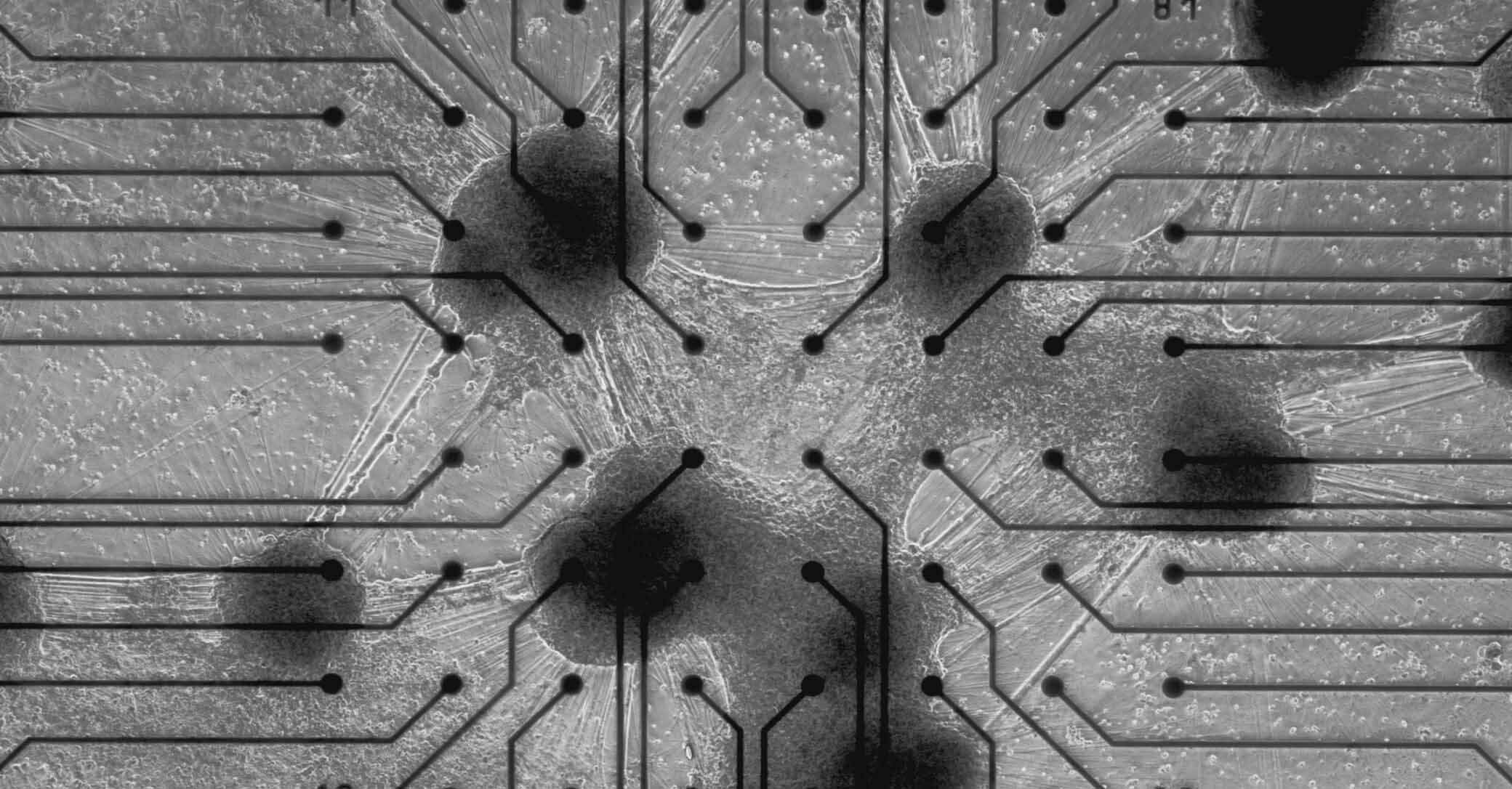
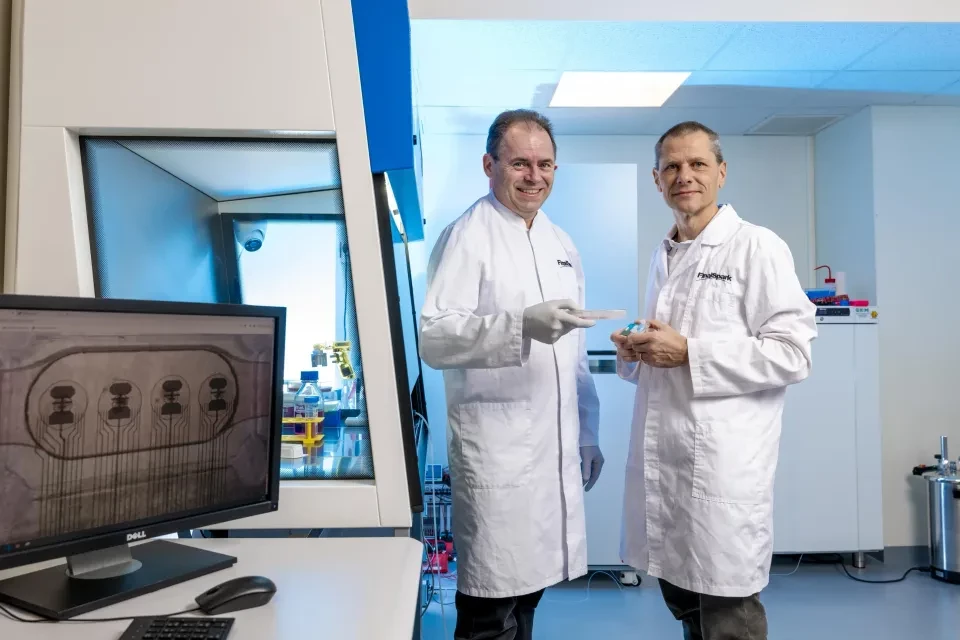
Biocomputing is now commercially accessible, though mostly as a research platform. FinalSpark offers remote access to its living neural organoids in Switzerland, allowing users to write Python code executed on neuronal cultures in the company’s lab. Its current computers use small organoids of around 10,000 neurons, roughly half a millimeter in diameter, placed on eight electrodes that can both stimulate the cells and record their electrical responses.
The first users are still largely technical and exploratory. “Our customers are usually some technical geeks for sure. All of them, no matter where they work,” Kurtys said. “It’s still quite a technical challenge to work with living neurons because you cannot analyze data, you cannot use it like cloud computing today, but that's the goal in the future.” For now, users are testing what can be done with living neural systems, including work on encoding tactile robot data into neuronal cultures.
Cortical Labs offers a different access model around its CL1 computing unit, combining physical hardware, cloud access, and commissioned projects. Its systems can work with different biological formats, including monolayers, organoids, and more structured hybrid neural cultures. Kagan said the CL1 typically houses around 200,000 neurons, although earlier work used 800,000 to 1 million neurons, and the system can support several types of nerve cells, depending on the experimental setup.
Cortical Labs is seeing a broad but early user base. “We’ve had quite a range of users,” Kagan said. “A lot of the expected users, I expected a lot of basic neurosciences. But we’ve had a huge range as well in robotics, in cybersecurity, of course, in AI.” For Kagan, that breadth is advancing the field. “This shows the value of opening this up to the world. You're going to get people who have different perspectives than you and different approaches, and they will be able to develop things in ways that you wouldn’t.”
Programming neurons is still one of the field’s central technical bottlenecks. FinalSpark users can write Python code that is executed on living neuronal cultures, but the code does not program neurons in the way software programs silicon. As Kurtys explained, the system can “programmatically send them electrical and chemical signals” and subsequently read the response. But interpreting that response is no easy task. “Nobody knows how neurons encode information,” she said. “We know quite a lot about how they process signals, but we do not know what it means.”
Cortical Labs approaches the problem through closed-loop environments. Kagan described an embodied neural network as a system where researchers stimulate the cells, measure their response, and then provide feedback based on how that response changes the environment. In the company’s well-known Pong work, undesirable actions, such as missing the ball, were made less predictable through random stimulation. The question was whether the cells would reorganize their activity to reduce that unpredictability. “That’s indeed what we found,” Kagan said.
One of biocomputing’s clearest promises is energy efficiency. FinalSpark frames the field against the rising cost of artificial intelligence, in which larger models and wider adoption are expected to drive energy demand higher and higher. FinalSpark’s thesis is that living neurons could offer a different route. Rather than only searching for new energy sources or more efficient silicon, the company wants to explore whether part of AI’s computing stack can be shifted to biology.
“What FinalSpark believes is that we can replace a digital processor with a bioprocessor, which will be built from living neurons,” Kurtys said. Neurons already process information, and they do so within biological systems that operate on far lower energy budgets than current digital infrastructure. That does not mean biological computers are ready to compete with GPUs or data centers. Kurtys was clear that the field is still trying to understand how to control neuronal activity and make in vitro systems learn. But energy efficiency remains the most concrete long-term promise.
Kagan agreed that energy efficiency is a major advantage, especially in contexts where power is constrained. “If you're looking at edge computing, or especially in areas where energy may be limited, then biology becomes incredibly powerful,” he said. But for Cortical Labs, the opportunity is broader than doing today’s computation with less power. The deeper opportunity regards living systems that can eventually support forms of learning, adaptation, and information processing that silicon systems do not naturally provide.

As expected, biocomputing brought a range of ethical questions center stage. FinalSpark and Cortical Labs produce systems that are not brains, and neither speaker suggested they should be treated as sentient machines. But they are living neural systems, often derived from human cells, which means the field cannot be governed like a conventional hardware or software category.
For Kurtys, that starts with bringing in the right expertise early. “We put a lot of effort into reaching out to philosophers to help us because we are just scientists and engineers,” she said. She still sees many open questions, which means the technology should be developed with extra care. “When you create new technology, you have to monitor this because you don't know how it will end up.”
Kagan framed the same issue from Cortical Labs’ side, emphasizing that ethics has been part of the company’s work from the start. “Our first scientific paper is an ethics paper, not the Pong paper everybody knows us for,” he said. More recently, the company has worked with ethicists on organoid research and on what Kagan described as “experimental neuroethics,” an approach exploring ethical questions during the research process itself.
That includes looking for “morally relevant states” as the systems become more advanced, and treating ethics as part of anticipatory governance rather than a late-stage constraint. As Kagan put it, this is “not the case of science gone amok.” Instead, he argued, the field needs to show that “you can actually choose how to develop your technology.”
For biocomputing, that may become one of the most important tests. The field must go beyond creating living neural systems that can reliably compute, but mature along that dimension without outrunning the ethical frameworks around it.
Watch the full webinar below. This webinar was co-produced with Neurotech Futures.
.svg)