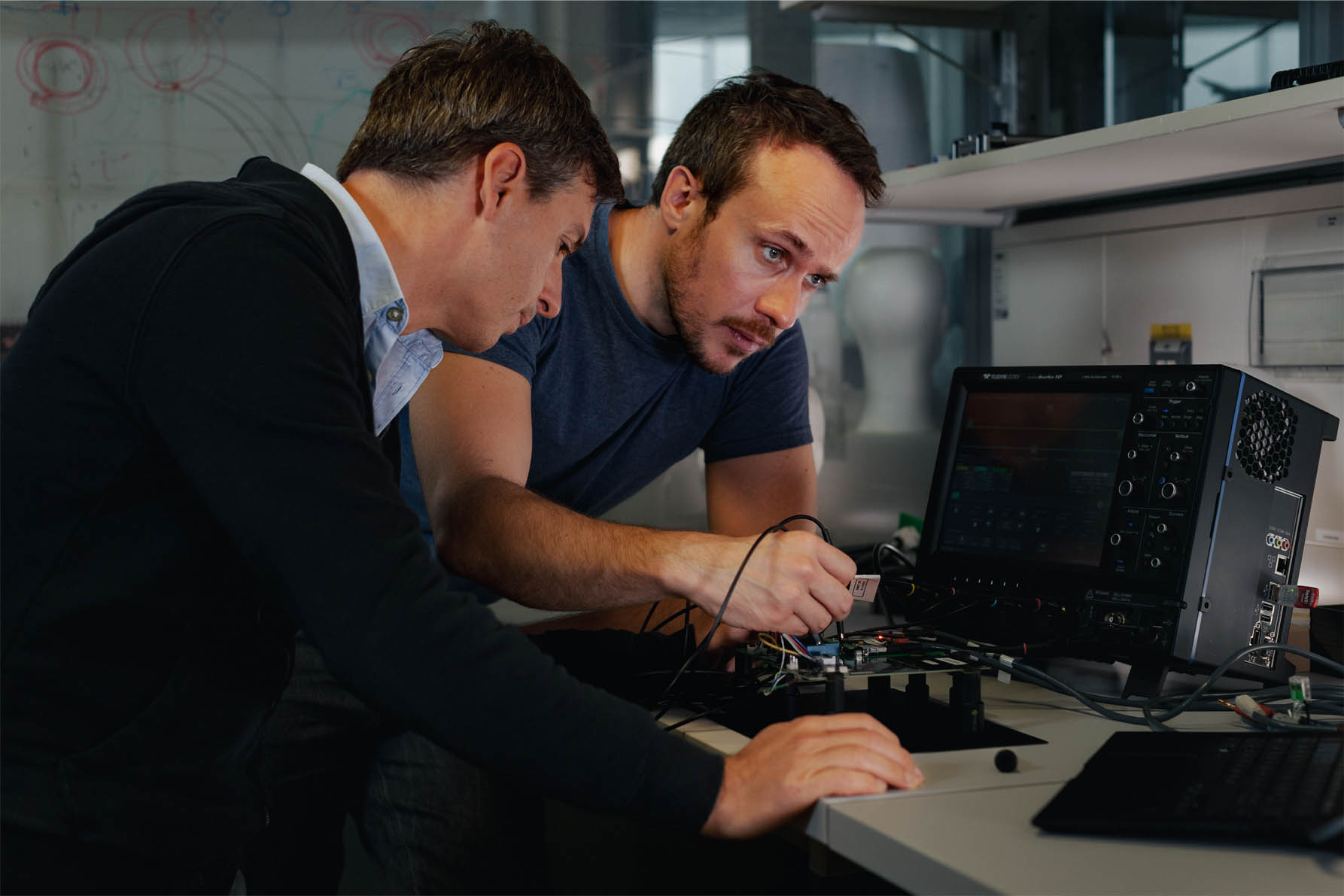
ABILITY Neurotech performed its first-in-human procedure, recording neural data from a patient during brain tumour surgery at the Technical University of Munich. The intraoperative study will enrol up to five patients, each contributing 20 to 30 minutes of recording, and marks the company's entry into clinical testing. ABILITY's fully implantable system uses a wireless optical link designed to transmit high-bandwidth neural data over the long term. A separate chronic implantation study in ALS patients is scheduled for later this year.
ABILITY received regulatory clearance to begin its first-in-human study of its implantable BCI platform in ALS patients in Europe. The company spun out of the Wyss Center for Bio and Neuroengineering with nearly a decade of institutional development behind it. The clearance marks the first time that technology will be tested directly in patients. ABILITY is targeting speech decoding and motor function restoration as its primary applications.

.svg)







.jpeg)