%20(1).jpg)
Stroke is the leading cause of long-term disability in the United States. Every year, 700,000 Americans survive a stroke, but many of them are left with lasting physical disabilities that standard therapy fails to solve. Epia Neuro, a San Francisco-based brain-computer interface startup, has launched to tackle this clinical need. Epia estimates a market opportunity of $5 billion, and emerges from stealth after developing their product over the last five years.
Epia is developing a minimally-invasive system for stroke survivors that links brain signals to motor rehabilitation exercises through real-time feedback loops. In the near term, the focus is on using neural input to drive assistive actions and external devices. But unlike most current BCI efforts, Epia also includes stimulation functionality in its implant to eventually drive functional recovery in the brain.
Globally, 80 million people live with the long-term effects of stroke, struggling with basic tasks like walking, eating, or speaking. For many, the hardest part begins in the chronic phase, where recovery becomes increasingly difficult and existing rehabilitation therapies often fail to achieve a minimal clinically important difference for upper limb control.
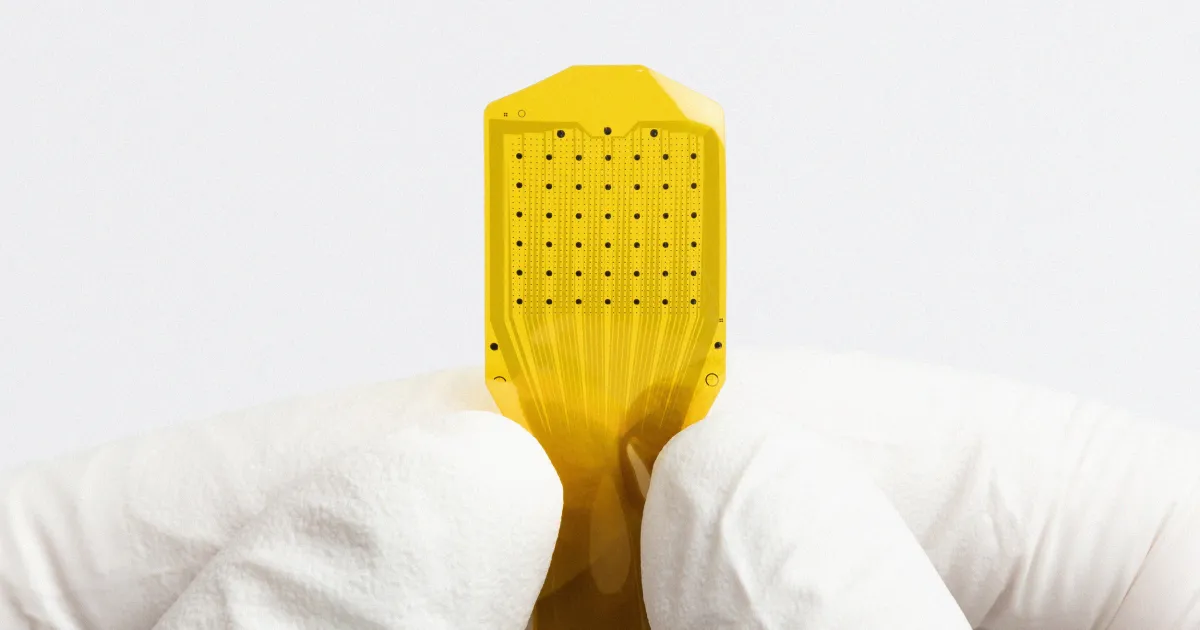
Epia is stepping in to fill this gap with technology designed to work when traditional therapy fails. Their system is built around a minimally invasive 64-channel array positioned directly above the motor cortex. Unlike intracortical implants, the device sits above the dura, the brain's protective outer layer, where it records the neural activity associated with movement intentions without penetrating brain tissue.
These signals are transmitted to an external processing system where spatial filtering algorithms isolate and decode activity in real time. By maintaining low latency, the system ensures interactions between thought and action feel fluid and responsive, aiming to give the individual natural control over their environment. At its core, the implant acts as a high-fidelity read and write system, engineered for the multi-year durability required of a permanent medical implant.
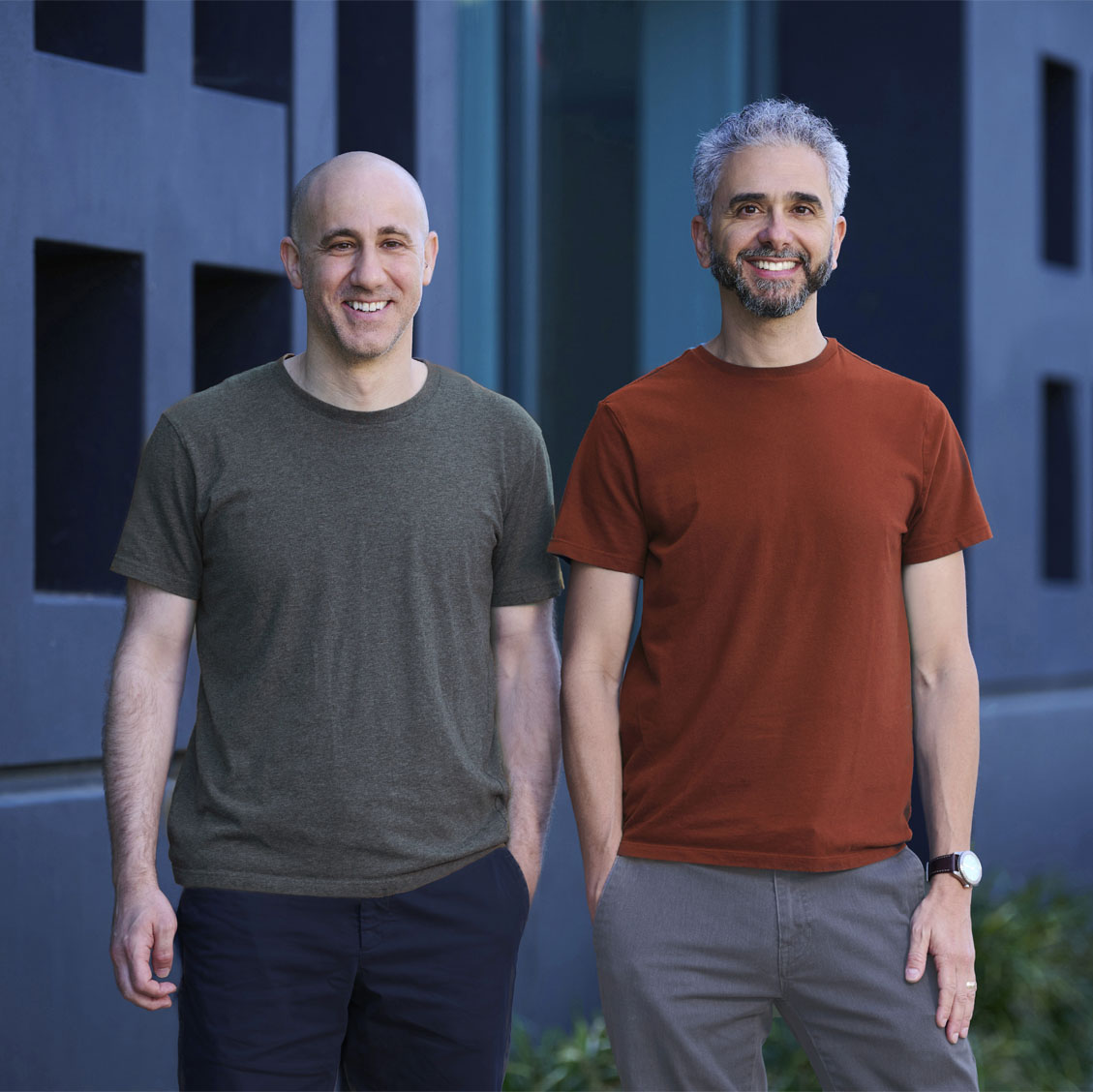
The hardware and software ecosystem was designed with the patient’s daily life in mind. Epia co-founder and CTO, Gil Mandelbaum explains, “That means every decision we have made, from how the device is implanted, to how it fits into a patient's day or how it integrates into existing care as well as how long it can potentially provide meaningful assistance was driven by one question: will this actually work in the real world, for real people?”
This focus on real-world use shapes several parts of the system design, including a battery that can be wirelessly recharged in under an hour through a headphone-style wearable and an external processing unit intended for one-handed use. The setup also allows software and algorithm updates without requiring additional surgical procedures. After an initial training period, the platform is intended to transition from the clinic into the home, where it will continue adapting to changes in the user’s brain signals over time.
Epia aims to implant its first human patient in the coming months, with more formalized clinical trials expected around late 2026, following an FDA IDE submission. Early feasibility studies are planned around 10 to 20 participants and will focus on assessing safety and baseline efficacy.
In the same trend as Precision Neuroscience and Synchron, Epia Neuro is being developed around a less invasive implantation model than the high-risk open brain surgery involved in intracortical approaches. The procedure, designed in collaboration with neurosurgeons, replaces a small portion of the skull of approximately 2% with the device. As the intervention does not penetrate brain tissue, the device can be implanted in under an hour by a neurosurgeon in a standard hospital setting.
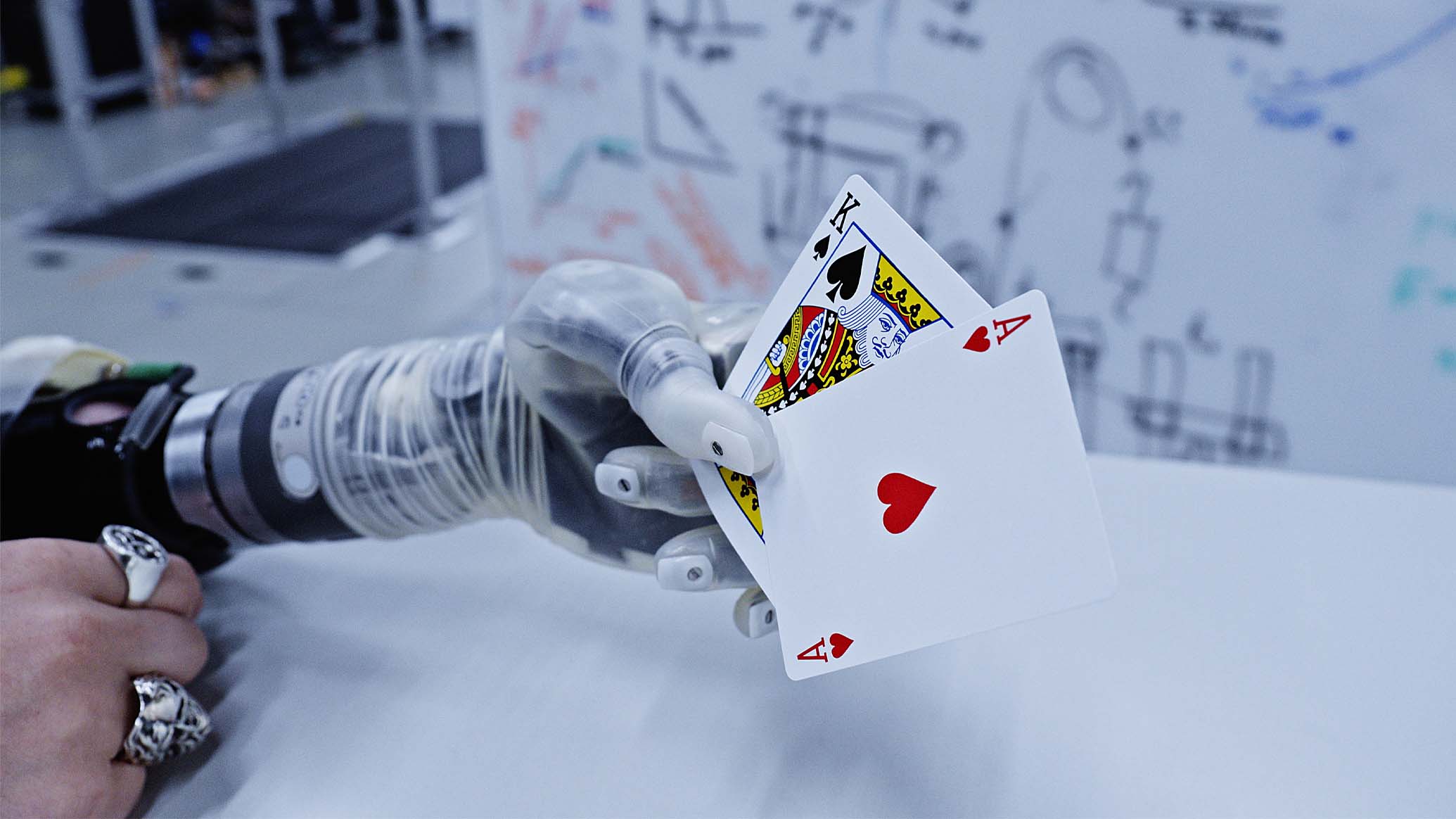
“Integrating the technology into standard rehabilitation workflows is critical,” Mandelbaum notes. Following a short recovery, patients begin a structured, personalized training phase. These sessions have been developed with neurologists and therapists to fit into the patient’s traditional rehabilitation journey. The system then begings translating intent into action through an assistive glove, designed to fit naturally into existing therapy pathways.
While the immediate goal is to restore function, Epia is also exploring whether repeated use could help reinforce neural pathways. The platform is primarily designed to drive assistive technologies by translating neural intent into physical action; stimulation is an added component. But over time, stimulation could allow the system to support not only functional assistance, but potentially longer-term rehabilitation and neuroplasticity.
Epia’s launch comes as brain-computer interface funding has accelerated sharply. A 17-company snapshot shows around $1.75 billion raised over the last 12 months alone. At the same time, the stroke recovery segment is becoming more contested. On April 8, 2026, German startup CorTec received FDA Breakthrough Device Designation for its Brain Interchange system in chronic stroke rehabilitation, marking the first BCI worldwide to receive that designation for stroke motor recovery.
.svg)