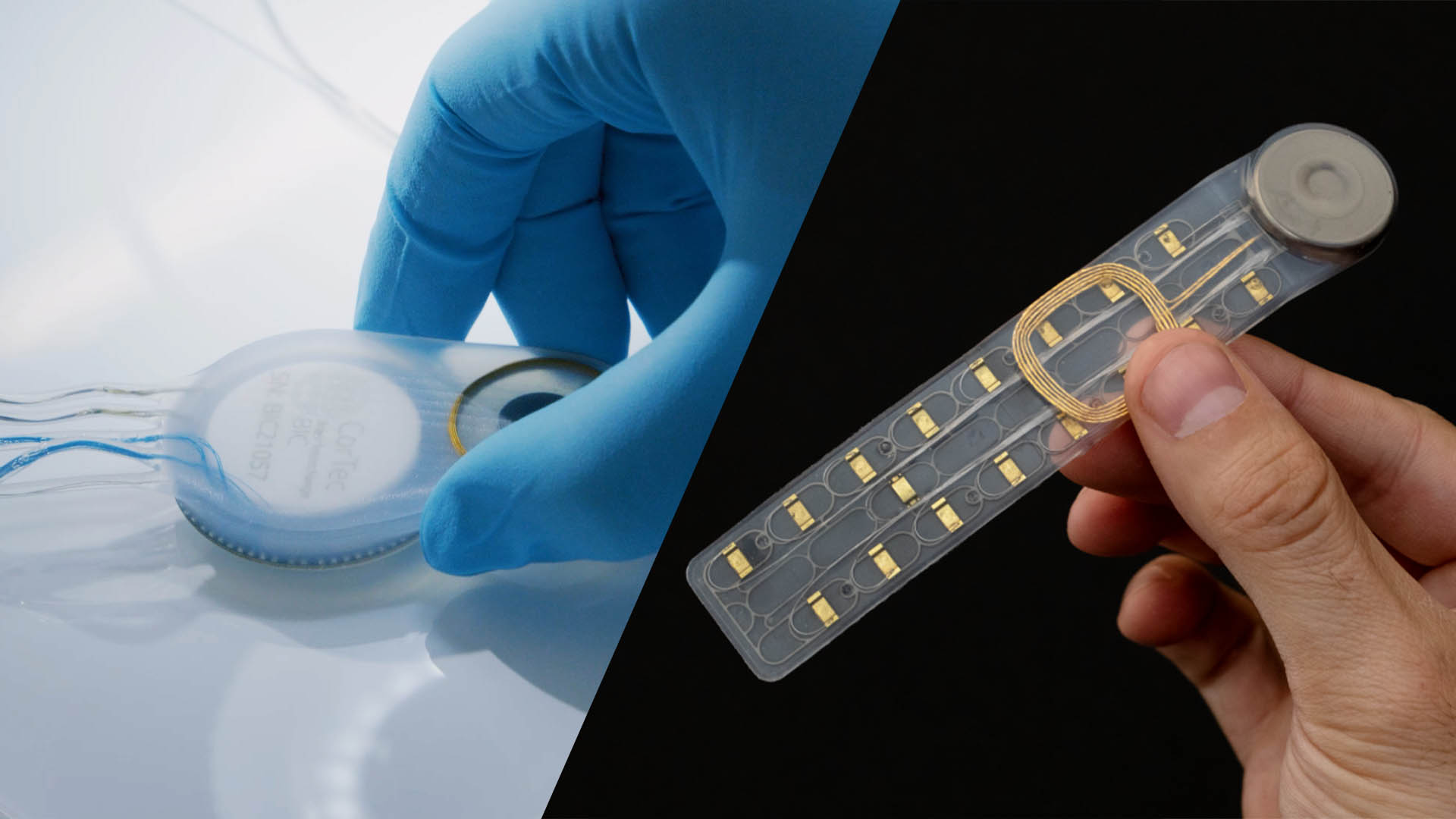
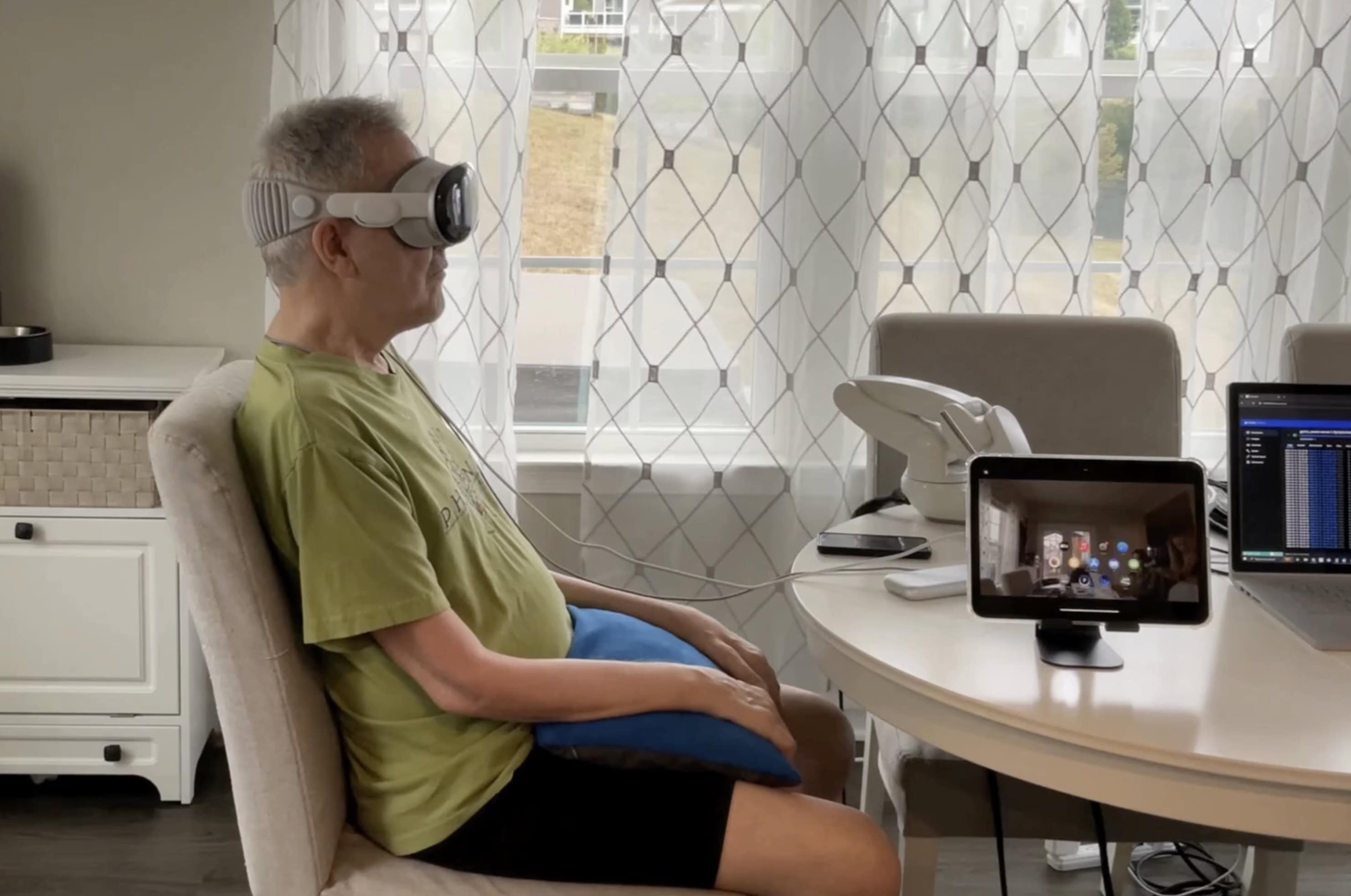
Developing the Stentrode, an endovascular, minimally invasive BCI implant enabling paralyzed individuals to control digital devices using thought alone.
Funding, launches and regulatory moves across the neurotech startup map.
Subscribed. Check your inbox to confirm.
•
Neurofounders Insights
$ Funding -
Series C+
MODALITY
Endovascular
FORM FACTOR
Implant
INTERFACE DEPTH
Minimally invasive
INDICATION
Paralysis/motor
TARGET USER
Patients
REGULATORY STAGE
Investigational
Synchron is the leading endovascular BCI company, differentiated by the Stentrode’s ability to reach the brain without open-skull surgery. This minimally invasive route gives it one of the clearest practical advantages in the assistive BCI field, even if bandwidth is lower than intracortical systems.


.svg)






.jpeg)