Epilepsy care still relies heavily on self-reported seizure counts to assess seizure burden. This measure is notoriously inaccurate, with patients accurately recording only around half of their seizures. Clinical EEG recordings can also miss seizure activity, especially when seizures are infrequent. Subcutaneous EEG monitoring is emerging as one response to this gap, providing a more objective and longitudinal view of brain activity in people living with epilepsy.
On June 15th, 2026, Denmark-based UNEEG Medical announced FDA 510(k) clearance for EpiSight, its subcutaneous EEG monitoring system for epilepsy. The clearance brings UNEEG’s CE-marked system, already launched in Europe, into the US regulatory market. It follows EpiMinder’s FDA De Novo authorisation in 2025, making subcutaneous EEG a growing category for long-term, real-world seizure monitoring.
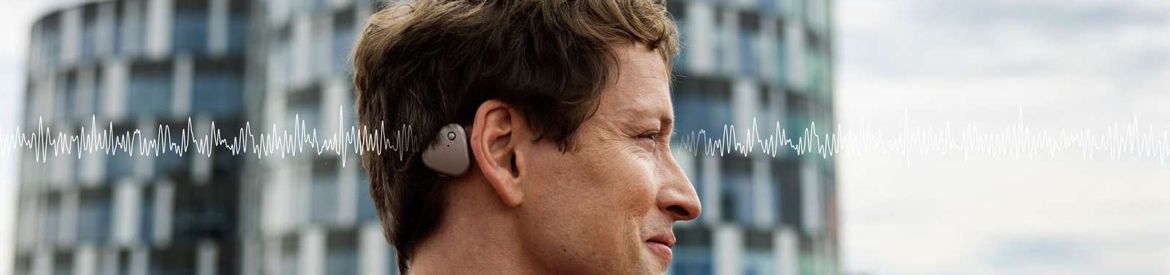
UNEEG’s clearance moves EpiSight from Europe into the US regulatory market. EpiSight was first launched in Europe in 2024, following CE-mark approval, and was recently approved for up to 3 years of use, up from an earlier 15-month label. The implant is built around SubQ, a small subcutaneous EEG device implanted under the skin behind the ear. The device continuously records brain activity, with EEG data stored, analysed, and shared with physicians to support a deeper understanding of seizure activity outside the clinic.
The 510(k) submission was supported by clinical studies of the SubQ system, including ultra-long-term recordings in patients with temporal lobe epilepsy, alongside earlier feasibility work conducted before UNEEG shifted from hypoglycaemia to epilepsy applications. As the company prepares for US commercialisation, it is drawing on a substantial dataset from its European implants. As of April 2026, the EpiSight database held over 500,000 hours of EEG data, including more than 10,000 annotated seizures and 170,000 hours of sleep data.
The scale of this dataset may become an important part of UNEEG’s position in the market. CEO Martin Stenfeldt has described the SubQ implant as an “enabler, but the real value is in the data and the insights.” Continuous monitoring generates large volumes of data per patient, making automated analysis and AI-driven seizure detection central to identifying relevant activity.

Seizures can appear months or even years apart, making them difficult to capture in the clinic. Even epilepsy monitoring units are limited to multi-day inpatient recordings, often under artificial conditions such as sleep deprivation or medication tapering. Long-term subcutaneous EEG changes the picture through continuous seizure monitoring in daily life. It identifies unnoticed seizures, including nocturnal events, and can increasingly distinguish epileptic seizures from non-epileptic events.
Beyond providing clinicians with more context, such data could also support clinical trials, where antiseizure medication studies still rely heavily on patient-reported seizure frequency. Continuous EEG may allow for EEG-derived endpoints and digital biomarkers. Stenfeldt has said UNEEG is working with several pharma and medtech partners, though no formal partnerships have been disclosed.
By improving seizure characterisation, longitudinal EEG is increasingly used to explore features such as seizure alarming or forecasting. Such applications are more complex than retrospective monitoring, requiring high accuracy thresholds to be met, but are actively explored by epilepsy startups such as Theta Neurotech and Empatica.
A core limitation of UNEEG's approach is spatial resolution. Subcutaneous EEG uses around three electrodes, far fewer than standard scalp EEG. This makes EpiSight better suited to patients with relatively focal seizures from a known region. UNEEG has also added a dedicated sleep analysis module to EpiSight, pointing to possible applications beyond epilepsy.
.svg)