Around 65 million people worldwide live with epilepsy, and roughly a third experience seizures that cannot be controlled with medication. For many of those patients, the hardest part is not only the seizure itself, but the uncertainty of when the next one might happen. A small group of neurotech companies is now trying to address that problem through seizure forecasting. Theta Neurotech has raised a $2m pre-seed round to tackle seizure prediction with a miniaturized EEG wearable.
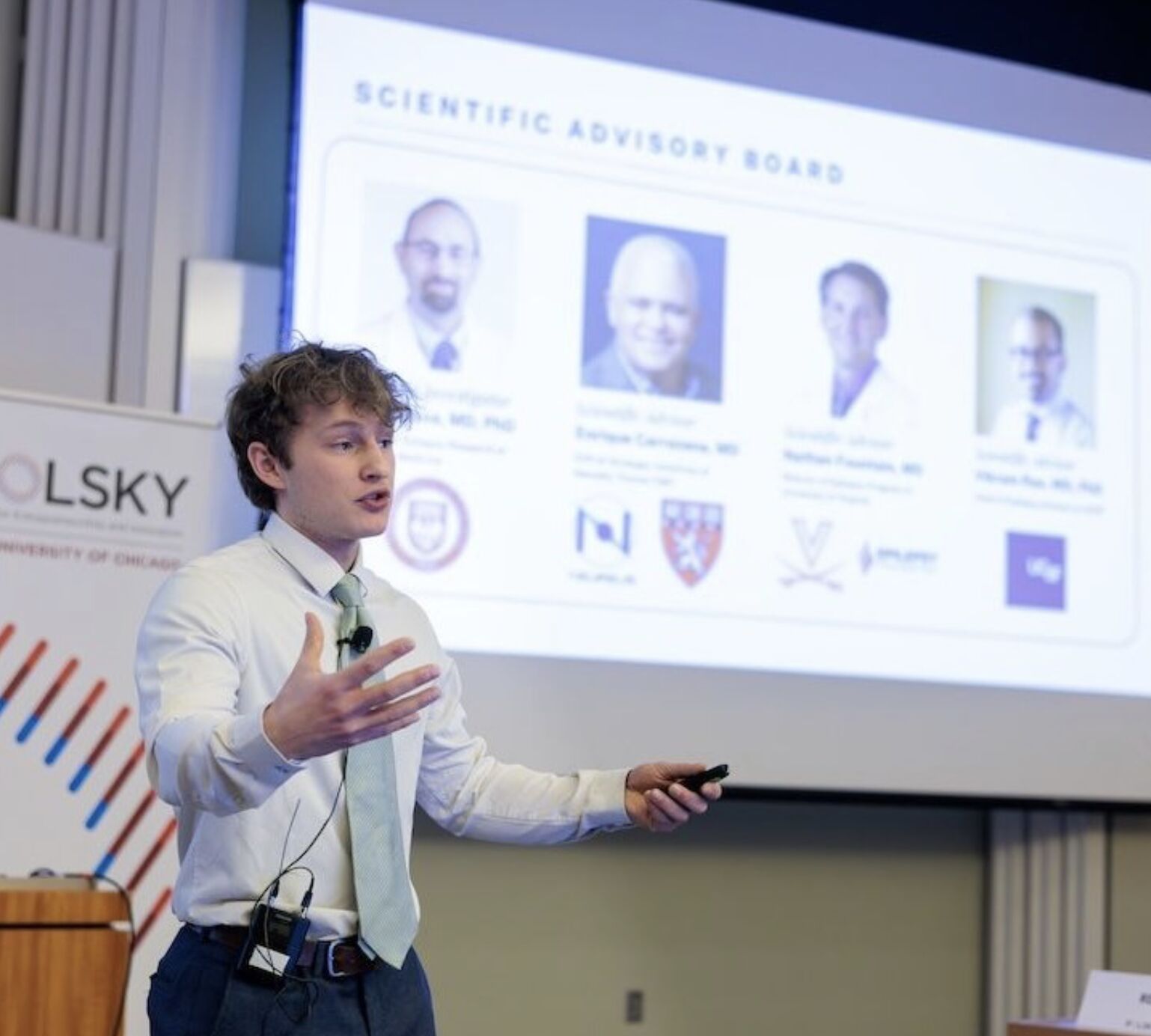
Based in Chicago, Theta Neurotech was founded in 2024 by Truman Pierson and Chris Fitz. The company initially set out to build a broader “Fitbit for the brain” concept, but has since narrowed its focus to seizure forecasting. In a retrospective study, the team says its machine learning models already correctly predicted 282 of 308 seizures. The $2 million round, led by Vaark Ventures, will support continued R&D, team expansion, and the launch of an exploratory clinical study.
Theta Neurotech’s pre-seed gives the Chicago company fresh capital to keep building its epilepsy-focused wearable EEG platform. The round was led by Vaark Ventures, with participation from UChicago Medicine Ventures, Harper Court Ventures, the Polsky Center, Band of Angels, and others. The funding will support further R&D on the device and ML stack, along with an exploratory clinical study planned for the coming months. Theta has also added to its software team and hired technical talent in EEG and flexible materials.
Theta did not begin as a narrow epilepsy company. Founder Truman Pierson said the original idea was closer to a “Fitbit for the brain,” shaped in part by his experience using fitness wearables as a college athlete. That vision has since narrowed into a medical-device-oriented wedge. Epilepsy offered a clear starting point, with an urgent need and a more obvious reason for adoption. Theta sees the core device and ML stack as extensible to other neurological use cases over time, including migraine and stroke.
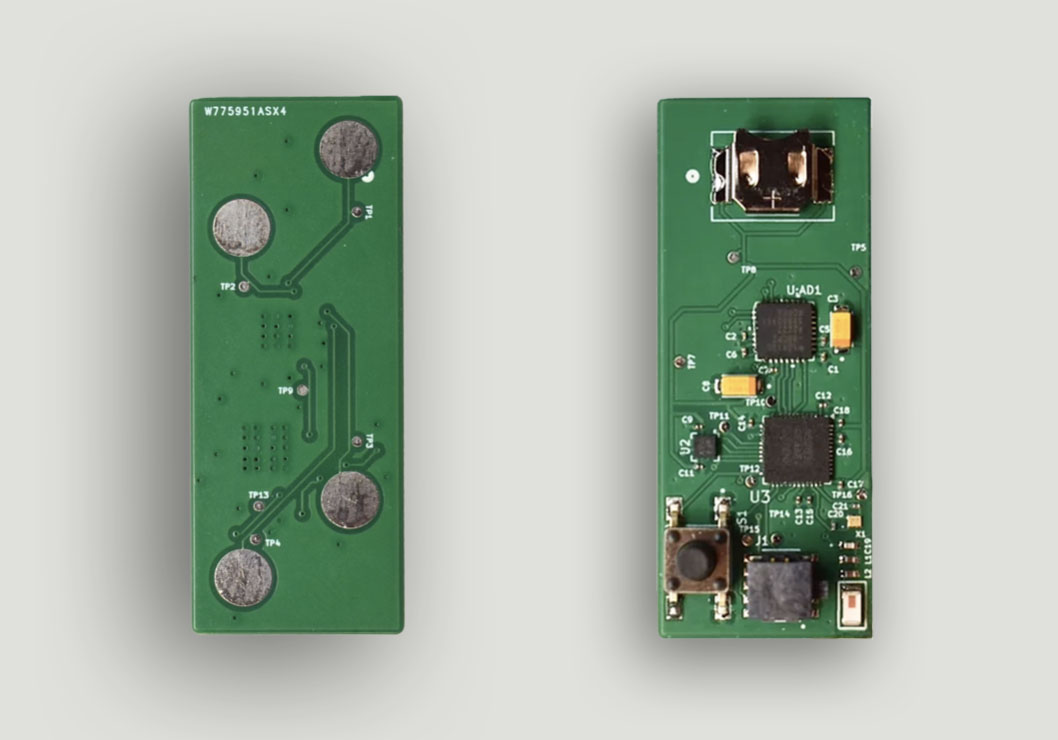
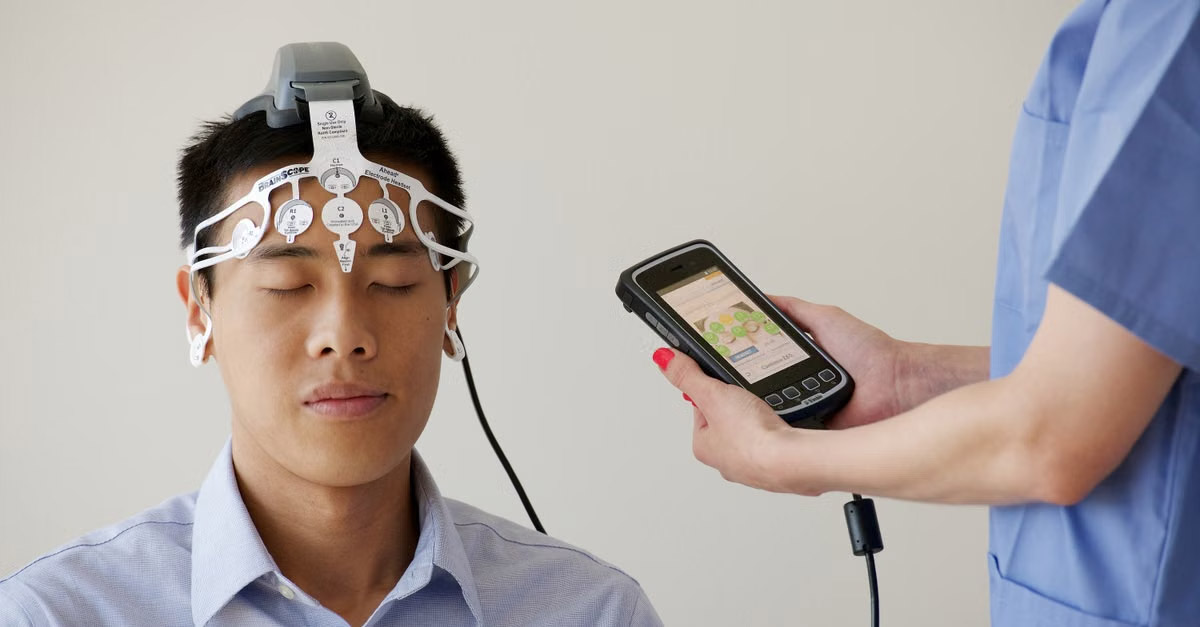
Theta is developing its solution as a behind-the-ear EEG patch, designed to be worn on both sides of the head, paired with a mobile app and built for continuous use over multi-day periods. Theta’s current approach is focused mainly on temporal lobe seizures, which fits with the device’s placement and the brain regions it is best positioned to measure.
More broadly, the company sits within a still-thin category of neurotech firms trying to move epilepsy tools beyond seizure monitoring and toward actual forecasting. The next phase for Theta is to keep refining the wearable and ML system, and to test whether that promise can hold up in prospective clinical use.
Seizure prediction goes beyond simply analyzing EEG data for pre-seizure patterns. The more challenging task is building out machine learning models into a system that can work continuously, in real time, and in a form factor people will actually wear. “The hard part is not that we need some completely new scientific breakthrough,” Pierson says, but rather “getting the system to work in real time, on-device, with the signal quality and power constraints that come with a wearable.”
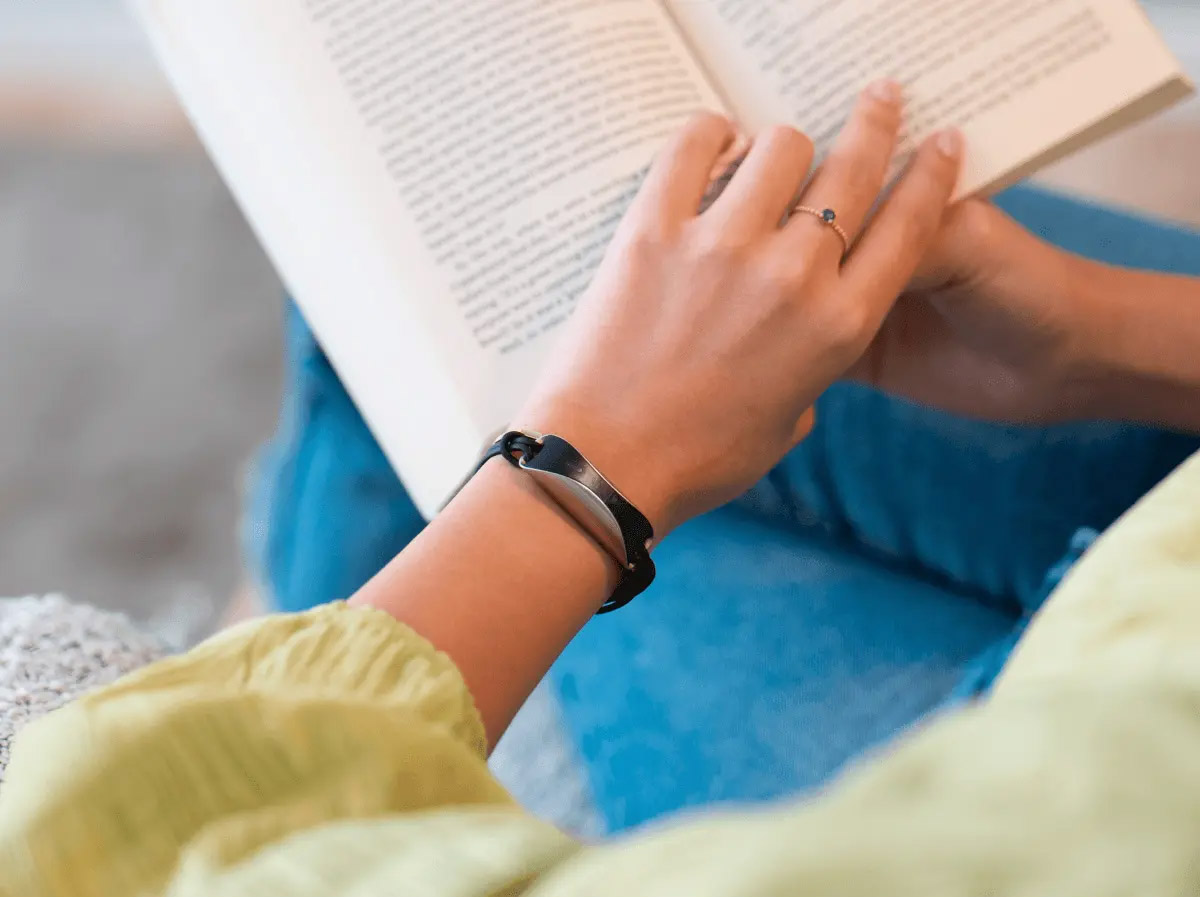
Theta sits in a relatively thin part of the epilepsy technology market. Most existing products are still built around seizure monitoring or post-onset alerting. Empatica’s EpiMonitor is the best-known product. The watch-like wearable, worn on the wrist, monitors seizures and alerts caregivers at onset. However, Empatica is also actively running a forecasting study using real-world user data from its installed base; albeit, using proxy data captured at the wrist as opposed to directly monitoring neural activity.
Barcelona-based mjn-neuro is a closer non-invasive analogue. Its EPISERAS system is explicitly positioned around early seizure-risk detection and has already reached CE-marked commercialization in Europe. UNEEG sits in a different category again, building around subcutaneous ultra-long-term EEG monitoring, where seizure forecasting is currently part of the research and data layer, but within an implantable monitoring model rather than a lightweight wearable.
Theta is tackling the challenge head-on. So far, around 2,000 patients have joined the waitlist, which Pierson pointed to as evidence of how strong demand is for tools that reduce the burden of unpredictability. “The most debilitating part is not knowing when it will happen,” he said, framing the value of forecasting not as awareness for its own sake, but as a way to change what a patient does next. Over time, that could mean not just avoiding injury or preparing caregivers, but potentially linking elevated risk to action, including fast-acting treatment.
.svg)