

2026 brought a noticeable uptick in neurotech activity from a geography that is still often treated as peripheral. The Economic Times India recently reported on institutional funding for a stealth BCI effort, adding to a year that had already seen a new tDCS wearable company raise seed capital for a US launch and a tech billionaire back a consumer neurotechnology startup with a $50 million round. Across India, neurotech efforts are beginning to appear that do not just mirror developments in the West, but increasingly aim to compete with them.
A closer look at the country’s neurotech landscape shows a broadening set of companies across multiple layers of the stack. Credible efforts are emerging in consumer wearables, clinical neuromodulation, research tooling, and computational diagnostics. As global interest in neurotech funding continues, more of these companies could move from early signal to category contender. Below, we look at six Indian neurotech startups helping define that shift.
Temple is the most eye-catching headline coming out of India. The startup, founded by Zomato founder Deepinder Goyal, raised $54 million in seed funding earlier this year, one of the largest financings for an India-based neurotech project. Temple is developing a patch, worn at the temple, that measures cerebral blood flow in real-time. Early applications are tied to focus, fatigue, strain, and broader cognitive performance for elite athletes.
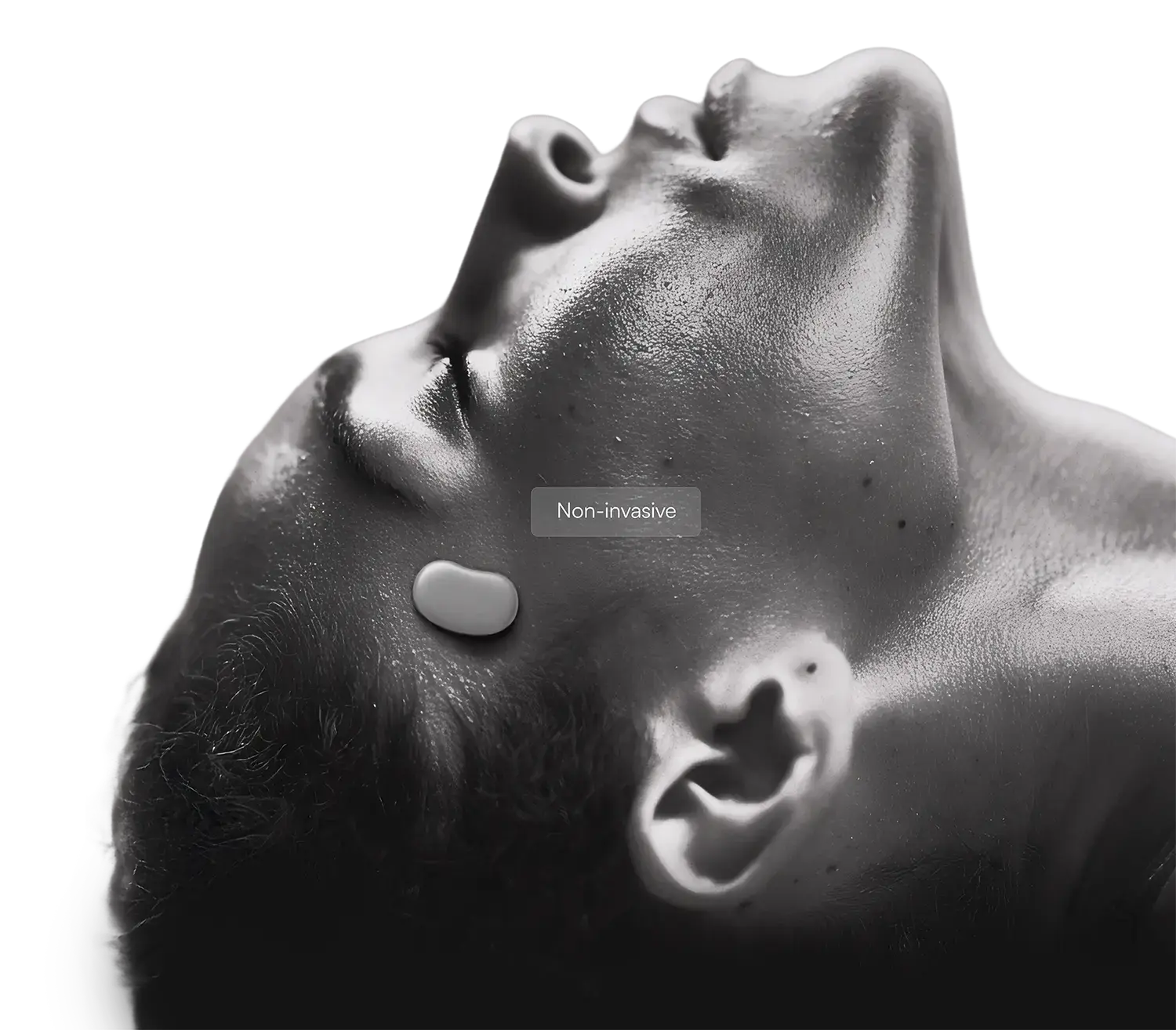
Temple is trying to build a new category of brain-adjacent performance wearable. Elite sport already runs on dense physiological tracking, from heart rate and HRV to sleep, recovery, and lactate, but direct measurement around the brain has remained harder to productize. Temple’s thesis is that cerebral blood flow or closely related hemodynamic signals can add a useful new layer to how fatigue, strain, and cognitive readiness are understood. The open question is whether the company is measuring something meaningful and robust enough to shape actual training and recovery decisions.
Mave Health is a Bengaluru- and San Francisco-based neurotechnology company founded in 2023. Last month, it raised $2.1 million in seed funding to scale Arc, a wearable headset built around transcranial direct current stimulation. The device delivers low-intensity stimulation to the prefrontal cortex in 20-minute sessions, with the product currently positioned around focus, mood, and stress regulation. The seed capital is being used to support launches in India and the US and to expand manufacturing capacity.
Arc sits in the part of consumer neurotechnology that overlaps with mental health and cognitive performance. Earlier coverage around the company framed the product more directly around depression, while the current launch language centers exclusively on focus, mood, and stress. That places Mave closer to the Flow, Sooma, and broader at-home neuromodulation category than generic wellness wearables. Mave could credibly compete in that category, should the consumer launch bring sufficient capital for a clinical expansion.
Anthriq, previously known as Nexstem, is also based in Bengaluru, India’s tech capital. The company first emerged with a non-invasive BCI framing, but has since widened its scope into what it calls a broader “Human Body API,” centered on real-time monitoring, interpretation, and interaction across signals such as EEG, ECG, EMG, and EOG. Its products cover signal acquisition hardware, software, and supporting data infrastructure for developers, engineers, and applied research teams.
Under its previous name, Nexstem, the startup raised $3.5 million in late 2024 to expand its BCI ecosystem and biosignal platform. That institutional base now extends into a more explicit support role for the local ecosystem. Anthriq’s recently-launched fellowship program offers researchers access to hardware, workflows, mentorship, and publication support, connecting the company directly to how biosignal work gets developed inside Indian labs.
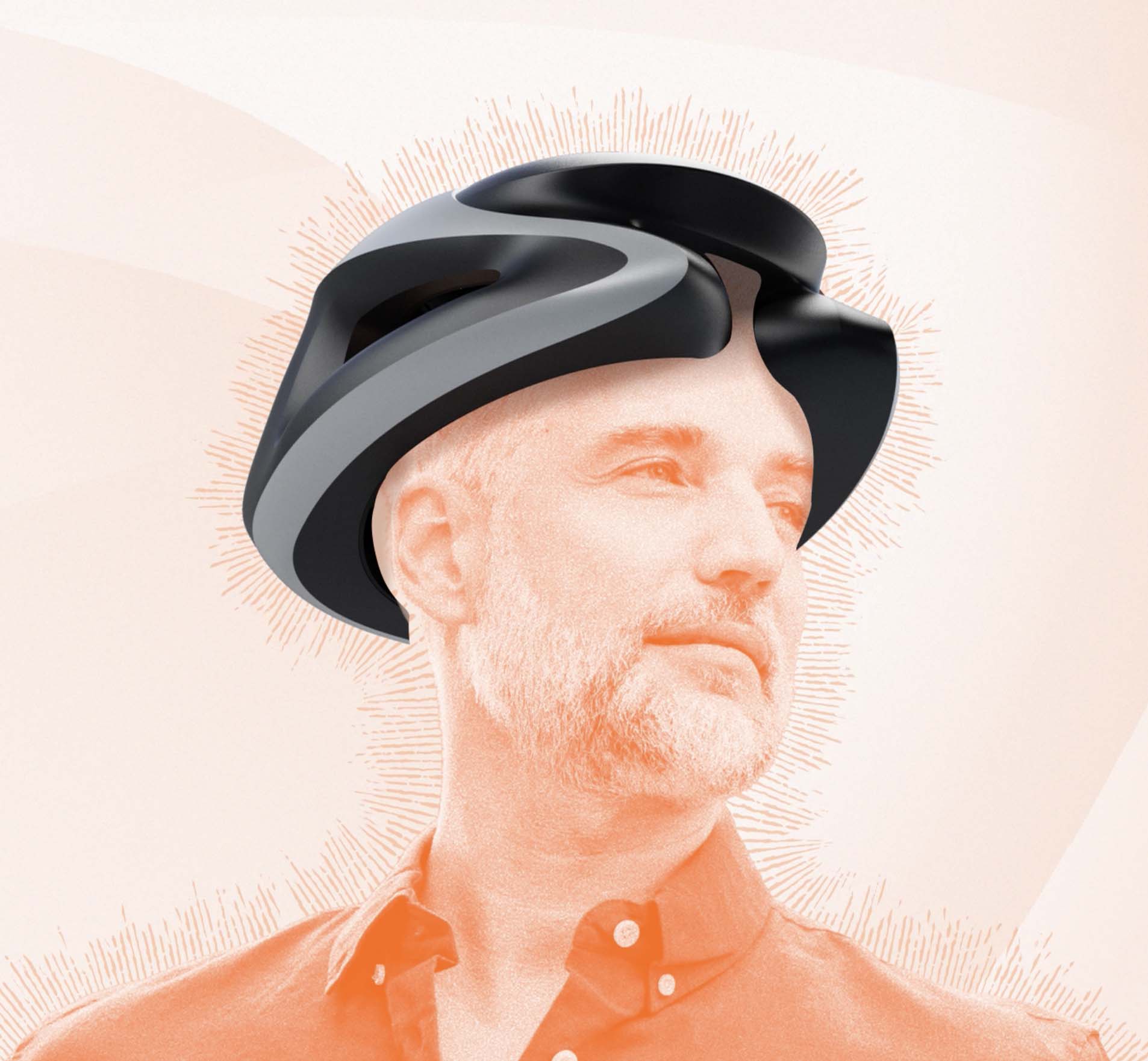
Marbles Health covers the same modality as Mave, but with a defined clinical orientation. Its main product, EASE, is positioned as India’s first medically licensed portable tDCS device. EASE is clinically certified and CDSCO (India’s FDA) approved for conditions including depression, anxiety, and addiction. Where Mave is packaging tDCS for focus, mood, and stress in a consumer-facing format, Marbles is building around care delivery from the start, though for now only in India.
In Europe and the US, home-use neuromodulation companies such as Flow and Neurolief are only cleared for major depressive disorder, where tDCS is being presented as a more accessible at-home alternative to TMS. Meanwhile, EASE is already being positioned across multiple types of depression, anxiety, addiction, ADHD, chronic pain, and broader neuropsychiatric care. If that indication breadth translates into credible clinical adoption, Marbles could develop into a serious international competitor across parts of the growing non-invasive neuromodulation market.
BrainSightAI represents one of India’s strongest computational neurotechnology projects. The Bengaluru-based startup raised $5 million in a pre-Series A round in January 2025, with the funding earmarked for expansion across India and for regulatory and international growth around its core platform, VoxelBox. VoxelBox is built around AI-first connectomics and neuroimaging analysis, generating personalized brain maps from imaging data to support neurological and psychiatric investigation.
BrainSightAI has ongoing studies with hospitals including St John’s Hospital in Bangalore, Max Hospital in Delhi, and Manipal Hospitals in Bangalore, spanning brain tumours, dementia, stroke, Parkinson’s disease, and psychiatric conditions. Its positioning VoxelBox not only as a mapping engine, but as a workflow layer that turns imaging data into clinically relevant brain maps and reports, linking the product to surgical planning, radiology, and patient care.
NeuroDX sits further upstream in that computational stack. Earlier this year, the company released MANAS-1, a 400 million-parameter brain foundation model trained on 60,000 hours of EEG recordings from more than 25,000 patients. NeuroDX is positioning that model around neurological screening, disease detection, and clinical decision support.
MANAS-1 is built on the premise that EEG can support earlier, lower-cost interpretation of neurological and psychiatric conditions at scale. Recent reporting highlighted its use in epilepsy biomarker detection and positioned the model as a base layer for disease-specific applications.
.svg)








%20copy.jpg)
%20copy.jpg)