


Neurovalens Wins First FDA Approval for Neuromodulation in PTSDThere have been no new FDA-approved medications for PTSD since 2001. MDMA-assisted therapy was among the recent innovations rejected by the FDA. Meanwhile, around 13 million Americans live with the condition, a significant proportion of whom do not respond adequately to existing treatment. This week, Belfast-based Neurovalens won FDA De Novo approval for Modius Spero, a wearable device that delivers gentle electrical pulses behind the ear to ease PTSD symptoms without surgery or medication.
This marks the fourth time Neurovalens has received FDA approval for its core technology, each for a different condition: chronic insomnia, generalized anxiety disorder, weight management, and now PTSD symptoms. The company raised around £20m to date, including a £2.1m round in 2024 and a £6m round in 2025. This places the company in a rare position for a startup of its size, and raises questions about what Belfast’s most ambitious medtech firm is actually building.
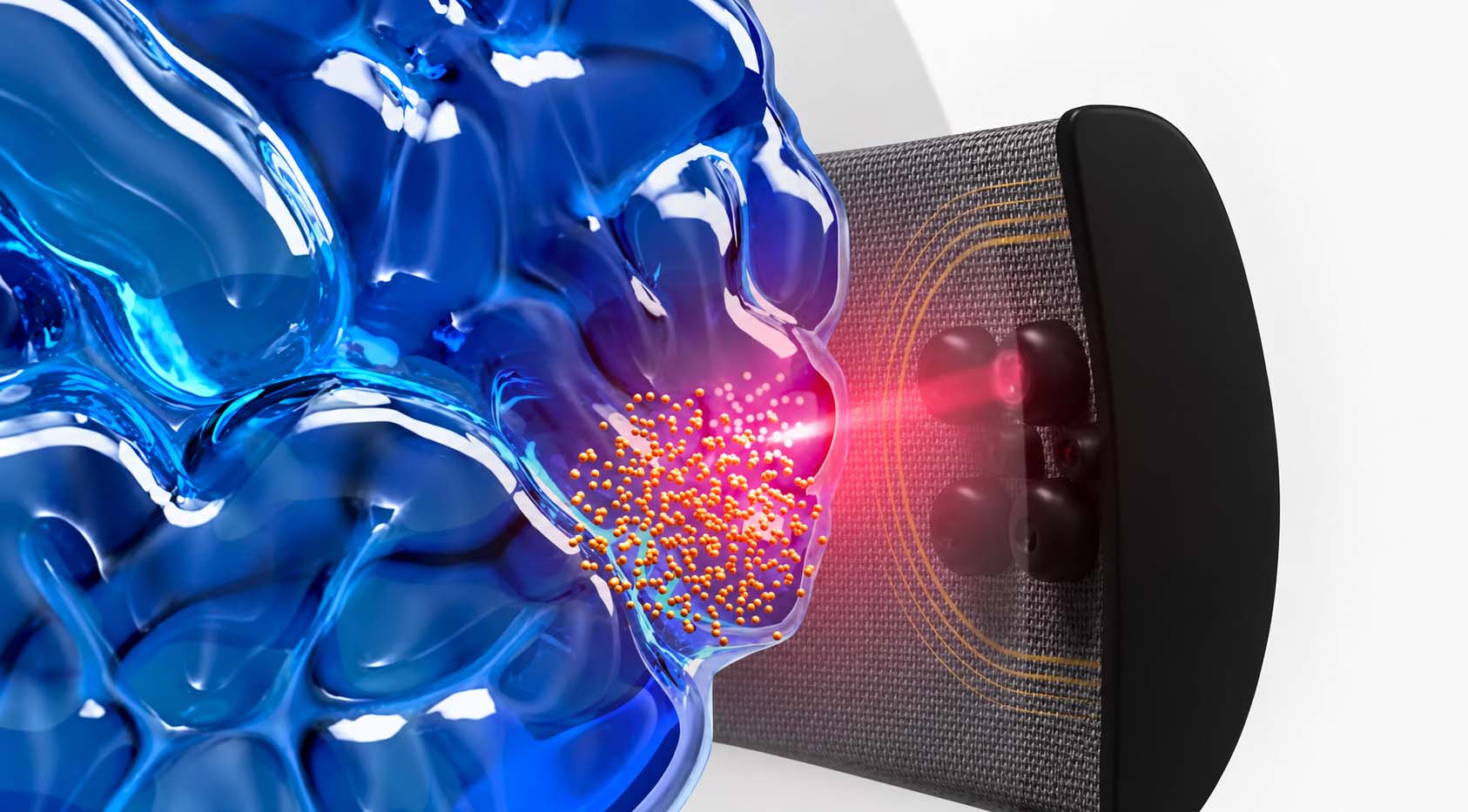
Modius Spero uses electrical vestibular system stimulation (VSS), which delivers low-level electrical pulses to the skin behind the ear. These pulses travel through the vestibular system, which controls balance, spatial orientation, and eye movement, into deeper brain regions involved in stress and fear responses. It sits at the non-invasive end of the neuromodulation spectrum, with no clinic visit required.

Patients wear the device for 30 minutes a day and can carry on with normal activities during that time. Importantly, it is prescribed and overseen by a clinician as part of a broader treatment plan, and is not intended to replace existing care. In a large US clinical trial of 383 adults with clinical PTSD diagnoses, two out of three participants saw a meaningful improvement in their symptoms, a strong enough result to earn FDA De Novo authorisation.
PTSD is significantly more common among veterans than in the general population, and many struggle to find treatments that work for them. Existing options, including certain medications and trauma-focused therapy, do not work for everyone, leaving a large group of people without adequate relief. Neurovalens is planning to make Modius Spero available to veterans first, prescribed by doctors through local veteran healthcare providers from July 2026, following the same distribution route already established for its insomnia and anxiety devices.
CEO Dr. Jason McKeown acknowledged the personal weight of that focus. “As a business founded in Northern Ireland, a post-conflict society, it has always felt incredibly meaningful that our device is being used to treat people who have experienced severe trauma.”
Modius Spero is the fourth condition for which Neurovalens has gained approval to treat with its Modius platform. The company’s Modius Sleep for insomnia earned FDA clearance in 2023, followed by Modius Calm for anxiety in 2024, Modius Lean for weight management in 2025, and now Modius Spero for PTSD. All four use the same underlying mechanism: gentle electrical stimulation behind the ear, targeting the vestibular system.
The company bets that this system projects into enough areas of the brain that a single hardware platform can credibly address multiple conditions. So far, its regulatory record supports that thesis. FDA approval is not a rubber stamp, and winning De Novo status, a pathway reserved for novel devices without a clear predicate, requires clinical evidence. Doing it repeatedly, across different indications, suggests Neurovalens has built something with real breadth. The company has raised around £20 million in total funding to date, a relatively modest sum for the regulatory track record it has accumulated.

Beyond the initial veteran-focused rollout, the company has made clear it intends to reach the broader population of people living with PTSD, with McKeown stating the ambition to see Modius Spero “prescribed by doctors to the many more people suffering from PTSD across the world.”
The competitive landscape, for now, is thin. GrayMatters Health, an Israeli startup, has FDA clearance for PTSD treatment, but it works differently, using EEG-guided neurofeedback to help patients retrain brain activity rather than applying stimulation directly, and is delivered in a clinical setting rather than at home. Modius Spero is the first neuromodulation device to receive FDA De Novo authorisation specifically to treat PTSD symptoms.
[Image credit: Neurovalens]
Produced with support from

.svg)







.svg)

