Consumer wearables have become excellent at tracking daily rhythms, from sleep to physical recovery. But hormones do not operate on that timescale. In women, endocrine changes unfold across weeks, shaping sleep, mood, cognition, energy, and autonomic activity. Cycle-tracking tools fill part of that gap, yet rely heavily on calendars, self-report, or population averages, while direct hormone measures are available only as a cross-sectional reading.
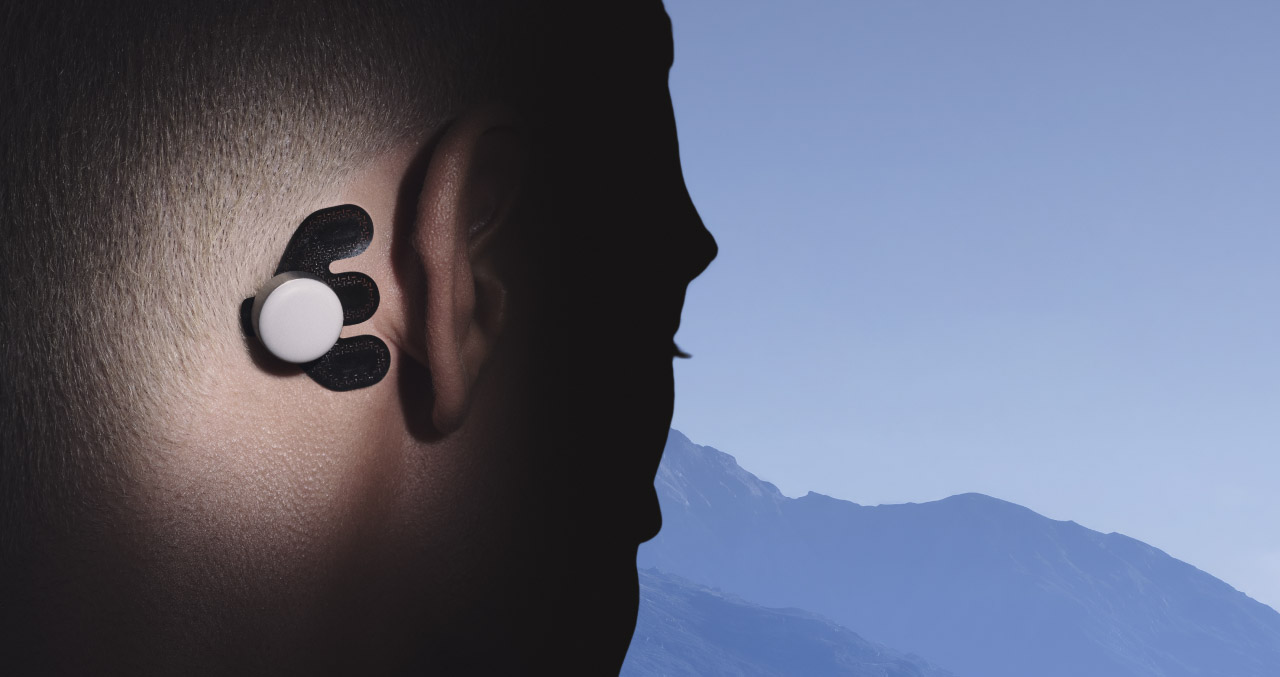
Clair Health just announced a non-invasive wearable designed to continuously infer hormone patterns. Founded in 2025 by Stanford graduates Jenny Duan and Abhinav Agarwal and recently coming out of stealth, the San Francisco-based startup reads key physiological signals shaped by the neuroendocrine system, including autonomic responses, sleep, temperature, and cardiovascular markers. These signals feed into a model of hormone intelligence showing how hormonal changes appear across the body in real time.
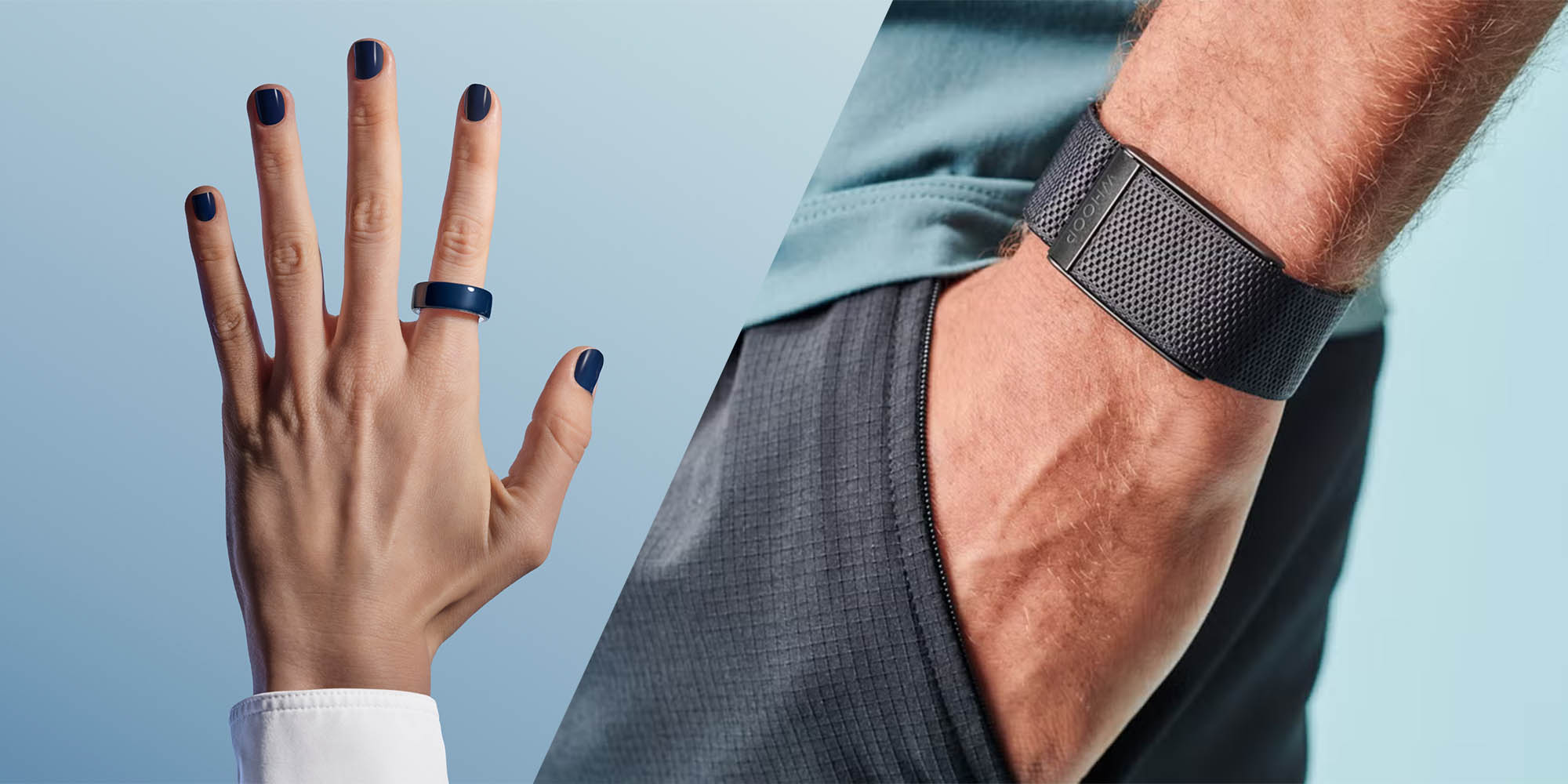
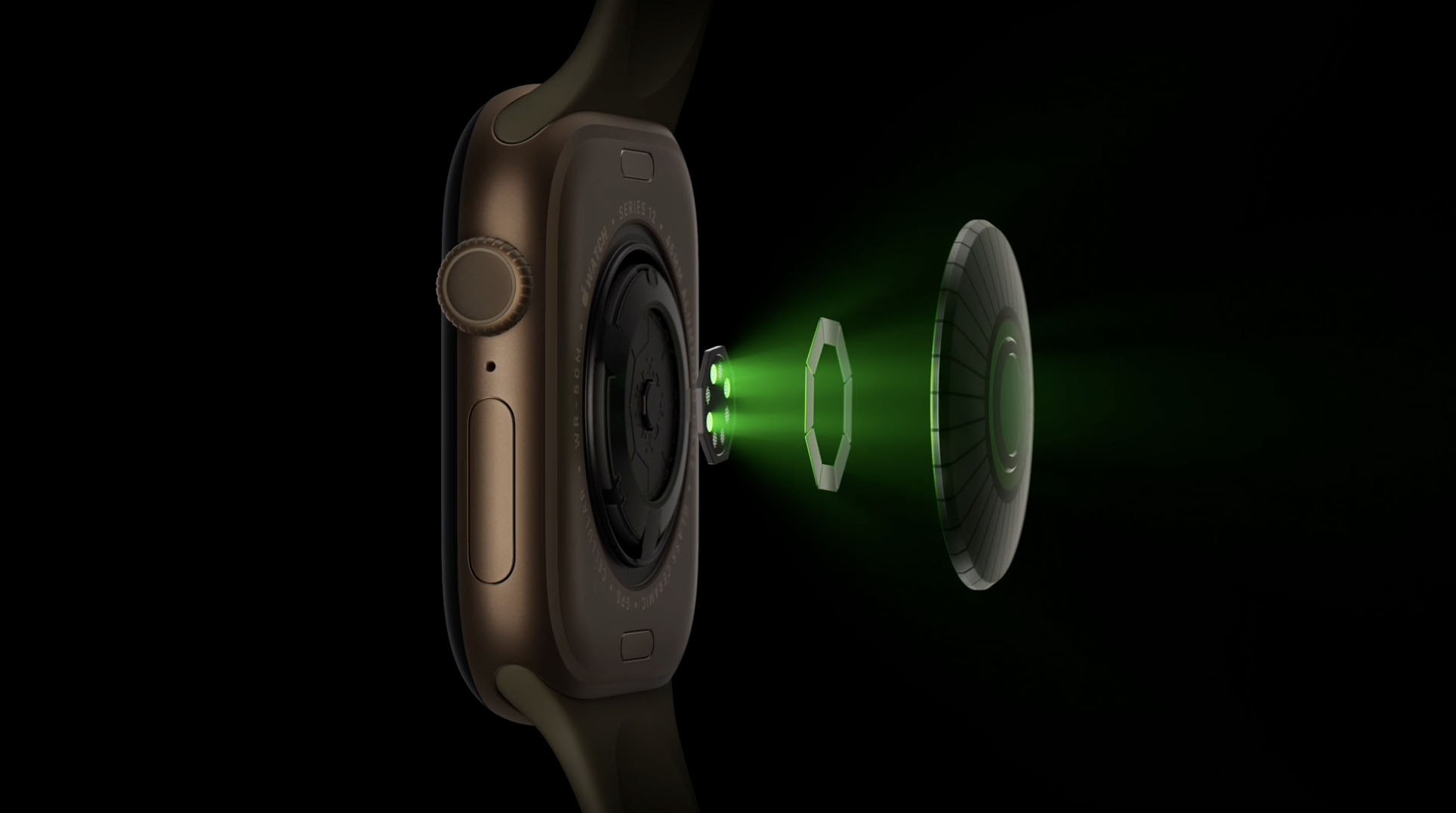
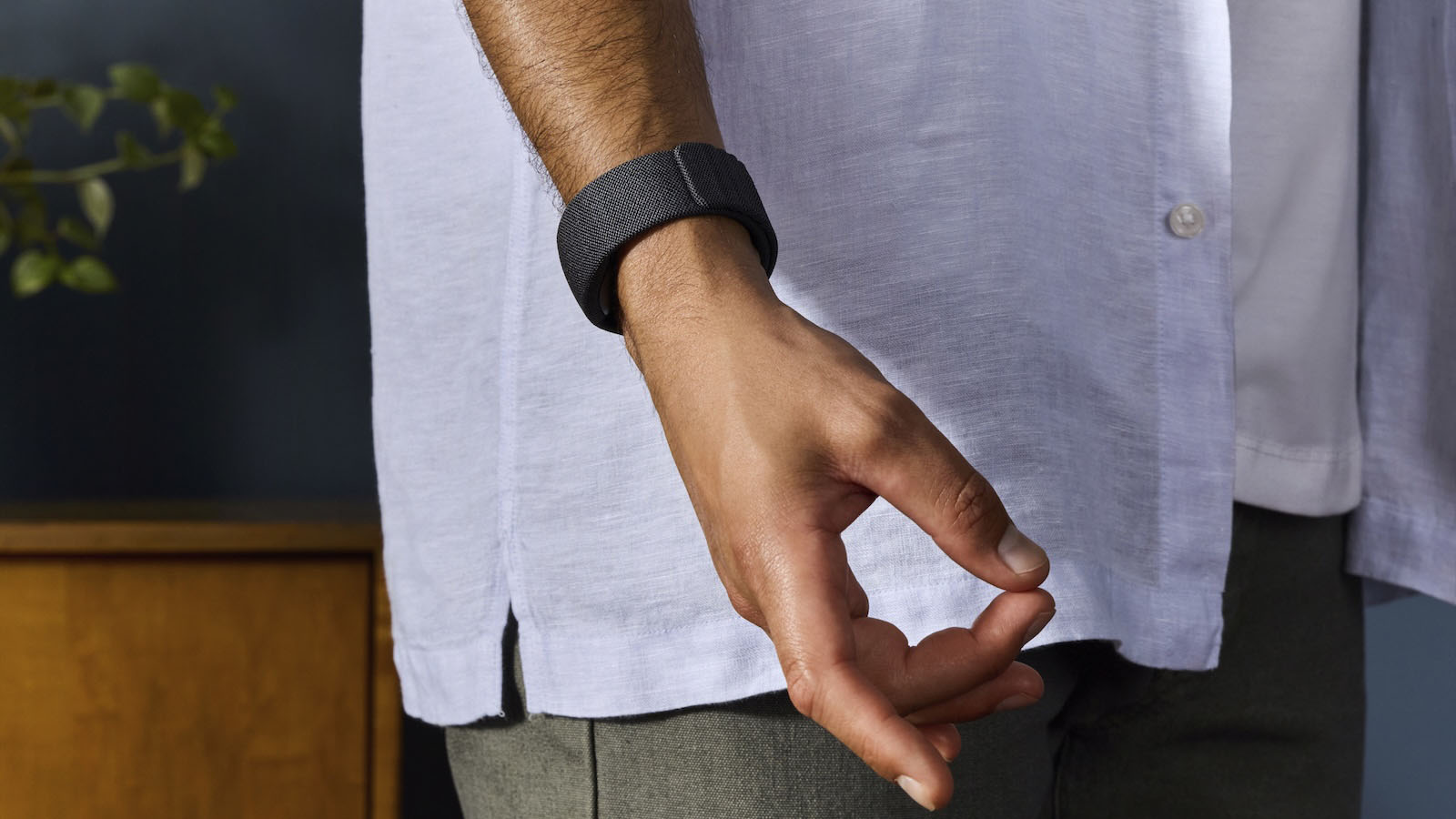
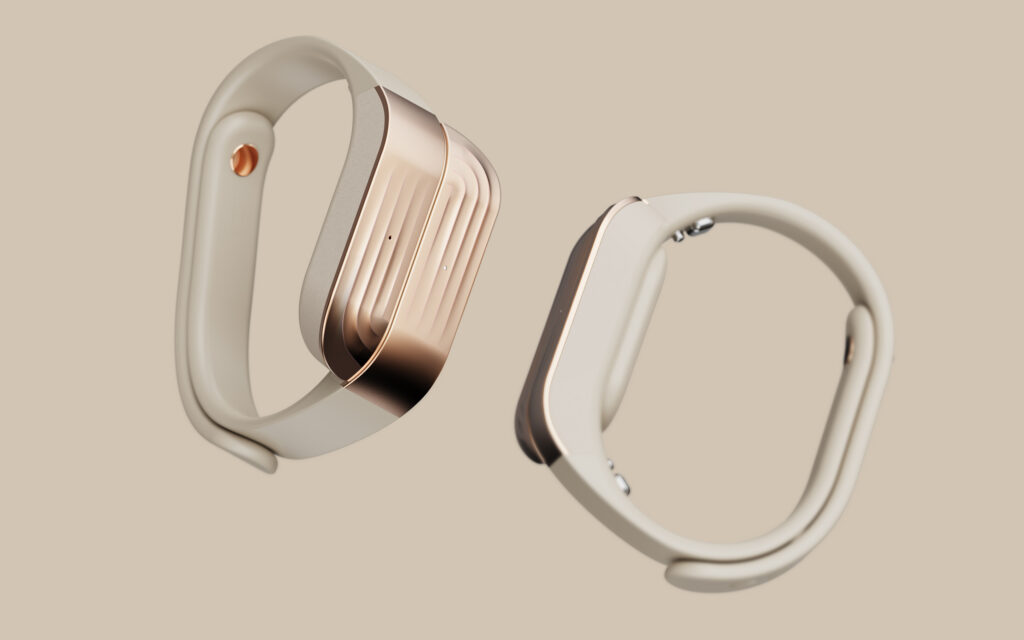
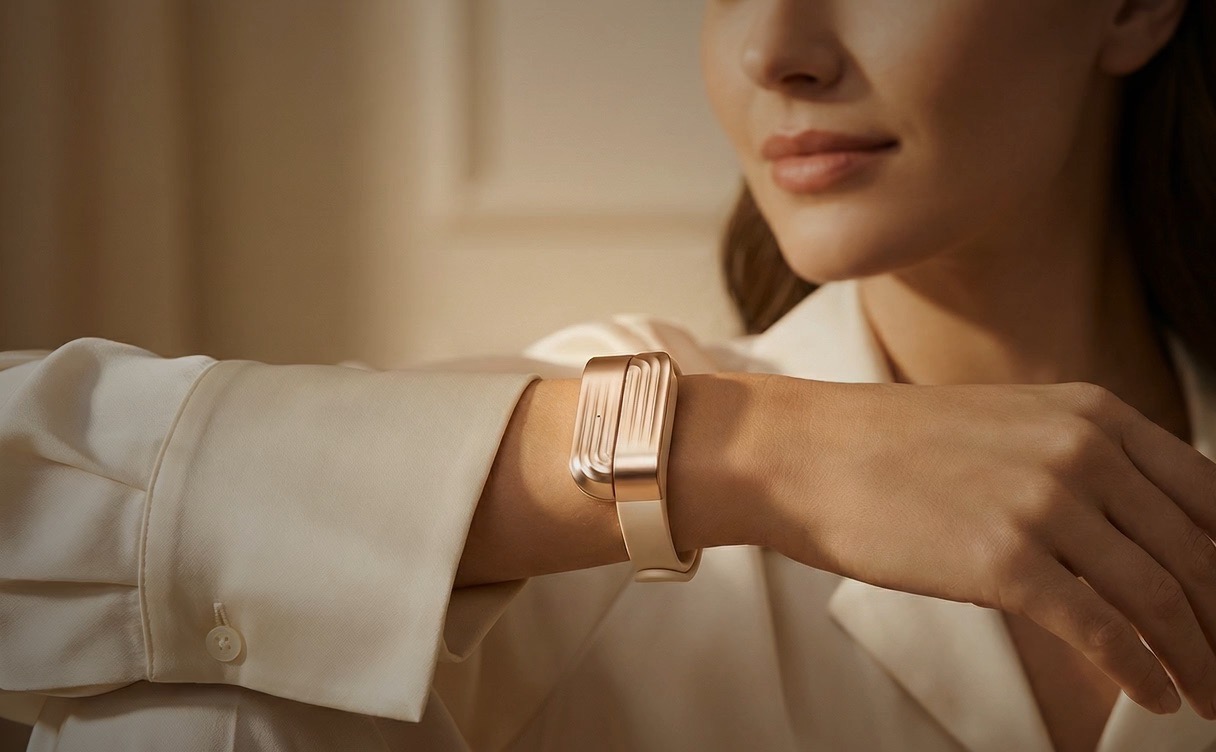
Clair Health's stylish bracelet, which looks more like jewelry than a piece of wearable tech, combines a set of biosensors already familiar from consumer health tracking, tracking skin temperature, resting heart rate, heart rate variability, sleep architecture, breathing, and more. That sensor array measures more than 130 proprietary biomarkers across skin temperature, resting heart rate, heart rate variability, sleep architecture, and breathing.
This stream of cross-modal physiological data is processed by machine learning models to infer shifting patterns across five reproductive hormones, including estrogen, progesterone, luteinizing hormone, follicle-stimulating hormone, and pregnanediol glucuronide. Clair’s system triangulates multiple signals at once, reducing some of the noise and everyday variability that can distort a single sensor reading. In early testing, the company says its models achieved 94% accuracy in classifying menstrual cycle phases when benchmarked against daily physical validation samples.
The same high-resolution approach has also led Clair to identify nine hormonal sub-phases, rather than the four broad phases typically used in medical education and consumer cycle tracking. That added granularity is central to the company’s argument that traditional tracking misses much of the physiological variation within the menstrual cycle. Clair says its AI models are trained on diverse cycle datasets, aiming to improve accuracy for users with irregular periods, anovulatory cycles, or conditions such as polycystic ovary syndrome.
Ahead of commercial rollout, Clair Health announced an $11.6 million seed funding round led by Khosla Ventures. The round also included backing from a16z speedrun, Brydge Club, Treehub, Cartan Capital, AGI House, Insiders VC, and 23andMe co-founder Anne Wojcicki. The capital will support consumer product development, manufacturing scale-up, and expansion of the company’s clinical research pipeline. Clair already reports over 25,000 people on its waitlist, with its initial presale batch selling out within weeks.
To build medical trust around the product, Clair Health is launching an independent clinical trial through the Gladstone BeeHive program. The company plans to publish peer-reviewed results evaluating its hormone inference technology against clinical standards. For a wearable positioned between consumer health tracking and hormone testing, this validation step will be important in determining how the broader medical community views continuous, consumer-generated hormone data.
The value of continuous hormone tracking extends beyond basic cycle calculations or family planning. Hormones act as one of the body’s earliest signaling networks, shaping daily energy, mood stability, metabolic function, cardiovascular health, bone density, and cognitive resilience across a woman’s lifespan. When these internal fluctuations remain invisible, everyday changes can be difficult to interpret.
This is where Clair’s intelligence framework is meant to add context. A standard fitness tracker may describe recovery as strong after eight hours of sleep, while the user still wakes up exhausted. Clair’s companion app is designed to connect that experience to hormonal patterns, such as a progesterone shift affecting deep sleep quality and morning alertness.
The same lens becomes important as women age, as hormonal health is not only relevant during reproductive years. The endocrine system changes from puberty through perimenopause and post-menopause, with hormonal patterns often becoming more volatile and individualized during the menopause transition. By capturing baseline shifts over years, not days, platforms like Clair could help surface early signs of systemic change before symptoms become more disruptive.
Clair enters a competitive wearable market, but its focus on the female endocrine system gives it a more specific position than many general health trackers. The company’s continuous monitor is scheduled to launch in November, alongside a companion app subscription model.
.svg)





-1.jpeg)