Big tech is investing in neurotechnology. Earlier this year, Apple made a splash when it purchased Q.ai. This month, a second biosignals move surfaced. Apple acquired Sonera, a startup developing tiny sensors designed to detect magnetic signals from the brain and muscles through the skin. The deal surfaced only through a European regulatory filing in September, months after it closed, with neither company saying anything about it publicly.
The Sonera acquisition is Apple’s latest expansion of its biosignal processing portfolio. It follows Apple’s acquisition of Q.ai, a company that processes silent speech. Earlier, Apple also filed a patent for AirPods that can read brain activity through the ear. The three moves rely on completely different biosignals—magnetic, optical, and electrical—but ultimately point to a shared ambition of getting more accurate and usable data from the brain and periphery into Apple products.
Little detail about the Sonera deal was shared. The acquisition surfaced through a filing with the European Commission and appears to have closed around May 2026. Neither Apple nor Sonera has said anything about the terms publicly. Sonera’s website has since been taken down.
Sonera was co-founded around 2018 by Nishita Deka and Dominic Labanowski, the CEO and CTO, respectively. The pair met doing research at Berkeley, where they shared a mutual interest in creating a device that makes brain activity as easy to measure as everyday vitals. Early groundwork led to an $11 million seed round in 2023, bringing Sonera’s total funding to around $20 million.
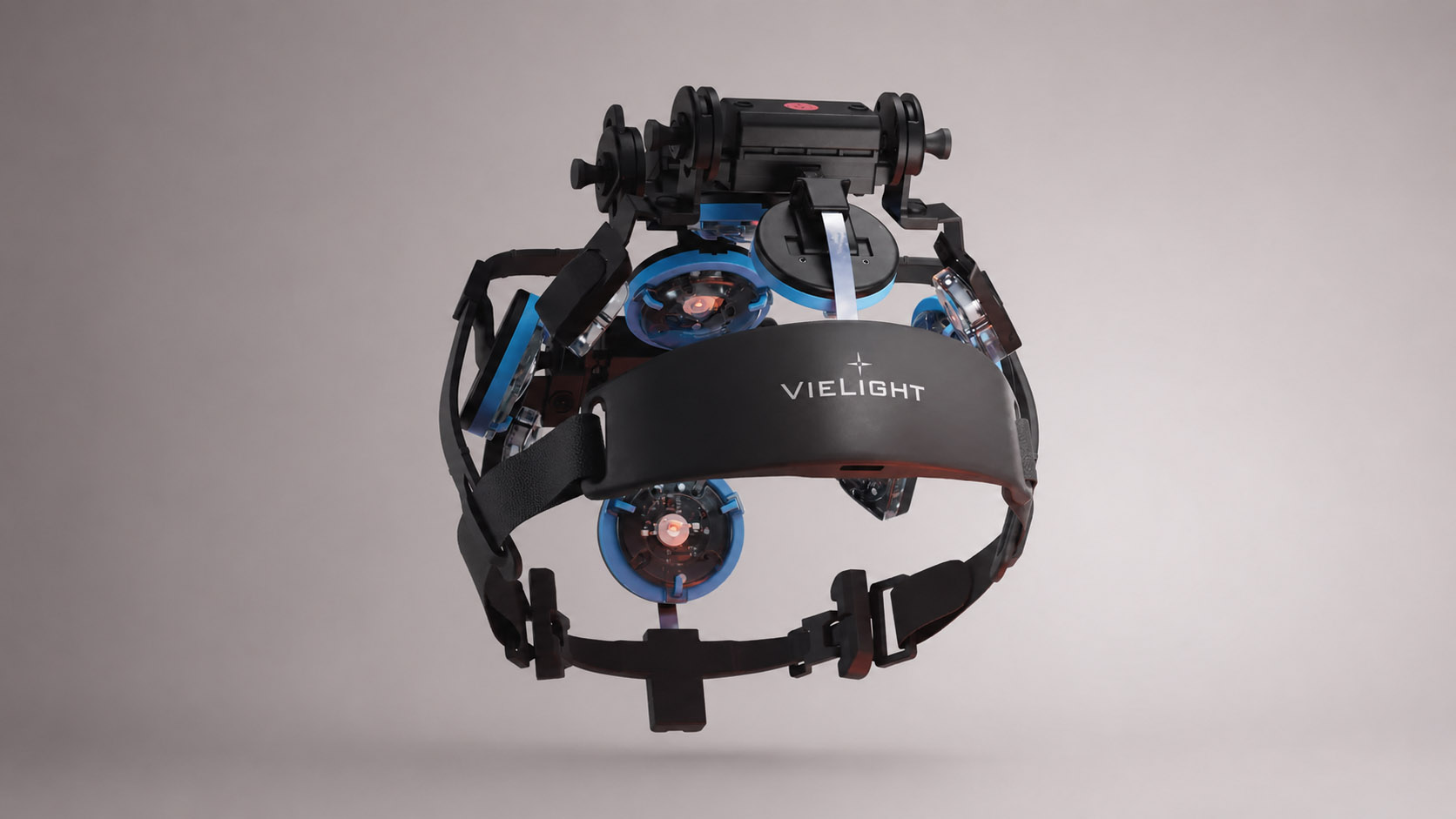
Sonera’s tech relies on biophysics. Every time a muscle contracts or a neuron fires, electrical currents also generate magnetic fields. Electrical activity is captured by ECG, EMG, EEG, and other electrode-based sensors. Brain-generated magnetic fields are conventionally measured using MEG systems, which typically require highly sensitive sensors inside magnetically shielded rooms. Traditional SQUID-based systems can cost millions of dollars and require cryogenic cooling.
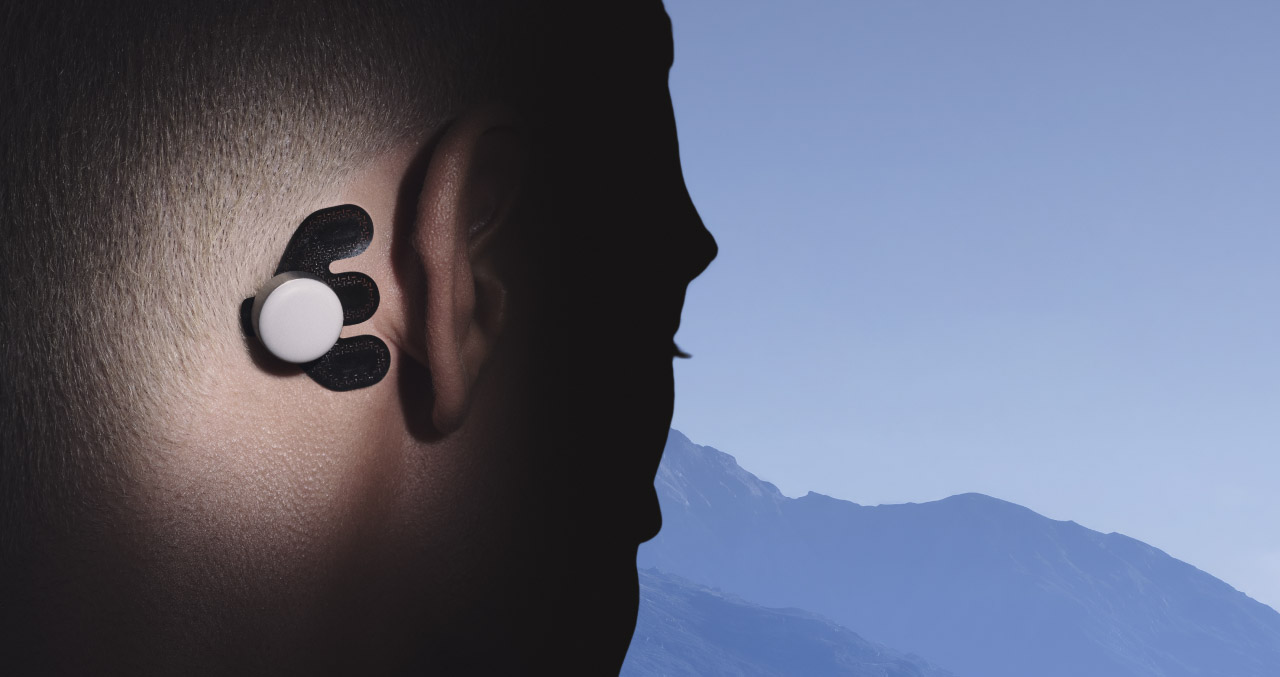
Sonera’s S1 chip is designed around magnetomyography (MMG), which measures the magnetic fields generated by muscle activity. These much smaller sensors can pick up those signals while operating at room temperature and are compact enough to fit inside a wearable.
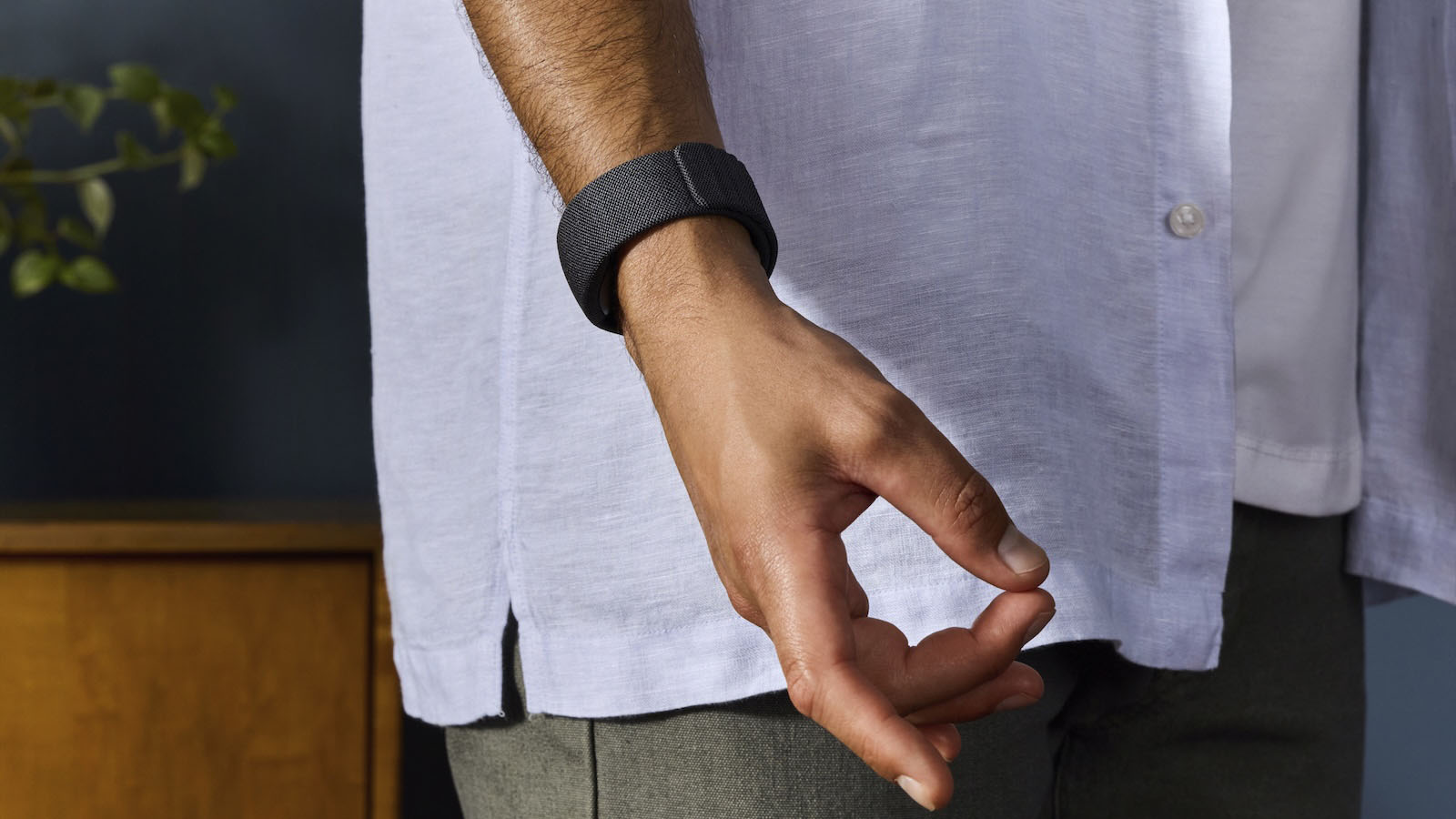
In a 2024 study, Sonera researchers showed that MMG signals tracked muscle contraction and fatigue, with magnetic activity detectable up to 50 millimetres from the skin. In a separate gesture study, the team built magnetic-sensing wristbands that classified nine hand gestures with 95.4% average accuracy.
Sonera positioned the S1 for applications including gesture control and physiological monitoring. Its research showed how magnetic muscle sensing could support interfaces for AR and VR devices, while the company later demonstrated muscle sensing using its own chip-scale sensors.
But that wasn’t the original plan. Deka has said that she and Labanowski originally set out to build “a portable brain sensing system” as a medical devices company. Labanowski has since revealed that this ambition remains central to Sonera, and could unfold as Apple extends its portfolio towards clinically adjacent technology.
The nearest existing comparison is Meta’s wristband, built on CTRL-Labs’s EMG technology, which reads muscle signals electrically instead of magnetically. Deka argues their chip has an edge there, since a magnetic signal isn’t thrown off by body hair, skin tone, or a loose-fitting band the way electrical or optical sensors are.
Unlike Apple, Meta’s version is already a commercial product. It launched with its Ray-Ban Display glasses in 2025 and has since been explored for automotive infotainment control and accessibility applications for people with limited hand movement.
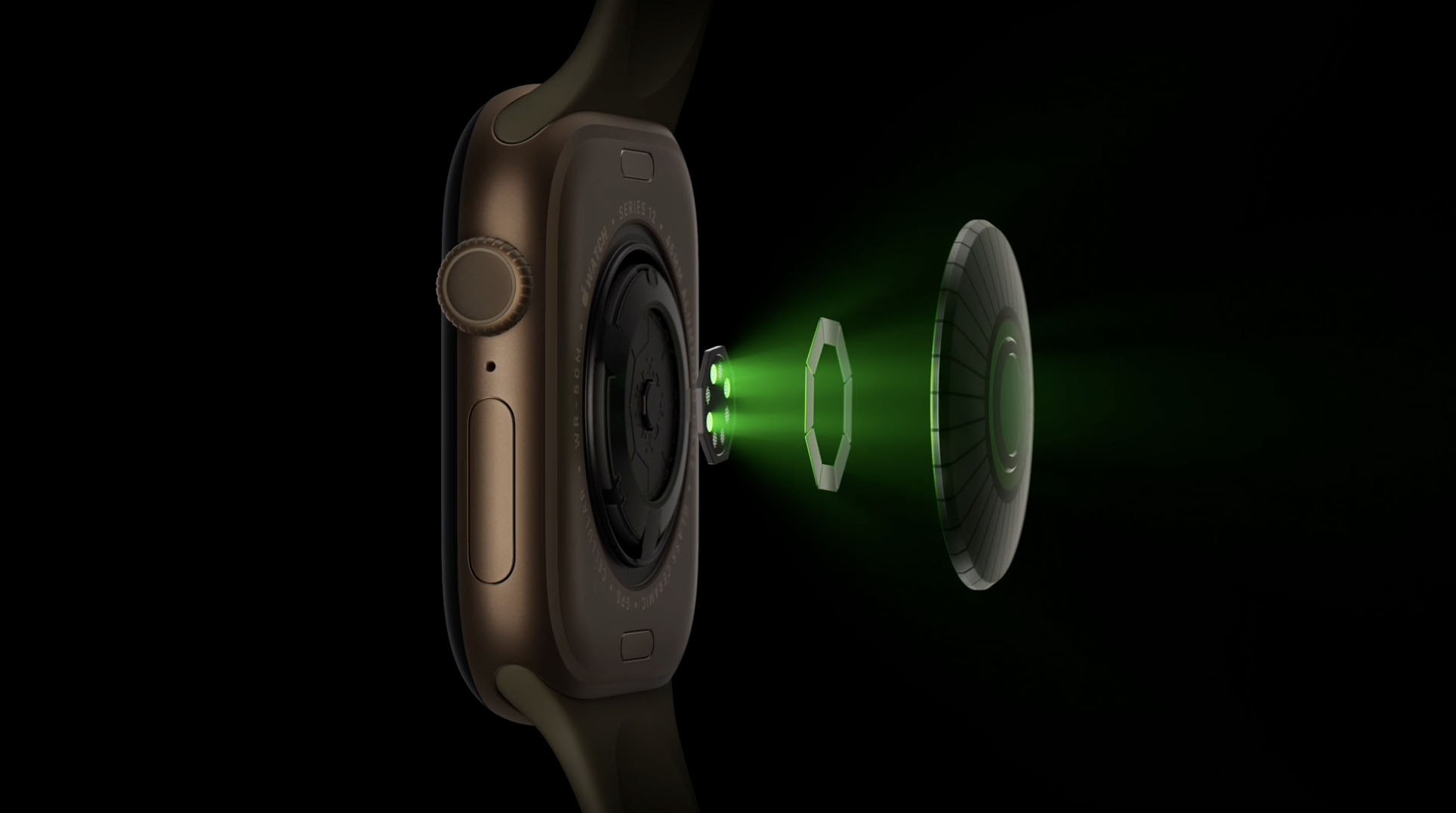
The tech giants point to an industry expanding its biosignals portfolios. Sonera gives Apple a new magnetic sensing modality alongside the optical and electrical sensors increasingly embedded across devices. AirPods Pro 3 introduced heart rate sensing in the ear, while the new Apple Watch Series 12 combines optical and electrical heart sensors with higher-frequency heart rate and HRV tracking. Sonera could extend that stack further into muscle activity.
Beyond health, Apple has explored smart rings as input devices, while Vision Pro already relies heavily on hand gestures. Magnetic sensing could give Apple another way to capture subtle finger and wrist movements to control such devices.
.svg)