

When Google released camera-equipped smart glasses more than a decade ago, wearers were ridiculed, and the product barely travelled beyond Silicon Valley before being scrapped. Meta now appears to have cracked the commercial formula. Its smart glasses, developed with Ray-Ban and Oakley, combine cameras, voice control and AI in conventional-looking eyewear. More than seven million units shipped in 2025. But as adoption grows, so has public scrutiny.
The embedded cameras have raised concerns that anyone wearing sunglasses could be recording those around them. And implications extend beyond the glasses. Meta is pairing its newest display-equipped glasses with the Neural Band, an EMG wristband that translates motor intent into controls. If that product approaches the scale of Meta’s existing glasses, the Neural Band would become the most widely shipped consumer neurotech device; a device that exclusively serves as the control layer for what critics are now dubbing “spy glasses.”
Meta’s success with smart glasses came relatively quickly. The second-generation Ray-Ban Meta launched in 2023, and by early 2025, around two million pairs had been sold. Growth accelerated from there. EssilorLuxottica says more than seven million Ray-Ban Meta and Oakley Meta glasses were sold during 2025 alone, while sales of its AI glasses nearly doubled again in the first half of 2026.
Meta is working to expand what the glasses can do. Most models remain display-less, using cameras, microphones and open-ear speakers to capture media and interact with Meta AI. In 2025, however, the company introduced the $799 Meta Ray-Ban Display, adding a small in-lens screen for messages, navigation, live captions and other visual information. Meanwhile, the new Oakley line has pushed the platform into sports, while a cheaper Meta Glasses collection launched this year broadens the range further.
As glasses spread across society, scrutiny around their cameras intensifies. This month, courts in England and Wales banned Meta glasses from court buildings over concerns about unauthorised recording. UK cinema operators are introducing or considering restrictions over piracy, while pubs, restaurants and theatres have also started adopting policies. Separate reports have documented employees being filmed by customers or managers wearing the glasses, sometimes without knowing whether recording was taking place.
Meta has tried to address those concerns by including an outward-facing recording light and software designed to disable the camera when that indicator is obstructed. But unlike recording with a phone, the camera sits inside eyewear designed to look conventional. Meanwhile, Meta’s newest Display glasses could extend that discretion further, introducing a new, more inconspicuous method to control the eyewear.

Meta’s work on new interaction channels began in 2019, when Facebook acquired CTRL-labs for a reported $500 million to $1 billion. The startup was developing a wrist-worn interface that could translate electrical signals generated during movement into computer commands. CTRL-labs joined Facebook Reality Labs, where the technology would spend the next six years moving toward a consumer product.
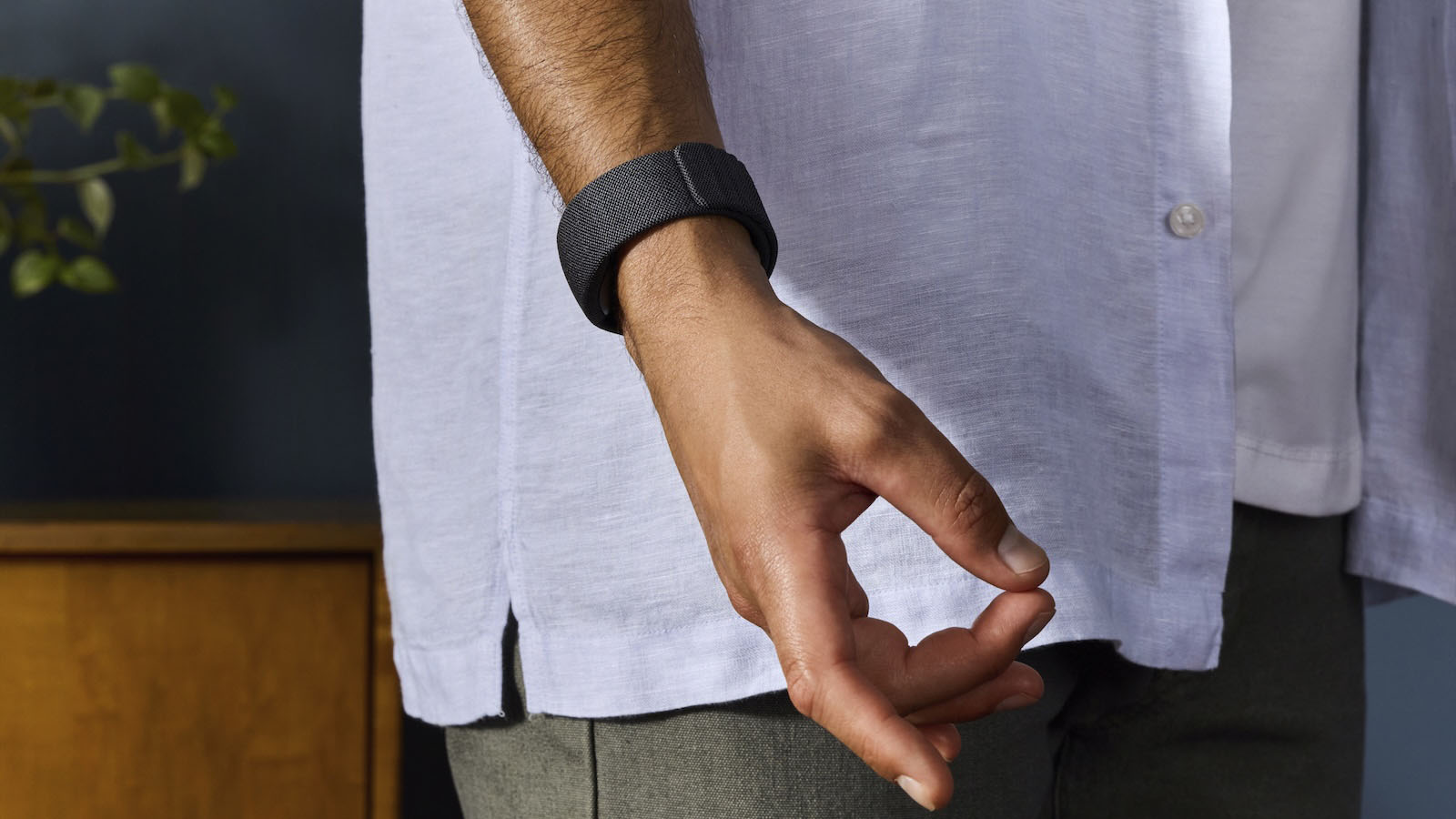
The resulting Neural Band uses surface electromyography. The band captures signals along the motor pathway, after commands have travelled from the central nervous system through peripheral nerves toward the muscles. The 'neuromotor interface' then translates subtle movements and gestures into actions such as selecting, scrolling and navigating without touching the glasses.
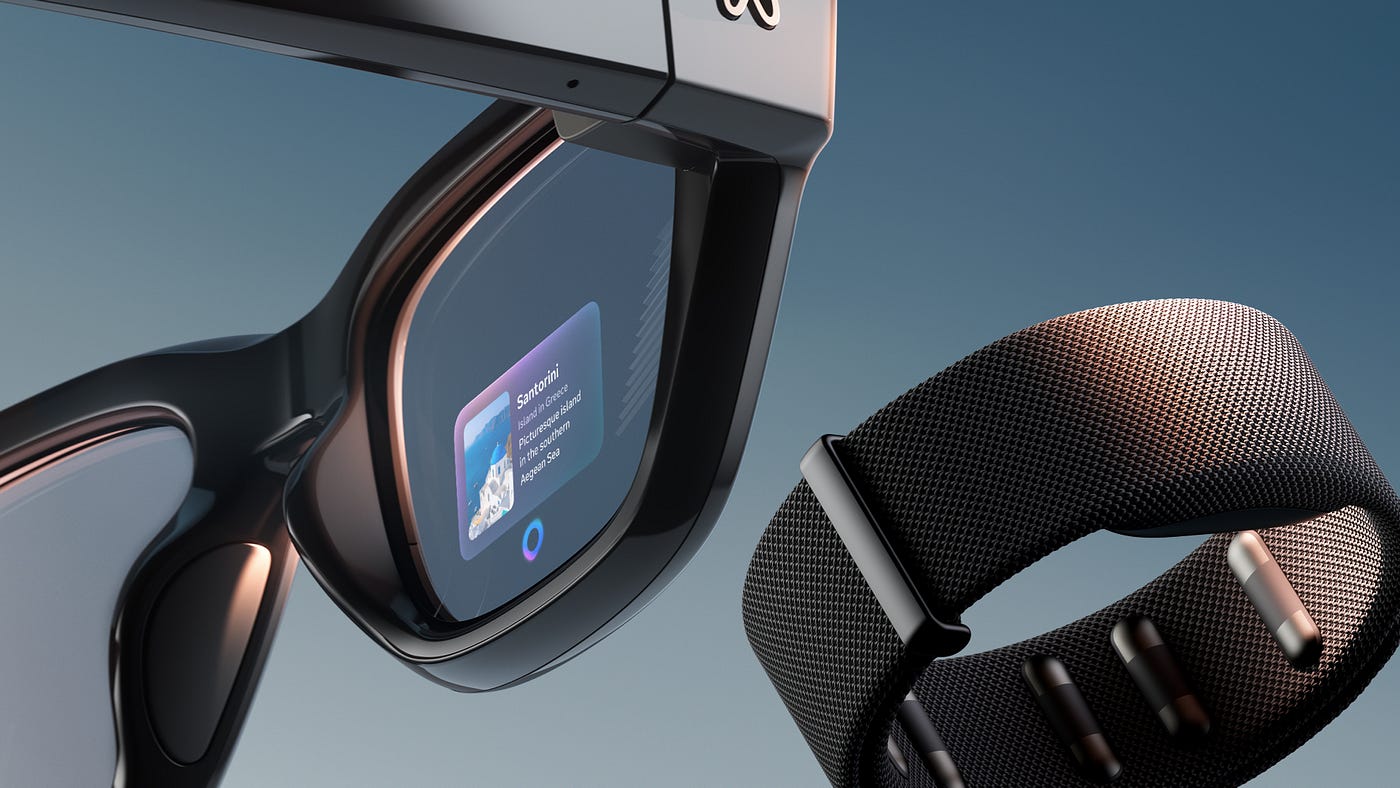
Building an interface that works reliably across different users required considerably more data than most neurotechnology products have access to. Meta says nearly 200,000 people participated in its sEMG research. In September 2025, those years of development reached consumers with the $799 Meta Ray-Ban Display, which ships with the Neural Band as its primary gesture-based control interface.
Meta has not disclosed sales figures for the Neural Band or Ray-Ban Display, but third-party estimates give a first indication of scale. Omdia estimates that 84,000 Display glasses shipped in 2025, each bundled with a Neural Band, even though US sales began at the end of September. Demand also appears to have exceeded Meta’s initial production plans. TrendForce reports that orders for a key waveguide component increased from around 80,000 to 150,000 units within six months.
That figure remains small beside the millions of display-less Meta glasses already in circulation, but it is substantial by consumer neurotech standards. Muse, a leader in the consumer neurotech space, reports more than 500,000 users across its EEG products. The Neural Band reached an estimated 84,000 users in just the first three months.
Early testing suggests the underlying interface works reasonably well outside the lab. Reviewers have generally reported reliable gesture recognition, including when the hand is at the user’s side or outside the glasses’ field of view. The trade-offs are generally familiar wearable problems: the Band needs sufficiently good skin contact, adds another device to charge, and still supports a relatively narrow set of interactions. Meta has since started expanding those capabilities while working with third parties on new applications.
That leaves the Neural Band in a contentious position. Meta has taken a neuromotor interface from research into tens of thousands of consumer hands, with reasonably positive reception among users. But the band is exclusively used as a control layer for glasses now facing intense scrutiny over how discreetly they can record the world around them. The Band makes those glasses easier to operate, replacing voice and visible touch control, potentially making Meta’s “Spy Glasses” use even less obvious.
Produced with support from

.svg)








.svg)

