Building an implantable brain-computer interface usually means raising large rounds and spending years developing probes, implant electronics, software, and getting the troves of data and evidence needed to reach clinical-grade reliability. Developing that stack is why many BCI startups launch with budgets in the tens of millions and timelines closer to a decade than a quick product cycle. That exposes firms to a lot of risk. A new partnership between Neurosoft Bioelectronics and Science Corp suggests a different route, where time to first-in-human work could compress with key infrastructure is already in place.
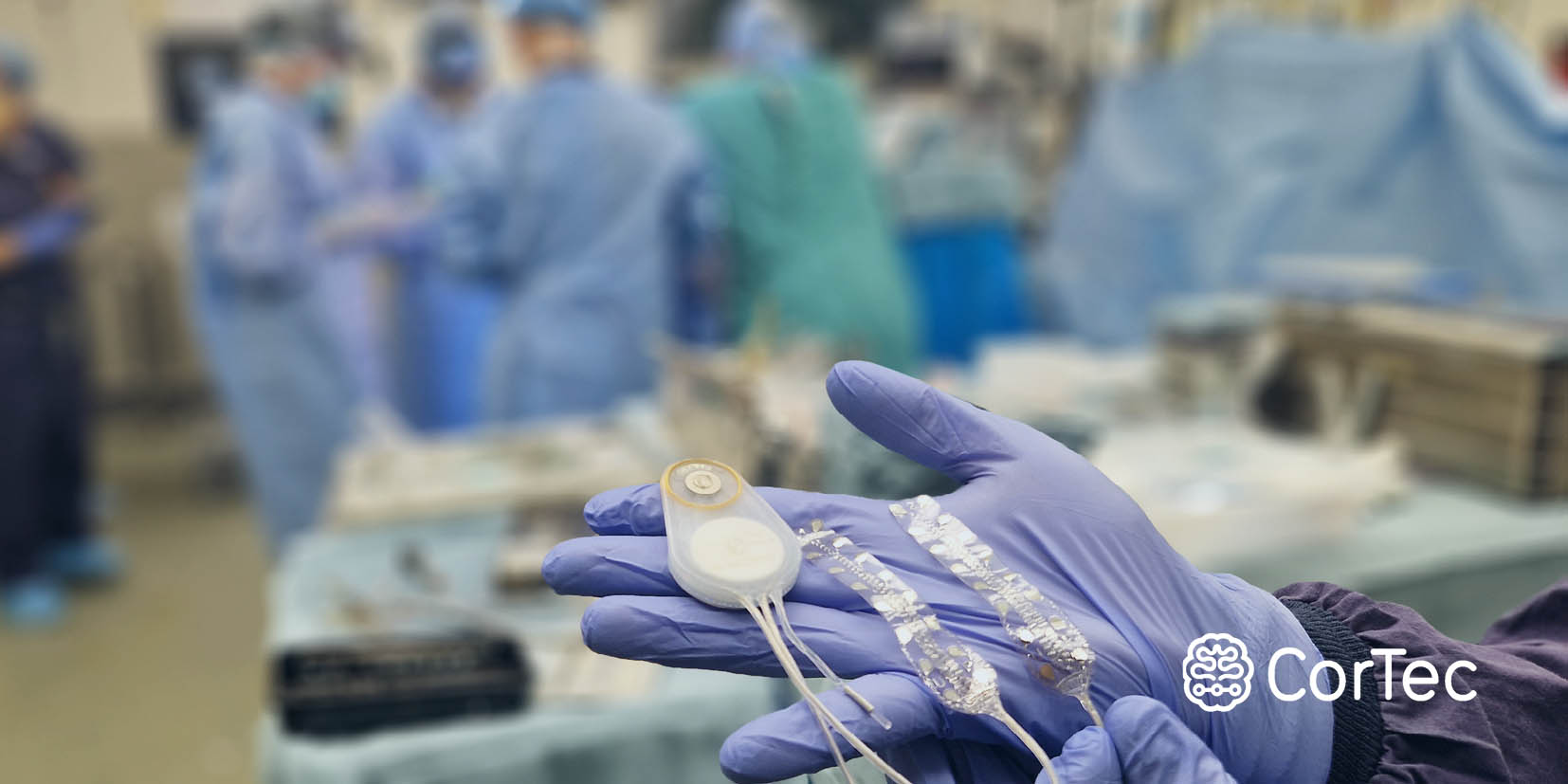
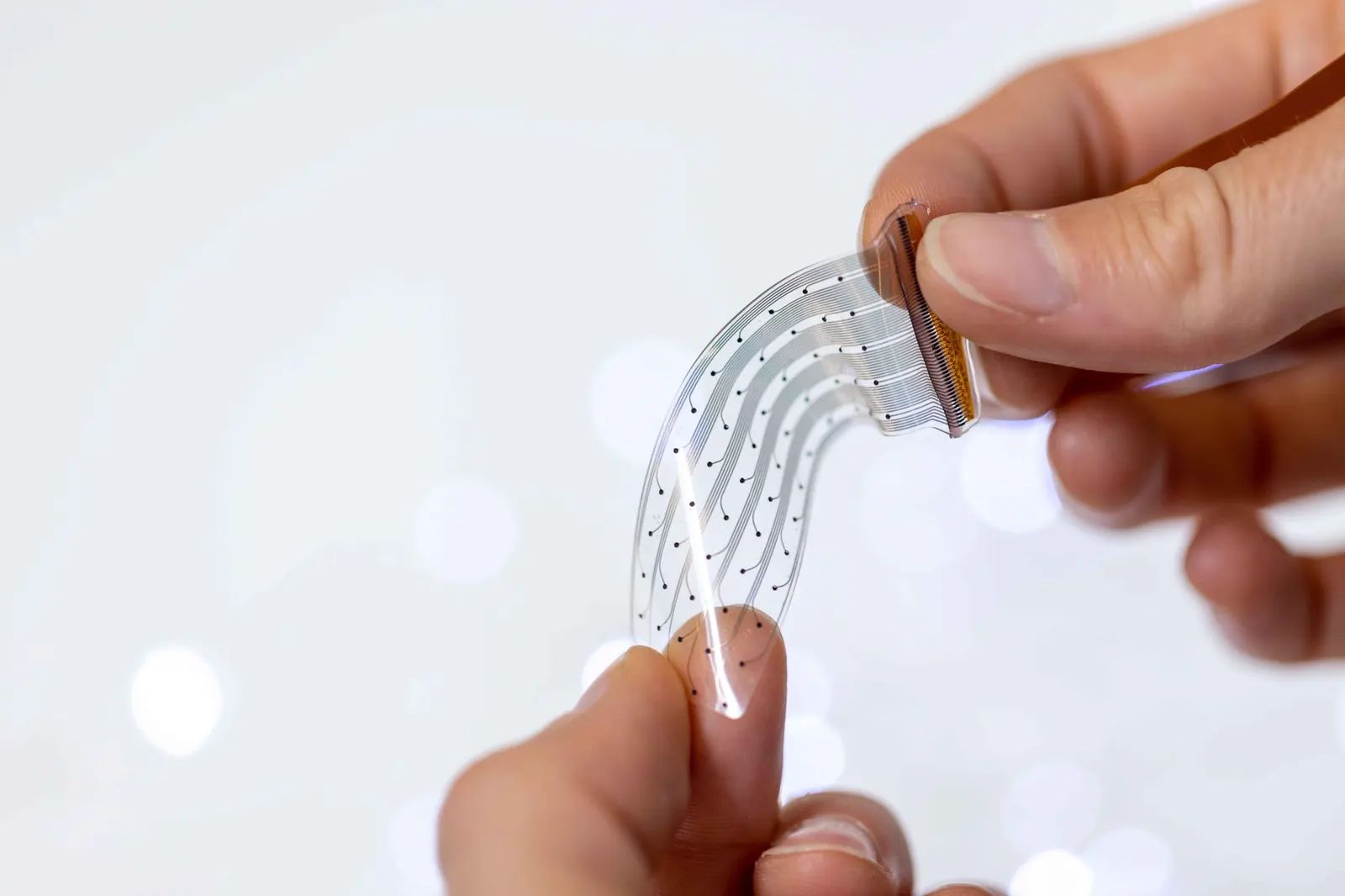
Neurosoft Bioelectronics, a Swiss startup known for its flexible, ultra-soft cortical probes, has entered a multiyear strategic agreement with Science Corp to fast-track the development of full-stack brain-computer interfaces. The partnership gives Neurosoft access to Science’s “Ecosystem”, a modular platform of electronics, software, and testing infrastructure built for clinical-grade BCI development. In return, Neurosoft brings what Science describes as a “first-of-its-kind” soft neural probe system, already tested in human patients.
Science Corp, led by Neuralink cofounder Max Hodak and known for its PRIMA retinal implant program, has built a proprietary neural engineering stack spanning stimulation and recording electronics, data interfaces, and calibration systems. Under its “Ecosystem” model, partners like Neurosoft connect into that platform instead of building the surrounding stack from scratch. Science says this can stand in for a typical 5–7 year hardware build cycle and has cited first-in-human budgets as low as $5 million.
For Neurosoft, the agreement removes a major integration bottleneck. The company has already deployed its flexible cortical probes in over a dozen clinical patients, including work in tinnitus and epilepsy. But scaling from a probe into a functional BCI system with broader cortical coverage would typically require years of engineering across implant electronics, signal processing, and software; not to mention regulatory execution. Science’s platform is positioned to compress that work. Neurosoft will continue to lead on the implant side, while using Science’s ecosystem to accelerate its software and system-level capabilities.
According to Nicolas Vachicouras, CEO of Neurosoft, “This partnership with Science is a strategic move that aggressively accelerates clinical adoption [...] while rapidly scaling the high-fidelity neural data collection essential for powering Neurosoft’s foundation AI model.” The “foundation AI model” line signals a broader intent. Neurosoft is positioning high-fidelity human cortical recordings as an asset in their own right, building a dataset that can grow over time and support improved decoding and control performance as it scales.
The Neurosoft-Science agreement lands as invasive BCI development runs into the same constraint again and again: translating a working implant concept into a repeatable, regulated clinical system takes time, money, and operational depth. Even teams with exceptional funding have moved on long timelines. Neuralink is a useful reference point here. It took years of iteration and infrastructure buildout before broader trial activity became feasible, including expansion beyond a single site. More recently, some well-capitalized groups have started leaning on established medtech channels to earn revenue while moving through these phases, including Precision Neuroscience’s partnership with Medtronic.
Invasive BCI work is expanding beyond a single flagship indication, with teams reporting early feasibility signals across motor control, vision, memory, and pain. The harder step is turning those signals into sustained human use. Much of the timeline sits in infrastructure rather than the electrode itself. Clinical validation, manufacturing pipelines, closed-loop software, robust data capture and analysis, quality systems, and regulatory documentation all have to be built to clinical standards, and they often become the pacing determinants for deployment.
Science presents Ecosystem as shared infrastructure for that system-level work: a packaged electronics and software stack, data tooling, and development workflows intended to be clinical-grade. The claim is that this can reduce the fixed cost of building a full-stack BCI, which Science has described as roughly a $100m effort, and bring first-in-human studies within reach for smaller implant-focused teams. Neurosoft is the first public test case for that model, pairing its soft cortical probes with Science’s platform. As Science Chief Strategy Officer Darius Shahida put it, “Neurosoft is the ideal partner to debut this model.”
[Cover image: Neurosoft]
.svg)








%20copy.jpg)