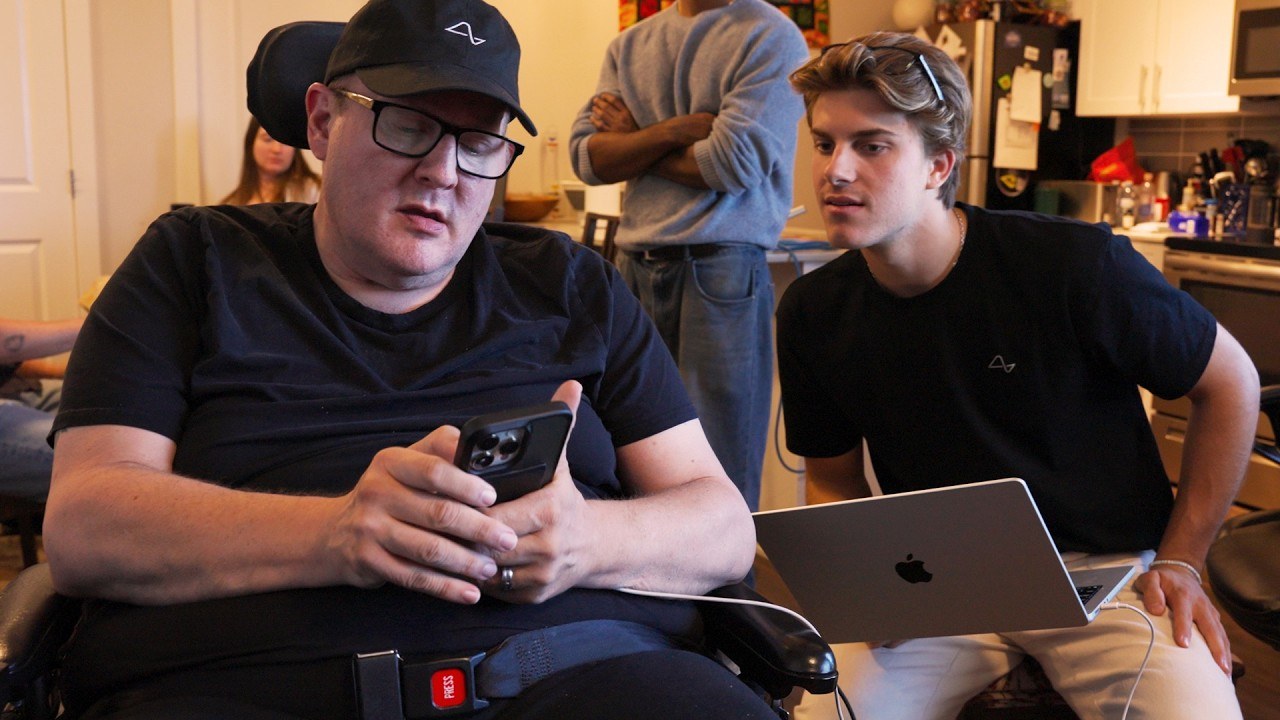
In January 2024, Noland Arbaugh became the first person to receive a Neuralink brain implant. Paralyzed from the shoulders down following a spinal cord injury, he demonstrated the ability to control a computer cursor through signals recorded by his implant. By November 2026, at least 26 people have received Neuralink's N1 implant, using it to play games, study, create digital art, and interact with their surroundings.
Neuralink's N1 implant records neural activity and translates intended movements into commands for external devices. Its Telepathy system enables computer control, while newer studies are testing the implant for controlling robotic arms and restoring speech. Even though these capabilities have been demonstrated by humans, the technology is still investigational, and performance differs between individuals.
Neuralink's first participants have demonstrated computer use without physical input. Arbaugh uses the implant to browse the internet, play games, and pursue his education. Sebastian Gomez, a medical student participating in the UK trial, uses the system to annotate research papers, complete assignments, and take practice tests. Neuralink reports that he uses the device for up to 17 hours a day.
Other participants have found applications beyond conventional computer tasks. Audrey, a participant with a spinal cord injury, creates digital artwork using cursor control. Brad Smith, who has amyotrophic lateral sclerosis (ALS), uses a remotely controlled camera to look around his environment, including watching his children at the park.
William Muirhead, a principal investigator of Neuralink's UK trial, emphasized the importance of digital access. "In an increasingly digital world, the ability to navigate technology is a vital aspect of personal agency."
Neuralink is improving how accurately and reliably the implant decodes commands. In October, the company used more than 50,000 hours of neural recordings to train a brain foundation model. For some participants, the engineers could reduced recalibration from ten minutes a day to ten minutes a week. Six users also improved personal records on Neuralink's cursor-control benchmark.
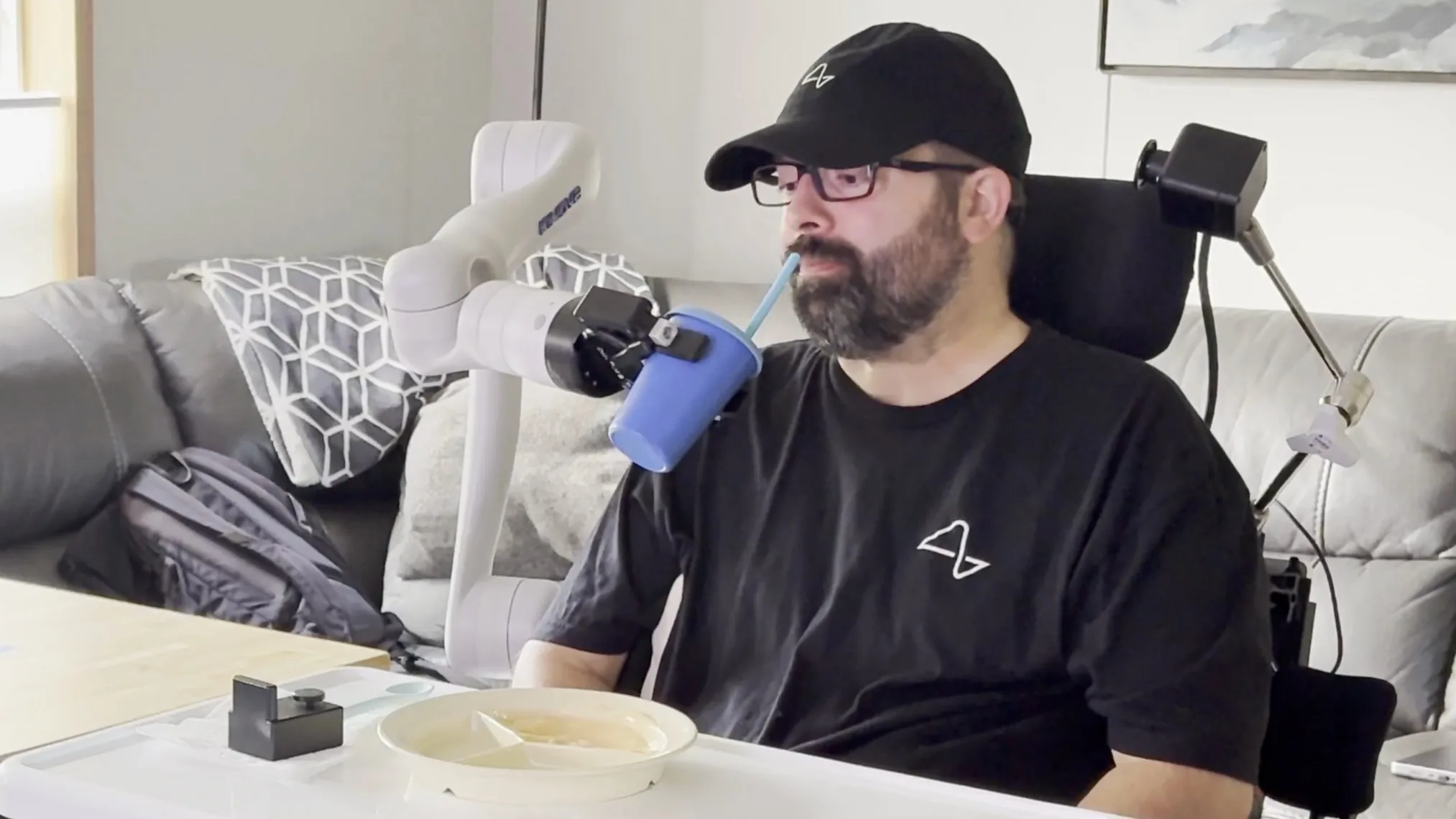
Neuralink is also investigating control of physical devices through its CONVOY study. One participant, Nick Wray, demonstrated using an assistive robotic arm to feed himself, serve drinks, and scratch an itch. The system translates neural activity associated with intended movements into commands for the robotic arm, allowing participants to manipulate objects without moving their own limbs.
The company has recently been testing wheelchair control. Users can steer, accelerate, and reverse a powered wheelchair using the BCI. In November, participant Jake Schneider, who has ALS, shared a video of himself driving outdoors using the N1 implant. Schneider, who can no longer operate his wheelchair's conventional controls, described being able to go on walks with his son again.
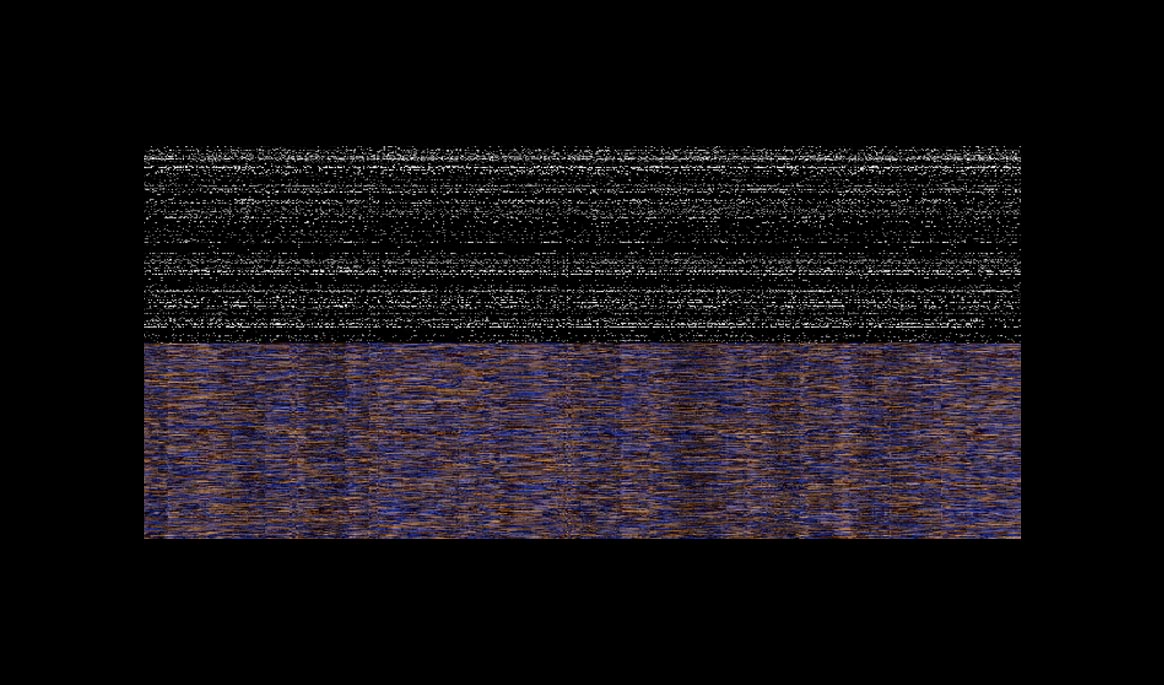
Speech restoration is another area of clinical testing. Through Neuralink's VOICE study, participants with ALS are using neural signals associated with attempted speech to generate text and synthesized voice. In October 2026, Neuralink reported that one participant achieved 75 words per minute with a 5.8% word error rate across a 125,000-word vocabulary, reaching that performance within the first week of testing.
Alongside the clinical results, Neuralink has been developing software to make speech decoding more practical. During a 72-hour engineering sprint, the company demonstrated automatic speech detection, integration with iPhone calls, and dictation across applications through its Bloom software. Engineers also tested an AI agent that could execute computer tasks initiated through attempted speech.
For now, most Neuralink participants primarily use the implant for computer cursor movement and mouse clicks. More advanced capabilities are being tested with individual participants.
In January, Neuralink also demonstrated a virtual keyboard that decodes imagined finger movements, allowing participants to type at speeds of up to 40 words per minute. The company continues to improve implant reliability, having addressed electrode-thread retraction observed in its first participant.
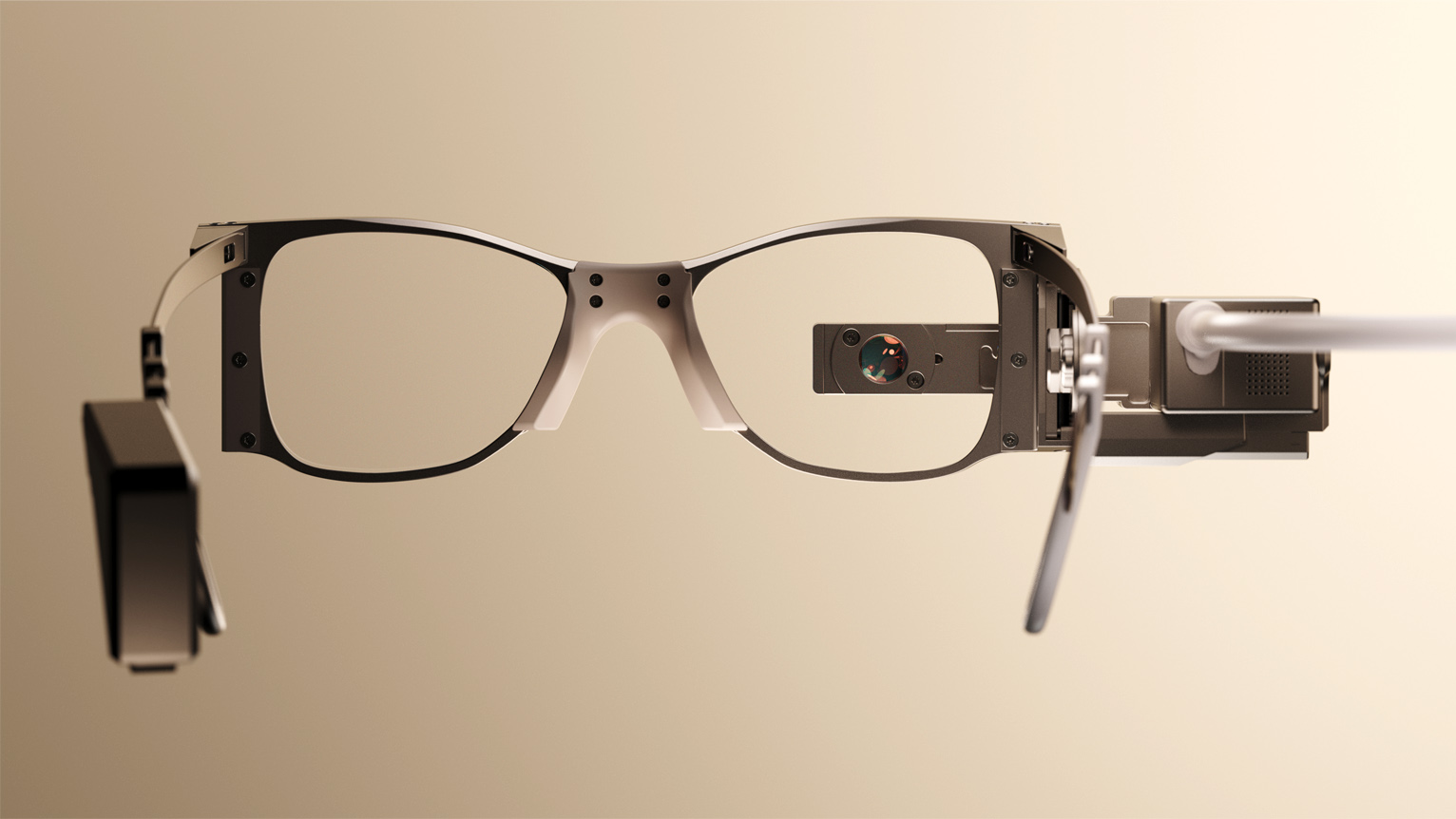
Neuralink is also developing a separate implant intended to restore vision. Its Blindsight programme bypasses damaged eyes or optic nerves by translating images captured by a camera into electrical stimulation of the visual cortex. The device received FDA Breakthrough Device designation in September 2024, but Neuralink has yet to report human implantation or clinical results.
Blindsight represents a different direction for Neuralink. Its existing clinical applications primarily read neural activity, while vision restoration would require a write channel. Similar stimulation approaches are being investigated to restore sensations such as touch.
Produced with support from