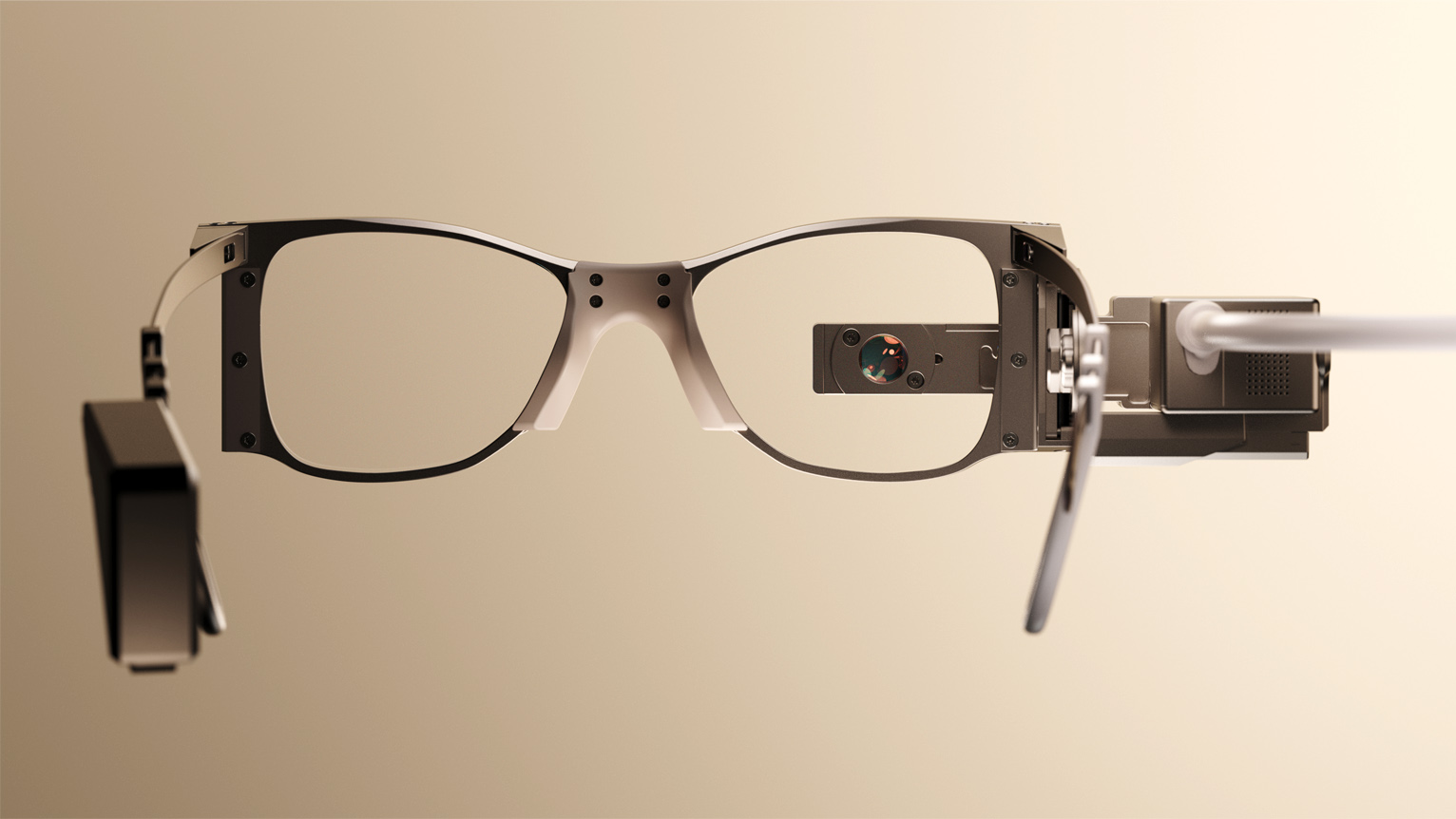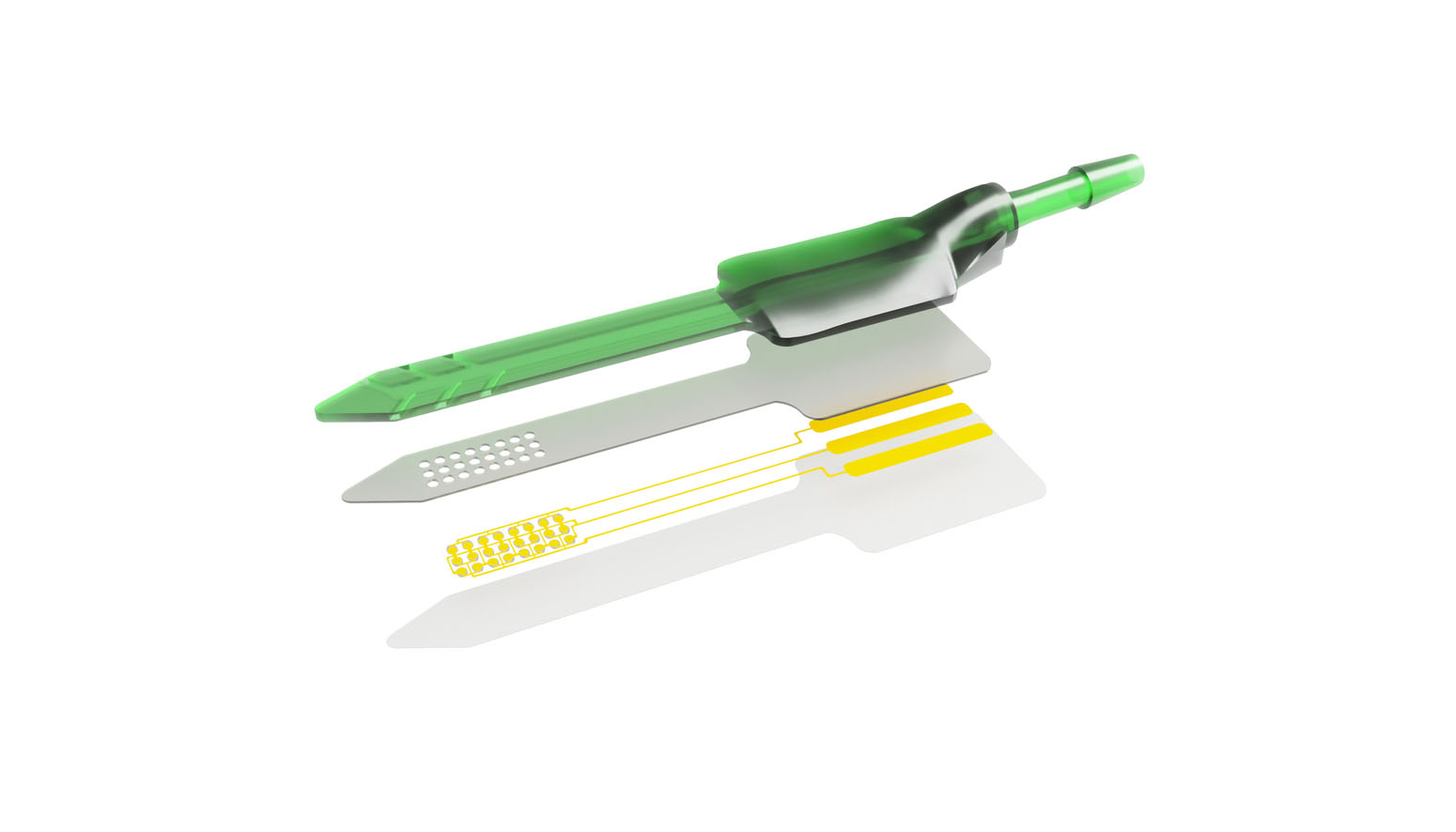
Earlier this month, a company called Janus Labs raised $1.8 million to non-invasively monitor the brains of pets. Its CEO describes the ambition as “the closest thing to being able to have a conversation with your pet”. And while that might seem absurd, Janus is not the first to put a neural interface on a dog.
A growing number of startups are developing neural interfaces for animals. That includes ambitious claims of facilitating communication with our pets, but academic research is also exploring a more concrete application. Researchers are investigating whether neural recordings can reveal which odours an animal has detected, potentially turning a sniff of explosives, drugs, or disease-associated chemicals into a concrete readout.
Janus Labs is a New York-based startup co-founded by Peter Freer and Shaun Westbrook. It wants to develop technology that combines contactless brain monitoring with physiological measures to identify signs of illness, pain, stress, and cognitive decline in pets. The approach builds on Freer's earlier work at Freer Logic, which developed technologies for monitoring electrical activity in the human body.
However, the scientific evidence supporting this approach is limited. A 2016 independent study evaluated Freer Logic's EEG BodyWave armband in 15 participants, finding that it could distinguish attention from relaxation. Its recordings did not correlate with conventional EEG, leading researchers to conclude that the device was likely measuring something other than brain activity.
Another company pursuing this market is PetLepathy, a startup supported by Cambridge Judge's accelerator programme. Under the consumer brand Pelle, it is developing a wearable sensor positioned near a cat's ear. The company advertises 89% accuracy in identifying pain signals. In a ten-cat pilot, Pelle obtained usable muscle recordings but was unable to capture reliable EEG signals.
Both companies have ambitions that extend considerably beyond the evidence currently available. Even when physiological signals can be recorded and classified, establishing that they reflect specific emotions or experiences is difficult, particularly in animals that cannot directly report their internal states.
Identifying pain-related patterns in pets may be feasible under controlled conditions, but translating an animal's broader thoughts or feelings remains extremely speculative.
A more concrete application for animal neural interfaces may lie in decoding their sense of smell. Dogs are already trained to detect explosives, drugs, and diseases through chemical signatures.
In April, Bengaluru-based Dognosis published a study in the Journal of Clinical Oncology involving 1,502 participants, in which trained dogs analysed breath samples for signs of cancer. The study achieved 90.8% sensitivity and 91.3% specificity, combining the dogs' behavioural responses using a statistical model.
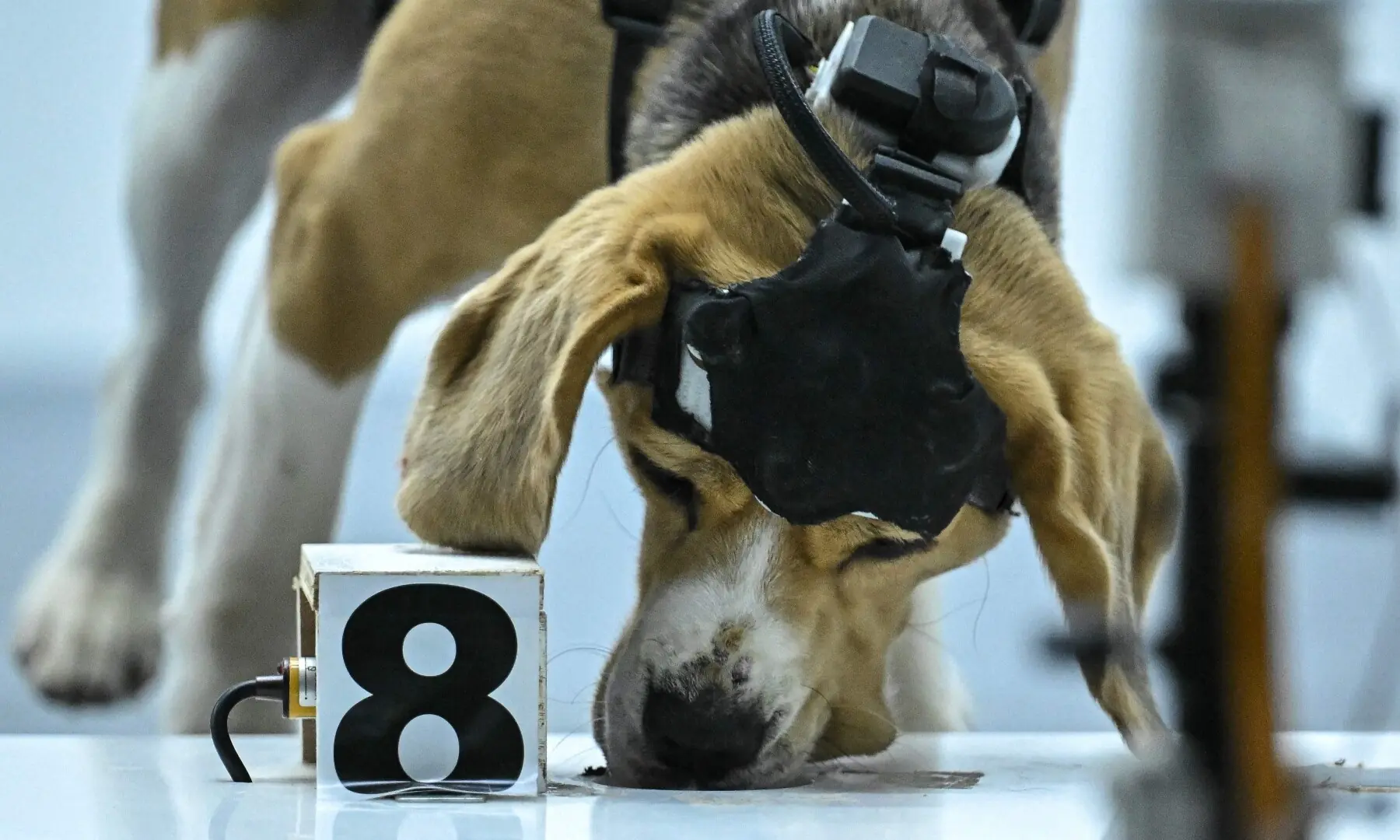
Those results did not rely on neural recordings, but Dognosis is developing a brain-computer interface to better understand the dogs' responses. Its DogSense headset records eight channels of EEG alongside breathing and movement data, while software combines these signals with behavioural observations.
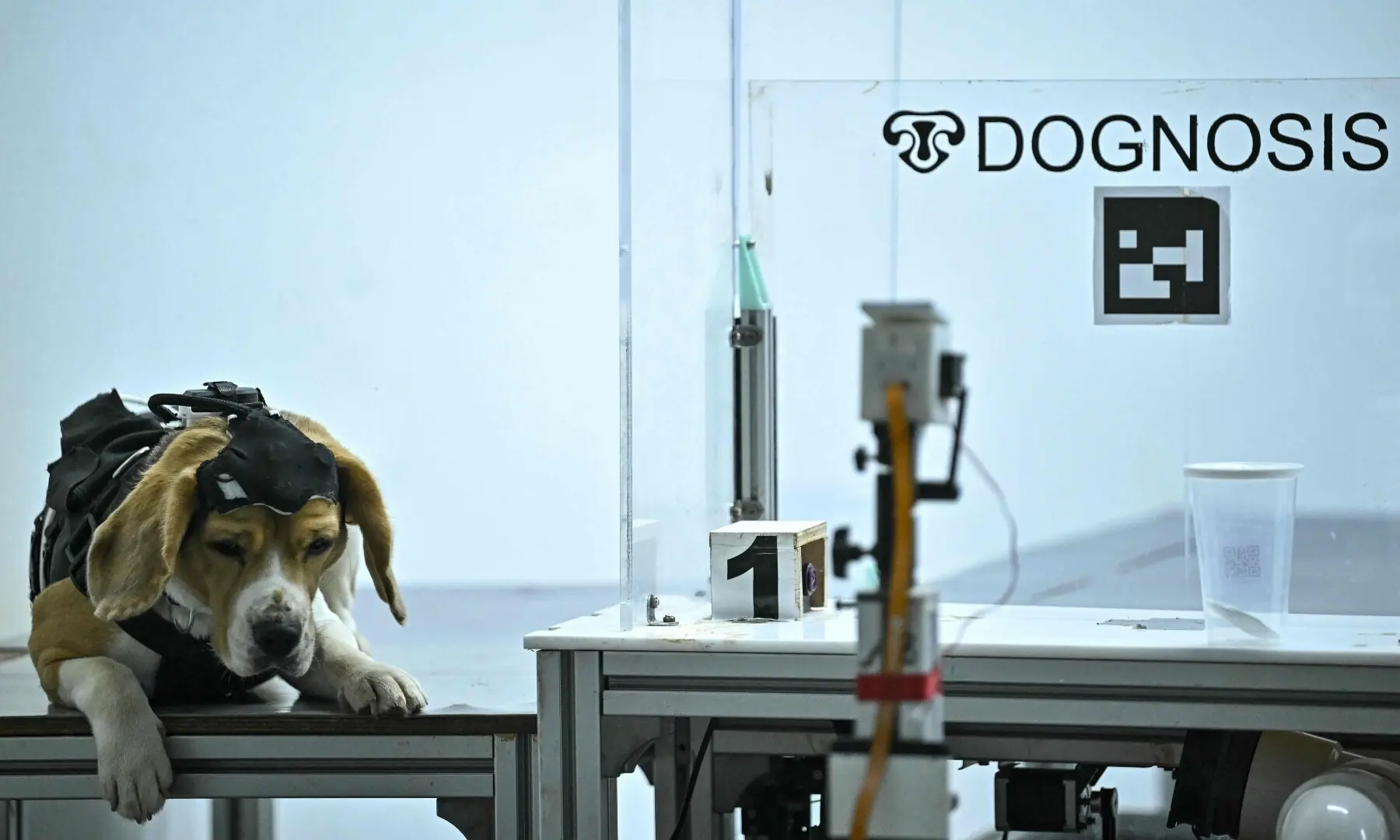
The company hopes this will make canine detection more consistent and measurable, although it acknowledges that its headset cannot currently identify which chemicals a dog has detected.
More direct decoding has already been demonstrated in academic research. In a 2022 study, researchers implanted 64-electrode arrays over the olfactory bulbs of mice, recording neural responses to different chemicals. Their system identified six odour conditions with an average accuracy of 83.4% across six mice, reaching 97% in the best-performing animal.
That approach is being commercialised by General Sense, formerly Canaery, which raised more than $4 million in seed funding in 2022. The company is developing implanted neural interfaces that record activity from the olfactory bulbs of working animals, aiming to turn their responses into digital readouts of explosives, narcotics, and other chemical targets.
General Sense claims 96% detection accuracy across 24 compounds, although detailed independent validation of these commercial benchmarks has yet to be published.
Produced with support from