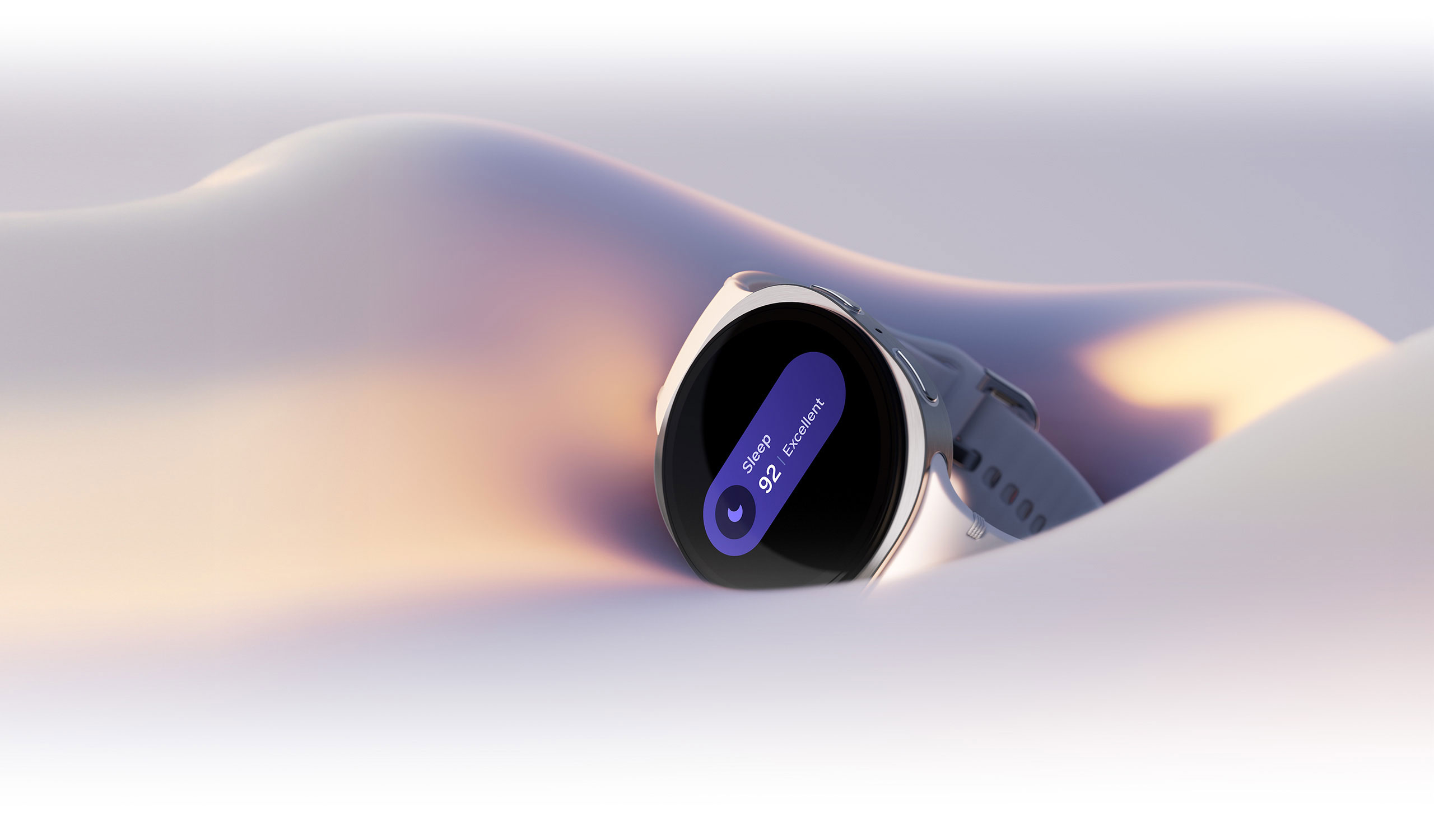
While Samsung’s market cap surges alongside the AI boom, the company has also been at work to expand its health-monitoring ambitions. Its Galaxy Watch already carries FDA-authorized sleep apnea detection, while Samsung previously researched EEG-based ear wearables and previewed brain-health monitoring functionality at CES. This month, that portfolio expanded again with FDA clearance for a hearing aid feature in its Galaxy Buds.
Alongside that growing portfolio, Samsung announced a new partnership with UCSF Neuroscape to study whether Galaxy Watch data can track and predict changes in cognitive health. The study adds a research layer to Samsung’s broad consumer health push at a time when wearables are moving closer to the brain. Oura is pairing ring data with cognitive testing, WHOOP is studying links between physiology and mental state, and Google is building foundation models trained on massive volumes of wearable data.
Samsung's Technology for Aging Health - Digital Approaches (TAH-DA) study will follow roughly 1,000 adults between the ages of 40 and 89 for close to a year. Participants will continuously wear a Galaxy Watch while completing regular cognitive assessments and training through a Galaxy Tab. Led by UCSF Neuroscape, a translational neuroscience center studying technology’s role in assessing and improving brain function, the goal is to identify biometric patterns that could track changes in cognition across midlife and older age.
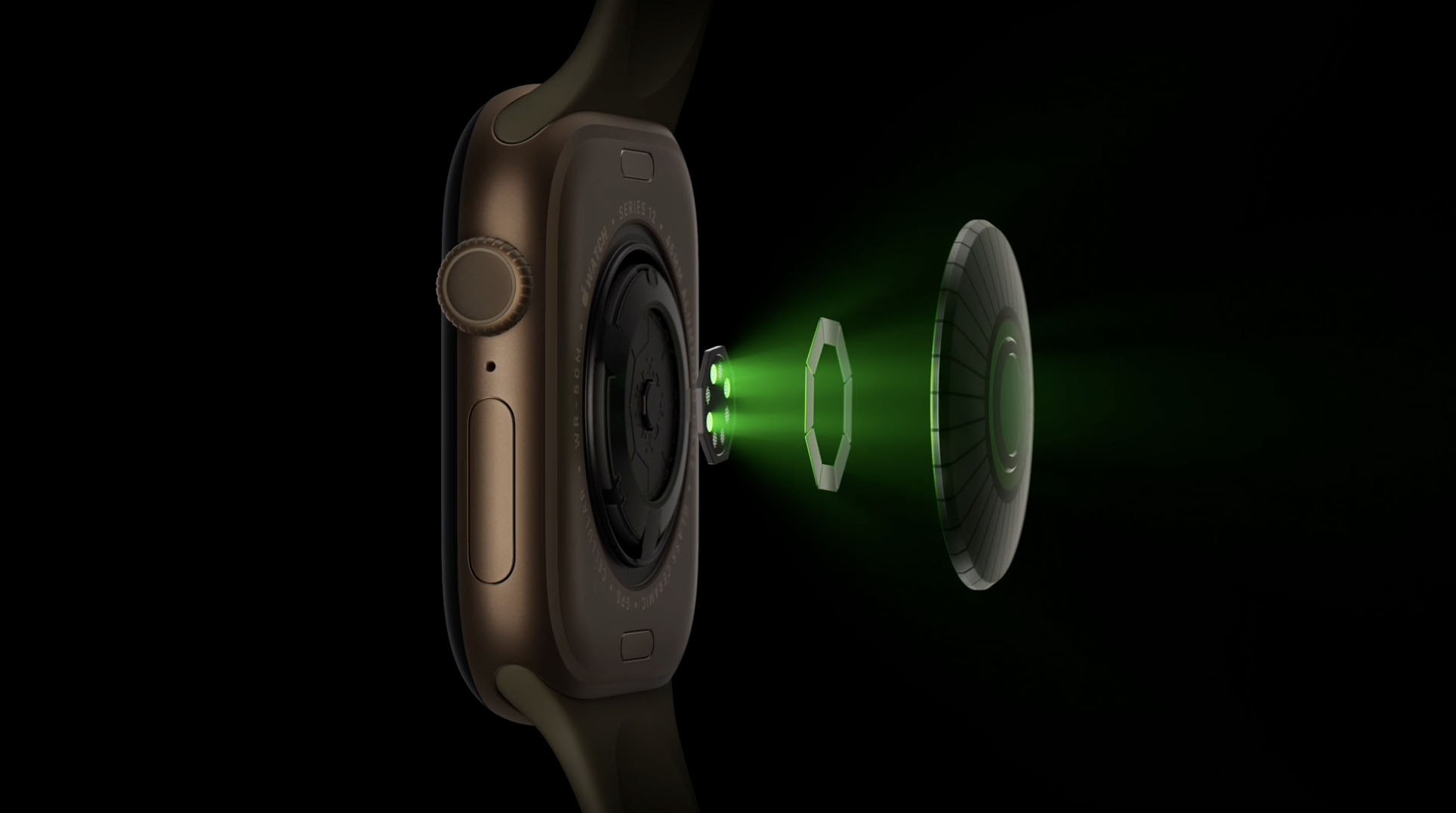
The Galaxy Watch cannot measure the brain directly. Instead, Samsung will combine physiological signals including heart rate, ECG, blood oxygen, skin temperature, sleep, activity, and body composition with cognitive measurements collected through its tablet. By following these signals over time, and around periods of cognitive training, the researchers can test whether changes in the body provide a reliable proxy for changes in cognition.
The partnership builds on work Samsung has already been doing around digital biomarkers for brain health. In-house researchers have previously studied whether typing patterns, gait, sleep, voice, and other smartphone and wearable data can help identify cognitive decline. At CES earlier this year, Samsung also previewed a Brain Health feature that would use signals such as speech, typing, walking, and sleep to flag subtle cognitive changes.
At the same time, Samsung is developing more general ways to extract information from the data its wearables already collect. This month, Samsung Research America detailed xMAE and HiMAE, two foundation models designed for wearable biosignals. The models aim to learn reusable representations from large volumes of physiological data that can then be adapted to different downstream tasks.
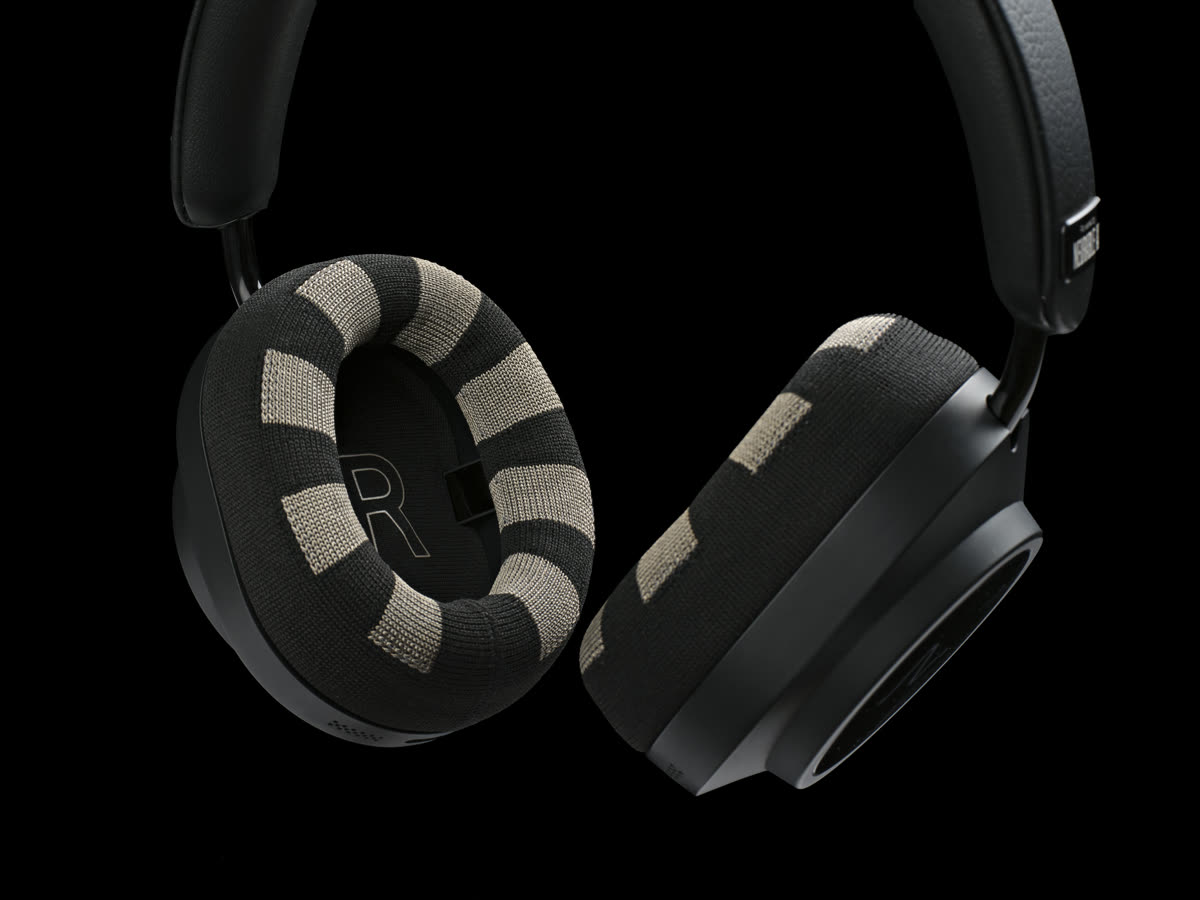
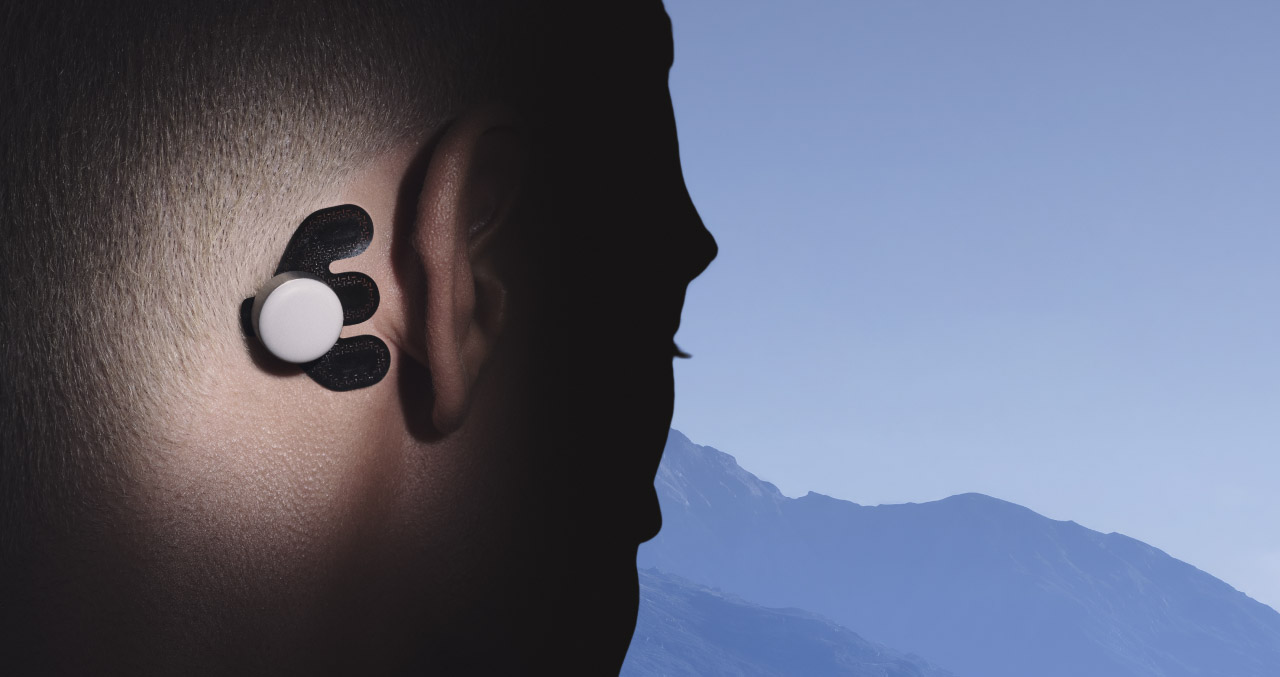
Samsung is also expanding what its consumer hardware can do more directly. Its Galaxy Buds recently received FDA clearance for a hearing aid feature, while separate research with Hanyang University has explored around-the-ear EEG for applications including drowsiness detection.
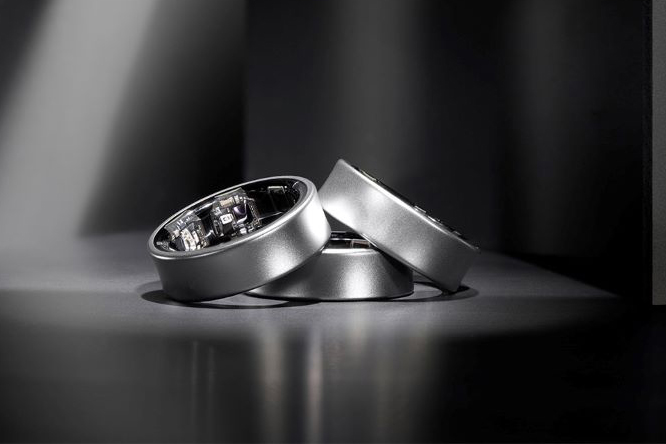
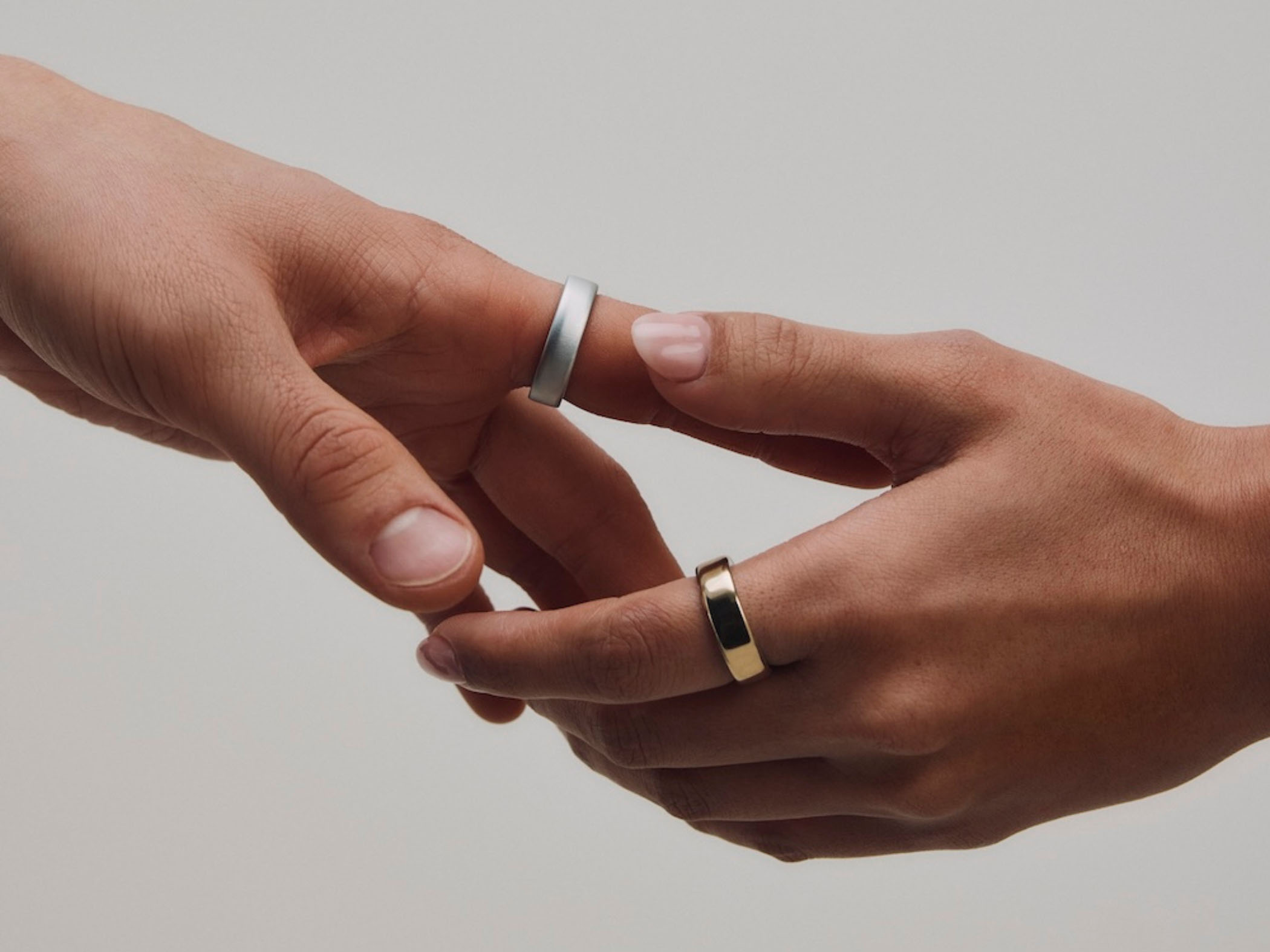
Samsung is not alone in looking for brain-related signals outside the brain. Earlier this year, Oura launched its Brain Health Check-In with Cambridge Cognition, pairing validated cognitive assessments with the sleep, activity, stress, and physiological data already collected by the Oura Ring. Up to 45,000 members can participate, making it one of the largest efforts to study whether continuous wearable data can reveal changes in cognitive performance over time.
WHOOP has been taking a similar approach to infer mental state. In a study of more than 170,000 members, researchers paired over 300,000 validated mental-health surveys with 7.9 million days of biometric data. Sleep patterns, heart-rate variability, resting heart rate, and physical activity were all associated with self-reported stress, anxiety, and depression.
Google is pushing that approach through the avenue of foundation models. It recently introduced SensorFM, a model trained on more than one trillion minutes of data from five million consenting Fitbit and Pixel Watch users. The model learns a general representation of human physiology that can be adapted across 35 health prediction tasks. Those include cardiovascular, metabolic, sleep, and mental-health outcomes.
.svg)