At CES 2026, Samsung did not unveil revolutionary EEG earbuds or novel neurotech. Yet, there was still a strong signal. Samsung introduced a broad “Care Companion” concept, focused on family health and safety. Under the label “Family Care, Brain Health,” Samsung outlined how long-term patterns from phones and wearables could be used to flag early signs of cognitive decline and route alerts to caregivers. The positioning explicitly avoided diagnosis, but approached questions usually reserved for clinical tools and increasingly entering the domain of consumer health trackers.
These announcements land after several years of steady, less visible moves. Samsung now holds regulatory clearances in sleep tracking, produces multiple health-focused wearables at scale, maintains active research partnerships, and continues to file patents and prototypes around neural sensing. At the same time, smaller startups are testing EEG and brain-adjacent tracking in consumer form factors. Samsung sits in a position few Big Tech companies occupy: preparing the stack of hardware, software, and health infrastructure needed to translate neuro-inspired tracking from niche devices into mass-market products.
At CES 2026, Samsung presented “Family Care, Brain Health” as part of a broader Care Companion concept focused on family health and safety. The demo described a system that aggregates long-term behavioral data from phones and wearables, including sleep patterns, mobility, speech, and daily routines, to flag potential early signs of cognitive decline. When those signals cross predefined thresholds, notifications are routed to designated caregivers. Samsung’s own materials emphasised that this is not a diagnostic tool, but the framing clearly places cognitive risk monitoring inside a consumer health workflow.
Technical details did not steal show, as Samsung kept it high level and abstract. However, the choice to surface cognitive decline explicitly in a consumer environment is notable. Large consumer platforms have historically treated dementia and related conditions as research topics or long-term aspirations. Here, Samsung explicitly named “Brain Health” alongside sleep, safety, and family care, positioning it as something that could comfortably sit inside an everyday device ecosystem, rather than a specialised clinical product class.
That positioning follows a consistent product strategy when viewed against Samsung’s recent regulatory track record. In early 2024, the FDA granted De Novo authorisation to Samsung’s Sleep Apnea Feature, classifying it as an over-the-counter, software-only medical device. The feature runs on Galaxy Watch and a paired smartphone and is intended to detect signs of moderate-to-severe obstructive sleep apnea over a two-night monitoring window in adults without a prior diagnosis. It is narrowly scoped, explicitly non-diagnostic, and carries clear labelling constraints.
In 2025, Samsung began extending that sleep work beyond one-off detection. A research collaboration with Stanford Medicine was announced to study how AI-enabled wearables could support ongoing sleep apnea monitoring and management, rather than episodic screening alone. While the details remain limited, it reveals a clear interest in longitudinal health tracking and real-word evidence generation.
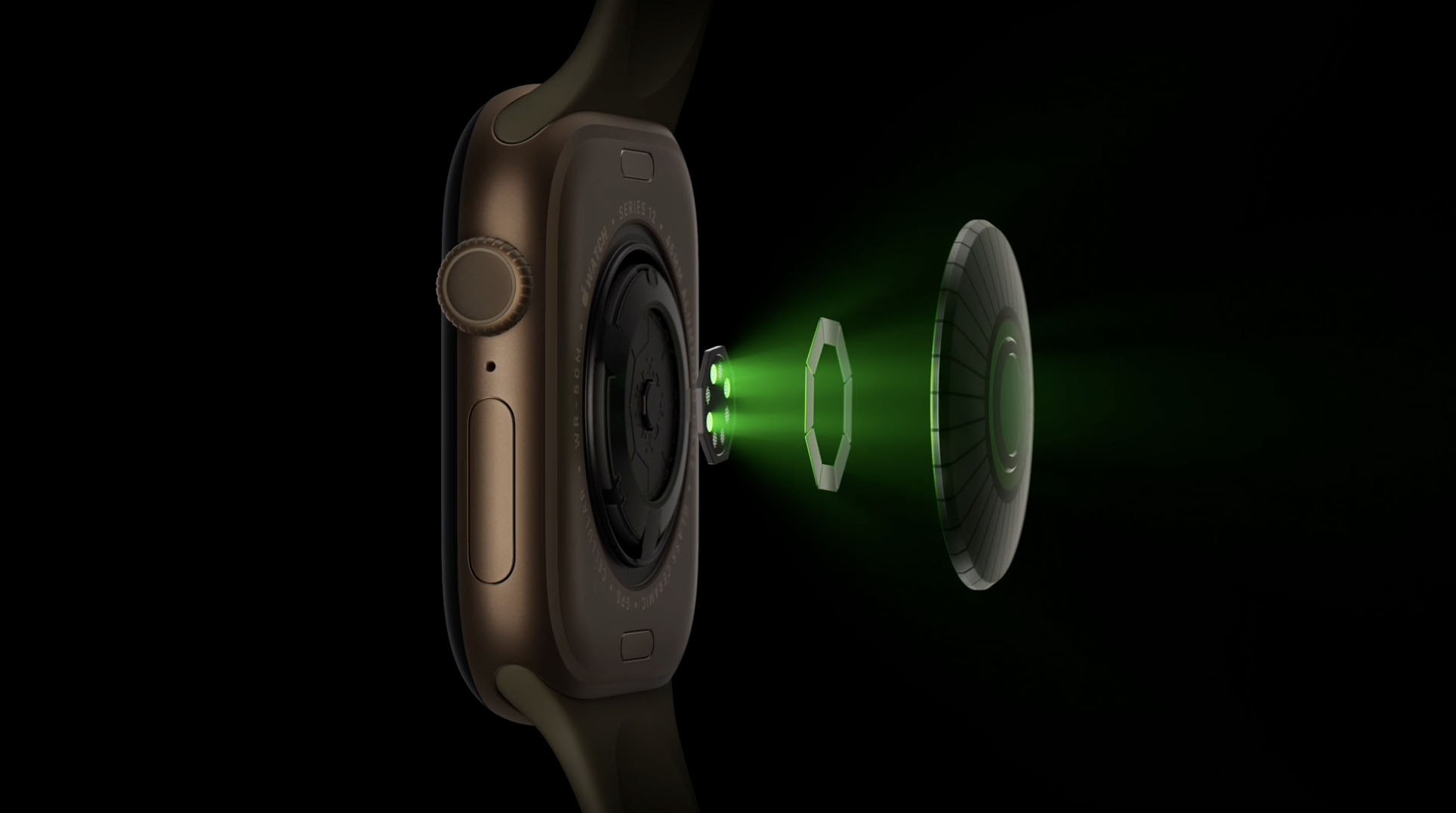
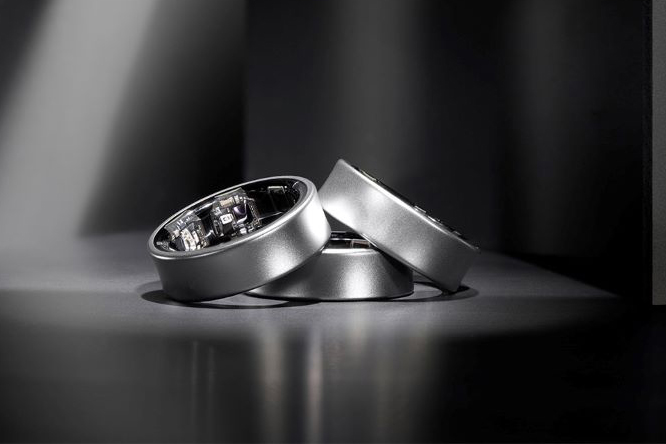
Hardware distribution underpins the increasing health tracking push. Samsung has expanded the Galaxy Ring programme, adding larger sizes and increasing market availability, to reinforce its role as a night-time and passive tracking device. Rings and watches are where consistent sleep and behavioural baselines are built, and they provide the data continuity that any cognitive risk inference would depend on. The Galaxy Ring expansion reinforced that Samsung is investing in this layer alongside its watch lineup.
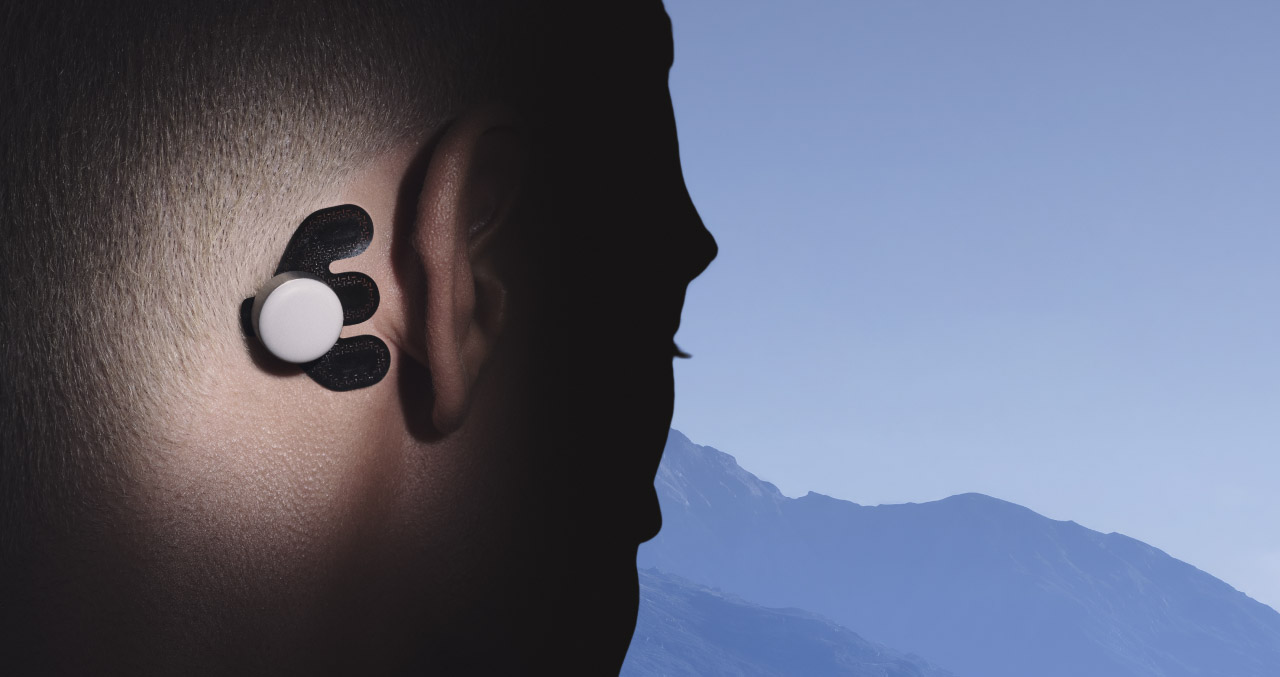
Finally, Samsung has been open about neural sensing as a research direction. In late 2025, it disclosed work on an around-the-ear EEG prototype developed with academic partners, aimed at brainwave monitoring in everyday settings, with early use cases such as drowsiness detection. Alongside this, Samsung has patented wearable architectures that accommodate EEG sensors. While EEG might not be a near-term consumer feature, Samsung is clearly exploring form factors where brain-linked signals are more direct.
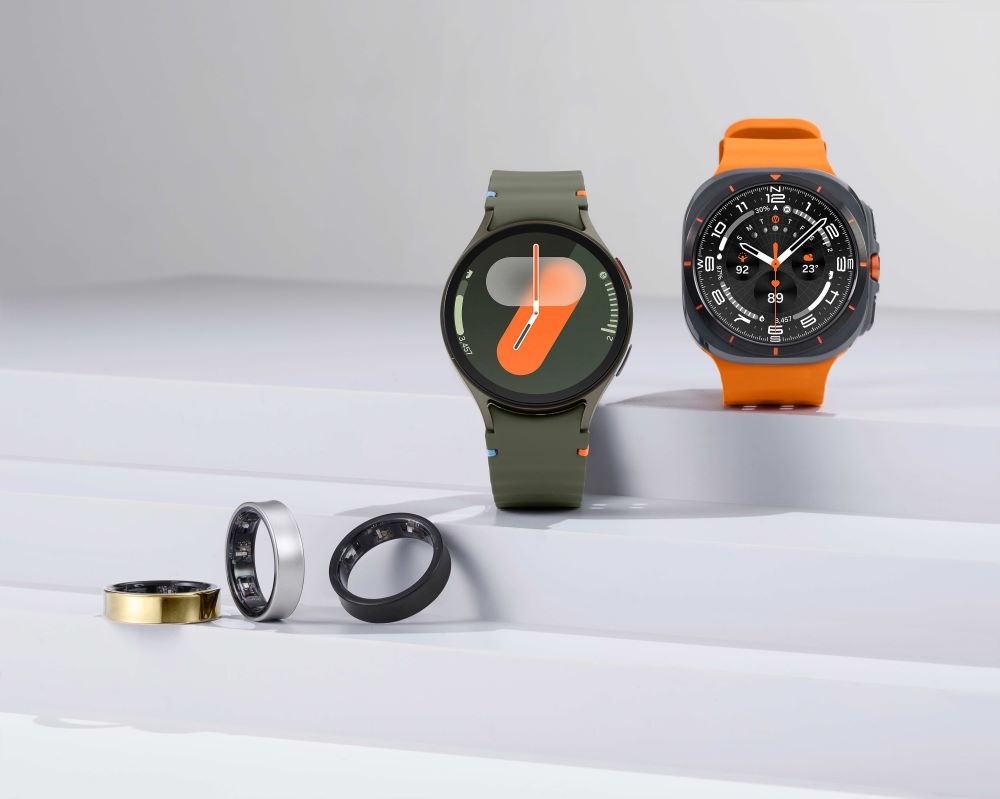
The broader consumer health market provides context for why Samsung is investing here at all. Smart rings, in particular, have moved from a niche form factor to a credible health product category. ŌURA has reported surpassing 5.5 million rings sold and accumulated more than $500 million in revenue in 2024, with public statements pointing toward a $1 billion revenue target in 2025. The Smart Ring category is scaling rapidly. Recent projections suggest ring shipments growing significantly faster than smartwatches, reflecting consumer demand for passive, sleep-first tracking that does not require active engagement.
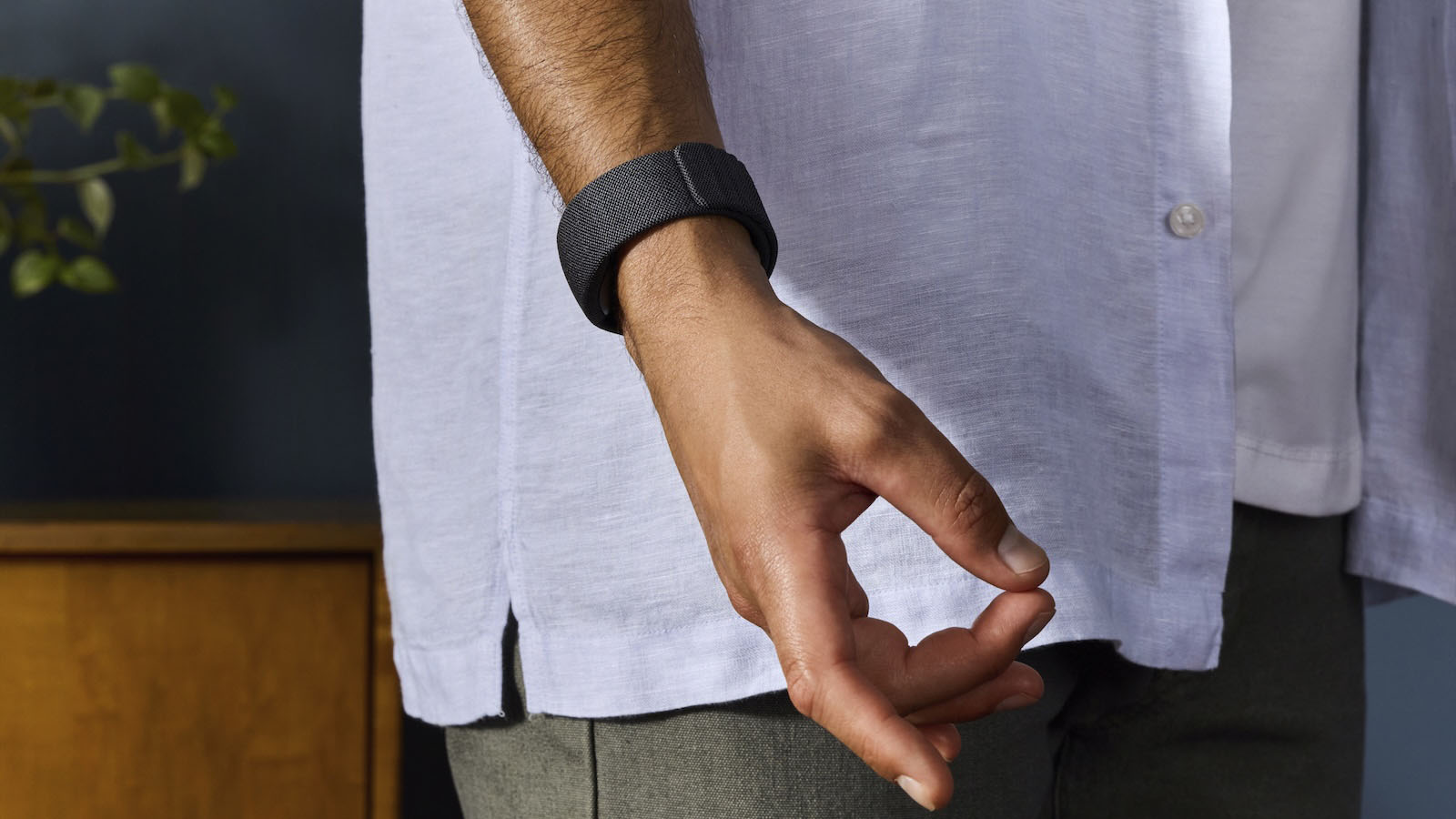
Within that market, competition splits into two. One consists of recovery and readiness incumbents, rings, bands, and watches, that have gradually expanded from fitness into health through proxy signals such as sleep stages, heart rate variability, and activity patterns. Think Apple Watch, ŌURA, Whoop, and more.
The other is made up of neuro-first devices built around EEG and cognitive sensing, often embedded in earbuds or headphones. These systems offer more specific brain-linked signals, but at the cost of higher prices, more friction, and limited distribution. Companies like NextSense and Neurable sit in this second group, demonstrating technical feasibility while still operating at small scale.
Apple is the closest analogue to Samsung’s push, yet their strategies diverge in important ways. Apple has equally secured FDA clearance for sleep apnea detection on Apple Watch, but largely avoided bundling broader disease narratives into its consumer messaging. Instead, it has leaned on platform infrastructure. Its Movement Disorder API enables third parties to build regulated products on top of Apple Watch data, for example through Rune Labs and its FDA-cleared Parkinson’s product. Samsung appears more vertically integrated. By embedding features directly inside Samsung Health and naming “Brain Health” openly, it is taking on more of the narrative, and potentially more of the responsibility.
Regulation defines how far that approach can realistically extend and that perimeter has loosened at the margins. In January 2026, the FDA commissioner stated publicly that the agency intends to limit regulation of low-risk health and fitness wearables, focusing enforcement on cases where companies imply medical claims without authorisation. This creates more room for behavioural and cognitive risk indicators framed as wellness features, while preserving clear guardrails around explicit disease classification.
What to expect in 2026 is largely an execution question. It is hard to say if Samsung intends to push health claims beyond risk indicators, or whether its neuro work becomes a way to strengthen a broader consumer tracking stack. The company now develops the sensors, the devices, and the health interface, giving it a unique chance to integrate neuro-adjacent signals without opening the platform. At the same time, deeper clinical positioning would require clearer validation pathways and regulatory commitments that are not yet openly disclosed. How Samsung balances vertical integration against openness, and wellness framing against medical ambition, will define how much of consumer neuro it ultimately captures.
[Image credit: Samsung]
.svg)