Non-invasive neurotech is increasingly integrated into familiar consumer devices, moving beyond the scalp-based EEG systems that long defined the field. Driven by advances in dry electrodes, sensor miniaturization, AI-powered signal processing, and renewed interest from big tech, consumer neurotech is now expanding across the body, finding its place in wristbands, earbuds, headbands, and even glasses.
This shift is bringing a wider range of physiological measurements into consumer products. Beyond brain activity, electrical signals from muscles, eyes, and the heart are enabling applications ranging from health monitoring to gesture-based device control. Integrating these capabilities into familiar form factors opens the door to a much larger user base. Yet each recording location brings its own challenges in signal quality, comfort, and integration.
Non-invasive neurotechnology has long been associated with electroencephalography (EEG), which measures voltage differences across the scalp generated by coordinated activity among large populations of cortical neurons. Clinical and research EEG typically use electrodes arranged according to standardized placement systems, such as the international 10-20 system, often with conductive gels or pastes to reduce skin impedance and ensure reliable electrical contact.
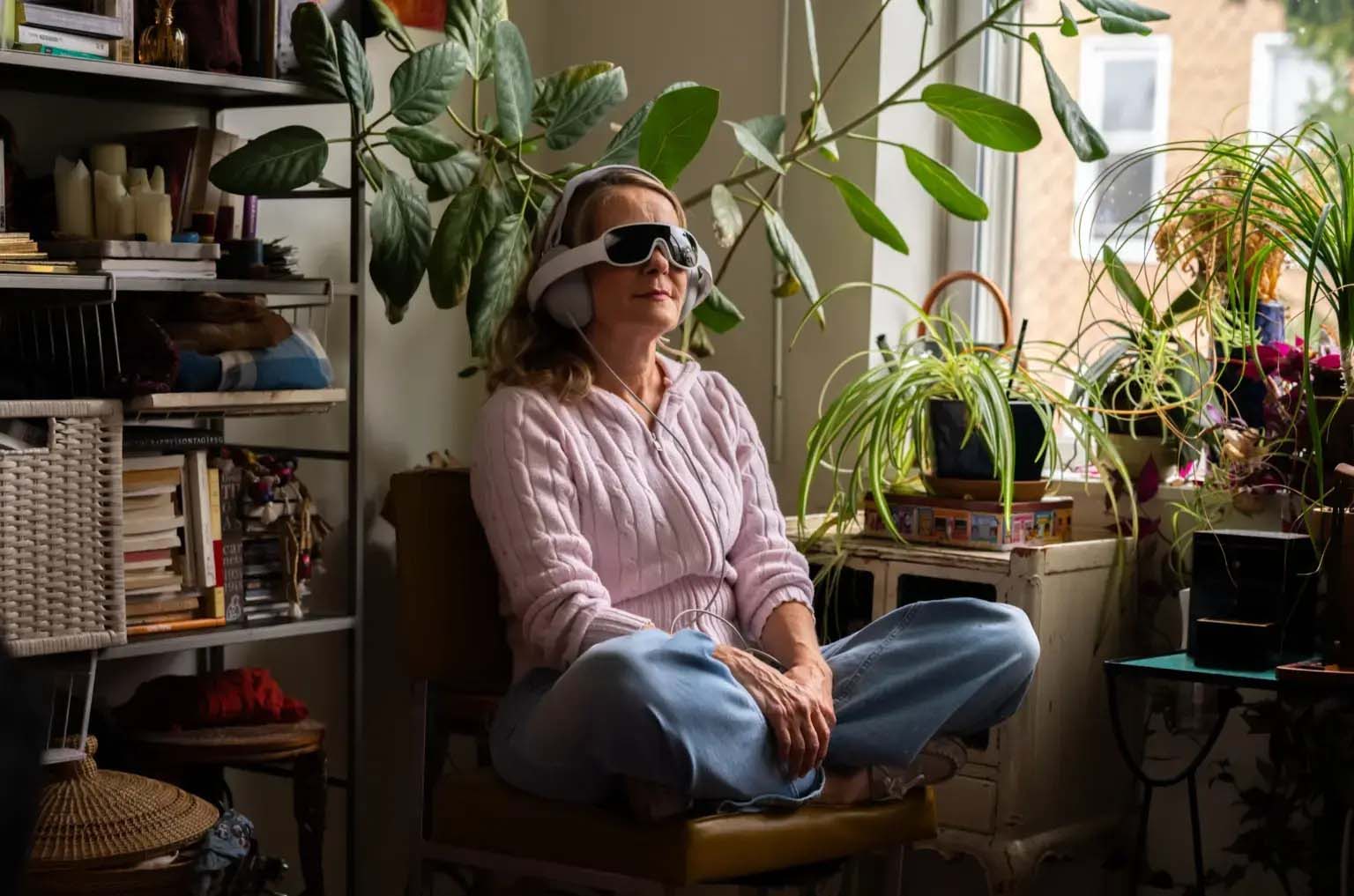
Dry electrodes have helped bring EEG out of the laboratory, removing the need for conductive gels and making brain sensing more practical for at-home and consumer applications. An early wave of devices, led by companies such as Muse and Emotiv, largely took the form of headbands and headsets used for neurofeedback and related applications.
More recently, developers have integrated electrodes into more familiar form factors, from Neurable's EEG headphones to NextSense's earbuds and Atlas's behind-the-ear patches. Even Apple has filed patents describing EEG-enabled earbuds.
These developments are unfolding within an expanding wearable market. Approximately 148 million wearable devices shipped globally in Q2 2026, up 2.7% year over year, with earwear accounting for 64.9% of shipments. Smartwatches and wristbands represented another 32.4%, smart glasses accounted for just 1.7%, despite growing 54% year over year. For neurotech, integrating sensing capabilities into these established form factors could offer a route to much wider adoption.
While much of consumer neurotech is still being developed by smaller startups, major technology firms are starting to take interest.
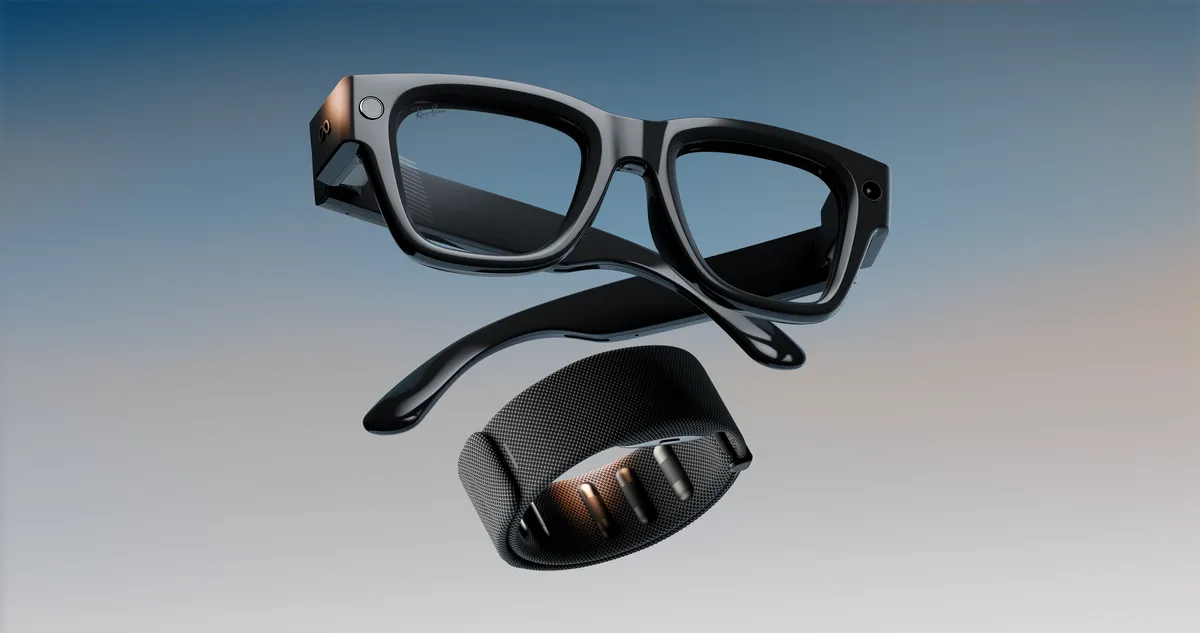
In 2019, Facebook acquired New York-based neurotech startup CTRL-Labs, which was developing wrist-worn interfaces for controlling digital devices through muscle activity. That research eventually led to Meta's Neural Band, launched in 2025 alongside its Ray-Ban Display glasses.
Using surface electromyography (EMG), the wristband translates subtle muscle activity into commands for navigating the glasses. According to Omdia, Meta shipped an estimated 84,000 Ray-Ban Display glasses in 2025, each bundled with a Neural Band.
Electricity is the language of the brain and the primary signal measured by non-invasive neurotechnology. Beyond EEG and EMG, consumer neurotech is increasingly incorporating other forms of electrical sensing, including electrooculography (EOG), which records voltage changes associated with eye movements, and electrocardiography (ECG), which captures the electrical activity of the heart.
ECG is among the most established electrical sensing modalities in consumer wearables, from chest-strap heart-rate monitors to smartwatches. The Apple Watch, for example, uses electrodes on its back and Digital Crown to record a single-lead ECG, allowing users to check their heart rhythm and screen for signs of atrial fibrillation.
Heart rate and heart rate variability (HRV) can also be derived from the intervals between heartbeats, although most continuous wrist-worn heart-rate monitoring uses optical PPG sensors instead.
EMG's most prominent big-tech application came with Meta's Neural Band. In closed-loop experiments, Meta Reality Labs demonstrated discrete gesture detection at 0.88 gestures per second and continuous navigation at 0.66 target acquisitions per second. The system also recognized handwriting at a median rate of 20.9 words per minute.
Meanwhile, EEG has already found its way into a range of specialized consumer products. Neurable uses EEG-enabled headphones to estimate cognitive states such as focus and mental fatigue, while NextSense's EEG earbuds monitor sleep stages and deliver timed auditory stimulation.
In a 2026 clinical study, NextSense researchers reported substantial agreement between in-ear and conventional scalp EEG for overnight sleep staging (κ = 0.77). Sleep-earbud manufacturer Ozlo acquired EEG developer Segotia in 2026, with plans to also introduce brain-sensing capabilities into its products in 2027.
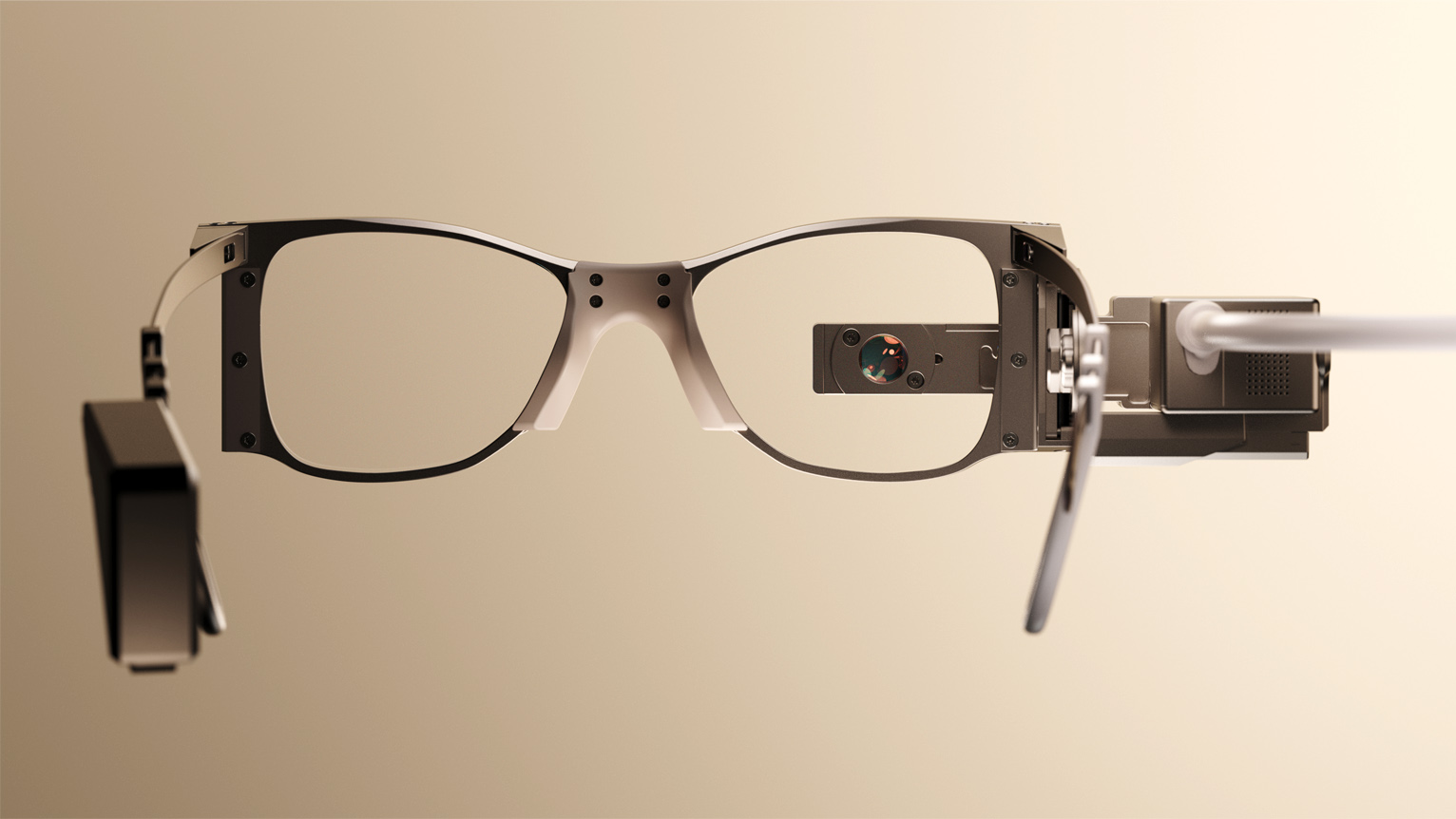
EOG has seen less standalone consumer adoption, but becomes particularly interesting when combined with other electrical signals. A 2026 research project involving Northwestern University and Texas Instruments developed smart glasses that integrate EEG, facial EMG, and EOG. Electrodes positioned around the face allow the glasses to capture brain activity, eye movements, and facial-muscle signals within a single wearable system.
The researchers demonstrated several interaction possibilities. Eye movements could be used to select objects in the wearer's field of view, while facial-muscle activity could trigger commands, including inserting emojis into a messaging interface. The system also explored passive monitoring applications such as fatigue detection.
Such multisignal approaches are increasingly appearing in consumer neurotechnology, building on principles already established in clinical settings. Polysomnography, the gold standard for sleep assessment, has for decades combined EEG, EOG, EMG, and ECG with respiratory measurements to evaluate sleep architecture and physiological activity.
EEG, while non-invasive, is still rarely used for high-bandwidth BCI applications such as speech decoding. This is largely due to the inherent challenges of measuring brain activity through layers of tissue, cerebrospinal fluid, the dura mater, and skull. These structures, particularly the skull, attenuate and spatially blur electrical signals before they reach the scalp. EEG records activity typically on the order of 10-100 microvolts, making it highly vulnerable to interference, recording artifacts, and changes in electrode contact.
Much of the challenge comes down to finding a location where sensors can capture reliable signals with minimal noise, and maintaining that contact throughout a user's daily life. A setup that works well in the laboratory may struggle with sweat, oily skin, different hair types, and unpredictable movements. Motion artifacts are a particular obstacle, as electrodes shifting against the skin can introduce noise into the recording.
Consider a sensor-equipped pair of smart glasses, repeatedly adjusted throughout the day to keep them from sliding down the nose.
The effects of sensor positioning have been well documented in EMG research. A 2025 study found that rotating an EMG armband by around 30 degrees from its calibrated position reduced gesture-classification accuracy from 91.9% to 83.8%, with even larger declines in precision and recall.
As neural sensing moves from research demonstrations into mass-produced devices, the challenge extends from validation to manufacturing. Research prototypes can be individually adjusted, while consumer electronics must deliver consistent performance at scale. An independent teardown identified eight sensors in each Meta Neural Band, illustrating how even an initial commercial rollout can translate into demand for hundreds of thousands of specialized sensing components.
As neurotech moves towards mass production, specialized developers increasingly draw on established hardware expertise. Neurable initially brought its EEG technology to market through headphones co-developed with audio manufacturer Master & Dynamic. Component suppliers play a role too. Datwyler's electrodes have been adopted by more than 50 customers worldwide, including in medical devices certified for markets in the US, Europe, and Asia.
Swiss manufacturer Datwyler, founded in 1915, develops system-critical elastomer components for healthcare and industrial applications. Its expertise spans material development, solution design, and industrial manufacturing, supporting customers from early development through serial production. Operating 25 production sites across four continents, Datwyler is extending these capabilities into wearable sensing through SoftPulse®, its platform of conductive, rubber-based dry electrodes for EEG, EMG, EOG, and ECG.
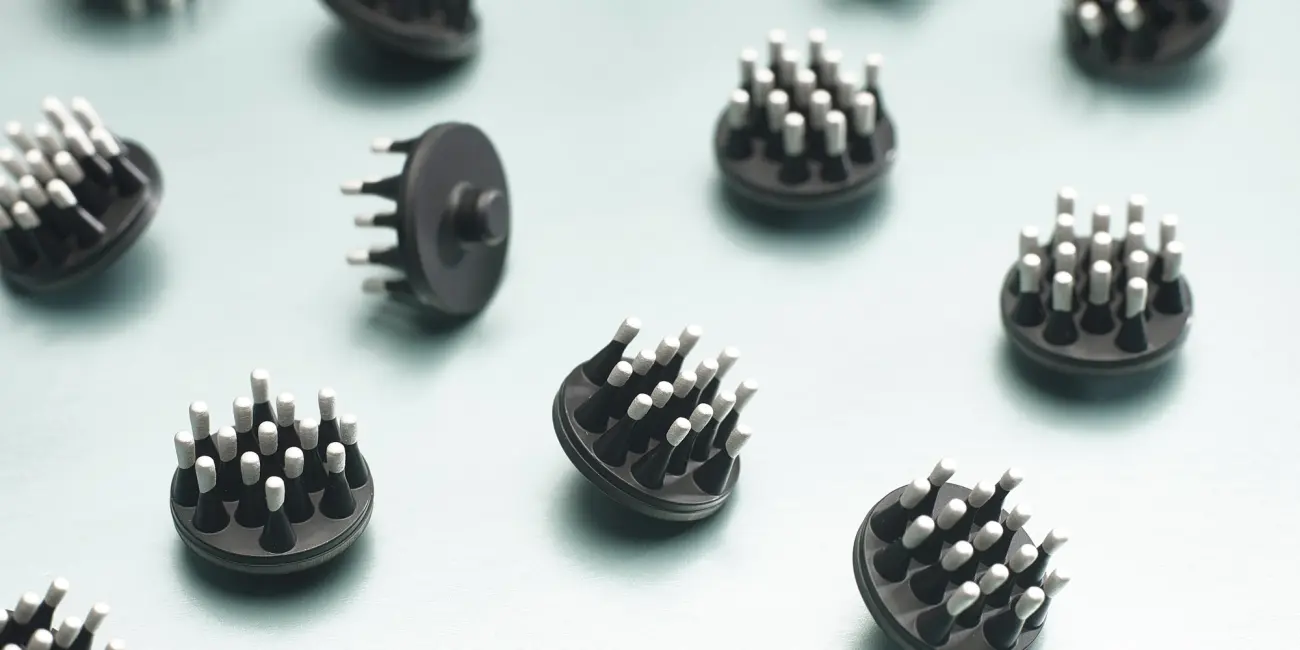
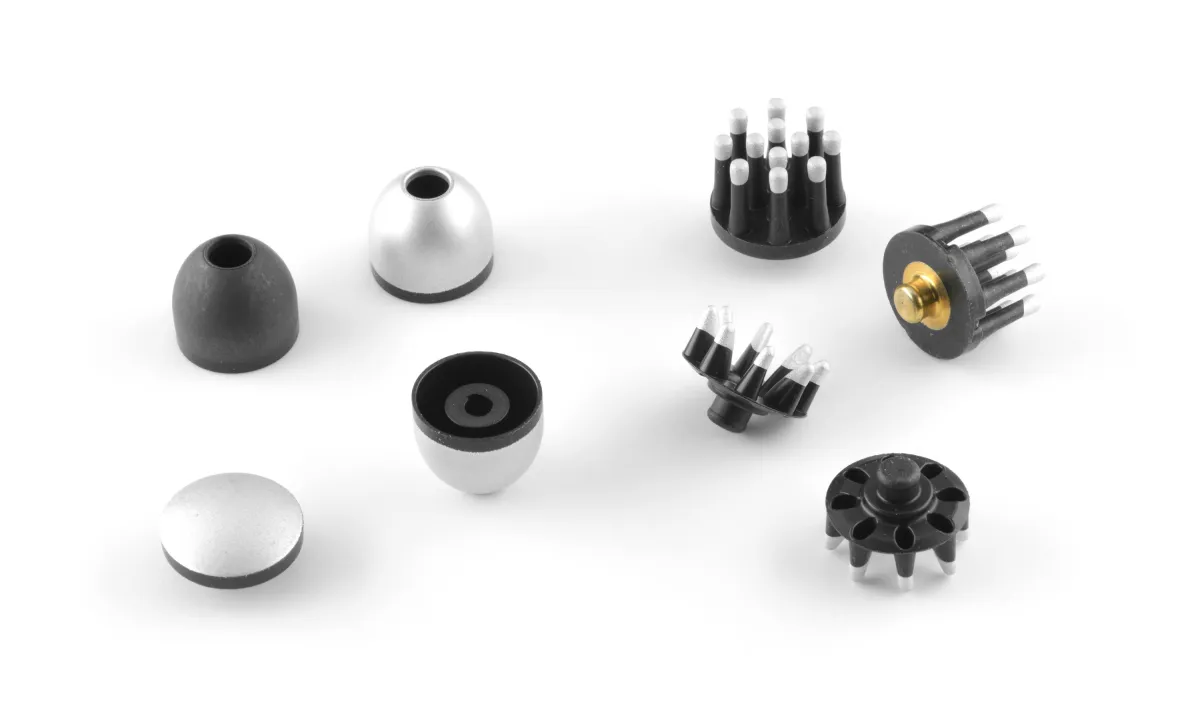
SoftPulse® addresses the different anatomical requirements of measuring across the body. Its portfolio includes flat electrodes for hair-free surfaces, dome-shaped designs for the wrist, and brush electrodes that reach the scalp through different hair densities. Flexible and in-ear variants accommodate other anatomical constraints, allowing developers to adapt electrode geometry to specific sensing locations and wearable designs.
The technology has also been integrated into novel form factors. In a 2024 study, a research team including Datwyler's Mattia Lucchini developed GAPses, a 40-gram smart-glasses prototype incorporating dry EEG and EOG electrodes. The system recorded eight EEG channels and achieved 96.68% accuracy in classifying 11 eye-movement categories.
Beyond customization, Datwyler provides co-engineering capabilities spanning material development, simulation, tooling, and industrial manufacturing. Backed by specialized laboratories and a global production network, Datwyler can support wearable developers in scaling customized electrode designs into repeatable, high-volume manufacturing. SoftPulse® has already entered several serial-production wearable applications, demonstrating its progression beyond research prototypes into commercial products.
Produced with support from