The CDC estimates that around 15% of US high school students suffer at least one sports-related concussion per year. Most concussions are mild, and many resolve without long-term damage. But in young athletes, the margin for error is narrow. Get the assessment wrong on the sideline, sending a teenager back onto the field too early, and a manageable injury can become something more long-term. In this gap, neurotech startup Oculogica is buildign objective concussion assessment tools.
Founded in 2010 from the clinical observations of neurosurgeon Uzma Samadani, Oculogica has spent more than a decade turning eye-tracking research into regulated concussion tools. Its first product, EyeBOX, received FDA De Novo clearance in 2018. Now the company has received 510(k) clearance for SNAP, a faster assessment designed to bring 90-second “snap” concussion testing closer to the field.
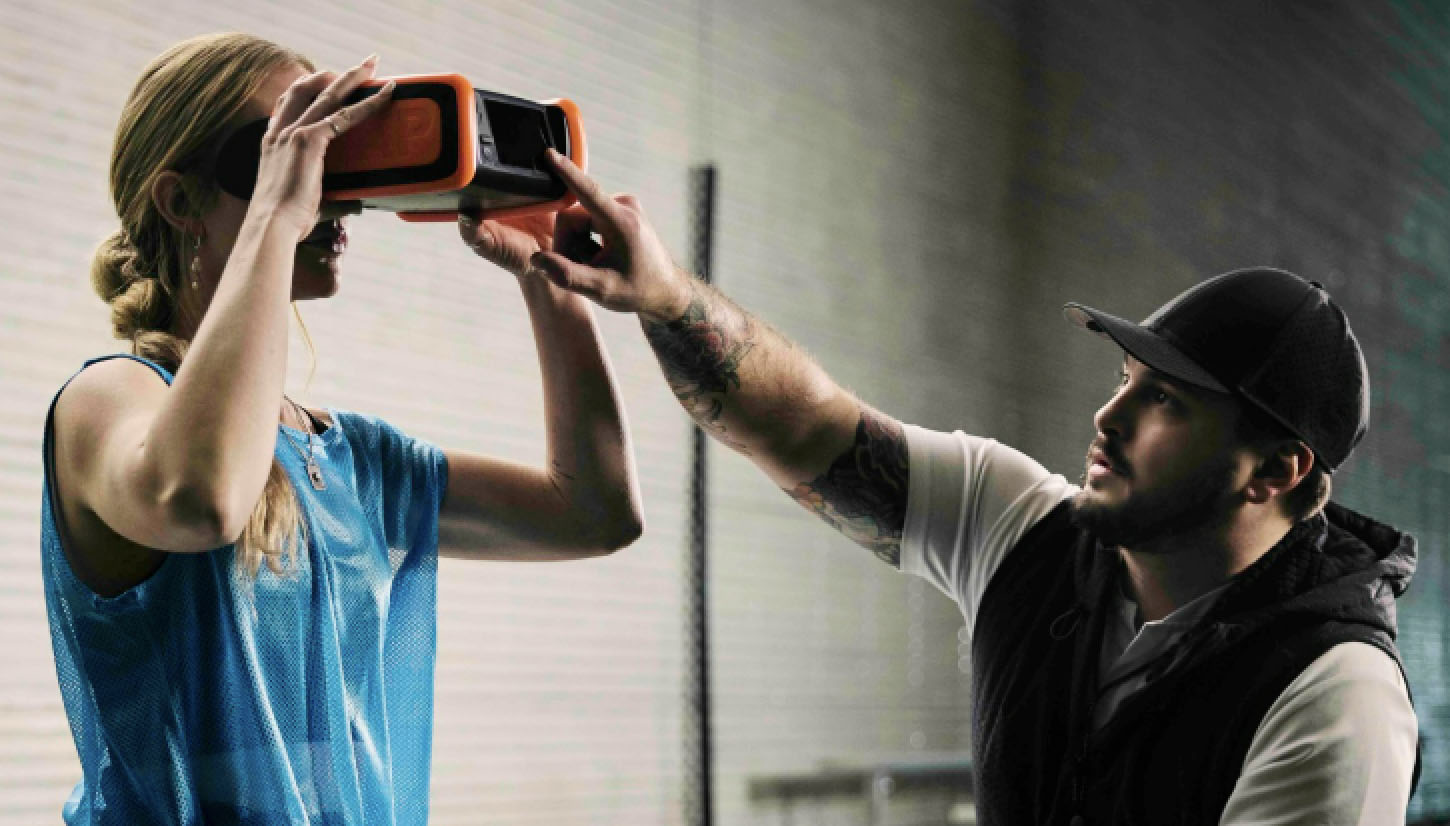
Early this month, Oculogica received FDA 510(k) clearance for SNAP, moving its eye-tracking tech closer to the moment initial concussion assessments are made. SNAP is a portable, infrared eye-tracking assessment tool that measures how the eyes move during a short visual task. These measurements are then combined with self-reported symptom severity. The product runs in just 90 seconds, does not require a pre-injury baseline, and is designed explicitely for sideline and clinical settings.
Its role is complementary to existing assessment techniques. The tool is designed to reduce reliance on manual eye-movement checks and to give practitioners a standardized signal, supporting faster decision making. SNAP was developed out of a Department of Defense-backed project, meaning that the device could eventually fit military settings. But its current 15-to-25 age label makes high school and college sports the clearest early market.
The company was founded by neurosurgeon Uzma Samadani, the sister of Oculogica CEO Rosina Samadani. According to Rosina, the early insight came from Uzma’s clinical observations. “She was watching patients in the ICU watching TV, and noticed that the way their eyes moved could tell you something about the brain,” Samadani says. Uzma’s ocular biomarker research became the center of Oculogica’s commerical thesis.
.jpeg)
Rosina joined as CEO in 2013 and helped move the technology through the medical device pathway. Oculogica explored several areas where eye tracking could reflect brain dysfunction, including concussion, cognitive decline and drug use. Some adjacent work continues, including a roadside cannabis impairment test in development with the University of Colorado and other projects the company has not yet disclosed.
For now, concussion is the company’s main commercial focus. EyeBOX received FDA De Novo clearance in 2018 as a baseline-free eye-movement aid for concussion assessment. Since then, Oculogica has received four additional 510(k) clearances for later product iterations and the use of normative data, before adding SNAP as its newest clearance.
Concussion often disrupts brain function without producing a clear finding on standard structural imaging such as MRI scans. That is why clinicians still rely heavily on symptoms and exam-based assessments. SNAP is built around eye movements, a functional signal that can be measured directly.
Tracking a visual stimulus draws on cranial nerves, visual processing, attention, coordination and vestibular function. When those systems are disrupted, the changes can appear in how the eyes move. “Eye movements are controlled by the brain,” Samadani says. “And when the brain is not functioning normally, the eyes show that.”
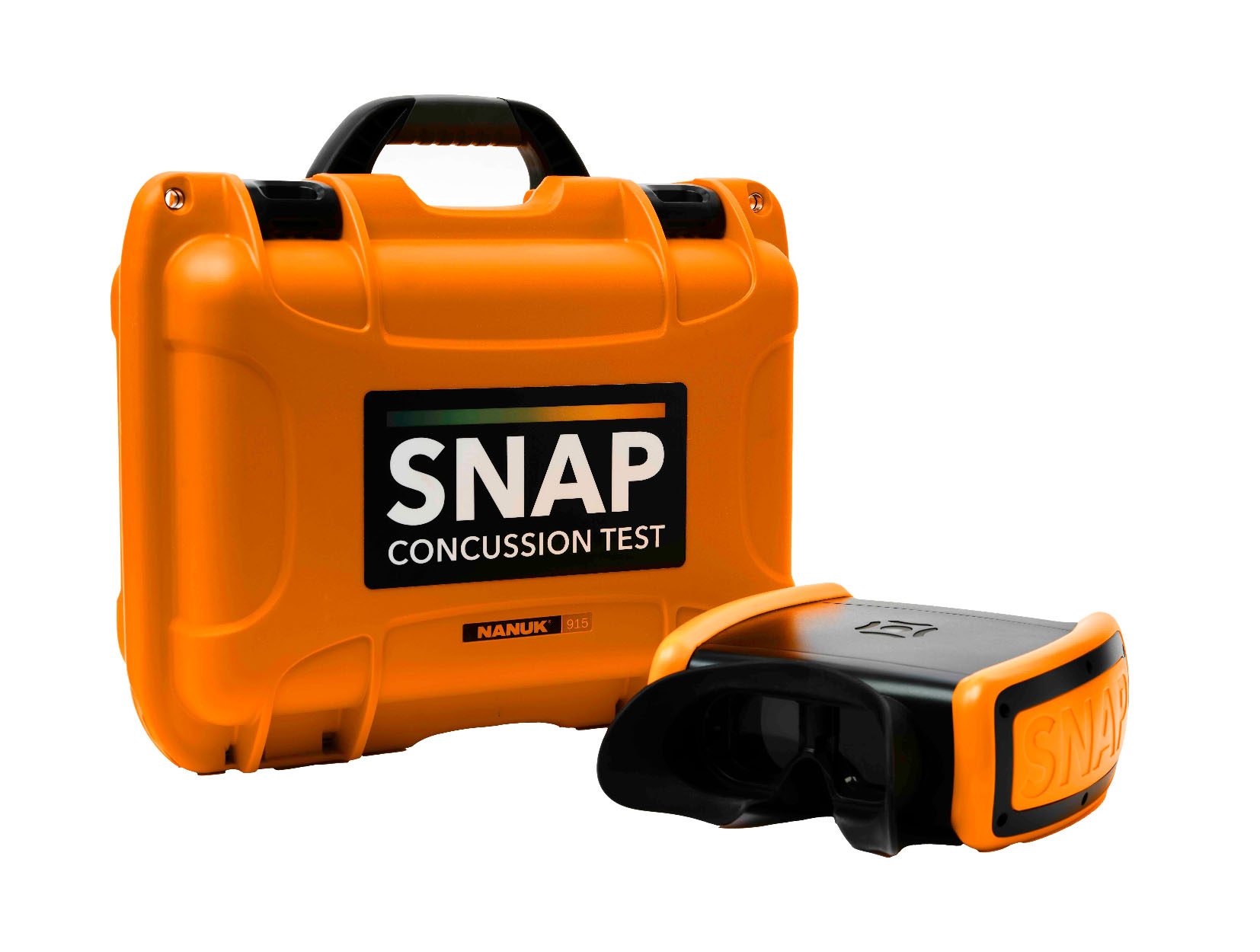
SNAP extends Oculogica’s eye-tracking product line into a faster field-based format. “EyeBOX is completely objective,” Samadani says. “SNAP is multimodal, because it incorporates symptom severity.” That addition is key for sideline use, where decisions combine symptoms, visible signs and manual checks. SNAP keeps the symptom context, but adds a standardized signal, less dependent on individual interpretations.
The 15-to-25 age label is a notable constraint. The cleared population follows from underlying research and fits high school and college sports, but Samadani says the age range also reflects how eye movements change across development. “Eyes change with age,” she says. “You cannot just assume the same algorithm works across every population.” Apply the same model to older adults, and age-related eye movement changes could create more false positives. In younger children, Samadani sees more false negatives. Oculogica is actively running studies to support expansion into broader populations.
.svg)