

Few serious runners now train without a device tracking their effort. Garmin watches, Oura rings, and Whoop straps measure pace, strain, sleep, HRV, readiness, and recovery status, turning daily training into a continuous data stream. A new group of consumer neurotech devices is now being marketed as a way to directly influence the recovery process. Pulsetto, a vagus nerve stimulation (VNS) company, put its product to the test by tracking runners preparing for the HOKA Hackney Half Marathon.
The company’s Runner Recovery Project paired personalized stimulation protocols with weekly surveys and physiological data from wearables. Pulsetto published reports on individual runners' cases, which showed improvements across self-reported measures such as freshness and wearable data like sleep scores and HRV trends. More broadly, consumer neurotech has found its entry point in exercise, where recovery, readiness, focus, and fatigue can all be treated as variables to measure and modulate.
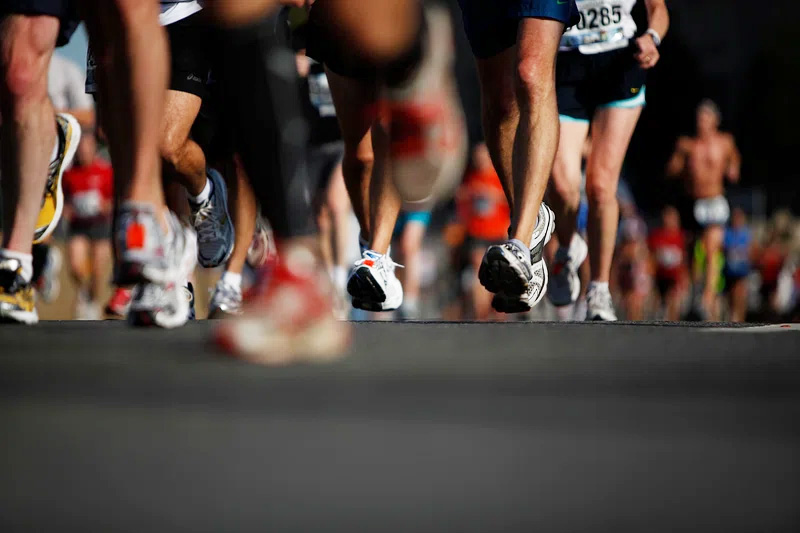
Pulsetto launched the HOKA Hackney Half Marathon Runner Recovery Project around last week’s Global Running Day. The project looked at whether vagus nerve stimulation could support recovery, training readiness, sleep quality, and stress resilience during endurance training. Runners completed baseline assessments, followed personalized stimulation protocols designed by Pulsetto’s clinical team, and were tracked through weekly surveys and wearable metrics including HRV, sleep scores, and recovery readiness.
The company highlighted two runner cases. Nicholas Bester, an elite runner training more than 140 kilometres per week, used Pulsetto after hard sessions and before bed. Pulsetto reported that his HRV improved, while his self-rated freshness increased from 7 out of 10 to 9 out of 10. Michael Adeniran, a father of two managing limited sleep and daily stress, reported that evening unwinding and morning freshness improved from a 3 to an 8. Pulsetto also said his wearable data showed higher sleep scores later in the protocol, and that he ran his fastest half marathon of the year.
Pulsetto frames its product as a proactive nervous system training system. It boasts more than 300,000 users globally, has introduced a personalized Stress Resilience Score, and has built significant visibility through athlete ambassadors including NBA players Jonas Valančiūnas, Domantas Sabonis, and Matas Buzelis. The HOKA running project fits their commercial strategy to enter the consumer exercise space, where avid amateur athletes increasingly spend on measurement and recovery tech.
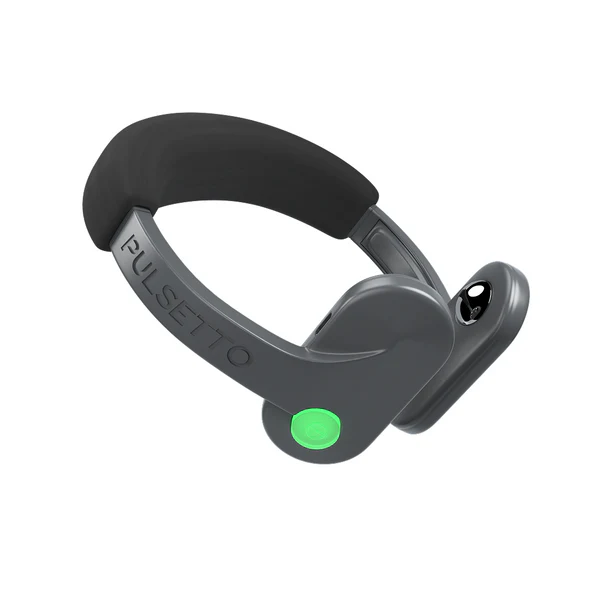
Pulsetto puts strong emphasis on building a more formal evidence base around its consumer claims. In a four-week randomized, open-label study, the firm tracked hair cortisol, cortisone, PHQ-9, GAD-7, and PSQI in 37 participants. The study reported reduced hair cortisol across the full sample, stronger effects in the bilateral stimulation group, and improvements in self-reported depression, anxiety, and sleep quality.
A separate real-world sleep analysis looked at anonymized consumer data from 36 users and 969 nights, collected through Garmin, Apple Watch, and Oura. The observational study reported an estimated 35 to 40-minute increase in total sleep time from week one to week six, while noting that variability in consumer-generated data limits causal interpretation.
Vagus nerve stimulation is not a new category. The vagus nerve, a major parasympathetic pathway carrying signals between the brain, heart, lungs, and digestive system, has been explored extensively in medical settings. Here, implanted devices deliver electrical impulses to the nerve, treating conditions such as epilepsy and depression. The growing class of consumer devices generally sits in the transcutaneous category, stimulating the nerve through the skin at either the neck or ear.
That maps neatly onto recovery. Endurance training produces a muscular, cardiovascular, and autonomic load. Recovery depends partly on parasympathetic reactivation. A recent Nature study tested auricular transcutaneous VNS after treadmill walking in 60 physically inactive young adults. The stimulation group showed larger reductions in blood pressure, blood lactate, and perceived fatigue, while several HRV measures followed similar recovery patterns across groups.
VNS is not the only modality explored in the context of recovery. Apollo Neuro uses low-frequency vibration to regulate the nervous system, HRV, sleep, stress, and recovery. Halo Sport offers a historical example. The headset used transcranial direct current stimulation over the motor cortex for “neuropriming” during training. Some studies found tDCS’s effects on muscular endurance inconsistent, and Halo has since pivoted to a more general wellness angle.
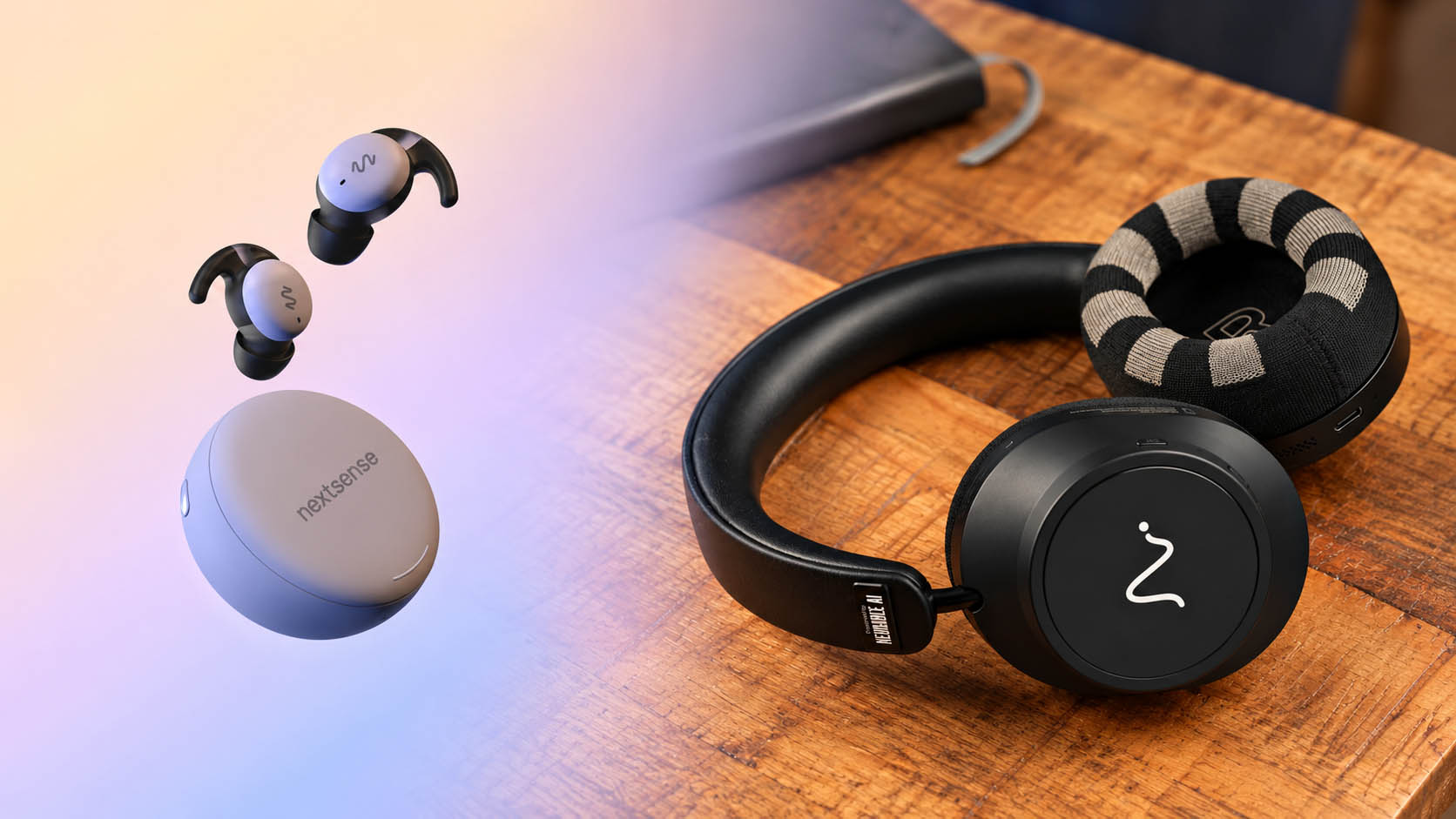
Beyond stimulating the nervous system, there has been a trend in consumer products reading signals from in and around the brain. Indian startup Temple is developing a temple-worn device for training, recovery, work, and sleep, using the temporal region as a site for cleaner physiological signals than wrist-worn wearables. US-based Atlas focuses more explicitly on the brain. The company was selected into the NBA Launchpad 2026 cohort with an EEG wearable measuring “Cognitive Clarity,” a metric supposedly measuring readiness for focused and demanding thinking.
Produced with support from

%20copy.jpg)





.svg)

