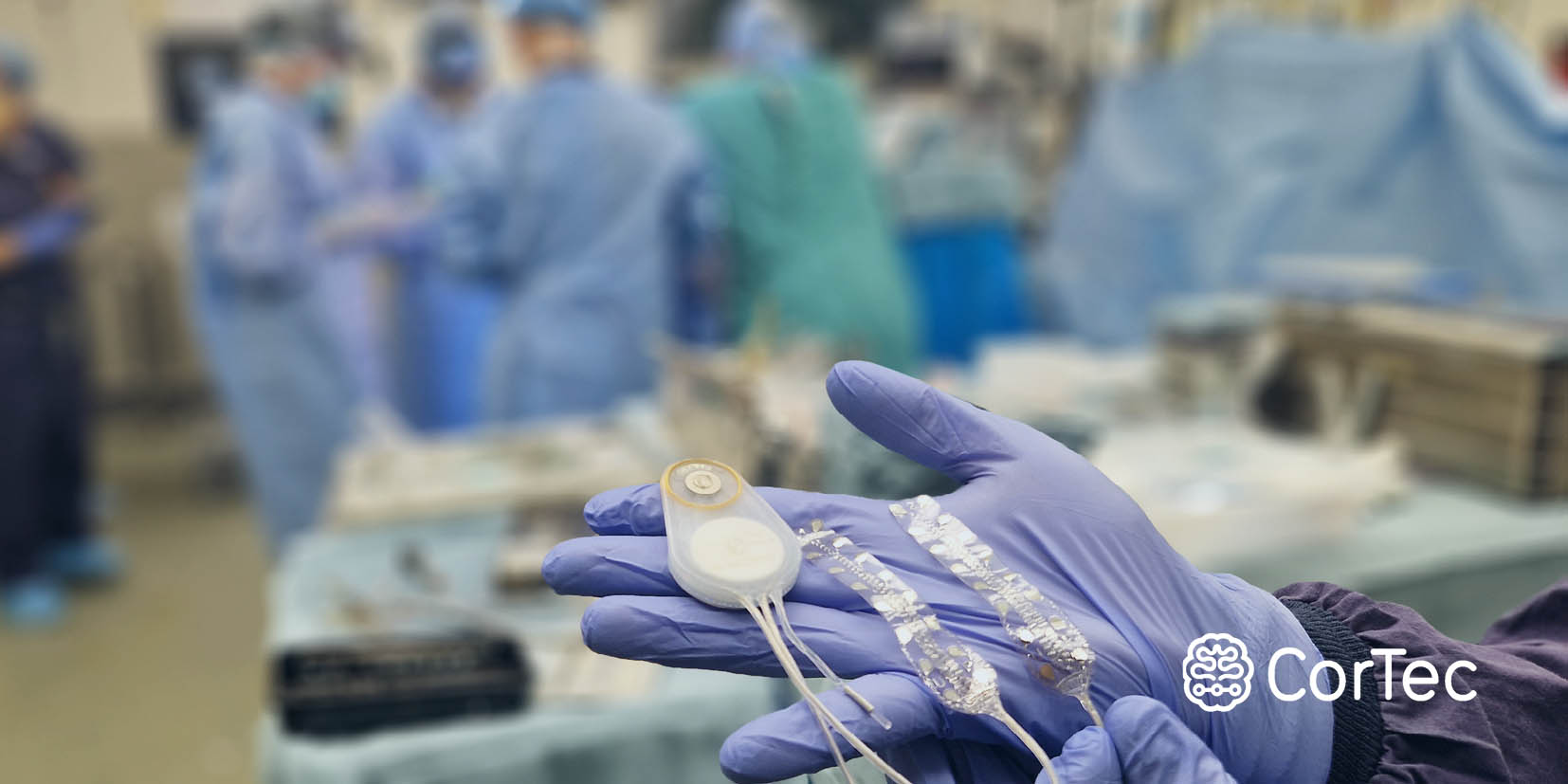
One of neurotech’s most promising clinical applications has moved a step closer to patients. Motif Neurotech has received permission to begin testing its bioelectronic depression implant, a small device designed to sit in the skull and deliver stimulation without penetrating the brain. But as the implant gets smaller and less invasive, its performance depends increasingly on the semiconductor layer underneath it.
Last month, Motif received an FDA Investigational Device Exemption to begin RESONATE, its first clinical trial in treatment-resistant depression. Days later, it announced a multi-year supply partnership with MintNeuro for purpose-built neural interface chips. Motif’s clinical path is now tied to a hardware stack where power, sensing, stimulation, heat, and reliability need to be optmized at the chip level to enable a rollout to a growing patient population.
In late April, Motif Neurotech received FDA Investigational Device Exemption to begin the RESONATE Early Feasibility Study, its first clinical trial for treatment-resistant depression. The study will evaluate the Motif DOT-XCS System in adults who have not found relief from two or more antidepressant medications. The trial is planned across up to eight institutions and will assess whether the system can be implanted, operated, and tolerated safely in patients with treatment-resistant depression.
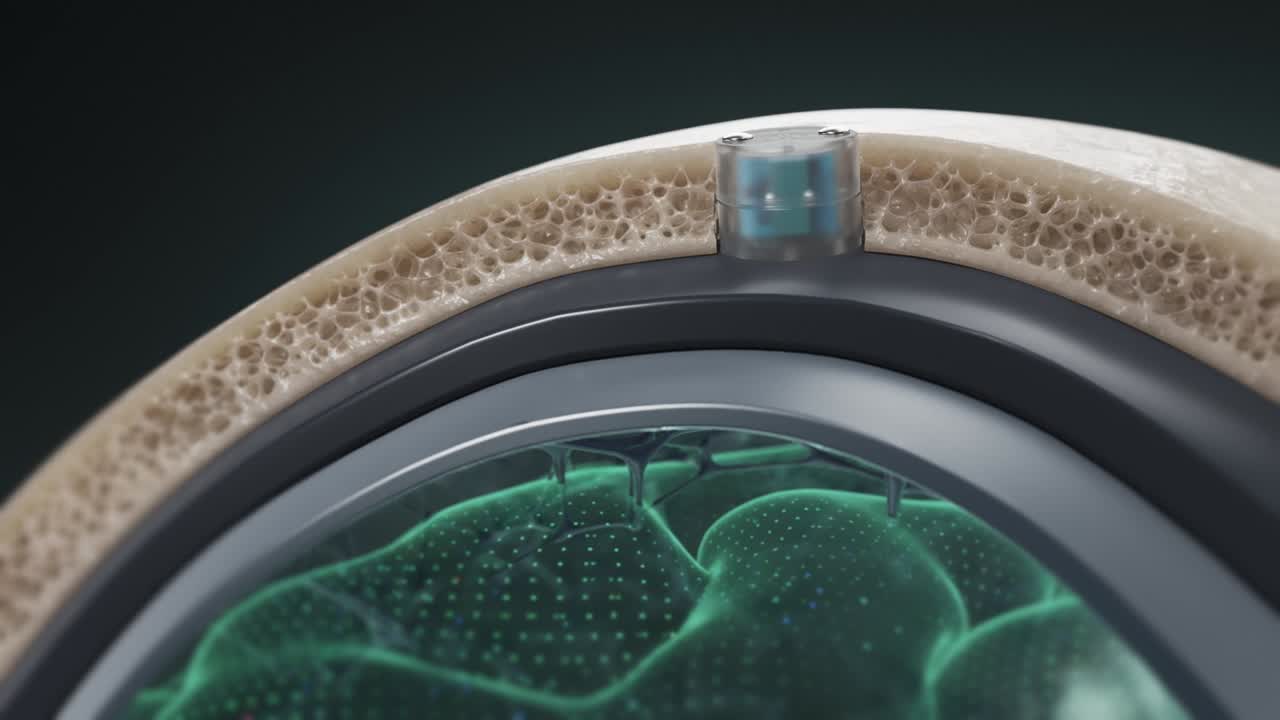
Motif is a Houston-based therapeutic BCI company, founded in 2022, developing implantable neuromodulation technologies for mental health. DOT is the implant at the centre of its XCS System, a small, wirelessly powered device designed to deliver electrical stimulation to a brain region associated with depression treatment. It is implanted in the skull, without exposing, penetrating, or directly contacting the brain, placing it between external neuromodulation, like tDCS, and more invasive implanted systems, like DBS implants.
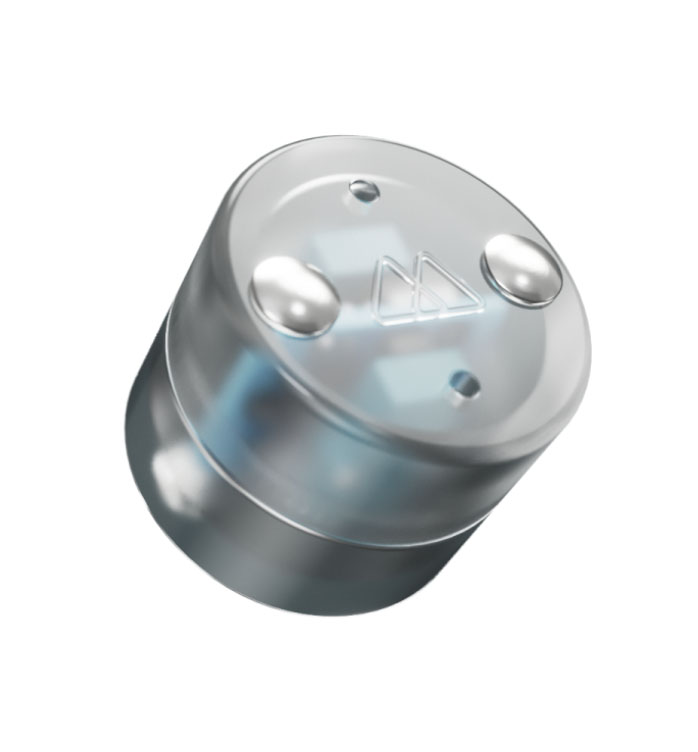
The design is built around that trade-off. Motif is trying to preserve some of the durability and anatomical specificity of an implanted system, while avoiding implanted batteries, leads, and direct tissue contact. DOT’s form factor is roughly the size of a blueberry and designed for placement in a short outpatient procedure. Its miniaturisation is enabled by wireless power technology developed at Rice University and exclusively licensed by Motif.
The IDE follows a longer development path. In January 2024, Motif raised an oversubscribed $18.75 million Series A to advance its miniature implantable stimulator. The company later became part of ARIA-linked work through Brain Mesh, a project involving Rice and MintNeuro to develop distributed networks of ultra-small wireless neural implants. It was also selected for ARPA-H’s EVIDENT programme, focused on objective measures for behavioural health and neuromodulation.
Days after the IDE announcement, MintNeuro and Motif announced a strategic partnership around the semiconductor layer behind Motif’s implant. The agreement combines MintNeuro’s purpose-built neural reading and stimulation chips with Motif’s ultra-miniaturised therapeutic implant platform. It is structured as a multi-year commercial supply agreement, giving Motif access to MintNeuro neural interface integrated circuits across preclinical, early clinical, and pivotal study phases.
“For neural implants, the semiconductor layer defines what the system can physically and clinically achieve,” states MintNeuro CEO, Dorian Haci. Generic electronics can support early prototypes but are not designed around the combined constraints of a fully implantable system. In Motif’s case, those constraints include ultra-low power, small form factor, neural sensing quality, precise stimulation, safety, reliability, and strict thermal and energy limits.
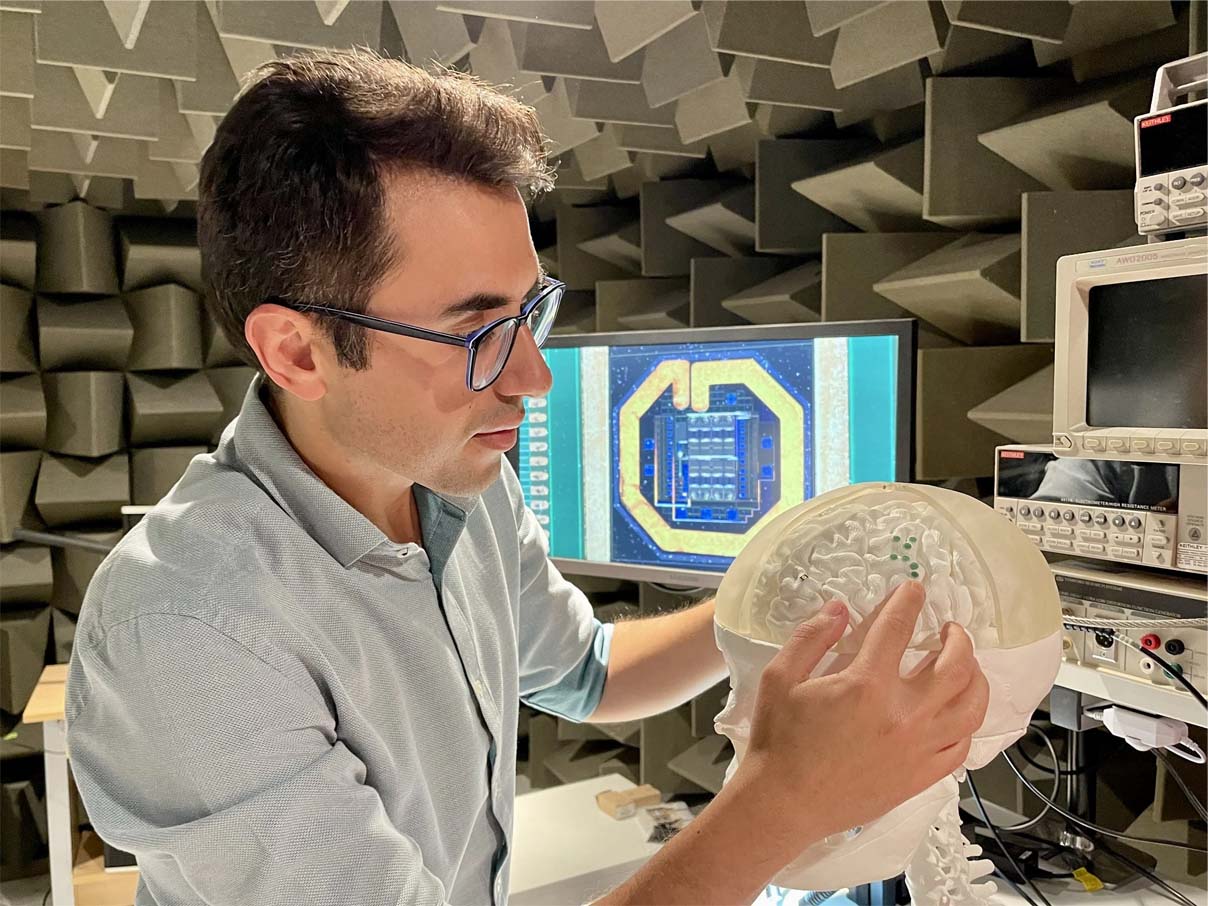
Motif’s implant architecture leaves little room for inefficiency. “Motif is developing an extremely small therapeutic implant, so every cubic millimetre and every microwatt matters,” Haci says. In that kind of system, the chip is not a commodity component added late in development but part of defining what the implant can be, how small it can become, how safely it can operate, and how well it can support Motif’s clinical roadmap.
The hardest chip-level constraint is not one single variable, says Haci. Power affects heat, safety, wireless power requirements, and long-term operation. Size affects how minimally invasive the implant can be. Signal quality matters because neural signals are small and easily affected by noise. Each improvement creates trade-offs elsewhere: reducing size can worsen power and noise performance, improving signal quality can increase power consumption, and adding functionality can complicate integration and reliability.
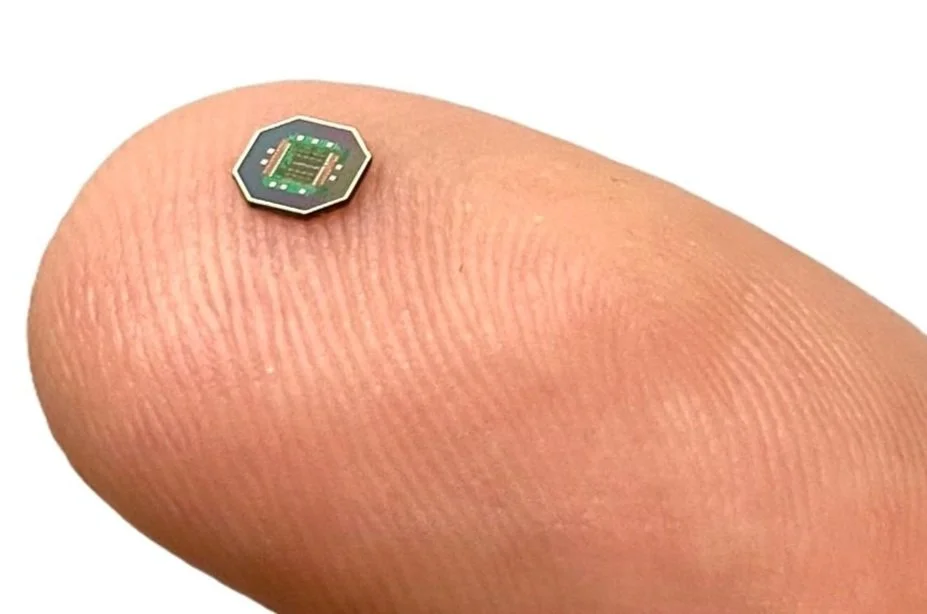
In that sense, MintNeuro’s role goes beyond supplying a smaller chip, giving Motif access to a specialised semiconductor capability that would be difficult and expensive to build internally. Haci notes that custom chip development would require mixed-signal IC designers, neural interface circuit IP, EDA software, foundry access, packaging expertise, testing infrastructure, validation capability, and multiple silicon iterations. For a clinical-stage device company, building that organisation would compete directly with therapy development, regulatory work, and clinical execution.
The partnership also shapes MintNeuro’s own roadmap. “The collaboration gives the company direct feedback on what matters most in a miniature implant: which specifications are critical, which trade-offs are acceptable, and where semiconductor integration can create the most value,” says Haci. The work has already moved into hardware validation, with MintNeuro’s sensing chip integrated into Motif devices used in preclinical work.
The Motif and MintNeuro partnership sits inside a broader public research push. Both companies are part of ARIA’s Precision Neurotechnologies programme, a £69 million effort to develop new ways of interfacing with the brain at the circuit level. One relevant project is Brain Mesh, a £4.7 million collaboration involving Motif and MintNeuro to develop distributed networks of ultra-small wireless neural implants for mental health applications.
ARIA provides the firms with wider infrastructure context, linking ultra-small wireless implants, sensing, stimulation, and circuit-level interfaces into a broader neurotechnology stack. “We believe neurotech will increasingly move towards shared infrastructure layers, especially at the semiconductor level,” Haci says. With that, therapeutic neurotech is increasingly looking like a layered, integrated supply chain.
.svg)








%20copy.jpg)