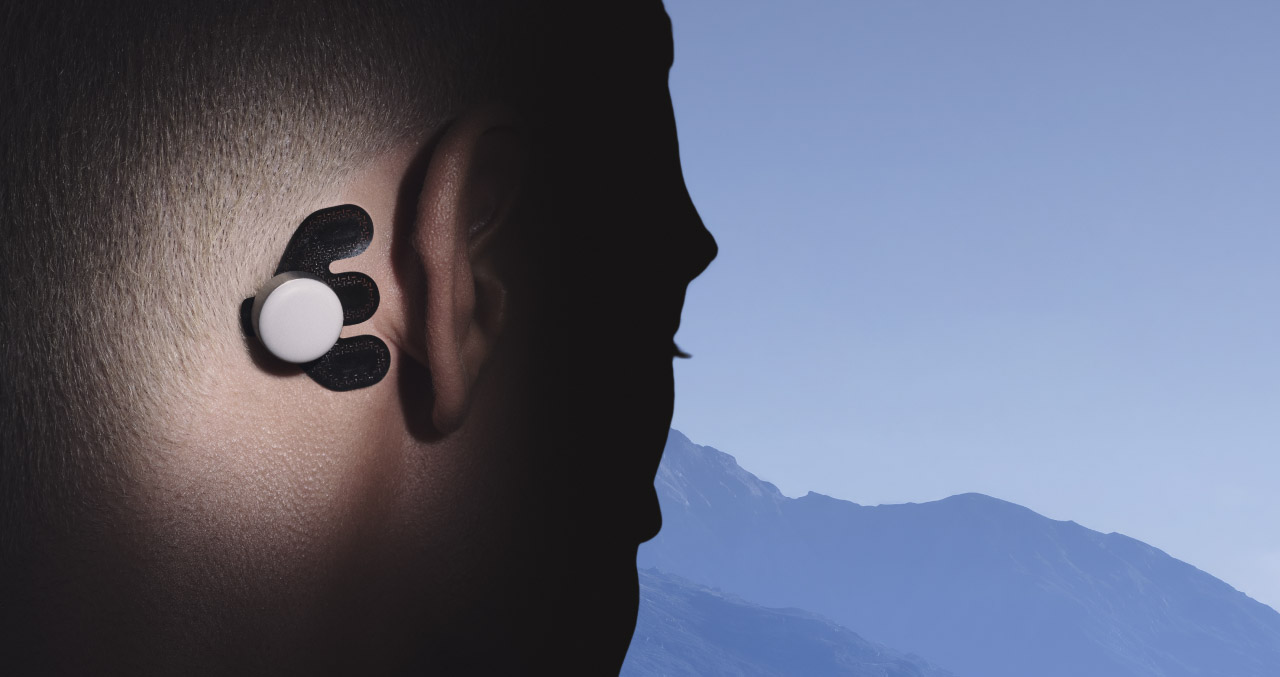
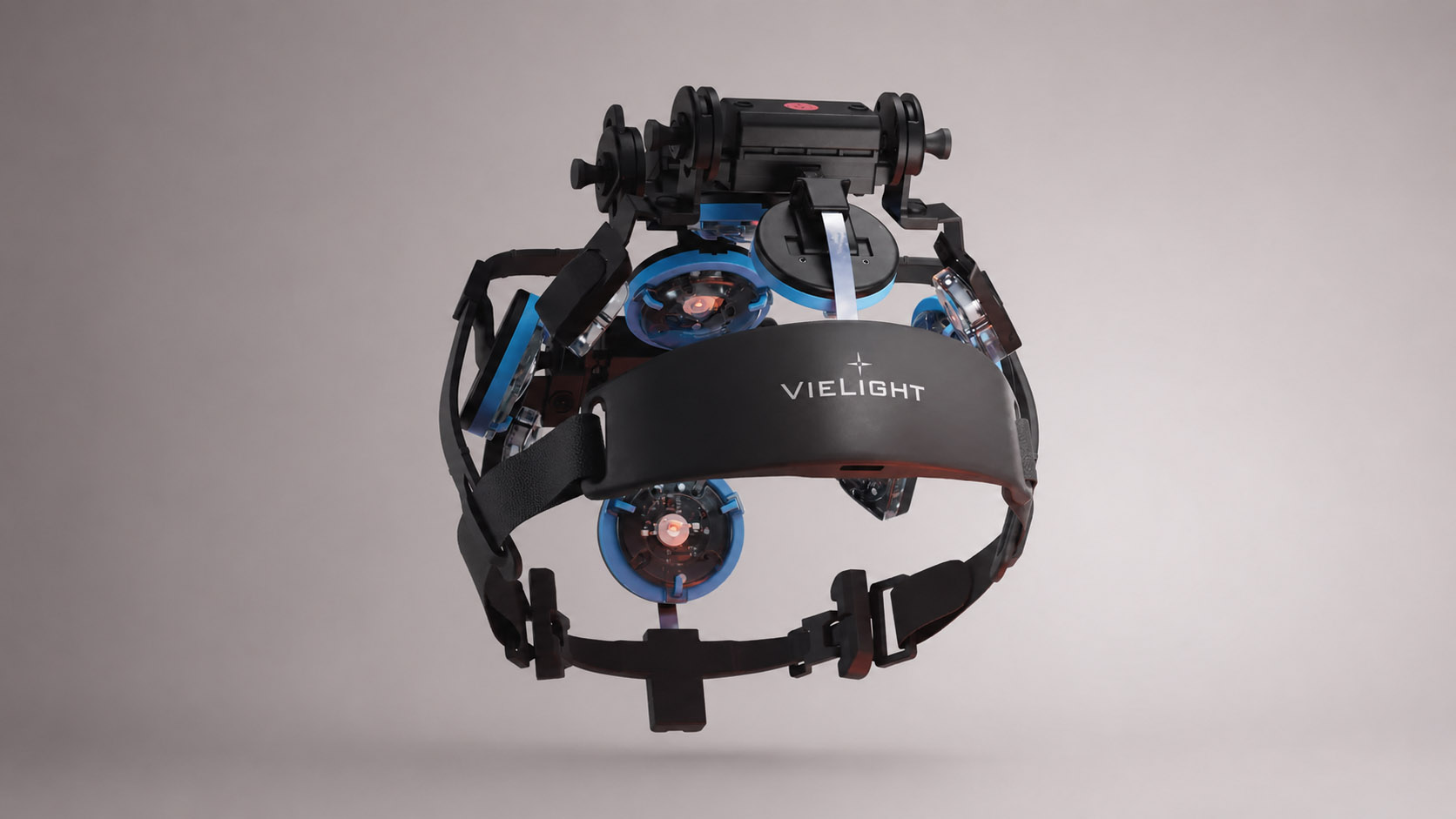
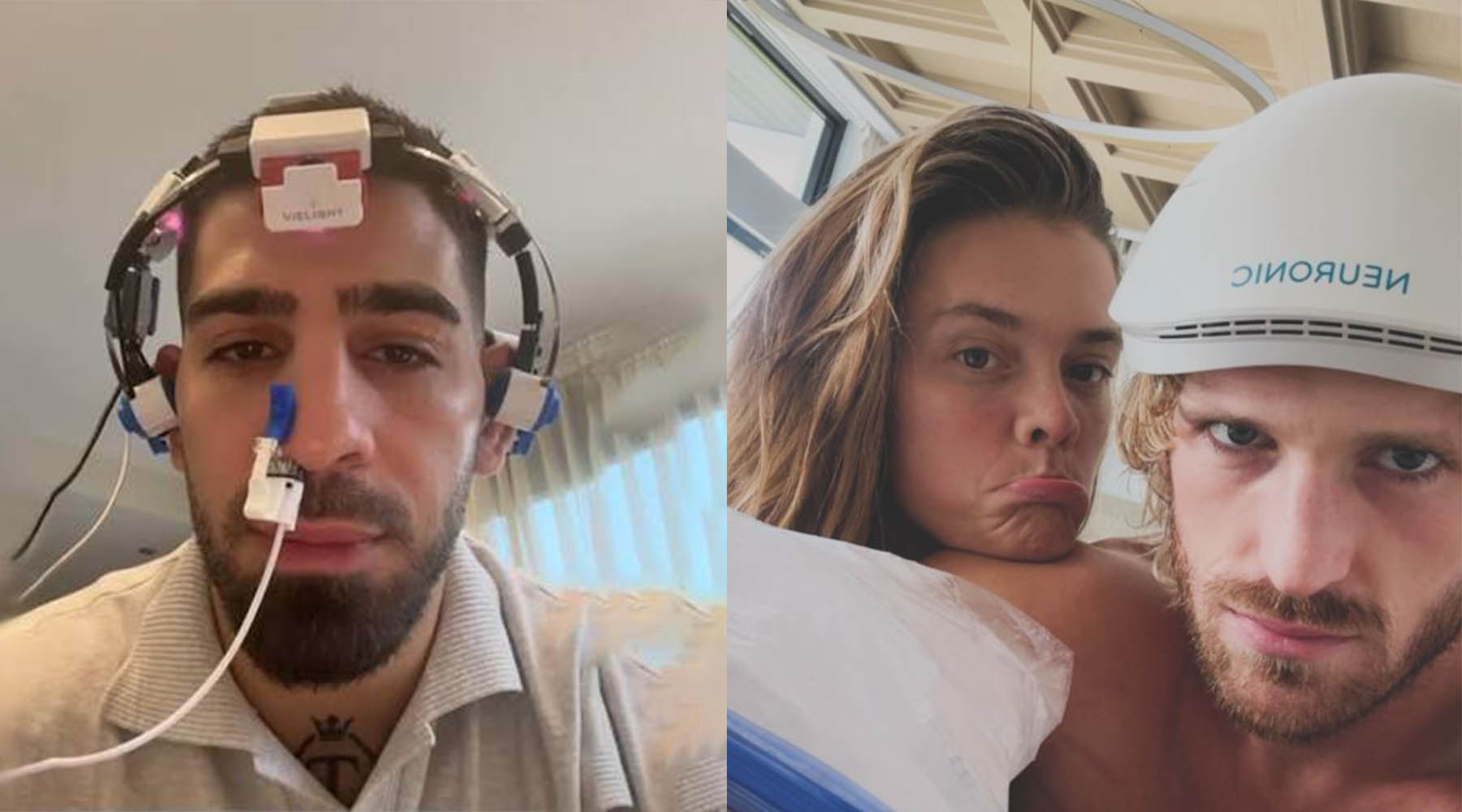
A giant headset with an extension that clips onto your nose and shoots light into your brain. Even for neurotechnology, photobiomodulation can appear peculiar. But the technique, which uses red or near-infrared light to influence cellular metabolism and potentially affect brain function, is increasingly entering wellness. Neuronic’s helmet recently appeared on Logan Paul’s social media, while Vielight’s nasal-clip system was used by UFC fighter Ilia Topuria ahead of his White House fight.
Photobiomodulation has been sold as a wellness technology for more than a decade, but companies like Vielight are now pushing it into clinical use. Beyond adoption in UFC and NASCAR, the Canadian company has backed randomized studies across cognition and neurological conditions. That work is now moving into its larger test, as University of Utah and NYU researchers initiate a four-year, $4.6 million Department of Defense-funded study of Vielight’s technology in 300 people with persistent mild traumatic brain injury.
Founded by Lew Lim in Toronto in 2012, Vielight has spent more than a decade developing photobiomodulation for home use. Its Vielight Neuro device line combines LEDs positioned around the head with an intranasal emitter, allowing users to self-administer sessions outside the clinic. The products are sold as general wellness devices, even as the same hardware has increasingly appeared in neurological research.
That research has ranged from early dementia case studies to work in traumatic brain injury and cognition. Vielight’s latest results came in June from a randomized, sham-controlled pilot in 20 adults with mild cognitive impairment. Participants used the device at home six days per week for six weeks, with researchers assessing cognition alongside metabolic and functional brain measures.
The active group improved more than placebo on global cognition and episodic memory, alongside changes in mitochondrial metabolism, inflammation, and default mode network connectivity. While promising, the results remain early. The study was small and single-blind, and Vielight founder Lew Lim was among its authors. The researchers themselves called for larger, double-blind multicenter trials.
Outside the clinic, Vielight has been positioning the same technology around brain performance and recovery. It formalized a partnership with UFC fighter Ilia Topuria this summer after several years of use within his training camp. “It sharpens my focus and speeds up my recovery,” Topuria said in company materials. Vielight has since expanded into NASCAR through a partnership with Haas Factory Team.
The sports push overlaps with a more clinical question around repeated head impacts. A recent randomized study featuring 26 NCAA Division I football players found that several MRI markers changed over a season in the sham group, while remaining comparatively stable with Vielight treatment. The study was exploratory, but it gives the company’s performance push a second angle around neurological resilience that is now attracting considerably larger research efforts.
The science behind PBM starts at the cellular level. Red and near-infrared photons are thought to interact with mitochondrial processes, particularly cytochrome c oxidase, with downstream effects on ATP production, blood flow, and inflammatory signaling. Applied to the brain, the hypothesis goes that these metabolic effects can influence cognition and recovery without electrically stimulating neurons directly. The exact mechanisms and optimal dosing remain unsettled.
That uncertainty has produced several approaches to the same tech. Vielight typically uses 810 nm light, with its Alpha and Gamma protocols pulsing the light at 10 Hz and 40 Hz, respectively. The frequencies correspond to major bands of neural oscillation, adding a potential neuromodulatory layer on top of PBM’s cellular effects. Companies like Neuronic take a different approach, using 1070 nm light across a broader helmet-based array.
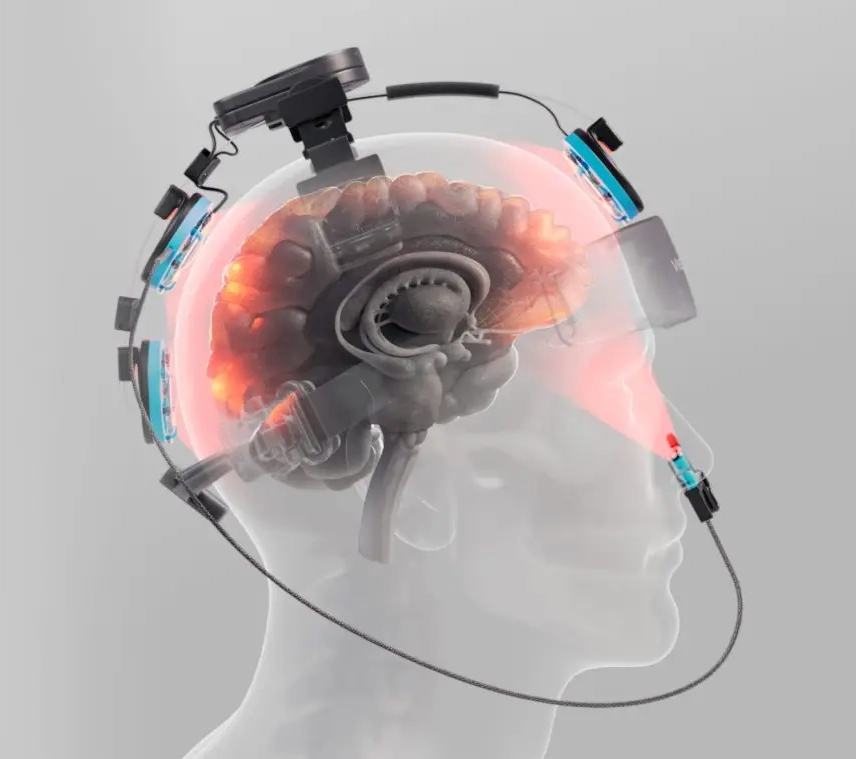
The next scientific test for Vielight is considerably larger. Researchers from the University of Utah and NYU received $4.6 million from the Department of Defense for a four-year study enrolling 300 service members, veterans, and first responders with persistent mild TBI symptoms. Participants will receive PBM, PBM combined with cognitive rehabilitation, or sham treatment, using Vielight’s headset and nasal-light setup.
The study also captures how perceptions of the field are changing. “When Lisa and I first started, we thought this was snake oil,” Utah researcher Carrie Esopenko said of her early work with Elisabeth Wilde, who now co-leads the DoD-funded trial. Their subsequent studies ultimately led them to pursue the larger study. The coming four years should provide more established insights into whether PBM’s early signals translate into clinical benefit.
.svg)