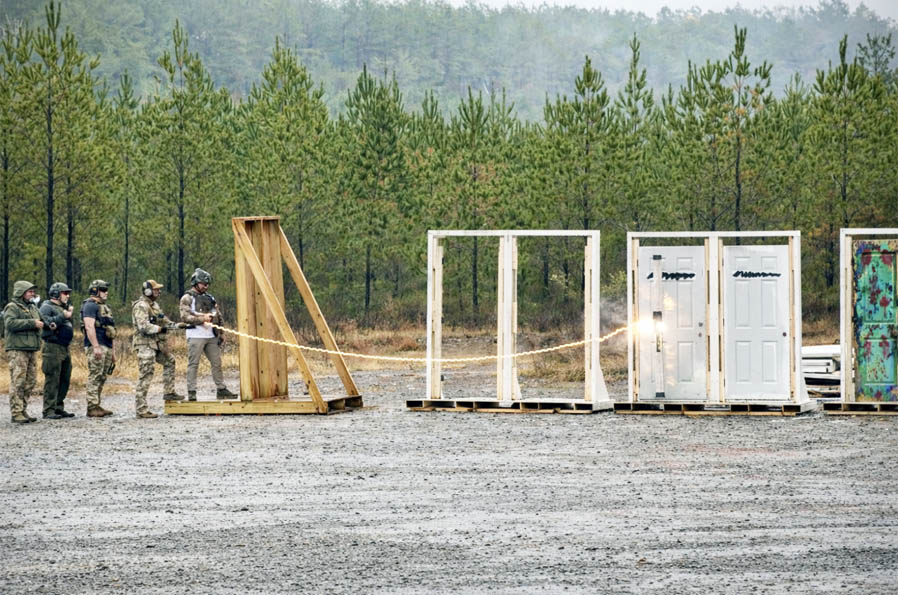
When soldiers conduct "breaching" operations, that is, blowing open doors and barriers with explosives, they accept that some risk comes with the job. What we’ve never had before is a live, objective window into what those blasts are actually doing to their brains, in real time, as it's happening.
Neurable just opened that window. In a white paper published this month, the Boston-based consumer neurotech company presented what it describes as the first-ever neural dataset collected during live blast overpressure exposure. The study followed military and law enforcement personnel through a multi-day explosive breaching training program, monitoring their brain activity continuously before, during, and after detonations. All while using a piece of equipment that looks, and functions, like ordinary hearing protection.
Military personnel working with explosives face a poorly understood risk: repeated low-level blast exposure. These are subtle, cumulative neurological insults; the kind that might not show up on a scan, and that soldiers themselves often don't report because they feel fine, or because post-explosion adrenaline, confusion or even soldiers’ entrained toughness masks early symptoms.
The deeper problem is timing. Past literature indicates that the first 10 to 60 minutes after a mild traumatic brain injury are critical, often characterised by specific brainwave changes; yet without real-time monitoring, these transient but diagnostic signals are often missed. Traditional neuroimaging happens hours or days after the fact. By then, the most important window is already closed.
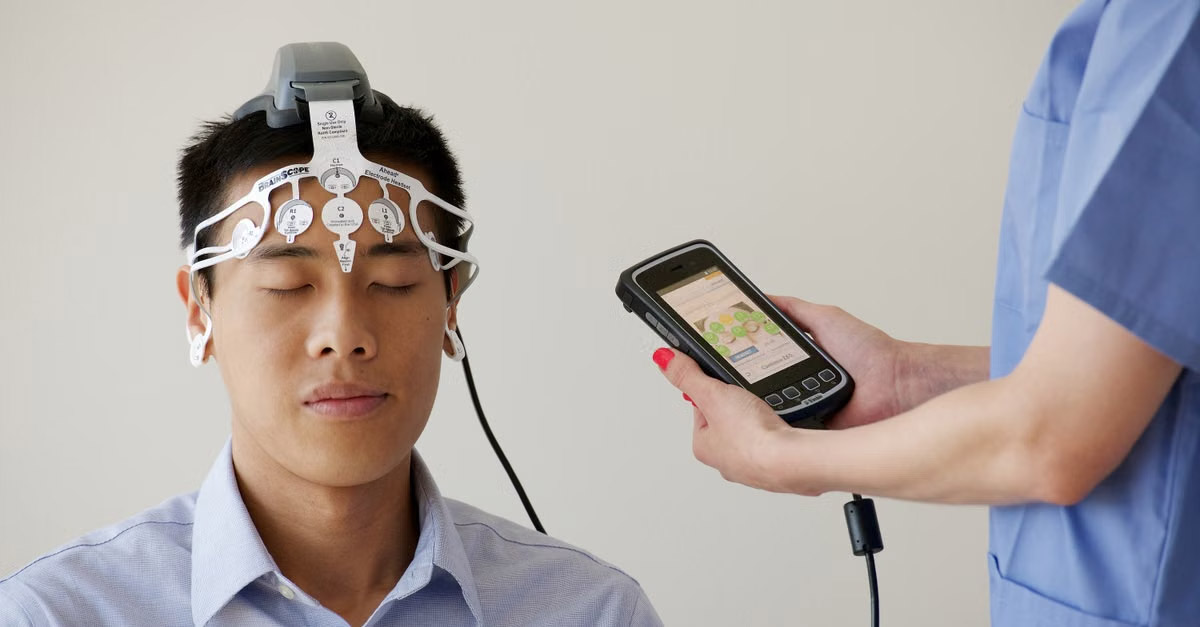
Neurable embedded EEG sensors directly into military headsets, in this case, the Ops Core hearing protection headset that military operators already wear during such drills. The resulting product, the AMP Neuro, retains the original headset's capability and safety profile while collecting high-fidelity brain health data in operational environments.
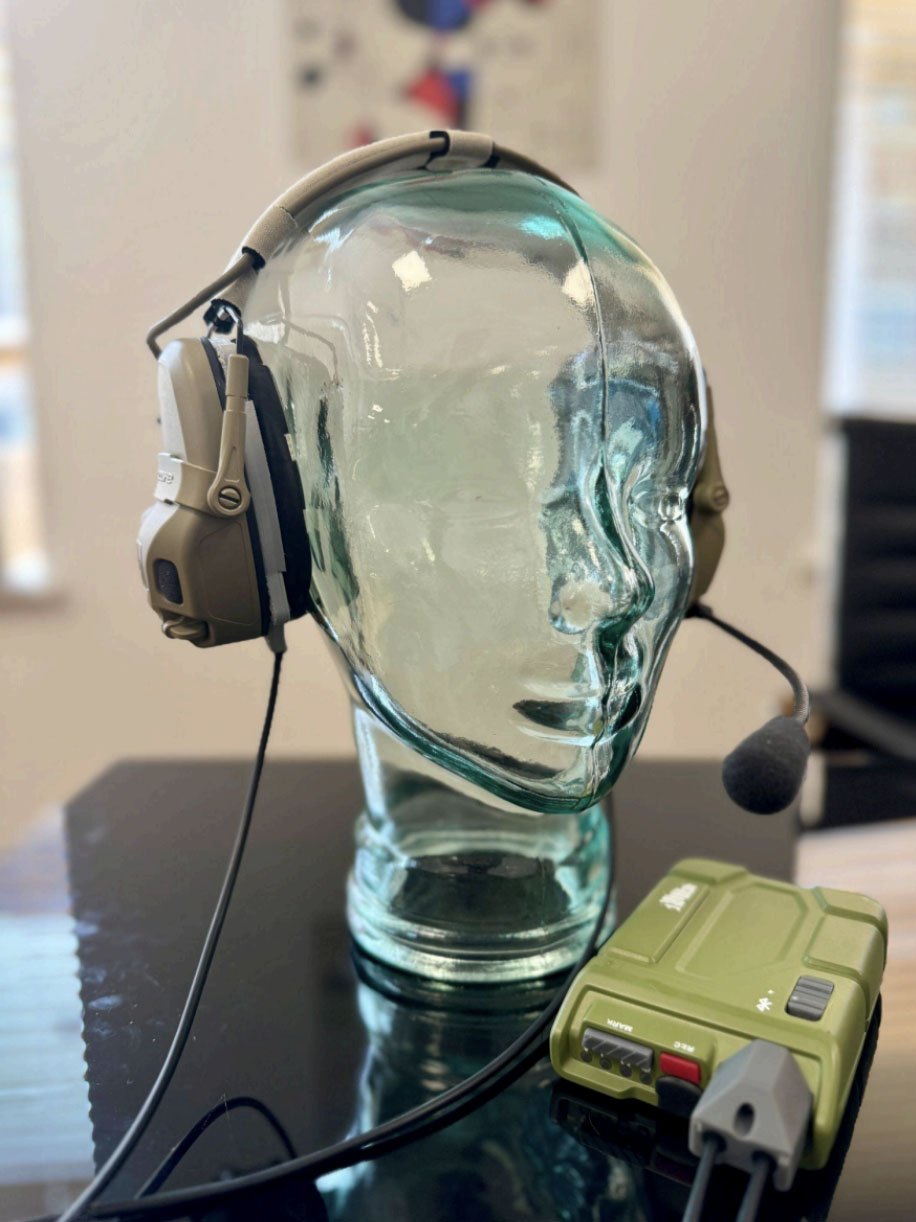
Six participants took part in the study, a mix of experienced instructors and newer trainees. All subjects participated in breaching operations as part of their existing training activities. No blast exposures were added specifically for the study. This was real work, with real explosives, and Neurable was passively recording the whole time.
Data collection happened in two ways: brief "cognitive snapshots" before and after exercises (a couple of minutes of sitting still with eyes open and closed), and continuous passive recording during live fire events.
The brainwave results were striking. Across the cohort, analysis revealed increased Theta power, increased Delta power, and reduced Alpha power over the course of the training week.
Theta and Delta are slow brainwave frequencies associated with reduced alertness, fatigue, and brain injury. Alpha waves are dominant in calm resting states. This neural strain pattern--slow waves up, fast waves down--is a signature of mild traumatic brain injury, and blast participants showed changes beyond that of the control group.
Even more telling: in at least one participant, a distinct Theta ramp-up appeared approximately 10 minutes after blast exposure; precisely the onset window the clinical literature predicts, but never before observed live in the field. Crucially, the brainwave changes tracked with functional consequences: dizziness, disorientation, trouble concentrating, blurred vision. The signal reflected the symptom.
For years, EEG data collection had to be meticulous--sit still, don’t sweat, gel throughout the hair, locked in a near Faraday cage--lest we degrade the signal. Neurable’s motion artefact algorithms and dry electrode hardware are streadily pushing past that barrier. Arguably for the first time at scale, we can now record brain activity in real-world, high-stress, physically demanding environments and link those live signals to cognitive and neurological outcomes.
If neurophysiological changes can be captured during blast exposure, the same model could extend to other operational settings, from construction and emergency response to aviation. A physiological layer alongside subjective reporting would create a firmer basis for decisions around cognitive strain, fatigue, and stress risk. Over time, continuous wearable EEG across previously unrecordable environments can sharpen our understanding of how the brain responds under demanding real-world conditions.
[Image credit: Neurable]
.svg)