

For many people, vivid dreaming gets less frequent with age. The lucid dreams of childhood become something to reminisce about, while the occasional night when they return feels like a brief retreat from reality. For the most avid dream-chasers, psychological techniques already claim to support lucid dreaming. Prophetic, a San Francisco neurotech startup, is now making a more direct claim, having just announced a neurostimulation device that, it says, directly induces lucid dreaming.
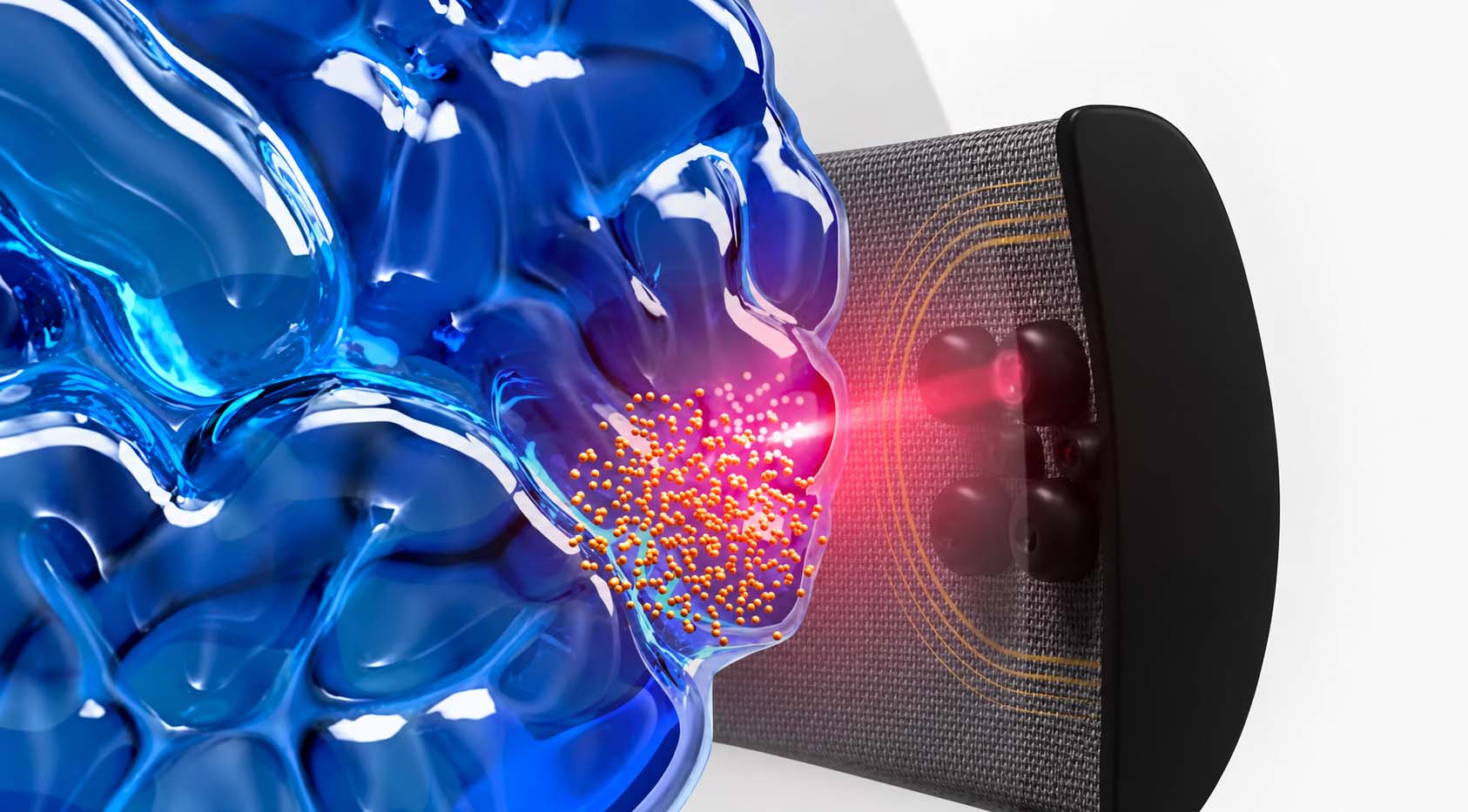
Consumer neurotech has been chasing a dream device for more than two decades. Earlier products largely relied on sensory cues, sleep-stage detection, or electrical stimulation, often built around the idea that the prefrontal cortex becomes more active during lucid dreaming. Prophetic instead uses focused ultrasound, a modality rarely seen in consumer neurotech. For its Dual and Phase devices, that is both the main differentiator and the central question. There is some research supporting the broader premise, but a commercially successful neurotech device inducing lucid dreaming would still be a first.
Prophetic was founded in 2023 by Eric Wollberg and Wesley Louis Berry to build a consumer device that can reliably induce lucid dreaming. The company first drew attention with its Halo prototype. This prototype was introduced with some serious claims, including that it would soon be possible to work inside your dreams, a claim that reminds readers more of Inception than the current state of consumer neurotech.
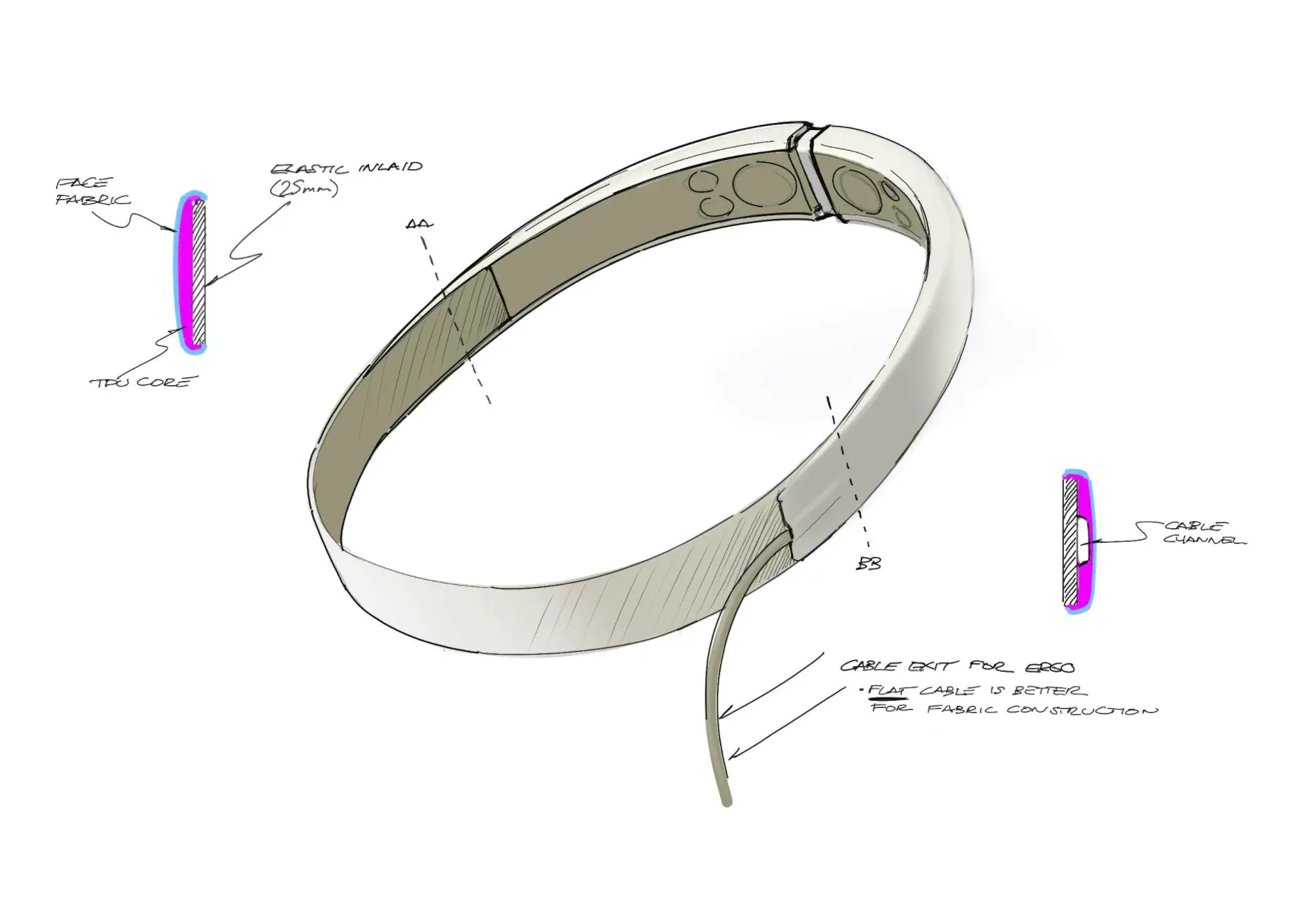
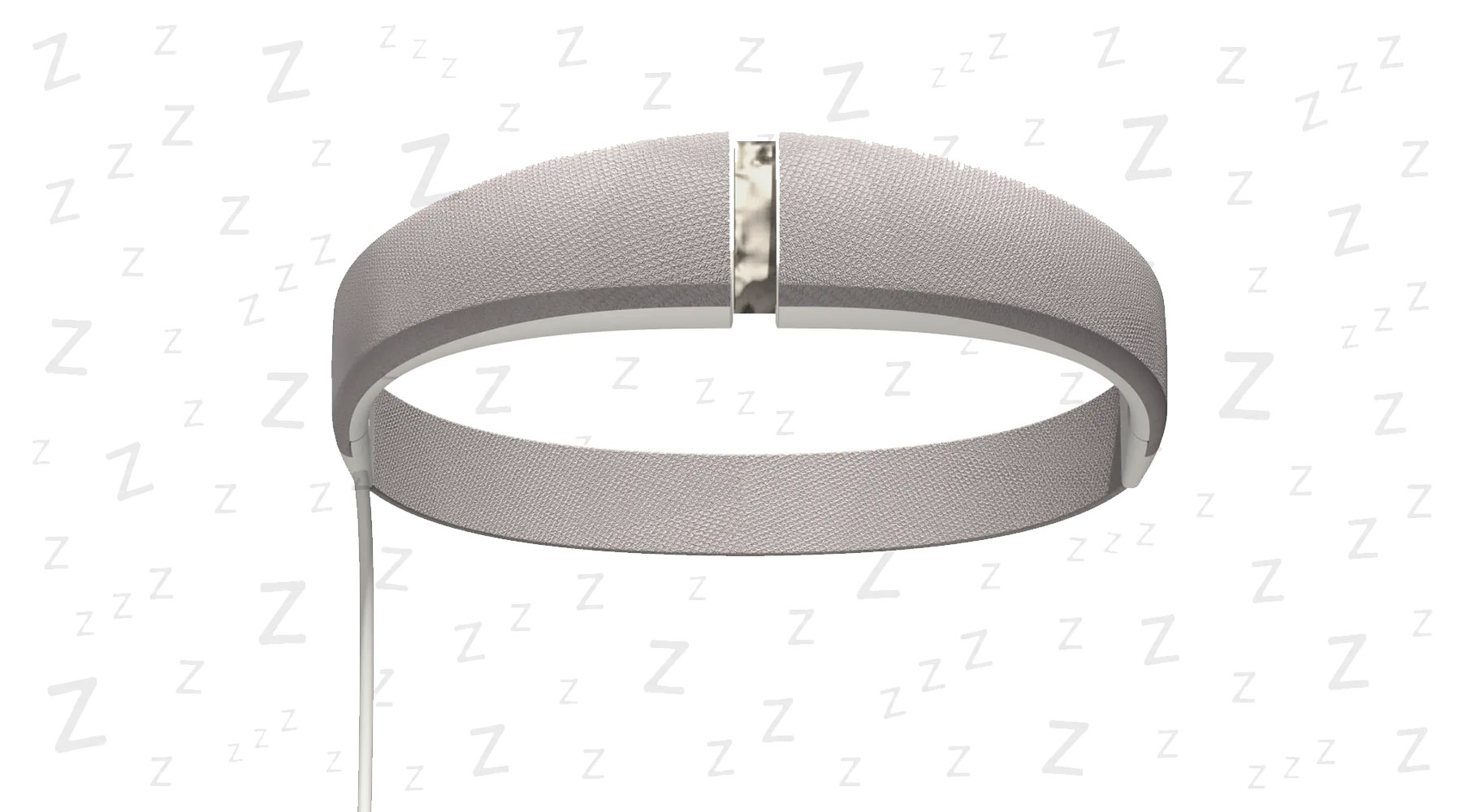
Last month, Prophetic announced the first commercial version of their idea, launching two neuromodulation headbands, Dual and Phase. Both devices use low-intensity ultrasound, sending sound waves into the cortex to influence brain activity non-invasively. Dual is the entry product, priced at $449 and expected to ship at the end of 2026. Phase, priced at $1,299 and expected to ship in mid-to-late 2027, adds EEG sensors and a closed-loop system that the company says can adapt stimulation to the user’s brain activity in real-time.
Prophetic is targeting the prefrontal cortex, a region that some research finds less active during ordinary dreams and more engaged during lucid dreaming. Prophetic claims its devices push users toward greater lucidity, recall, perception, and dream control. It also presents early beta-style results on dream recall, vividness, continuity, clear thinking, deliberate choices, and EEG spectral changes after stimulation. However, the company has not publicly shared enough details to treat those results as a formal validation study.
Prophetic is not the first attempt at a dream-inducing device. Consumer neurotech has chased lucid-dreaming hardware for decades, through devices using light, sound, vibration, REM detection, and in some cases, electrical stimulation. So far, few devices have caught on, with most products discontinued, delayed, niche, or weakly validated. Prophetic differentiates in that space by being the first to move from sensory cueing and electrical stimulation into focused ultrasound.
When lucid dreaming, someone becomes aware that they are dreaming while the dream is still happening, sometimes even being able to control it. The phenomenon is not just the stuff of movies or an internet trend. Lucid dreams have been studied in sleep labs for decades, often using pre-agreed eye movements during REM sleep to verify that someone is aware inside the dream. Meta-analytic estimates suggest that around 55% of adults have experienced at least one lucid dream, while around 23% experience them monthly or more.
But neuroscientific insight into the phenomenon is more suggestive than settled. Lucid dreaming appears to involve metacognition, self-awareness, memory access, and some degree of control over the dream episode. Those functions plausibly involve frontal and frontoparietal systems, which is why the prefrontal cortex has become a common target in dream-induction research. But that does automatically establish a causal link, where the prefrontal cortex simply “produces” lucid dreaming, or proof that stimulating it is enough to reliably induce the state.
A systematic review of lucid dream induction studies found that the overall quality of evidence was limited. No technique was shown to induce lucid dreams reliably and consistently, although ultrasound was not tested as a modality. Earlier dream devices faced the same problem. Many could detect sleep, deliver cues, or create a stronger expectation of lucid dreaming, but few showed that they could reliably produce the state itself.
%2C_The_Nightmare%2C_1781.jpg)
Beyond the efficacy of the main claim, the product also comes with a unique risk question. Lucid dreaming itself is not generally seen as dangerous, but attempts to alter dream awareness can interact with sleep stability, nightmares, sleep paralysis, and vulnerable mental states. Sleep is central to physiological and psychological health, which makes any consumer device designed to modulate that state difficult to assess without more public evidence on its effects.
For ultrasound specifically, the safety literature is more developed. Reviews of transcranial ultrasound neuromodulation studies generally do not report severe adverse events. Mild symptoms, including headache, scalp heating, sleepiness, anxiety, neck pain, and muscle twitches, have been reported in a small share of participants. The important caveat is that those findings come from controlled research settings. A consumer device used repeatedly at home during sleep creates a different, and still largely untested, risk profile.
Prophetic, therefore, enters a difficult market with two open questions. It has to show that its device can reliably induce lucid dreaming, but also that doing so does not meaningfully disrupt the sleep state it is trying to enhance.
Produced with support from

%20copy.jpg)




.svg)

