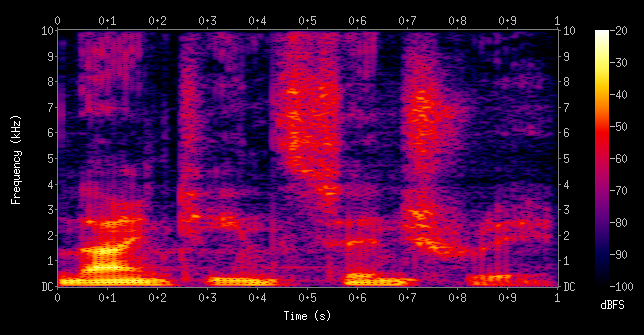
Speech is one of the most information-dense products of brain function. Producing speech recruits distributed neural circuits spanning the prefrontal cortex, limbic system, basal ganglia, and cerebellum. These networks are responsible for cognition, emotion regulation, and motor control; all of which are consistently disrupted in psychiatric disorders. Subtle changes in vocal expression hence offer a non-invasive window into reading underlying brain function and emerging psychiatric risks.
Advances in machine learning have enabled the extraction of clinically meaningful signals from voice samples, revealing patterns associated with depression, anxiety, psychosis or suicide risk. These technologies have the potential to expand diagnostic coverage and improve accuracy across care. Importantly, by detecting subtle changes in mental state, voice biomarkers enable close patient monitoring, supporting treatment adjustments, detecting relapses and enabling intervention before crises occur.
The initial wave of voice biomarker research largely focused on the diagnosis of mental health conditions. Across multiple studies, these systems have demonstrated performance comparable to widely used clinical assessment tools for detecting depression and anxiety, particularly in screening contexts.
In 2025, Kintsugi Health published one of the largest real-world studies on voice-based mental health screening, analysing approximately 25-second speech samples from over 14,000 participants. The model achieved 71.3% sensitivity and 73.5% specificity for detecting moderate to severe depression. Another San Francisco-based company, Ellipsis Health, applies semantic and linguistic analysis to short speech samples to assess depression and anxiety, reporting predictive performance in the ~0.79–0.83 AUC range. These results fall broadly within the performance envelope of standard patient-reported outcome measures commonly used in clinical practice.
While not intended to replace formal clinical diagnosis, the low burden and ease of integration of voice-based assessments make them particularly relevant for underserved and at-risk populations. Ellipsis Health is exploring this through integrations into care-management calls for chronically ill patients, a group with elevated rates of psychiatric comorbidity, alongside feasibility studies in socially isolated older adults and collaborations focused on perinatal mental health screening.
Despite progress in detection, the long-term value of voice biomarkers may lie more in patient monitoring than in diagnosis alone. Researchers affiliated with the Centre National de la Recherche Scientifique in France have argued that a central unmet need in psychiatric care is understanding how symptoms evolve between clinical visits, including anticipating relapse, informing treatment adjustments, and intervening before decompensation results in lasting deterioration.
This gap has significant clinical and economic consequences. In bipolar disorder, more than half of patients relapse within two years despite maintenance treatment, accounting for a large share of hospitalizations and sustained disruption to social and occupational functioning. In major depressive disorder, unobserved symptom fluctuations can contribute to chronic impairment or sharply elevate suicide risk. Epidemiological evidence further indicates that many individuals who attempt or die by suicide had recent contact with healthcare services, yet escalating risk was not identified in time.
In response, several companies are prioritizing a longitudinal perspective, shifting focus toward relapse prediction and continuous risk monitoring rather than point-in-time assessment. Psyrin is developing models to forecast psychosis relapse by combining speech and smartphone-derived data, working with the Yale STEP Clinic to identify early warning signals ahead of clinical deterioration. French startup Callyope integrates speech with sleep, activity, and behavioural data to support relapse detection and clinical decision support in severe mental illness, reflecting a broader move toward proactive risk management and personalized monitoring.
Despite growing clinical interest, data quality remains the primary constraint on building reliable models for relapse detection and symptom monitoring. Many studies continue to rely on narrow cohorts, short recording windows, or poorly standardised protocols. This raises the risk that models learn spurious correlates, such as age, language, or cultural speech patterns, rather than clinically meaningful psychiatric signals. Conversely, highly controlled protocols often exclude patients with comorbidities, speech differences, or fluctuating symptoms, reducing the relevance of resulting models for real-world care.
To address these limitations, initiatives such as the NIH-funded Bridge2AI-Voice program are focused on building large, demographically diverse voice datasets explicitly structured for AI research. To date, the program has released more than 16,000 voice and speech recordings from approximately 450 participants, collected across multiple clinical sites. Emphasis is placed not only on scale, but on standardised acquisition protocols, rich contextual metadata, and longitudinal sampling to support reproducibility and generalisation.
As data quality, standardisation, and longitudinal validation improve, voice biomarkers are likely to become more robust and clinically interpretable. Their role may shift from experimental screening tools toward scalable platforms for continuous monitoring, supporting earlier intervention and more proactive mental health care.
.svg)